Plizio Visual Lab
Cabaiguán
ℹ️Practical info — Cabaiguán
▾
🌤 Weather — 5 days
📍 Nearby
Sights nearby
💡 Tips
- The city is called the 'Canary Island capital' of Cuba due to the many immigrants.
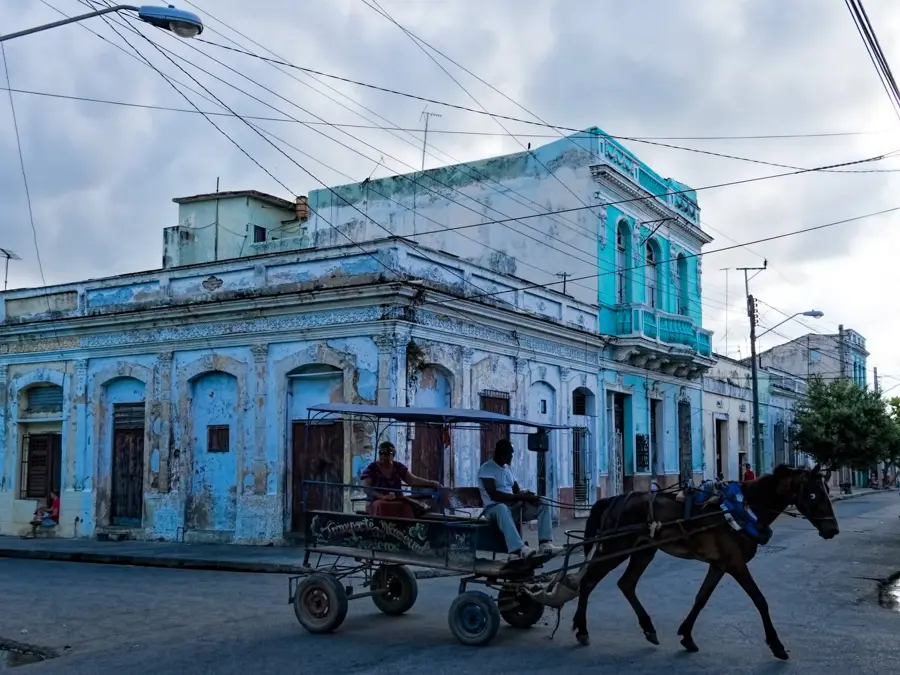
- Transport can be tricky, use the local horse-drawn carriages for short distances.
- Late afternoon is convenient to see the cigar factories from the outside as workers finish their shifts.
- Avoid drinking tap water, always buy bottled water instead.
🍽 Food
The classic Cuban beef stew is best prepared in the paladares (private restaurants).
Try a strong, sweet espresso at the small coffee stands on the main street.
A specialty of Canary Island origin that is still served here in some family restaurants.
🛍 Shopping · 🧘 Quiet spots
It is best to buy cigars directly from the state shops to avoid fakes.
At the weekend you will find fresh mangoes and guavas direct from the producers here.
A central boulevard, convenient for an evening stroll under the trees.
A short walk out of town takes you to the quiet tobacco fields.
Water temperature…
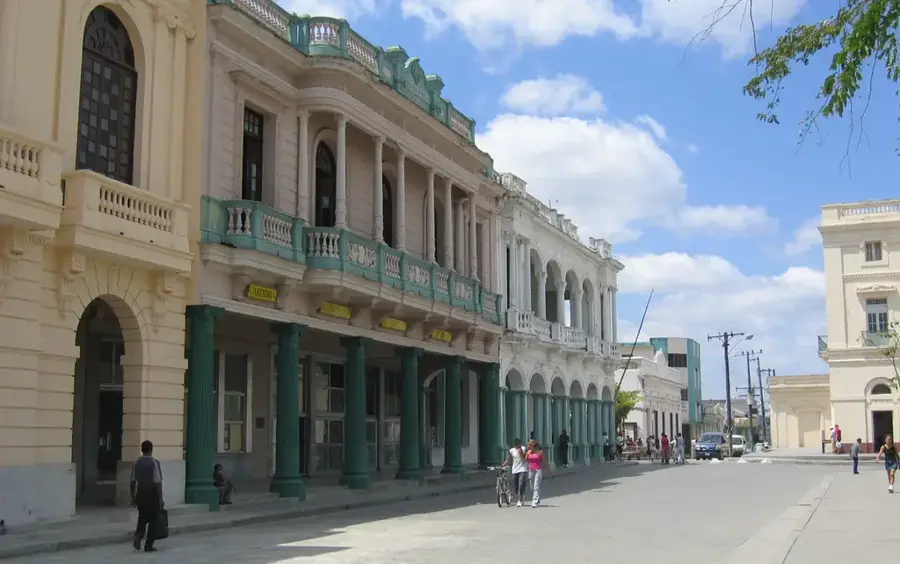
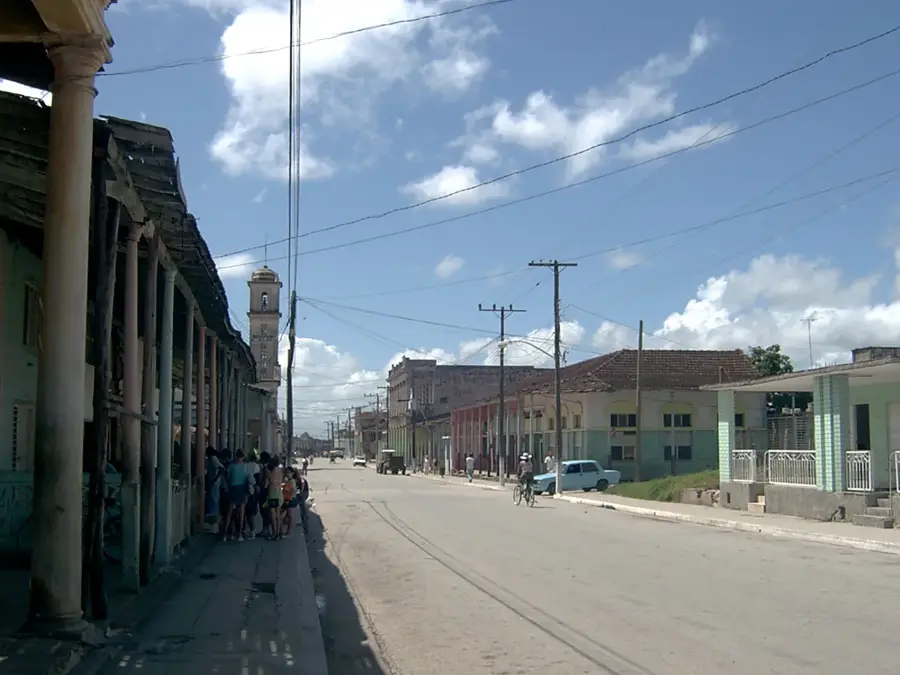
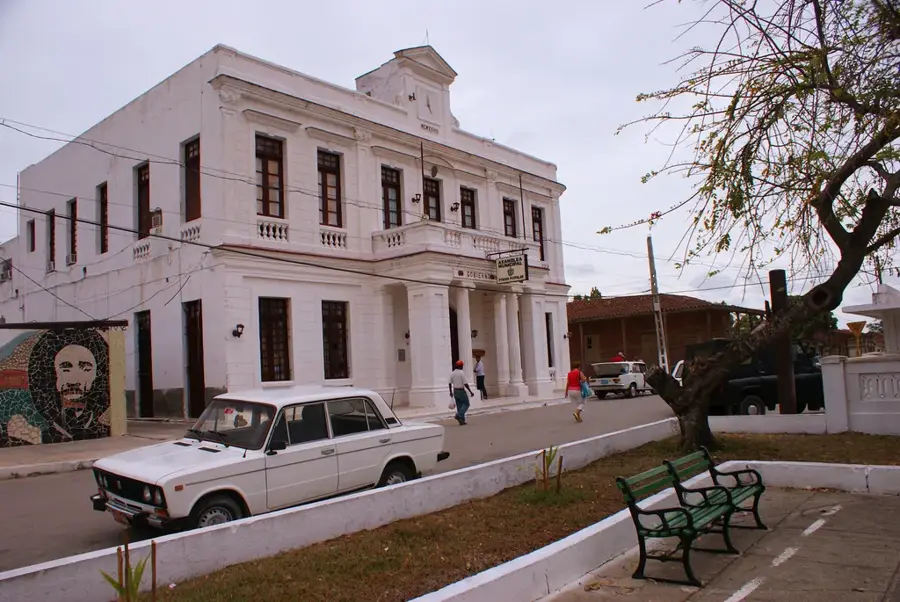
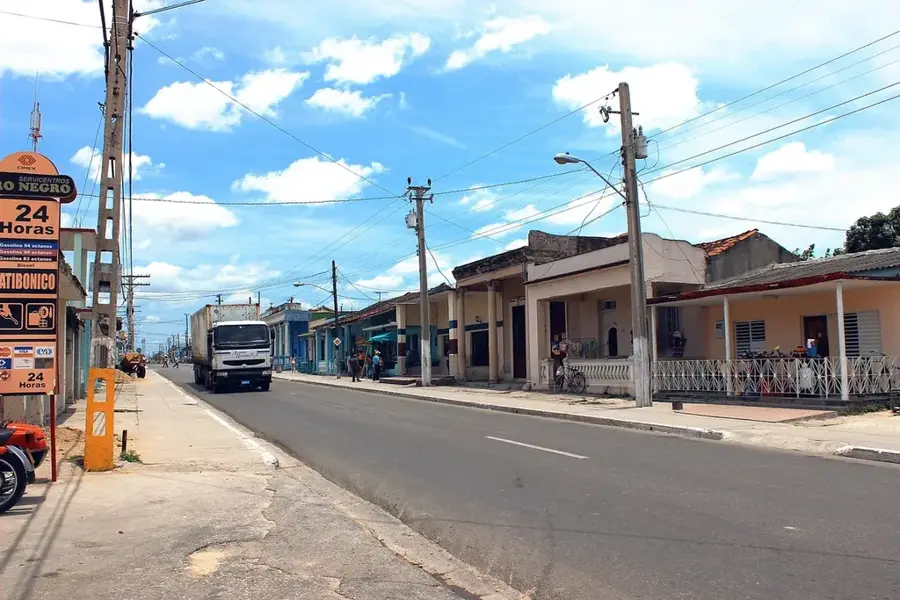
Cabaiguán, known as the Canary Capital of Cuba (Capital Canaria de Cuba), is located in Sancti Spíritus Province. While officially founded in 1894, its identity was primarily shaped by massive waves of immigration from the Canary Islands during the early 20th century. This deep cultural connection is reflected in the city's architecture, local customs, and gastronomy. Economically, Cabaiguán is a powerhouse of the tobacco industry, hosting numerous plantations and factories that process tobacco leaves for the most famous Cuban export brands. The city is strategically positioned along the Carretera Central and the main railway line, making it a critical commercial and transportation hub. In addition to tobacco, the Sergio Soto oil refinery is a significant component of the local industrial sector. The urban landscape features a blend of colonial elements and modern functional buildings, surrounded by extensive agricultural lands.
Explore on the map
How well do you know Cuba?
Find cities, landscapes and regions in 10 varied challenges on the interactive map.
Your journey, your memory
A postcard from Cabaiguán
Turn your own photo into a personal postcard with a local stamp. Free and no sign-up required.
Create a postcard- Location: Cuba
- Highlights: Museo Municipal General de Cabaiguán · Familia Valle, Inguanzo, Díaz, Monteagudo, Romero · Monumento de Faustino Pérez
- Nearby: Taguasco (16 km)
- Population: ~44.515 (2023)
Best time to visit & climate
The most pleasant time to visit is Jan, Feb, Dec.
| Jan | Feb | Mar | Apr | May | Jun | Jul | Aug | Sep | Oct | Nov | Dec | |
|---|---|---|---|---|---|---|---|---|---|---|---|---|
| Avg °C | 23 | 24 | 25 | 26 | 27 | 28 | 28 | 28 | 28 | 27 | 24 | 24 |
| Rain mm | 14 | 20 | 25 | 39 | 120 | 107 | 71 | 103 | 107 | 92 | 27 | 15 |
Geography
Facts
- Cabaiguán was officially founded as a town in the year 1894.
- The city is home to the Sergio Soto oil refinery, one of the few in Cuba.
- It has the highest concentration of Canary Island descendants in the country.
- Tobacco is the most important export commodity of the municipality.
- Cabaiguán is strategically located along the historic Carretera Central.
- An annual Canary Islands cultural festival is held to preserve local heritage.
Explore nearby
Notable places around
Route planner — Car & Motorhome
Where do you start? We build the route here, with stops and country notes along the way.
© OpenStreetMap contributors · OpenRouteService
Sights in the town Cabaiguán (3)
Frequently asked questions
Why the Canarian capital?
What is produced here?
Where is the city located?
Are there cultural festivals?
How is the weather?
Cabaiguán: where is it located?
Cabaiguán: what is there to see?
Cabaiguán: when is the best time to visit?
Cabaiguán: why is it worth visiting?

Nearby cities
Nature
More places