Plizio Visual Lab
Columbia Icefield
Weather…
Water temperature…
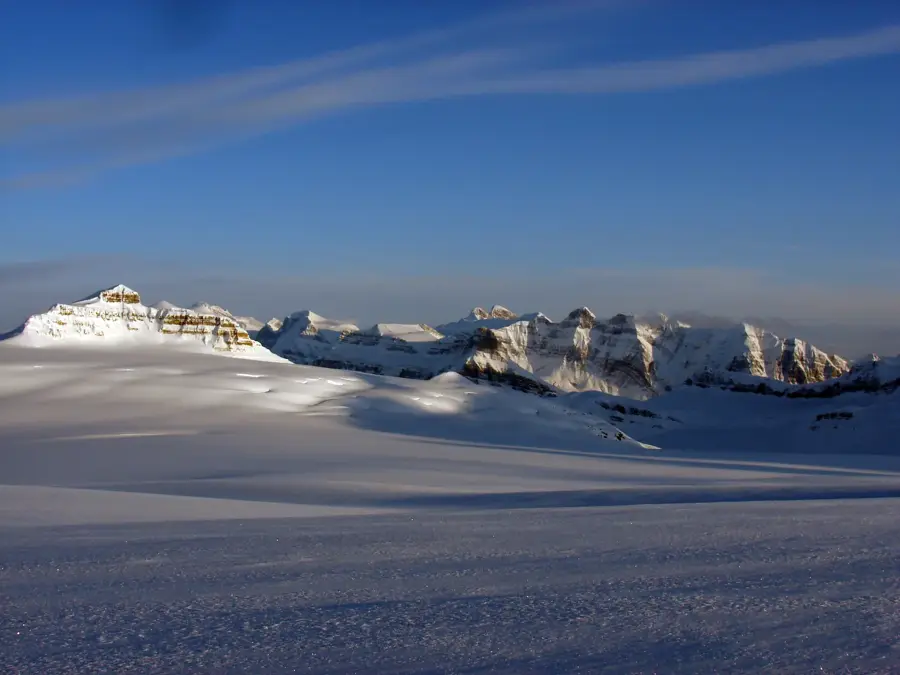
The Columbia Icefield is the largest accumulation of ice in the North American Rocky Mountains, straddling the border of Banff and Jasper National Parks in Alberta. It covers an area of approximately 325 square kilometers (125 square miles) and sits at an average elevation of about 3,000 meters above sea level. The icefield feeds six major glaciers, with the Athabasca Glacier being the most well-known and easily accessible to visitors. Geographically, it serves as a critical hydrological apex, as its meltwaters flow into three different oceans: the Arctic, Pacific, and Atlantic. The ice thickness reaches up to 365 meters (1,200 feet) in some sections, representing a massive remnant of the last glacial period. Due to climate change, the glaciers have been steadily retreating since the late 19th century, making the site a primary location for glaciological research. Tourists reach the icefield via the scenic Icefields Parkway and can take specialized vehicles onto the surface of the glaciers for a closer look.
Explore on the map
How well do you know Canada?
Find cities, landscapes and regions in 10 varied challenges on the interactive map.
Your journey, your memory
A postcard from Columbia Icefield
Turn your own photo into a personal postcard with a local stamp. Free and no sign-up required.
Create a postcard- Location: Canada
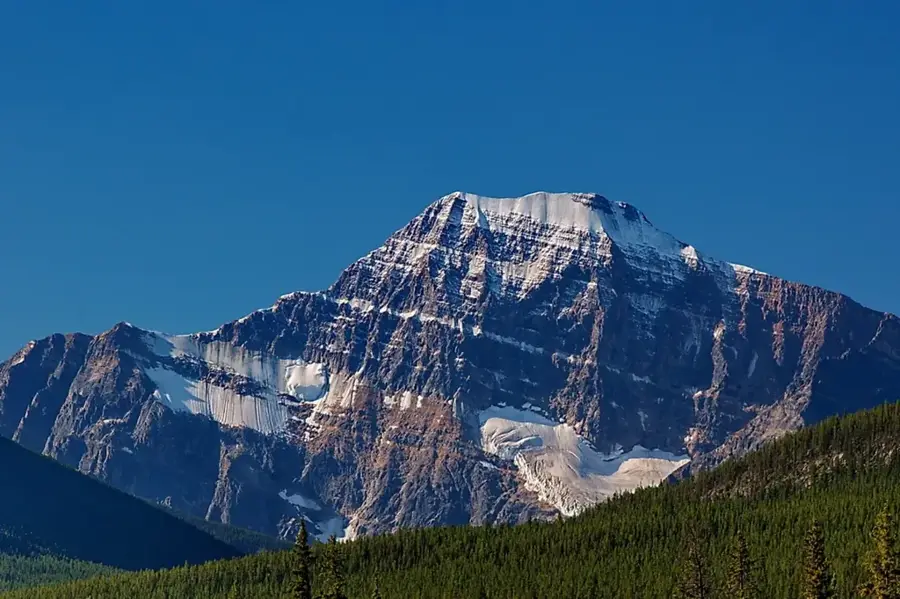
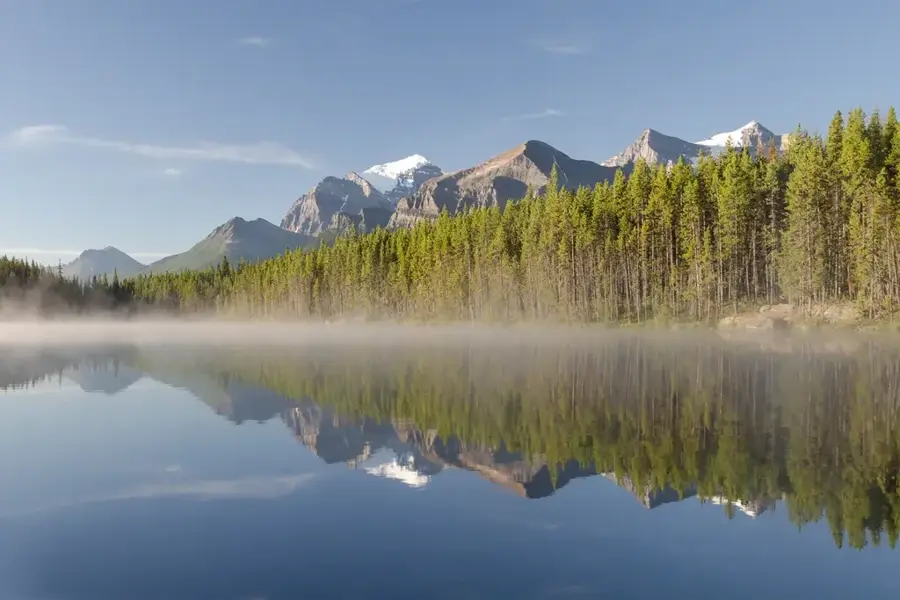
- Highlights: The Castelets · Watchman Peak · Mount Saskatchewan
- Nearby: Banff / Icefields (Saskatchewan River Crossing) (35 km)
Best time to visit & climate
The most pleasant time to visit is Jun–Aug.
| Jan | Feb | Mar | Apr | May | Jun | Jul | Aug | Sep | Oct | Nov | Dec | |
|---|---|---|---|---|---|---|---|---|---|---|---|---|
| Avg °C | -13 | -14 | -10 | -6 | 1 | 6 | 10 | 9 | 4 | -3 | -11 | -14 |
| Rain mm | 70 | 54 | 83 | 64 | 78 | 111 | 90 | 70 | 78 | 83 | 86 | 63 |
📋 Practical info
Geography
Facts
- The icefield spans an area of roughly 325 square kilometers.
- It feeds six major glaciers, the largest being the Saskatchewan Glacier.
- The ice reaches a maximum thickness of about 365 meters.
- Meltwater from the icefield reaches three different oceans.
- It is situated on North America's Triple Continental Divide.
- The area receives an average of 7 meters of snowfall annually.
Explore nearby
Notable places around
Route planner — Car & Motorhome
Where do you start? We build the route here, with stops and country notes along the way.
© OpenStreetMap contributors · OpenRouteService
Sights in the town Columbia Icefield (3)
Sights nearby
Frequently asked questions
Where is the Columbia Icefield located?
Can you go onto the ice?
What is the Glacier Skywalk?
Is it cold there in summer?
Why is the glacier melting?
Columbia Icefield: where is it located?
Columbia Icefield: what is there to see?
Columbia Icefield: when is the best time to visit?
Columbia Icefield: why is it worth visiting?

Nearby cities

History & landmarks




Nature

More places