Plizio Visual Lab
Living Stromatolites
Weather…
Water temperature…
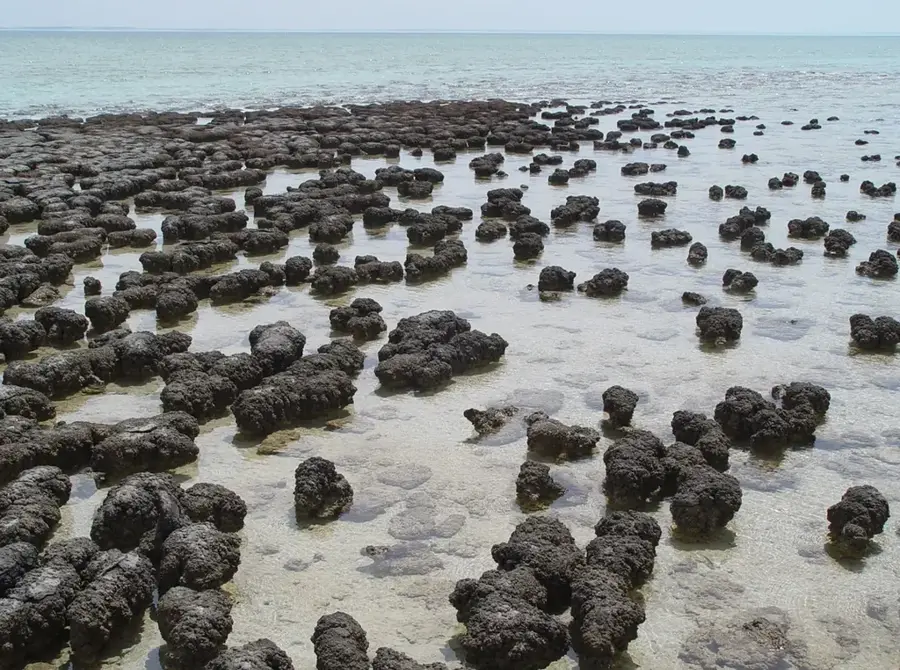
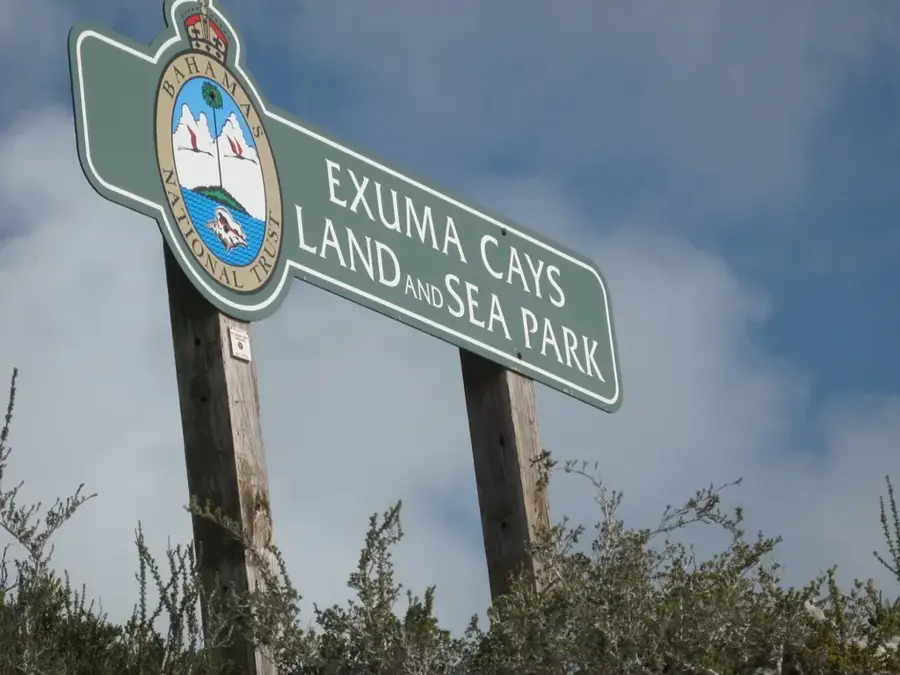
The living stromatolites of the Exumas are profound biological anomalies and represent some of the oldest continuous lineages of life on Earth. These layered structures are formed by the metabolic activities of cyanobacteria (blue-green algae), which trap and bind sediment particles with calcium carbonate to create stony mounds. While fossilized stromatolites date back approximately 3.5 billion years, the shallow, high-energy tidal environments of Highborne Cay and Stocking Island harbor some of the few remaining living examples in the world. These organisms flourish in extreme conditions characterized by high salinity and turbulent currents, which effectively deter potential predators like snails and urchins. Historically, stromatolites were instrumental in oxygenating the Earth's early atmosphere through photosynthesis, a process that eventually allowed for the evolution of more complex aerobic life. Though they appear to be inert rocks, they are actually dynamic microbial mats that grow at an incredibly slow rate over thousands of years. The preservation of these sites is of global scientific significance, offering critical insights into early evolutionary biology and biogeochemical processes. Visitors are strictly prohibited from touching or walking on these delicate structures to prevent irreversible damage to their growth surfaces.
Explore on the map
How well do you know Bahamas?
Find cities, landscapes and regions in 10 varied challenges on the interactive map.
Your journey, your memory
A postcard from Living Stromatolites
Turn your own photo into a personal postcard with a local stamp. Free and no sign-up required.
Create a postcard- Location: Bahamas
- Nearby: Williams Town (17 km)
Best time to visit & climate
The most pleasant time to visit is Jan–Mar.
| Jan | Feb | Mar | Apr | May | Jun | Jul | Aug | Sep | Oct | Nov | Dec | |
|---|---|---|---|---|---|---|---|---|---|---|---|---|
| Avg °C | 24 | 24 | 24 | 25 | 26 | 28 | 29 | 29 | 29 | 28 | 26 | 25 |
| Rain mm | 24 | 17 | 19 | 31 | 85 | 87 | 60 | 65 | 89 | 98 | 50 | 24 |
📋 Practical info
Geography
Facts
- Stromatolites in the Exumas grow at an estimated rate of only 1 millimeter per year.
- Fossil evidence indicates that stromatolites have existed for over 3.5 billion years.
- They are considered 'living fossils' and were the primary oxygen producers for the early Earth.
- The Bahamas is one of the very few places globally where open-ocean stromatolites exist.
- The cyanobacteria within the mounds utilize calcium carbonate to cement sediment layers.
- These structures are most easily observed during periods of low tide along the shoreline.
Explore nearby
Notable places around

Route planner — Car & Motorhome
Where do you start? We build the route here, with stops and country notes along the way.
© OpenStreetMap contributors · OpenRouteService
Sights nearby
Frequently asked questions
What are stromatolites?
Where can you see them in Exuma?
Are you allowed to touch them?
How old are they?
When are they best visible?
Living Stromatolites: where is it located?
Living Stromatolites: when is the best time to visit?
Living Stromatolites: why is it worth visiting?
Nearby cities







History & landmarks
More places