Plizio Visual Lab
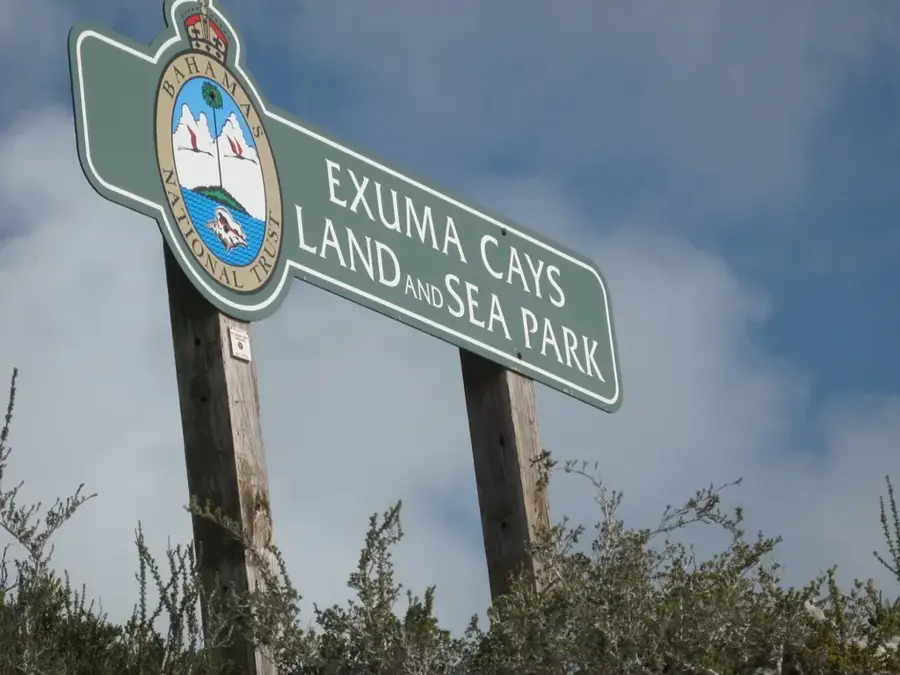
Exuma Cays Land and Sea Park
Weather…
Water temperature…
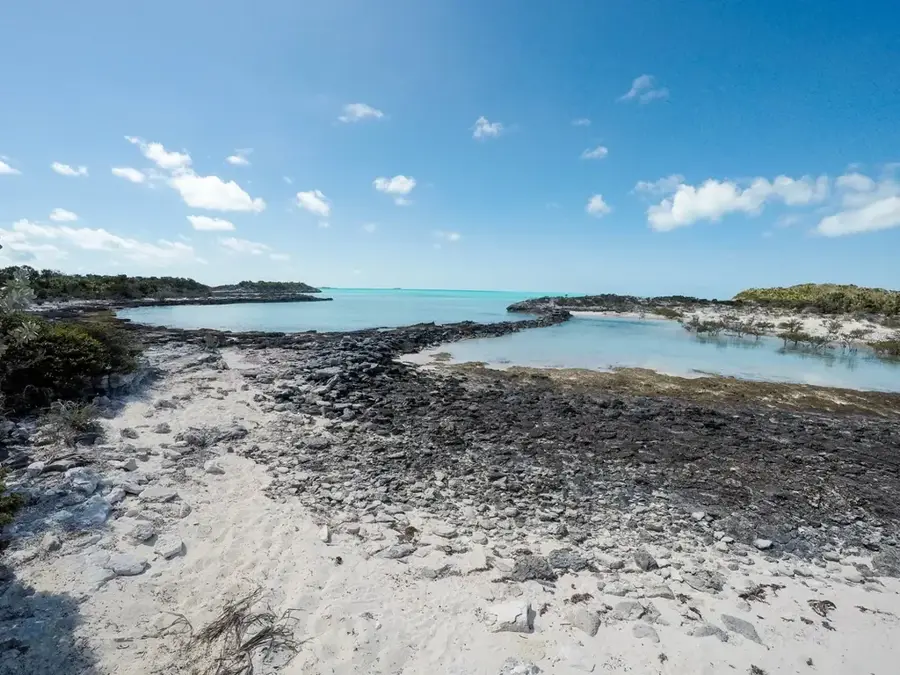
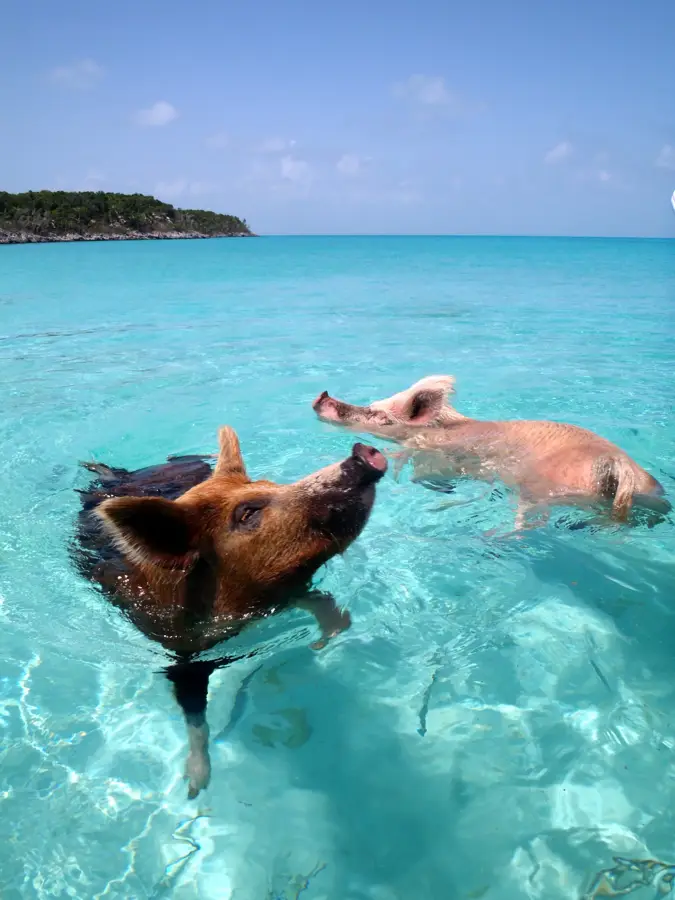
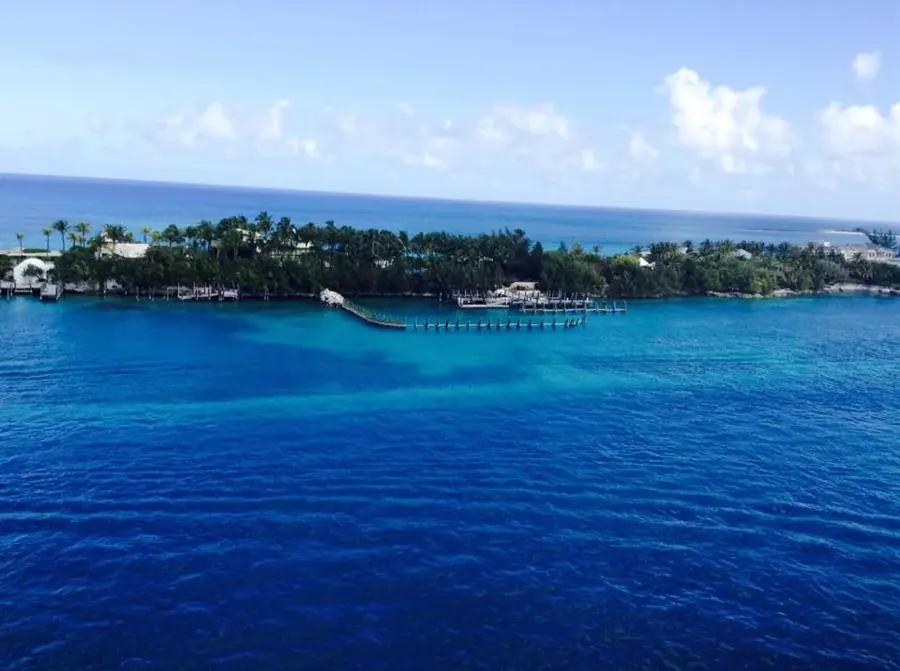
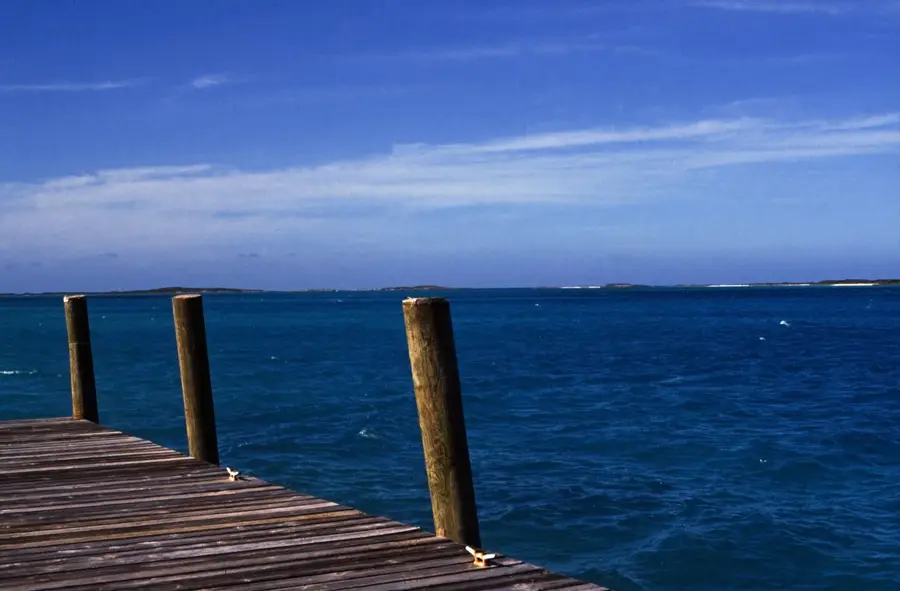
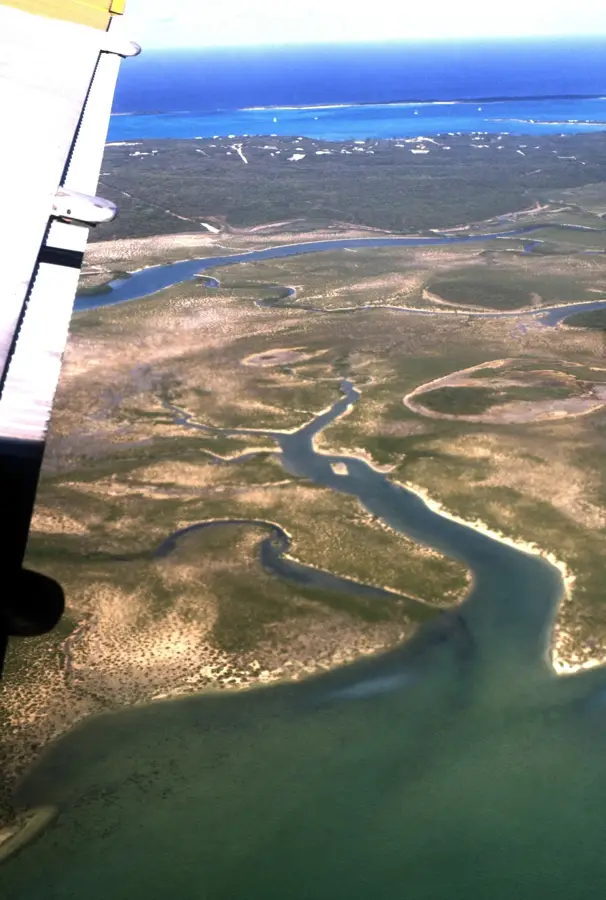
The Exuma Cays Land and Sea Park, established in 1958, was the world's first protected area of its kind, covering both terrestrial and marine environments. Spanning approximately 176 square miles (456 sq km) in the central Bahamas, the park is managed by the Bahamas National Trust. Since 1986, it has been designated as a strict 'no-take' zone, meaning that all forms of fishing and resource extraction are strictly prohibited. This conservation measure has allowed fish populations and coral reefs to flourish in an exceptionally healthy state. A unique ecological highlight of the park is the presence of stromatolites, which are the oldest living organisms on Earth, found in the shallow coastal waters. The park also provides a vital sanctuary for endangered species such as the Bahamian rock iguana and numerous nesting seabirds. It serves as a global model for marine conservation, demonstrating the power of protected areas to restore and maintain biological diversity.
Explore on the map
How well do you know Bahamas?
Find cities, landscapes and regions in 10 varied challenges on the interactive map.
Your journey, your memory
A postcard from Exuma Cays Land and Sea Park
Turn your own photo into a personal postcard with a local stamp. Free and no sign-up required.
Create a postcard- Location: Bahamas
- Nearby: Staniel Cay (30 km)
📋 Practical info
Geography
Facts
- Established in 1958 as the world's first land and sea park.
- Covers an expansive area of 176 square miles (456 sq km).
- Declared a 'no-take' marine reserve in 1986.
- Home to stromatolites, some of the oldest organisms on Earth.
- Managed and protected by the Bahamas National Trust.
- A critical sanctuary for the endangered Bahamian rock iguana.
Explore nearby
Notable places around
Route planner — Car & Motorhome
Where do you start? We build the route here, with stops and country notes along the way.
© OpenStreetMap contributors · OpenRouteService
Sights nearby
Frequently asked questions
How do you reach the park?
Is snorkeling allowed?
Are there entry fees?
Can you camp in the park?
Is fishing allowed here?
Exuma Cays Land and Sea Park: where is it located?
Exuma Cays Land and Sea Park: why is it worth visiting?
Nearby cities








History & landmarks


More places