Plizio Visual Lab
Allen Cay Iguanas
Weather…
Water temperature…
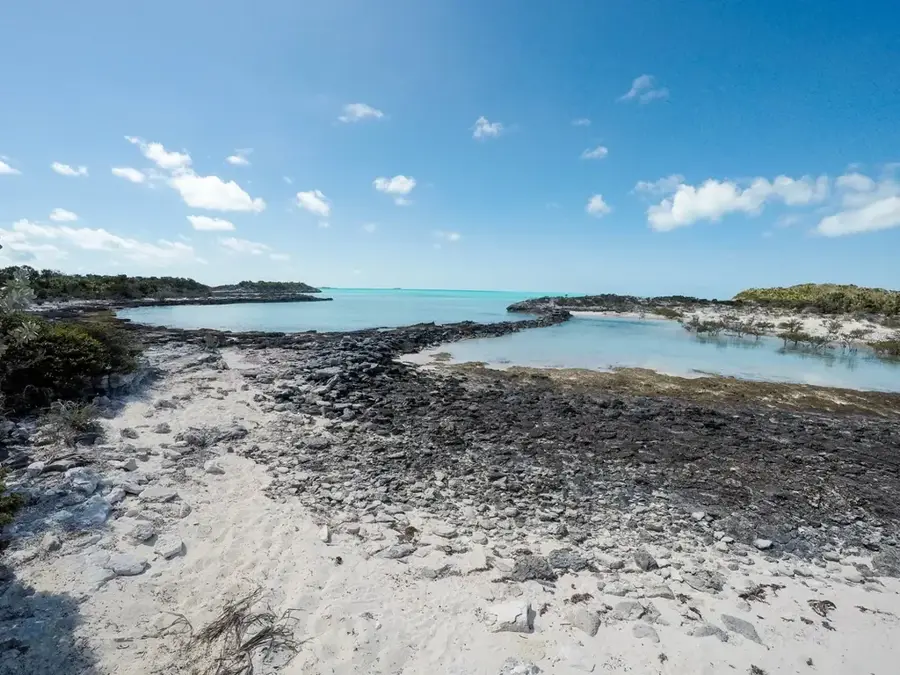
The Allen Cay Iguanas, scientifically classified as *Cyclura cychlura inornata*, are among the most endangered lizard species in the world and are endemic to the northern Exuma Cays. These reptiles can grow up to three feet in length and have a lifespan exceeding 40 years in the wild. They primarily inhabit Allen Cay and Leaf Cay, where they dwell among the rugged limestone formations and coastal scrub vegetation. The population is strictly protected under Bahamian law, as they were previously threatened by invasive species and human encroachment; however, dedicated conservation programs have helped stabilize their numbers. These iguanas are primarily herbivorous, feeding on local fruits, berries, and leaves, making them vital seed dispersers for the island ecosystem. Geographically, the isolation of these cays facilitated the evolution of this distinct subspecies. Visitors typically arrive by boat and are advised by conservationists not to touch the animals or feed them inappropriate food to maintain their long-term health.
Explore on the map
How well do you know Bahamas?
Find cities, landscapes and regions in 10 varied challenges on the interactive map.
Your journey, your memory
A postcard from Allen Cay Iguanas
Turn your own photo into a personal postcard with a local stamp. Free and no sign-up required.
Create a postcard- Location: Bahamas
- Nearby: Rock Sound (67 km)
Best time to visit & climate
The most pleasant time to visit is Jan–Mar.
| Jan | Feb | Mar | Apr | May | Jun | Jul | Aug | Sep | Oct | Nov | Dec | |
|---|---|---|---|---|---|---|---|---|---|---|---|---|
| Avg °C | 23 | 23 | 23 | 24 | 26 | 28 | 29 | 29 | 29 | 28 | 25 | 24 |
| Rain mm | 35 | 32 | 38 | 58 | 118 | 150 | 117 | 140 | 154 | 111 | 66 | 38 |
📋 Practical info
Geography
Facts
- They are a subspecies of the Northern Bahamian Rock Iguana.
- Capable of living for more than 40 years in their natural habitat.
- Endemic only to a few small islands within the Exuma Cays.
- Adults can reach a maximum length of about one meter.
- The iguanas serve as primary seed dispersers for island flora.
- Protected under CITES Appendix I as a critically endangered species.
Explore nearby
Notable places around




Route planner — Car & Motorhome
Where do you start? We build the route here, with stops and country notes along the way.
© OpenStreetMap contributors · OpenRouteService
Sights in the town Allen Cay Iguanas (1)
Sights nearby
Frequently asked questions
What animals live on Allen Cay?
How do you reach the island?
Are you allowed to feed the iguanas?
Are the iguanas dangerous?
What should you bring?
Allen Cay Iguanas: where is it located?
Allen Cay Iguanas: when is the best time to visit?
Allen Cay Iguanas: why is it worth visiting?

Nearby cities












History & landmarks


More places