Glacier and Cave of Scărișoara🏛 museum
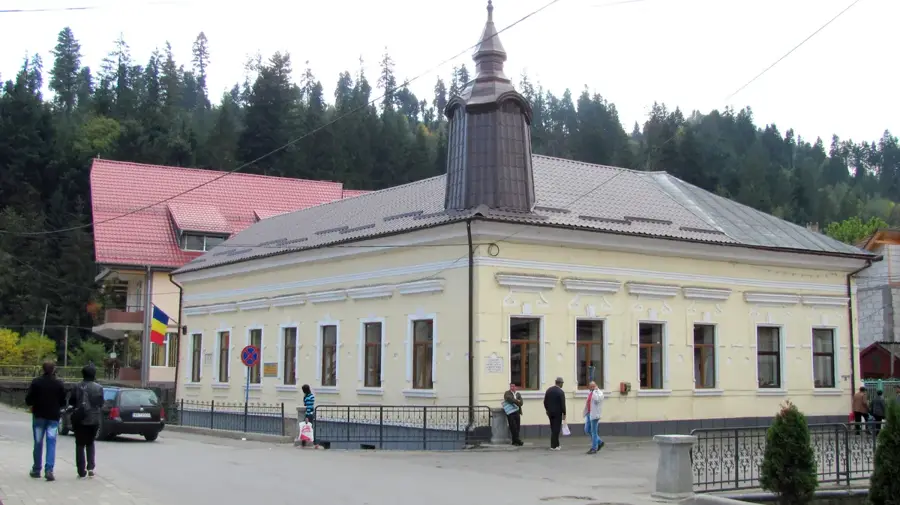
A museum providing information about the formation and features of the Scărișoara ice cave.
🌐 speologie.ro🕒 9:00 - 17:00
Plizio Visual Lab
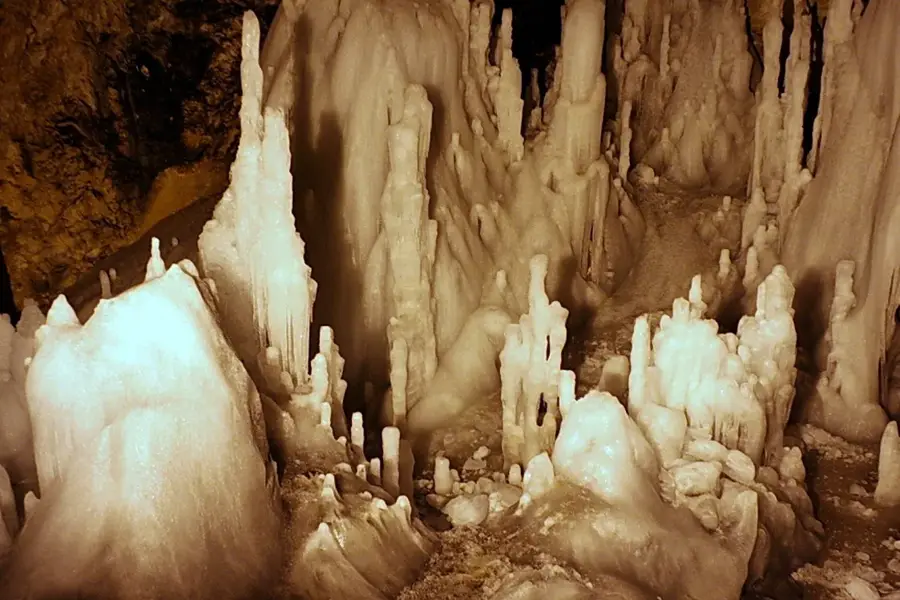
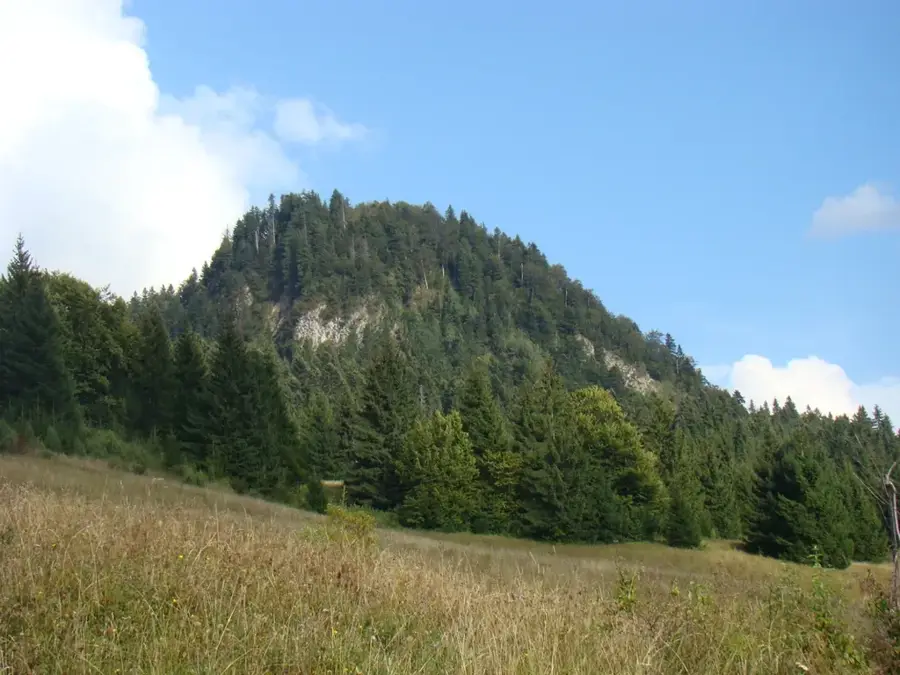
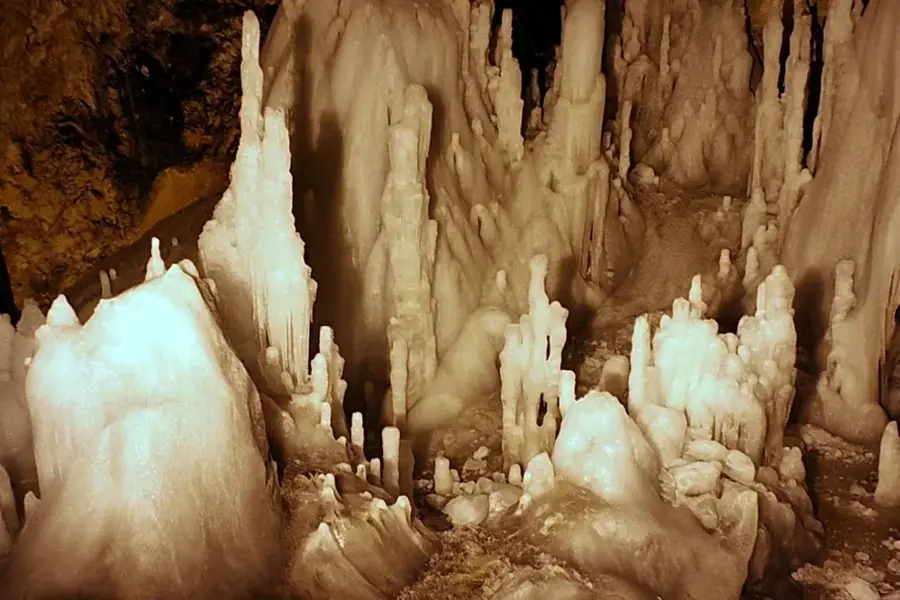
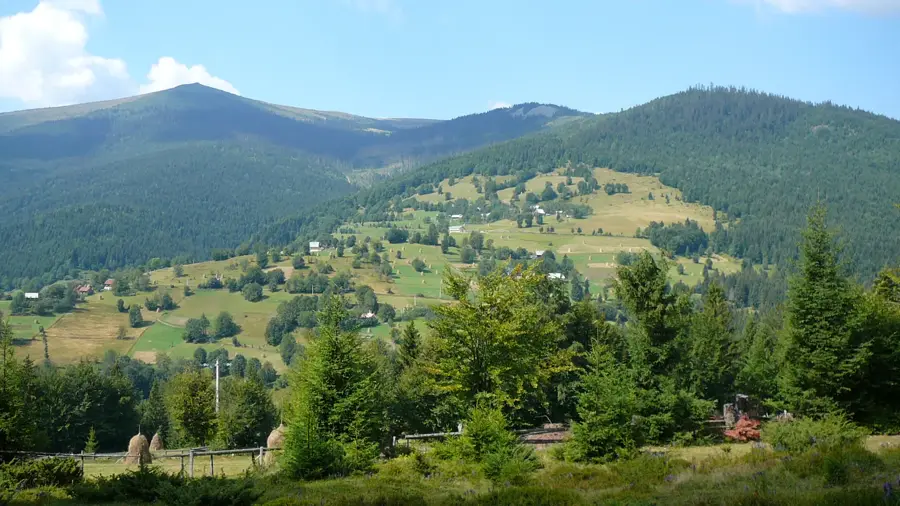
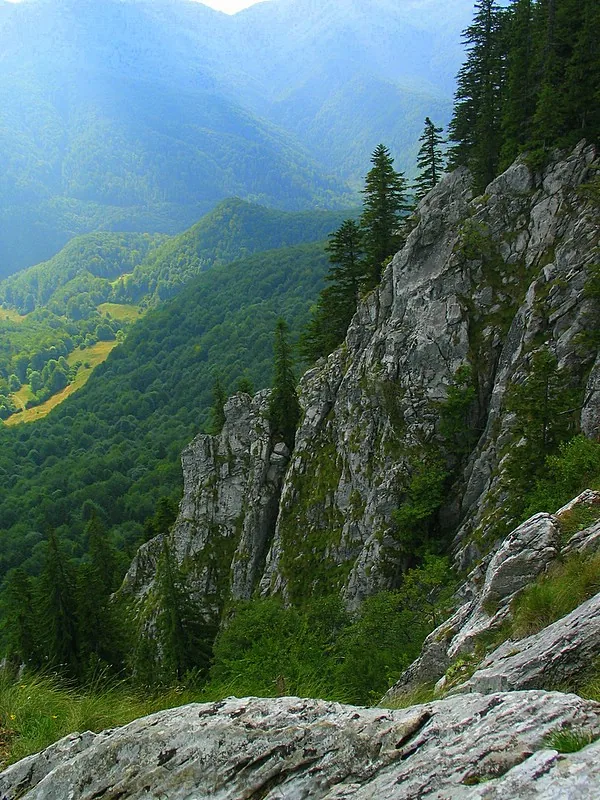
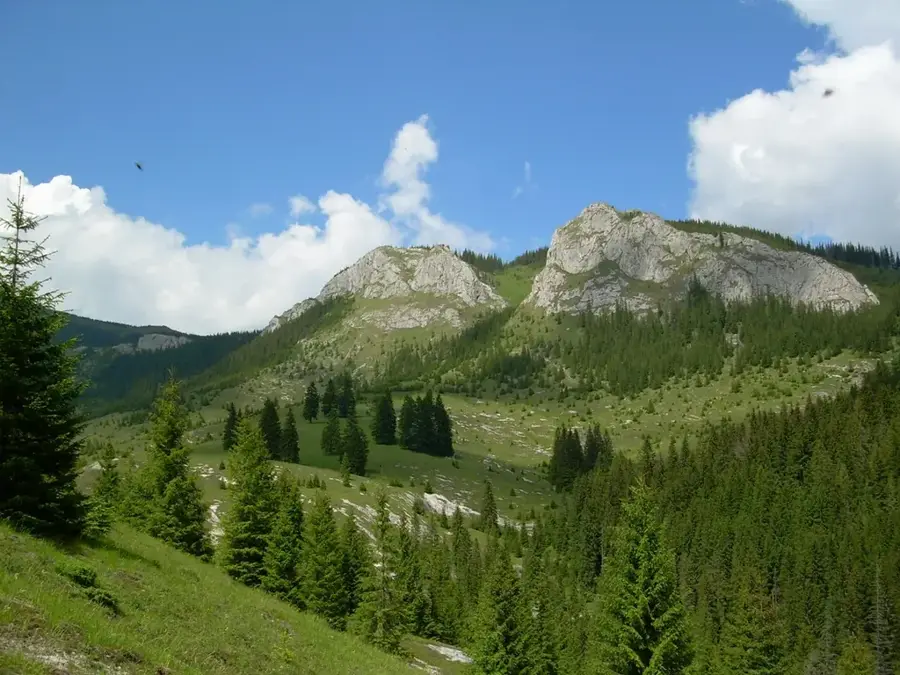
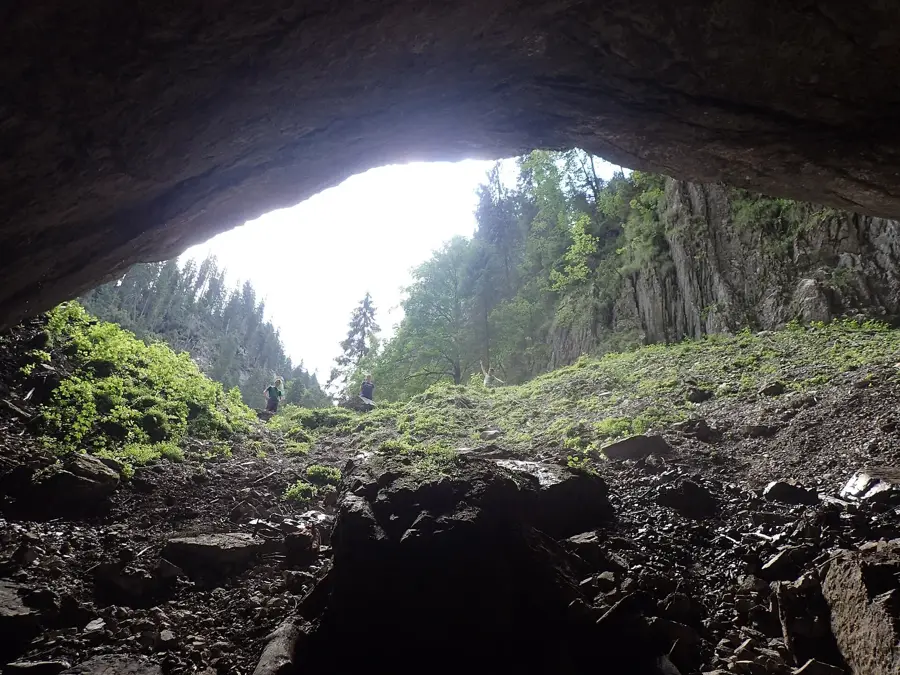
Scărișoara Ice Cave, located in the Apuseni Mountains at an altitude of 1,165 meters, houses the largest underground glacier in Romania. The cave is famous for its massive ice block, estimated to exceed 120,000 cubic meters in volume with a maximum thickness of 36 meters. Scientific studies have dated the oldest ice layers to over 4,000 years, making the cave a significant archive for paleoclimatic research in Southeastern Europe. Visitors enter through a 48-meter deep vertical shaft that leads into the 'Great Hall,' where impressive ice stalagmites and structures are preserved year-round. The internal temperature remains near freezing regardless of the season, a phenomenon caused by the cave's unique topography which traps cold air. The first official mapping and description of the cave were completed in 1863 by the Austrian geographer Adolf Schmidl.
Explore on the map
Find cities, landscapes and regions in 10 varied challenges on the interactive map.
Your journey, your memory
Turn your own photo into a personal postcard with a local stamp. Free and no sign-up required.
Create a postcardThe most pleasant time to visit is Jun–Aug.
| Jan | Feb | Mar | Apr | May | Jun | Jul | Aug | Sep | Oct | Nov | Dec | |
|---|---|---|---|---|---|---|---|---|---|---|---|---|
| Avg °C | -4 | -3 | 2 | 8 | 13 | 17 | 19 | 19 | 14 | 8 | 3 | -3 |
| Rain mm | 36 | 34 | 45 | 58 | 84 | 104 | 94 | 69 | 55 | 54 | 43 | 41 |
Notable places around
Where do you start? We build the route here, with stops and country notes along the way.
© OpenStreetMap contributors · OpenRouteService
A museum providing information about the formation and features of the Scărișoara ice cave.