Plizio Visual Lab
Trascău Mountains
Weather…
Water temperature…
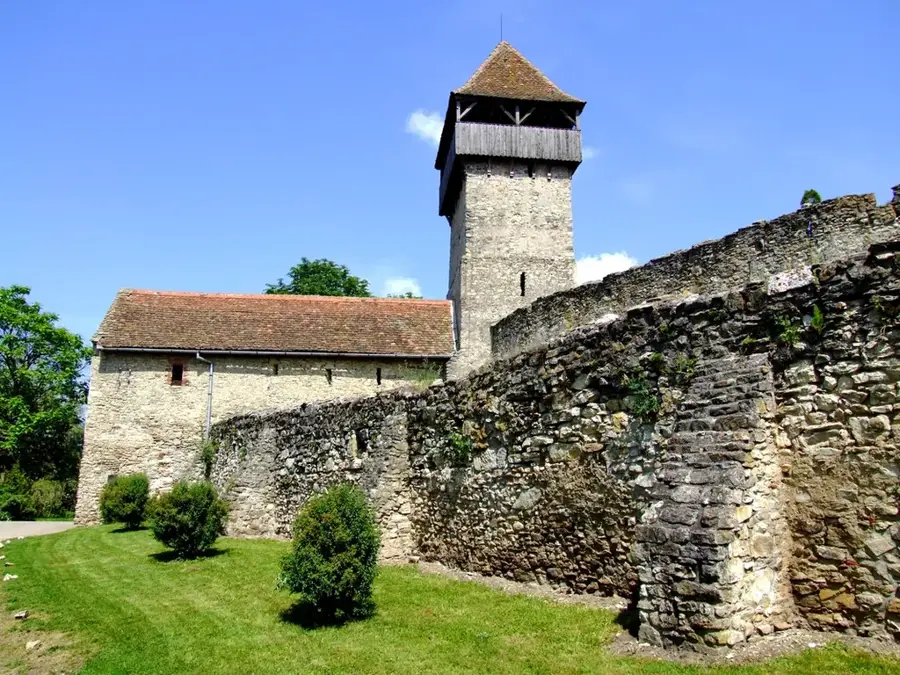
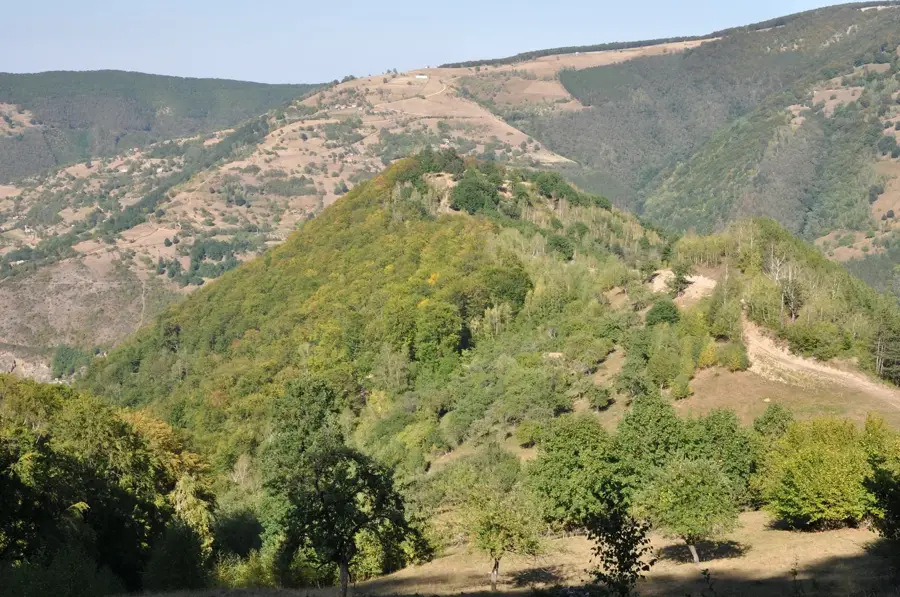
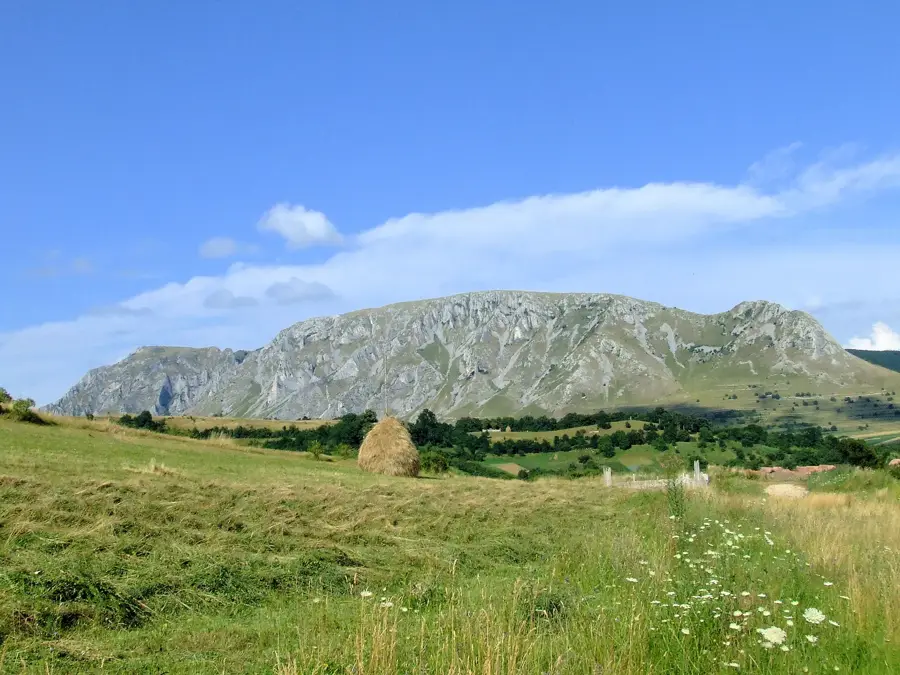
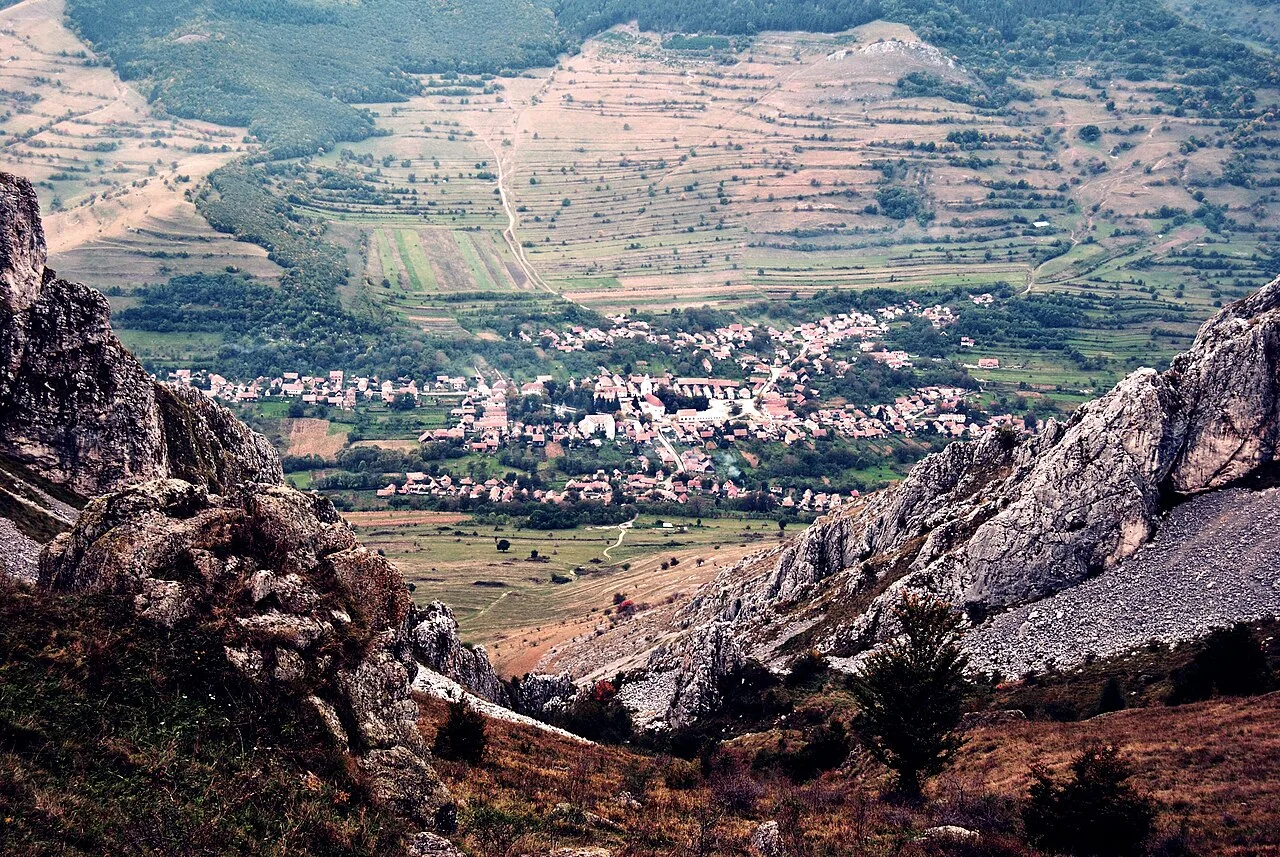
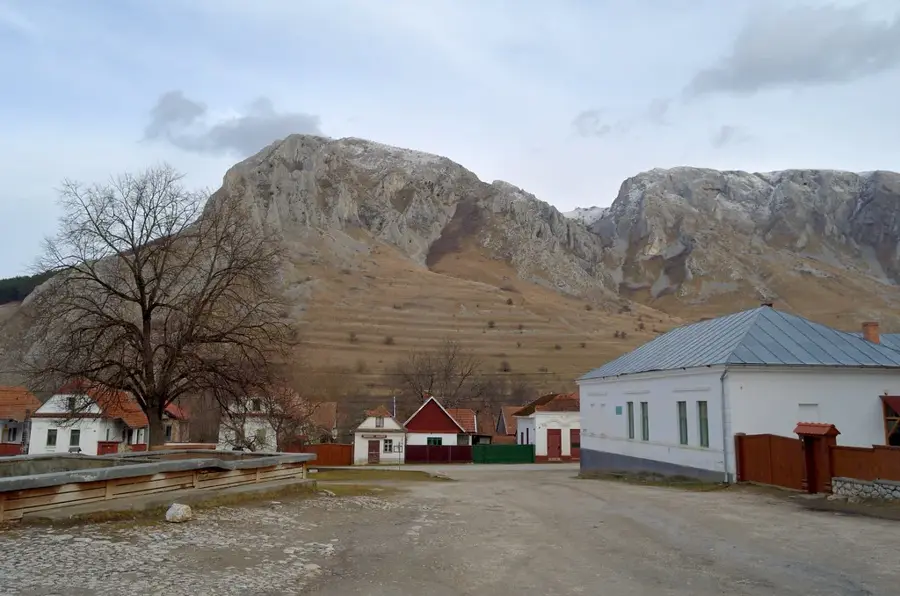
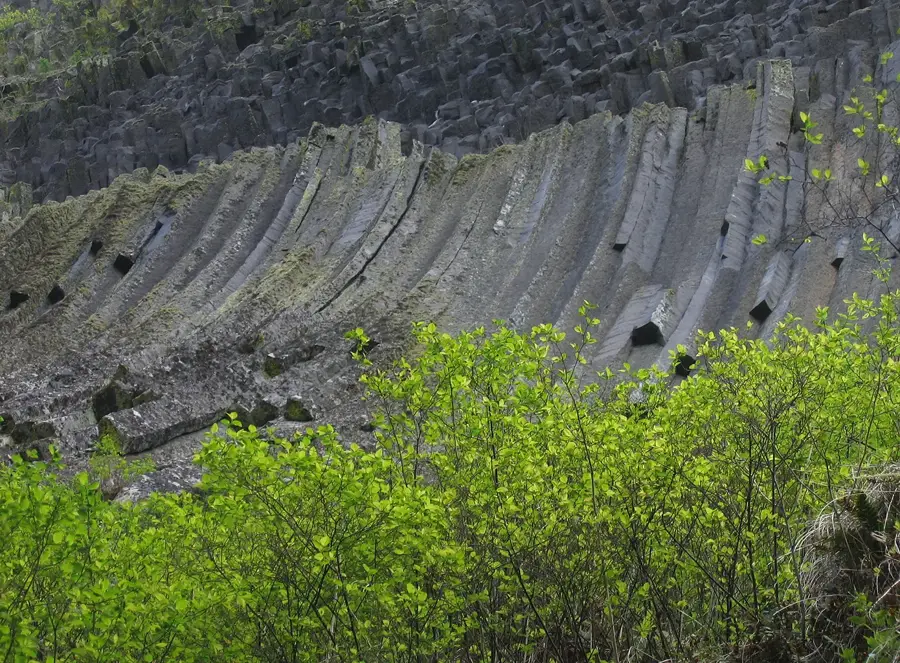
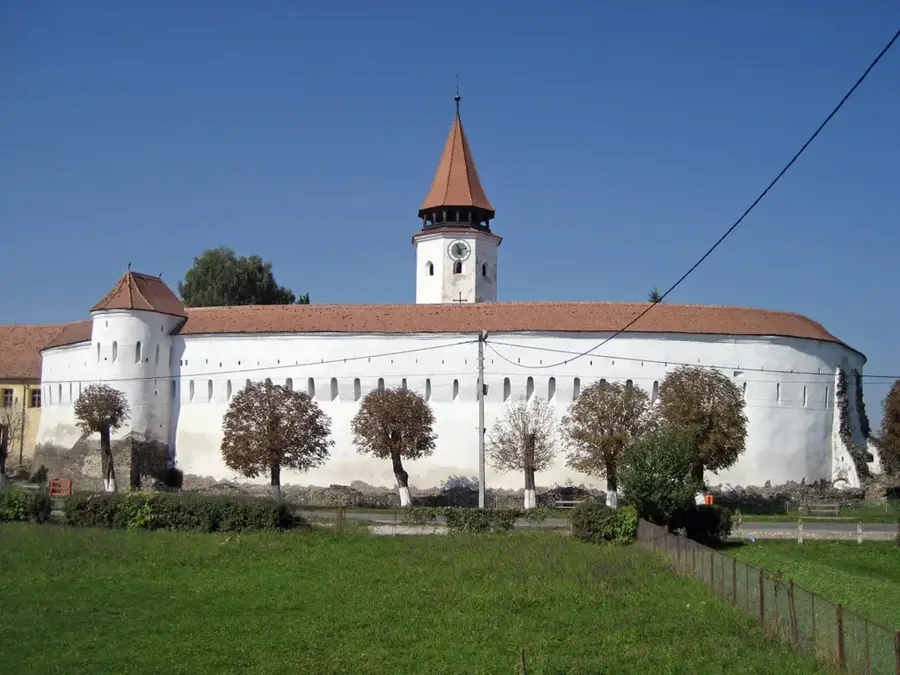
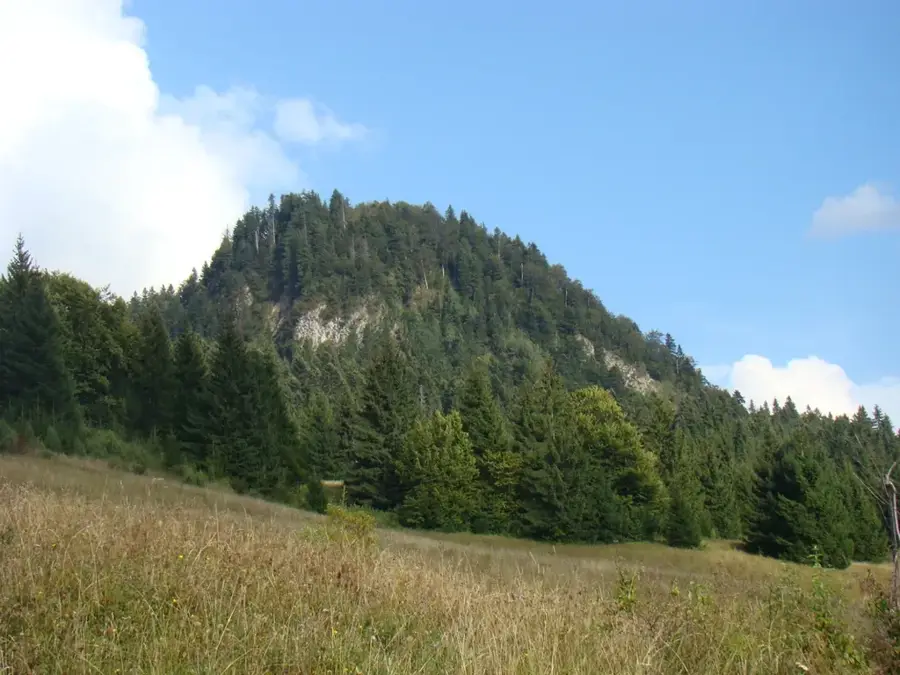
The Trascău Mountains are one of the most spectacular and diverse massifs in the Apuseni range, famous for their dramatic karst relief and deep limestone gorges. From the iconic Turda Gorges to the remote Râmeț Gorges, the massif is a paradise for climbers, hikers, and nature photographers. The landscape is a striking mix of white limestone cliffs, green alpine meadows, and traditional mountain hamlets where time seems to stand still. Trascău is also home to several medieval fortresses, like the Colțești (Trascău) fortress, which reflect the region's turbulent history. The unique flora, including rare orchids and the edelweiss at low altitudes, adds to the biological value of the area. Exploring Trascău gives a well-suited combination of adrenaline-fueled adventure and peaceful contemplation of some of Romania's most iconic natural landscapes.
Explore on the map
How well do you know Romania?
Find cities, landscapes and regions in 10 varied challenges on the interactive map.
Your journey, your memory
A postcard from Trascău Mountains
Turn your own photo into a personal postcard with a local stamp. Free and no sign-up required.
Create a postcard- Location: Alba, Romania
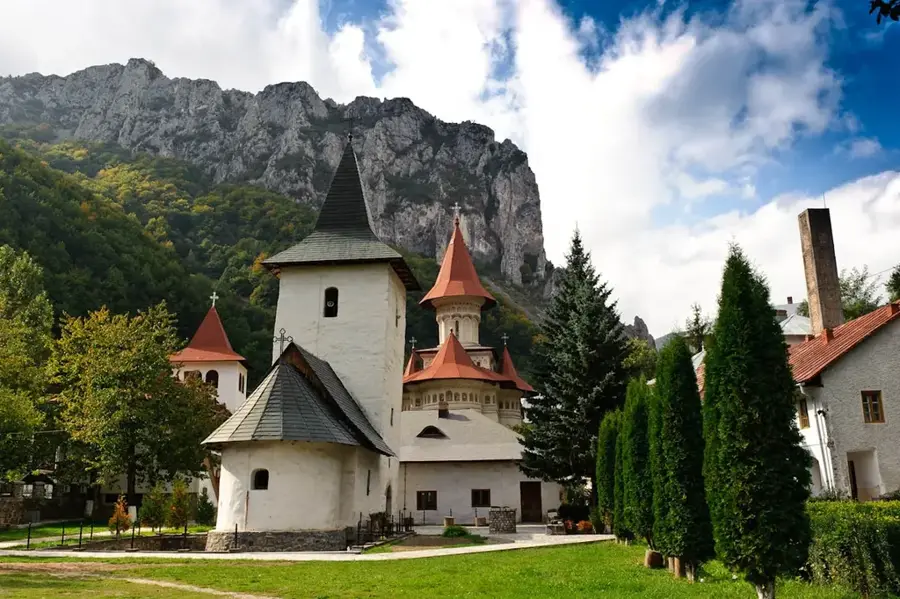
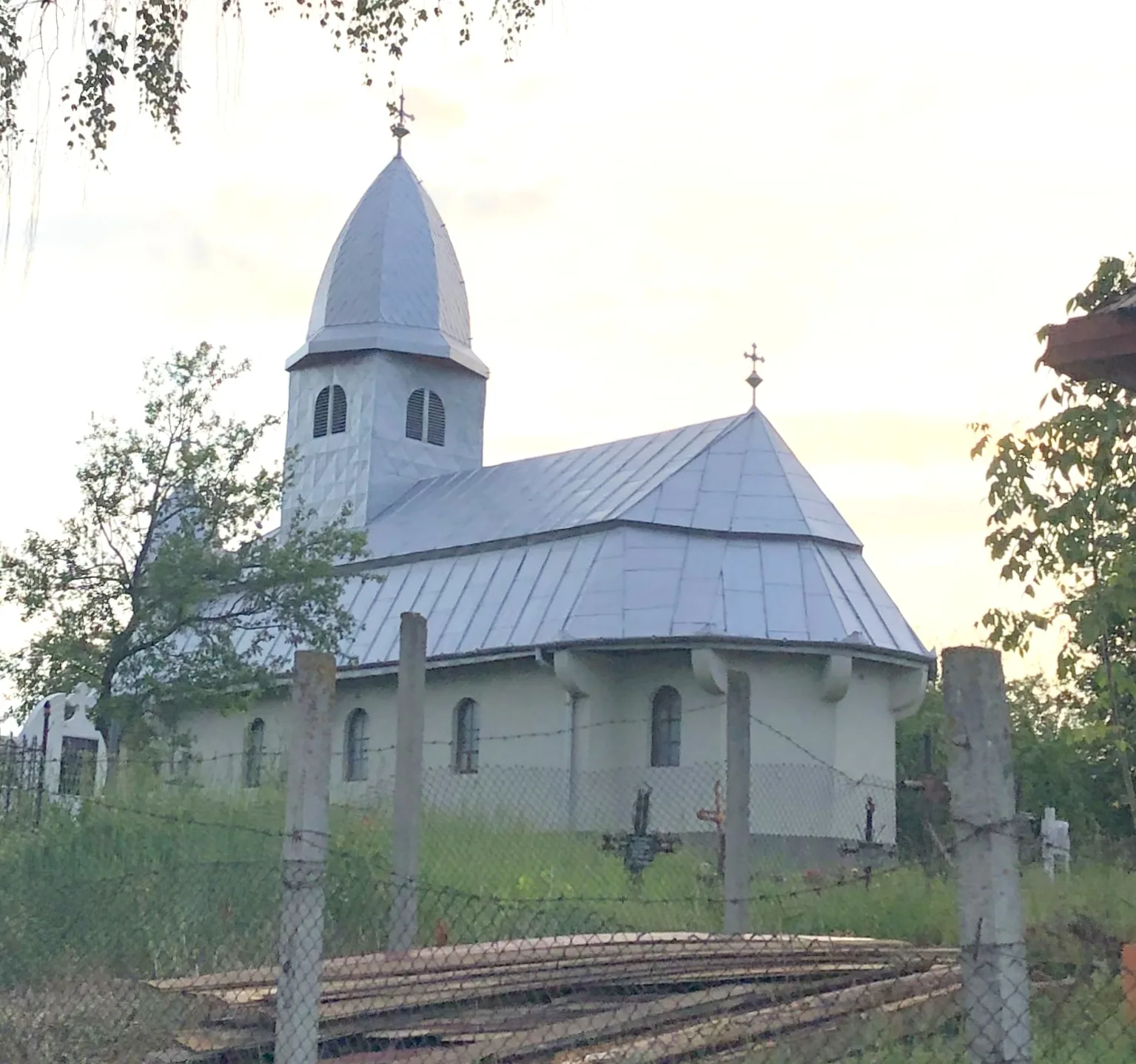
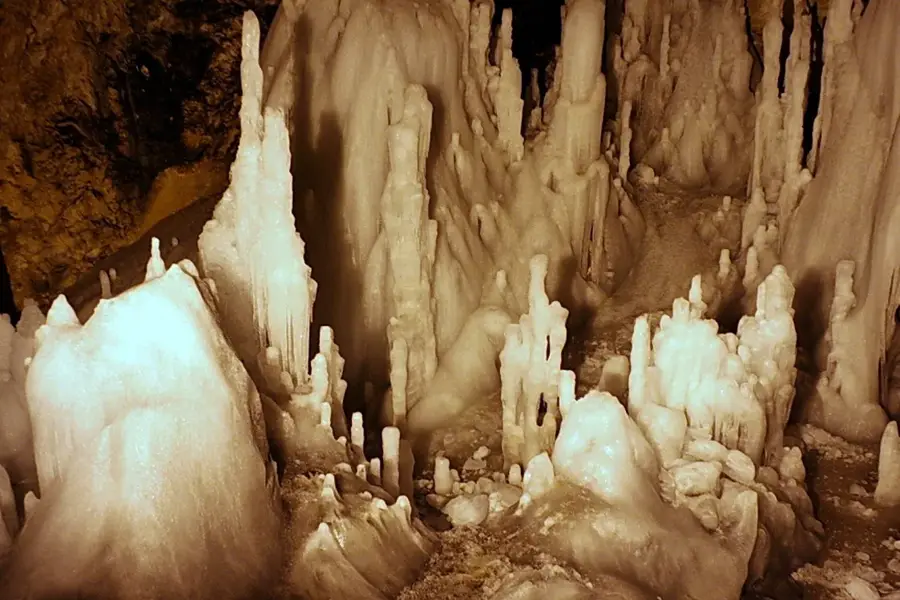
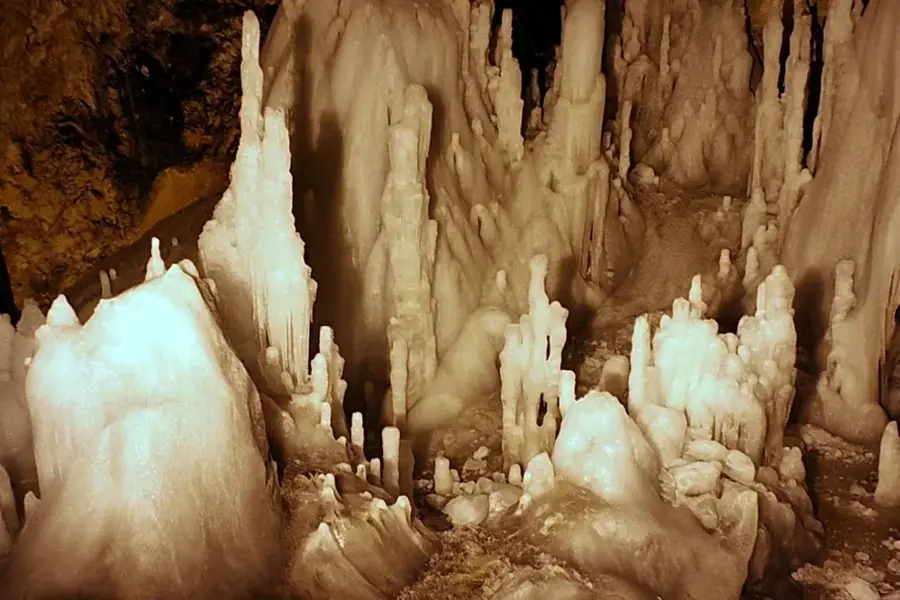
- Highlights: Peștera Huda lui Papara · Love Birds Hide Out Viewpoint · Biserica de lemn Cuvioasa Paraschiva din Sub Piatră
- Nearby: Aiud (21 km)
Best time to visit & climate
The most pleasant time to visit is Jun–Aug.
| Jan | Feb | Mar | Apr | May | Jun | Jul | Aug | Sep | Oct | Nov | Dec | |
|---|---|---|---|---|---|---|---|---|---|---|---|---|
| Avg °C | -3 | -1 | 4 | 9 | 15 | 19 | 21 | 21 | 16 | 10 | 4 | -2 |
| Rain mm | 29 | 28 | 38 | 53 | 78 | 100 | 89 | 65 | 50 | 50 | 36 | 34 |
📋 Practical info
Geography
Facts
- Dâmbău Peak is the highest elevation in the Trascău Mountains, at 1,553 meters.
- Features the Turda Gorges (Cheile Turzii), one of Romania's most famous natural reserves.
- Includes the picturesque Rimetea village, recipient of the Europa Nostra award.
- Home to the Colțești Fortress, built in the 13th century on a steep limestone crag.
- The Râmeț Gorges are known for their challenging 'water trail' through the canyon.
- Contains significant karst plateaus with numerous sinkholes and vertical caves (avene).
- The massif is a major destination for rock climbing with hundreds of established routes.
- Rich in rare plants, including the Trascău dragonhead and various wild gladioli.
Explore nearby
Notable places around
Route planner — Car & Motorhome
Where do you start? We build the route here, with stops and country notes along the way.
© OpenStreetMap contributors · OpenRouteService
Sights in the town Trascău Mountains (3)
Sights nearby
Frequently asked questions
What is the main attraction of the Trascău Mountains?
Why is the village of Rimetea so special?
Can you visit the Colțești Fortress?
How long is the hike through the Turda Gorge?
Are there rock climbing opportunities?
Trascău Mountains: where is it located?
Trascău Mountains: what is there to see?
Trascău Mountains: when is the best time to visit?
Trascău Mountains: why is it worth visiting?

Nearby cities
History & landmarks
Nature
More places