Plizio Visual Lab
Acoyapa
ℹ️Practical info — Acoyapa
▾
🌤 Weather — 5 days
📍 Nearby
Sights nearby
💡 Tips
- Midday is hot; do as the locals do and take a rest.
- A 4x4 vehicle is recommended for trips to Lake Nicaragua.
- Visit the historic colonial buildings around the main square.
- Local buses are cheap but often crowded.
- A trip to the nearby caves is well worth it.
🍽 Food
The classic Nicaraguan dish of rice and beans, available at any local comedor.
Try this local cheese snack wrapped in a tortilla, often sold from small stands.
Yuca, pork rind and cabbage salad, a great quick lunch in the center.
🛍 Shopping · 🧘 Quiet spots
Chontales is cattle country; look for locally made leather boots and belts.
The central market is best for fresh local cheese and fruits.
Sit on a bench in the shade of large trees and watch the town go by.
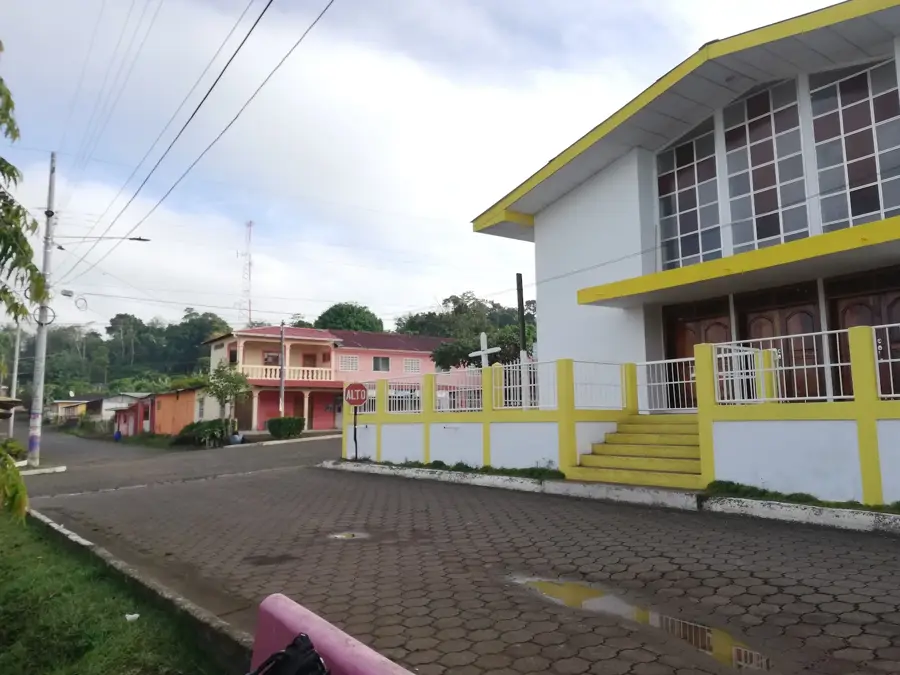
The historic church and its immediate surroundings offer a peaceful atmosphere.
Water temperature…
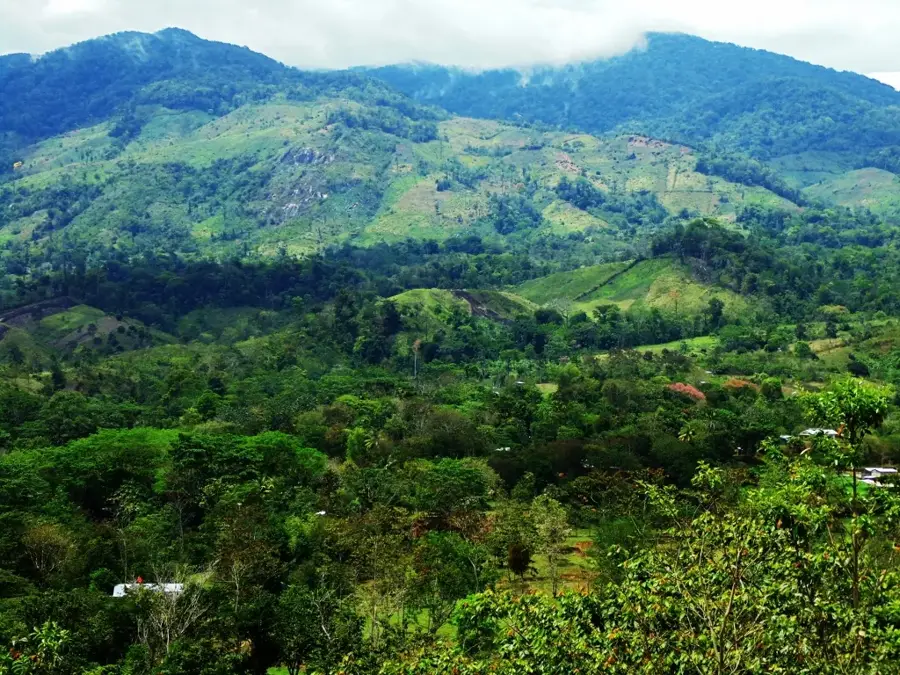
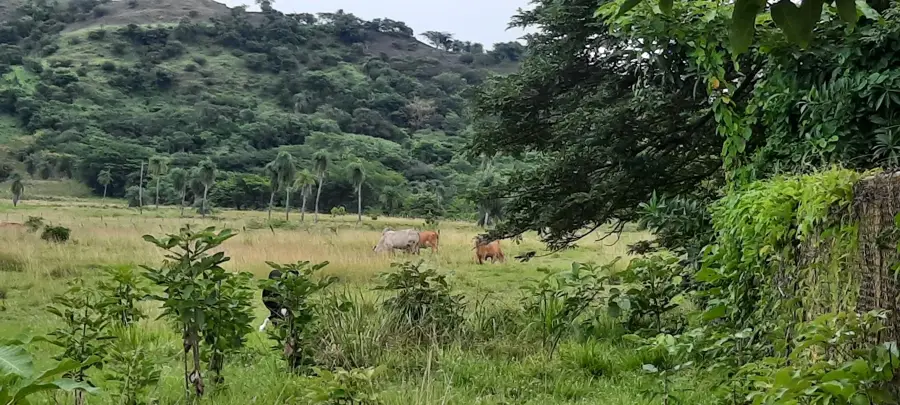
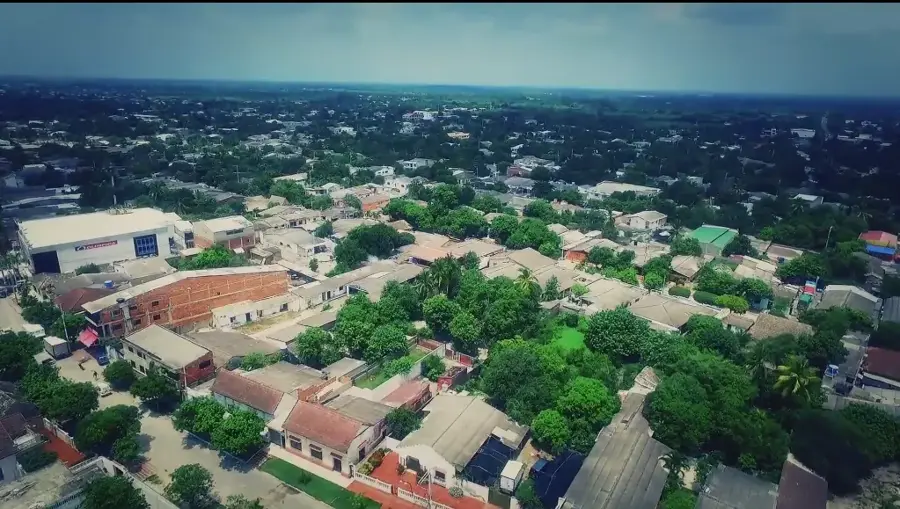
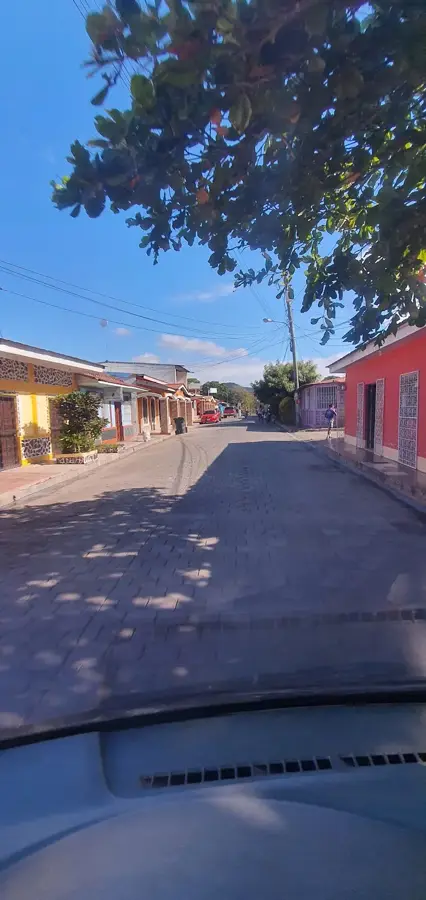
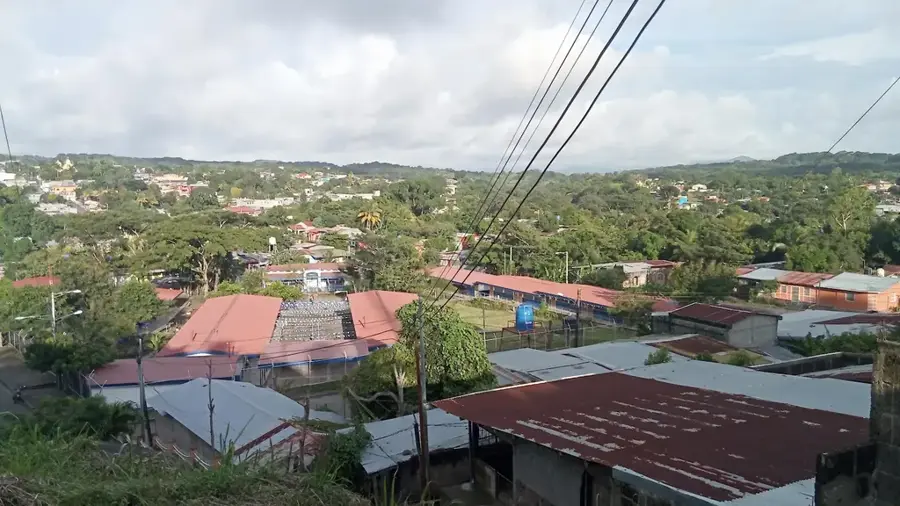
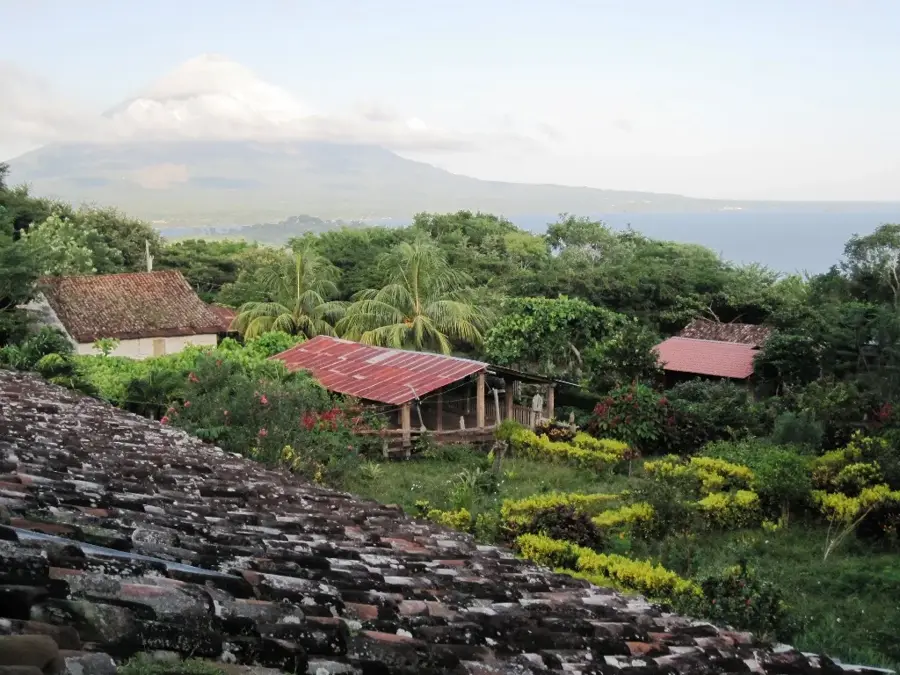
Acoyapa is a historic municipality located in the Chontales Department of Nicaragua, standing as one of the oldest settlements in the region. Formally established in 1750, the city is situated approximately 170 kilometers from the national capital, Managua, in a region characterized by rolling hills and fertile plains. The local economy is predominantly driven by extensive cattle ranching and dairy production, which are the cornerstones of the Chontales identity. Geographically, the area provides handy conditions for livestock, contributing significantly to the national agricultural output. Every January, the town hosts animated patronal festivals in honor of Saint Sebastian, showcasing deep-rooted religious and folkloric traditions. The urban layout and colonial-style architecture in the town center bear witness to its long history as a strategic link between Lake Nicaragua and the interior highlands. Known affectionately as the "City of Flowers," Acoyapa remains a vital administrative and commercial hub for the surrounding rural districts while preserving its traditional ranching heritage.
Explore on the map
How well do you know Nicaragua?
Find cities, landscapes and regions in 10 varied challenges on the interactive map.
Your journey, your memory
A postcard from Acoyapa
Turn your own photo into a personal postcard with a local stamp. Free and no sign-up required.
Create a postcard- Location: Nicaragua
- Nearby: Santo Tomás (15 km)
- Population: ~10.563 (2018)
Best time to visit & climate
The most pleasant time to visit is Jan, Feb, Dec.
| Jan | Feb | Mar | Apr | May | Jun | Jul | Aug | Sep | Oct | Nov | Dec | |
|---|---|---|---|---|---|---|---|---|---|---|---|---|
| Avg °C | 25 | 26 | 27 | 29 | 28 | 26 | 26 | 26 | 26 | 25 | 24 | 24 |
| Rain mm | 10 | 6 | 7 | 26 | 179 | 179 | 128 | 172 | 261 | 296 | 116 | 18 |
Geography
Facts
- The city was officially founded in 1750 within the Chontales Department.
- It is located approximately 170 kilometers from the capital, Managua.
- Acoyapa is nicknamed "The City of Flowers" due to its lush gardens.
- The area is a primary hub for extensive cattle ranching and dairy.
- Patronal festivals for Saint Sebastian are celebrated every January.
- It serves as a key administrative link for rural southeastern Nicaragua.
Explore nearby
Notable places around
Route planner — Car & Motorhome
Where do you start? We build the route here, with stops and country notes along the way.
© OpenStreetMap contributors · OpenRouteService
Frequently asked questions
What should I visit in Acoyapa?
What is typical for the region?
How is the connectivity?
What is the climate like there?
Are there accommodations?
Acoyapa: where is it located?
Acoyapa: when is the best time to visit?
Acoyapa: why is it worth visiting?

Nearby cities


History & landmarks
Nature
More places