Plizio Visual Lab
Juigalpa
ℹ️Practical info — Juigalpa
▾
🌤 Weather — 5 days
📍 Nearby
Sights nearby
💡 Tips
- Stop by the archaeological museum near the center to see pre-Columbian statues found in the surrounding region.
- The climate can be extremely hot; do your city walking in the early morning.
- As the center of Nicaragua's cattle country, expect a rustic vibe and excellent local beef.
- Local minibuses are the cheapest way to get around, but be aware they don't depart until they are completely full.
🍽 Food
Since this is cattle country, ordering a hearty steak (churrasco) at one of the local steakhouses is a must.
A classic Nicaraguan street snack consisting of cheese, pickled onions, and cream wrapped in a tortilla.
The traditional rice and beans dish, best enjoyed for breakfast at small local eateries (comedores).
🛍 Shopping · 🧘 Quiet spots
Look for locally crafted leather belts, boots, and saddlery, reflecting the region's ranching heritage.
Head to the municipal market to buy fresh local cheese (cuajada) and a variety of tropical fruits.
A well-kept central square, great for sitting in the shade and relaxing in the late afternoon.
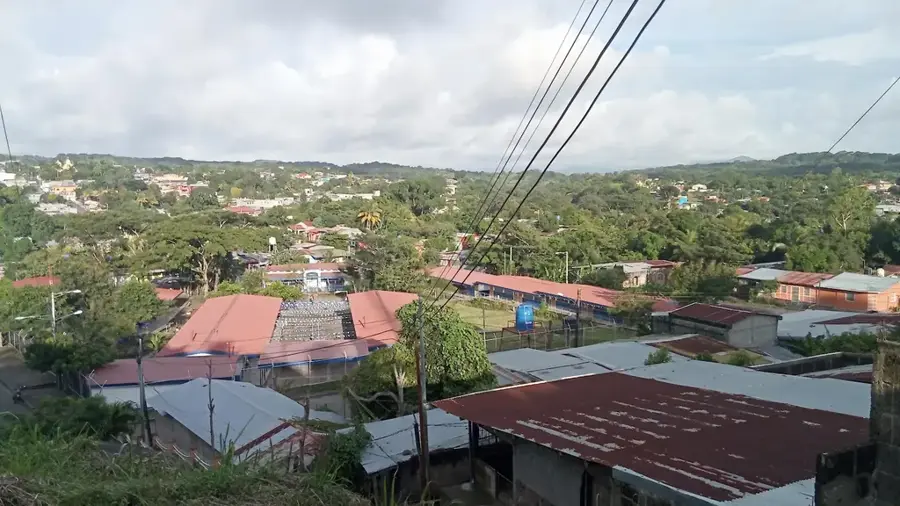
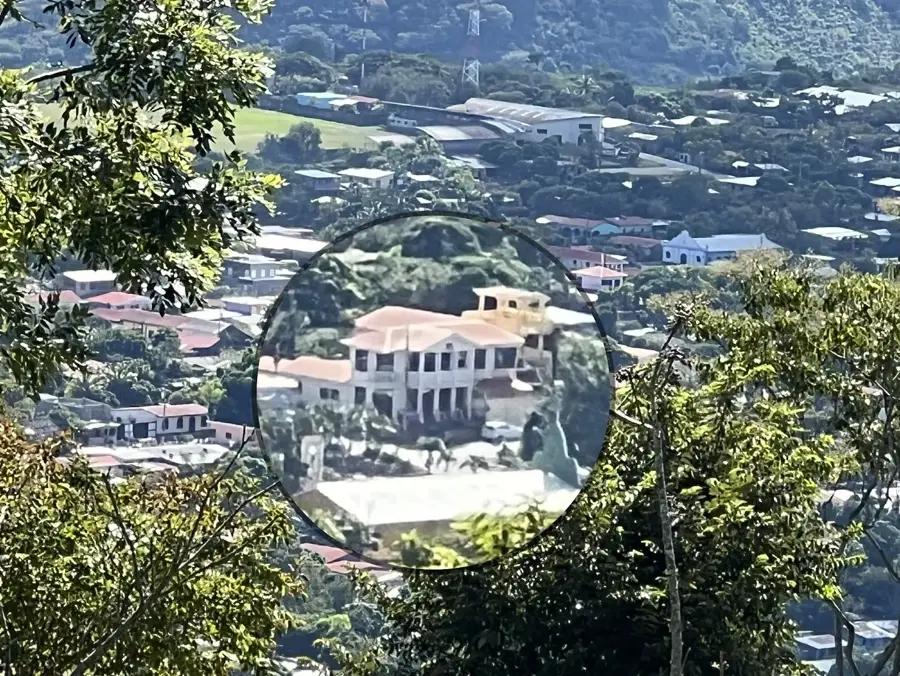
Head to the higher elevations on the edge of town for a peaceful panoramic view of the surrounding valley.
Water temperature…
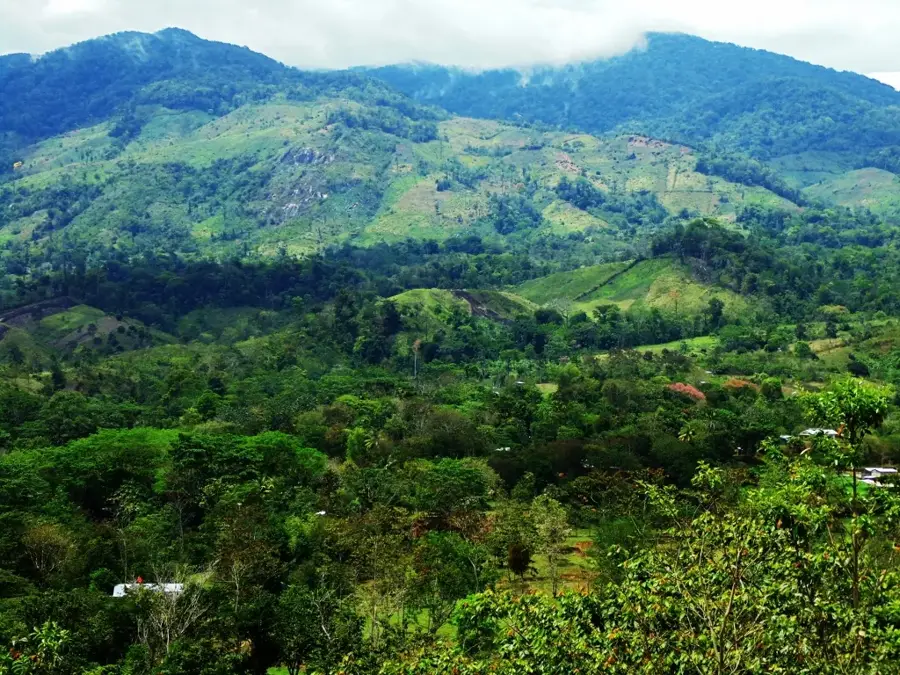
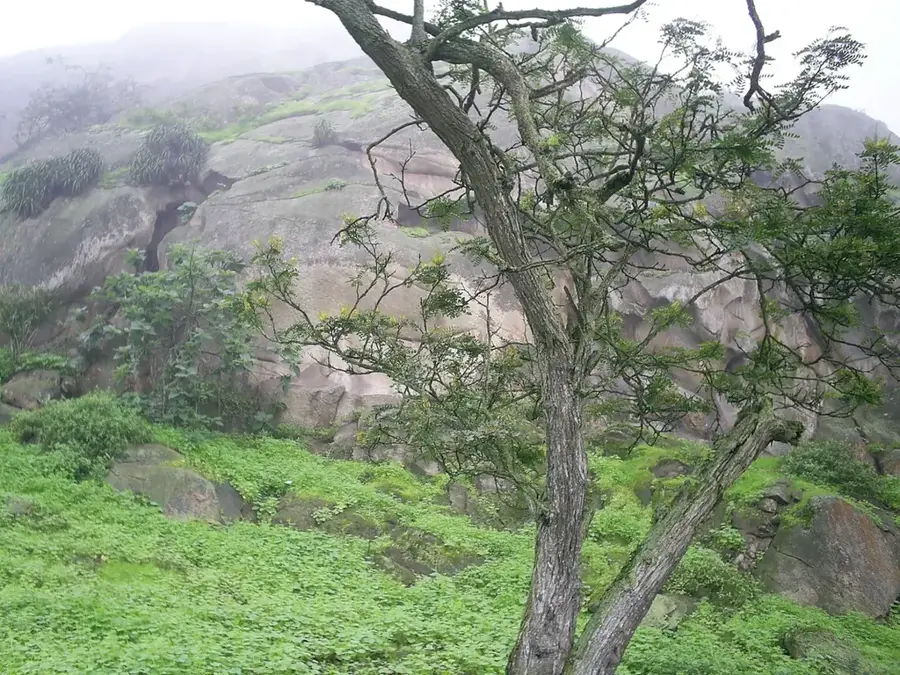
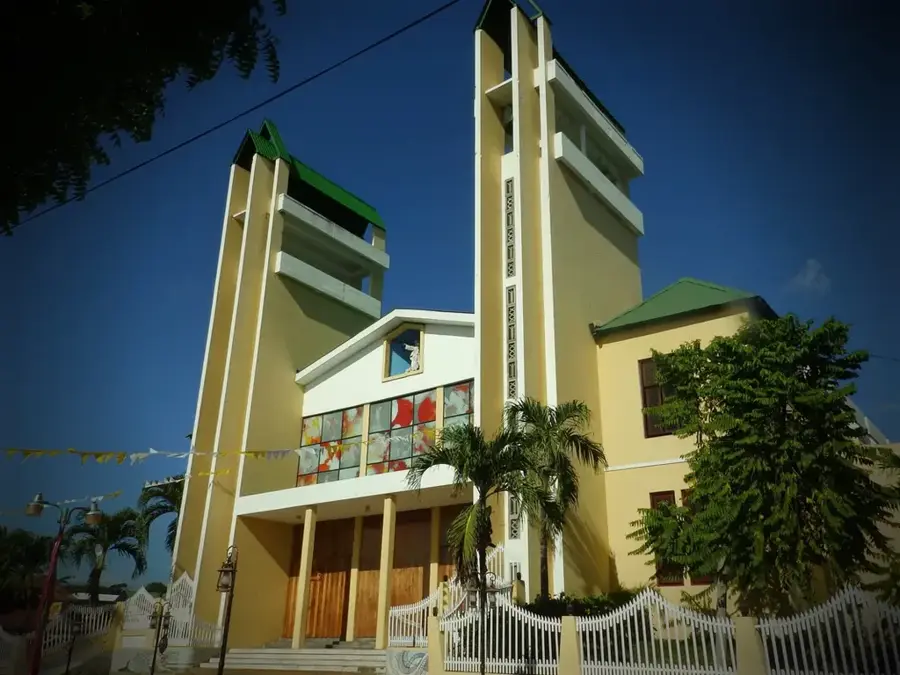
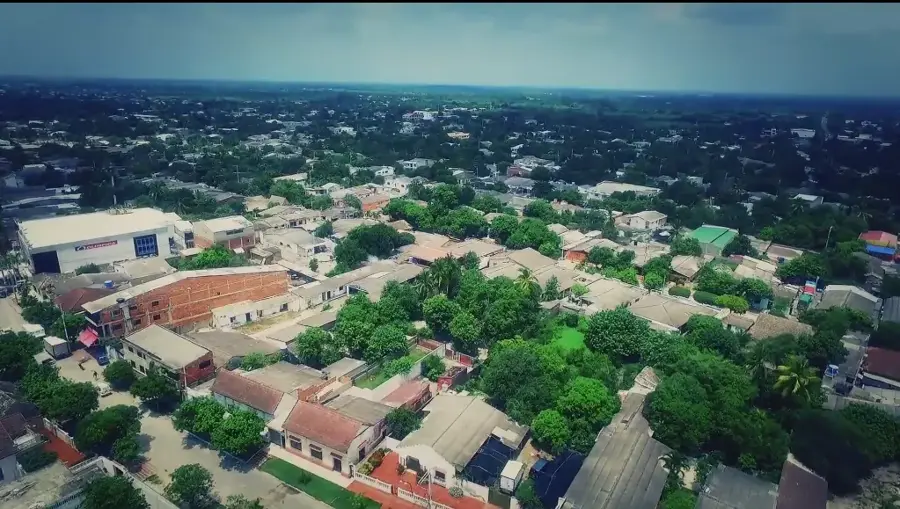
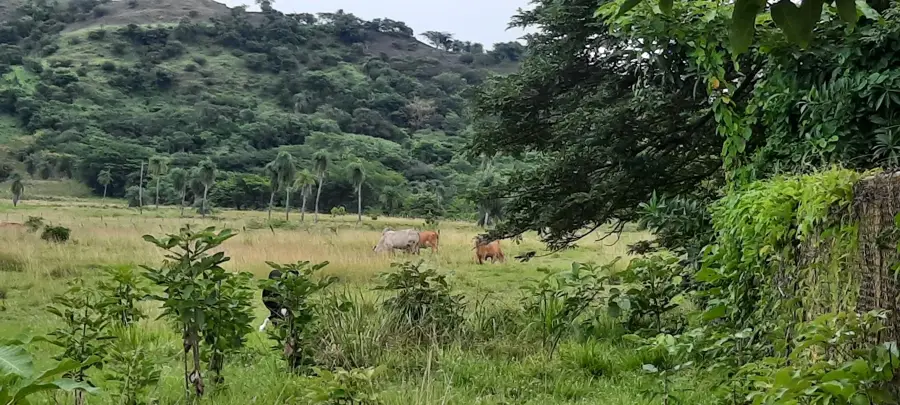
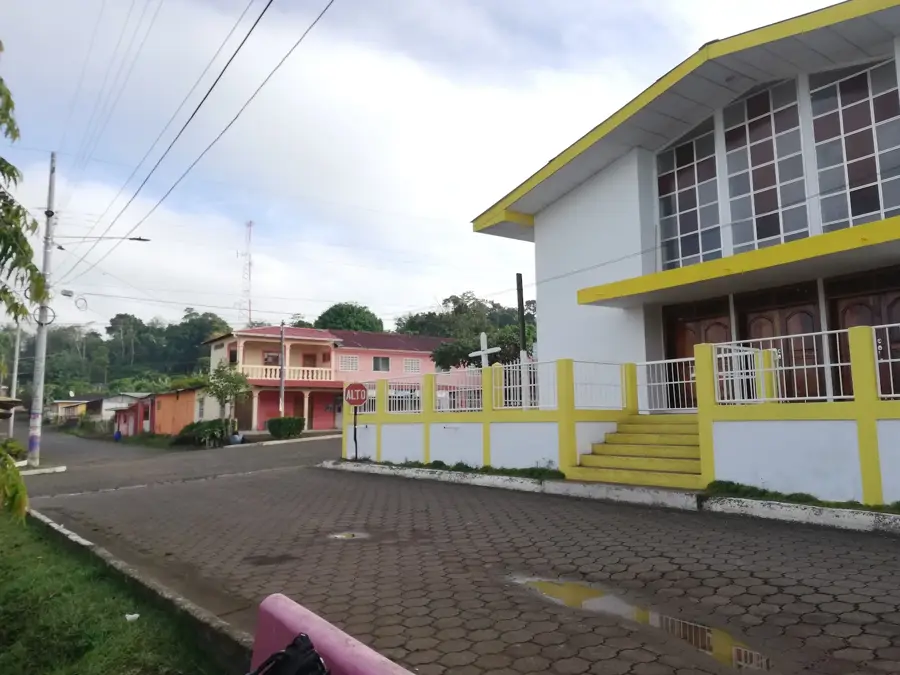
Juigalpa, the energetic capital of the Chontales Department, is strategically positioned in central Nicaragua, bridging the gap between the massive Lake Nicaragua and the rugged Amerrisque Mountains. Often referred to as the cattle ranching capital of the nation, Juigalpa is the economic engine of a region where livestock farming is not just an industry but a way of life. The city's name originates from the Nahuatl language, meaning "Place of Small Snails," a nod to the abundance of mollusks in local streams. Historically, the area was inhabited by the Chontal people, a fierce group that resisted early Spanish incursions, leaving behind a rich archaeological record. Today, this heritage is preserved in the Gregorio Aguilar Barea Archaeological Museum, which features a world-class collection of monolithic pre-Columbian statues carved from basalt. The urban center is characterized by its hilly terrain and the prominent Cathedral of Our Lady of the Assumption. Juigalpa is also home to the Thomas Belt Zoo, a major regional attraction and a center for environmental education. The city's cultural calendar is dominated by the August festivities honoring the Virgin of the Assumption, famous for some of the most bustling and traditional bullfights in Nicaragua. Unlike Spanish-style bullfights, these involve local riders attempting to stay atop bucking bulls in a display of raw skill and bravery. The economy has diversified recently, with the city serving as a major transit stop on the paved highway connecting Managua to the Caribbean port of Bluefields. The geography of the surrounding Sierra de Amerrisque gives some of the most striking landscapes in the country, with ancient volcanic plugs and dramatic cliffs that are increasingly popular with eco-tourists. Gastronomically, Juigalpa is synonymous with dairy; the region's cheeses and creams are staples across Nicaragua. With its combination of deep-rooted cowboy traditions, significant archaeological treasures, and role as a regional commercial hub, Juigalpa has a unique perspective on the rugged interior of the Nicaraguan heartland.
Explore on the map
How well do you know Nicaragua?
Find cities, landscapes and regions in 10 varied challenges on the interactive map.
Your journey, your memory
A postcard from Juigalpa
Turn your own photo into a personal postcard with a local stamp. Free and no sign-up required.
Create a postcard- Location: Nicaragua
- Highlights: Diocese of Juigalpa · Our Lady of the Assumption Cathedral, Juigalpa · Juigalpa, Chontales
- Nearby: San Francisco de Cuapa (13 km)
- Population: ~50.000 (2026)
Best time to visit & climate
The most pleasant time to visit is Jan, Feb, Dec.
| Jan | Feb | Mar | Apr | May | Jun | Jul | Aug | Sep | Oct | Nov | Dec | |
|---|---|---|---|---|---|---|---|---|---|---|---|---|
| Avg °C | 26 | 27 | 29 | 30 | 29 | 27 | 27 | 27 | 27 | 27 | 26 | 26 |
| Rain mm | 1 | 2 | 4 | 24 | 187 | 187 | 118 | 170 | 277 | 303 | 106 | 8 |
Geography
Facts
- Juigalpa is located at 12.11°N and 85.37°W.
- The city's motto is 'Juigalpa, Tierra de Caracolitos' (Land of Little Snails).
- It is the fifth-largest city in the interior of Nicaragua.
- The surrounding landscape is dominated by dry tropical forest and pastures.
- The local university is a branch of the UNAN-Managua.
- The Chontales statues in the museum date back to 800-1200 AD.
- A major dairy processing plant, PROLACSA, is a key employer in the region.
- The rainy season typically starts in late May and ends in October.
Explore nearby
Notable places around
Route planner — Car & Motorhome
Where do you start? We build the route here, with stops and country notes along the way.
© OpenStreetMap contributors · OpenRouteService
Sights in the town Juigalpa (3)
Frequently asked questions
What is Juigalpa?
Is there a museum?
When is the city festival?
How is the infrastructure?
Are there ATMs?
Juigalpa: where is it located?
Juigalpa: what is there to see?
Juigalpa: when is the best time to visit?
Juigalpa: why is it worth visiting?
Nearby cities
History & landmarks
Nature
More places