Bukk Mountain Bike Marathon
Annual mountain bike marathon held in August, running from Belapatfalva through the Bukk Mountains and drawing amateur and hobby riders.
PlizioGo
Look for local fish restaurants near the lake for freshly prepared trout.
Best experienced in the traditional inns (csárda) right in the center of the village.
A great quick snack, easily found at small food stands near the recreation areas.
Often sold directly by beekeepers living around the village.
Look for small workshops to find authentic souvenirs representing the Bükk Mountains.
A first-rate spot for a quiet stroll or a relaxed picnic by the water.
Sit on a bench near the old stone walls and soak in the historical silence.
Water temperature…
Annual mountain bike marathon held in August, running from Belapatfalva through the Bukk Mountains and drawing amateur and hobby riders.
Recurring town summer festival at the foot of Belko hill near the Cistercian abbey, with concerts, family programs and local specialties.
The city municipality launched a training program called "Digital Seniors" to help the elderly navigate the world of smart devices and the internet. The program enables retirees to learn the basics of online communication and digital service management.
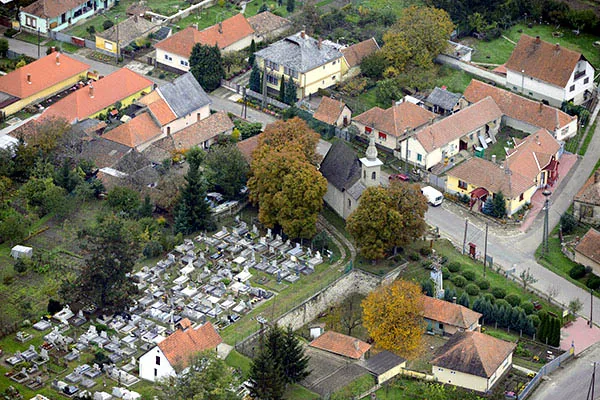
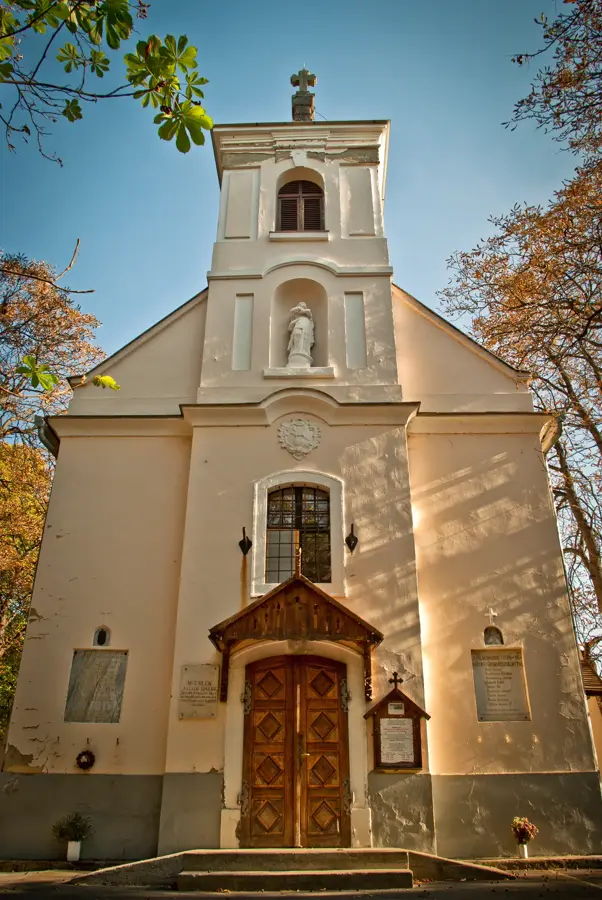
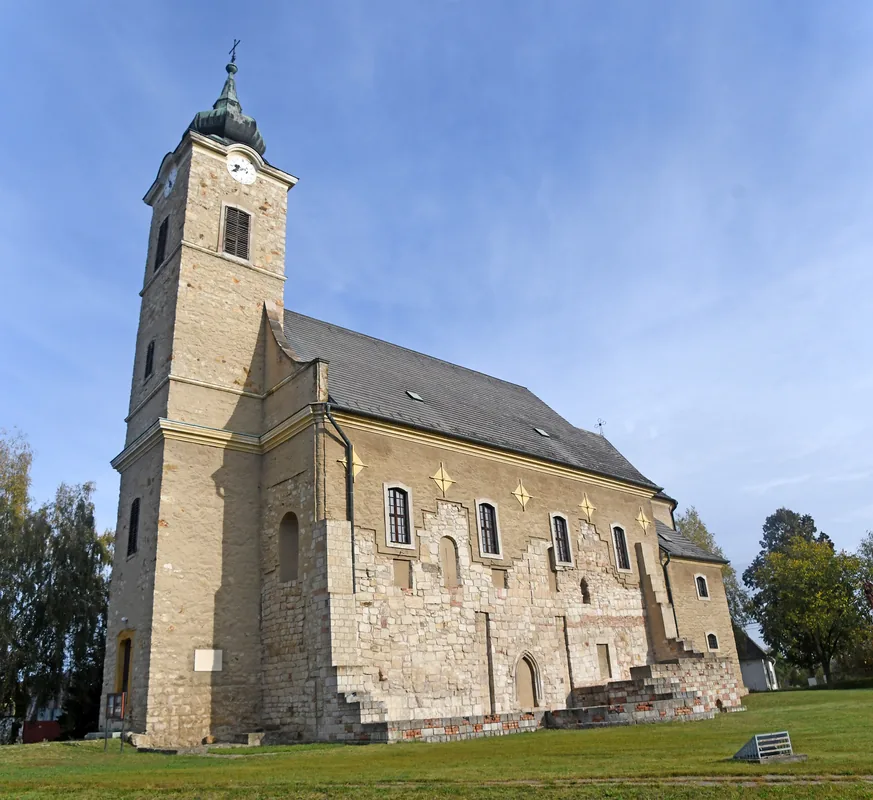
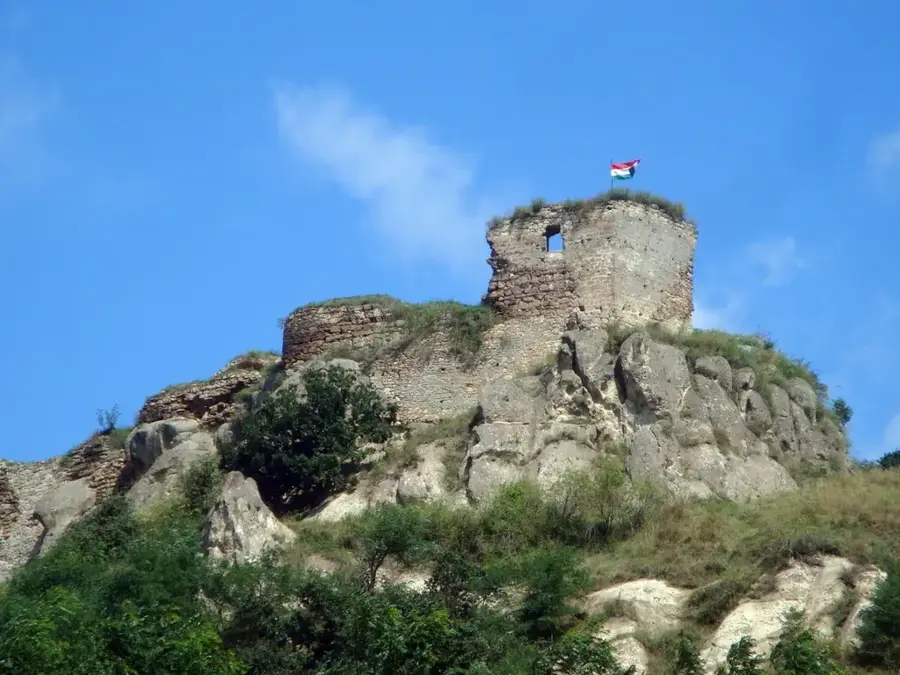
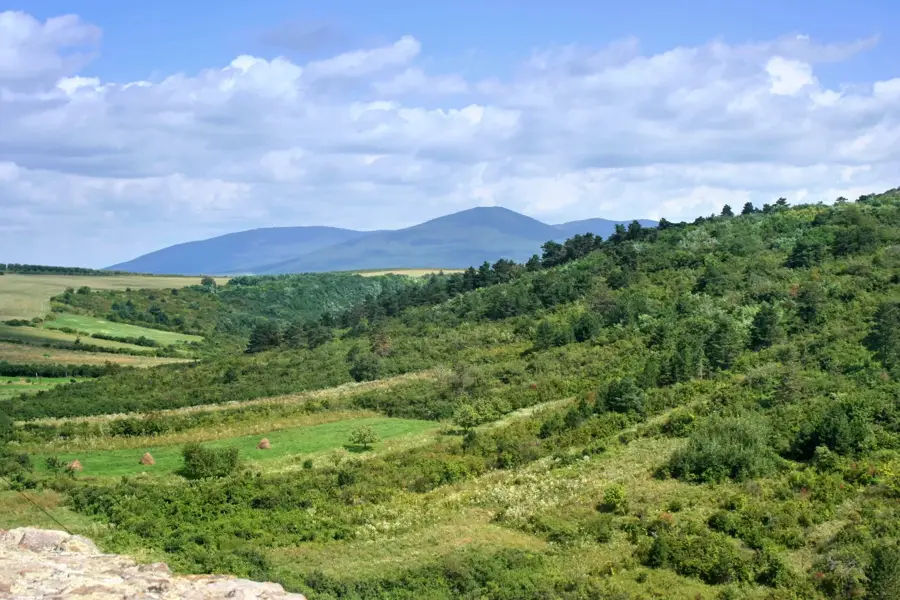
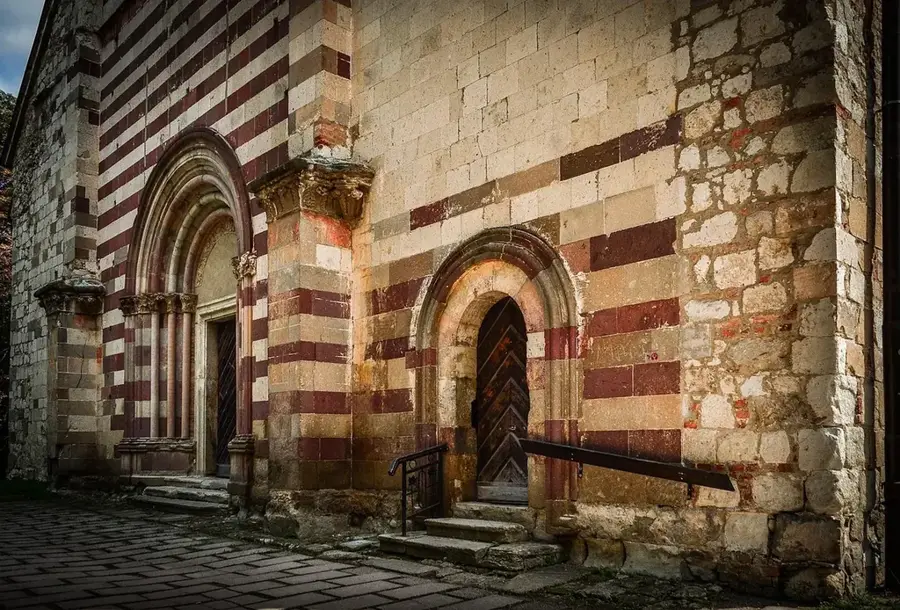
Bélapátfalva is a scenic town located on the western slopes of the Bükk Mountains, primarily known for its remarkable 13th-century Cistercian Abbey. Founded in 1232 by Bishop Kilit II of Eger, the monastery remains the only intact Romanesque Cistercian abbey church in modern-day Hungary. Its facade is distinguished by iconic alternating red brick and white stone stripes, along with a magnificent rose window above the main entrance. Towering behind the town is the Bél-kő mountain, a monumental limestone formation that features a geological study trail documenting the area's natural history and former quarrying activities. Historically, the town was a significant hub for the cement industry and fine stoneware production, which defined the local economy for generations. Today, Bélapátfalva is a center for cultural tourism and outdoor recreation, with the abbey serving as a prestigious venue for classical music concerts. Visitors also frequent the nearby Lak-völgy Lake, which provides a tranquil setting for fishing and relaxation amidst dense forests.
Explore on the map
Find cities, landscapes and regions in 10 varied challenges on the interactive map.
Your journey, your memory
Turn your own photo into a personal postcard with a local stamp. Free and no sign-up required.
Create a postcardThe most pleasant time to visit is Jun–Aug.
| Jan | Feb | Mar | Apr | May | Jun | Jul | Aug | Sep | Oct | Nov | Dec | |
|---|---|---|---|---|---|---|---|---|---|---|---|---|
| Avg °C | -3 | -1 | 4 | 11 | 16 | 20 | 22 | 22 | 16 | 10 | 4 | -1 |
| Rain mm | 38 | 40 | 41 | 42 | 73 | 79 | 83 | 62 | 55 | 54 | 47 | 45 |
See what it looks like near Bélapátfalva right now.
Belapatfalva: Eger · 0.3 km · Open webcam on Windy · Webcams provided by Windy.com
Notable places around
Where do you start? We build the route here, with stops and country notes along the way.
© OpenStreetMap contributors · OpenRouteService
Start your day with local history at the Folk Museum before ascending Calvary Hill for a peaceful moment. In the morning, discover the town's spiritual side at Mary's Spring, the impressive Cistercian Abbey, and the secluded Gilitka Chapel. The afternoon is dedicated to nature. Conquer the geologically fascinating Bél-kő Mountain and enjoy the breathtaking views. Conclude your day with a relaxing stroll around the picturesque Lak Valley Lake, where the gentle late afternoon light creates an idyllic atmosphere.
In the morning, the folk museum's indoor exhibits provide shelter from the rain. At noon, the thick walls of the Cistercian Abbey offer a dry and peaceful refuge. In the afternoon, the ascent to Bél-kő is mystic as clouds and rain wrap the cliffs. The day ends at Lak Valley Lake, watching the raindrops dance on the water's surface.
A frosty morning starts in the warm rooms of the folk museum. At noon, the abbey in the snowy landscape looks like a medieval postcard. In the afternoon, the hike to Bél-kő is timed carefully before the early sunset. The evening ends by the frozen Lak Valley Lake, enjoying the crisp winter air.
Your bike tour starts with a peaceful ride around Lak Valley Lake. Then, pedal into the town center to immerse yourself in history at the Folk Museum. In the morning, your route continues to Mary's Spring and the magnificent Cistercian Abbey. Afterwards, discover a piece of industrial history at the former Cement Works. The highlight of the afternoon is arriving at the foot of Bél-kő mountain. Park your bike and take a hike to the summit to enjoy the spectacular view before heading back.
The day begins at a rainy Lak Valley Lake with glistening asphalt. Midday, the folk museum offers a dry break. Then we cycle to the Abbey, being careful of splashing water. In the afternoon, we explore the cement works ruins, finishing at the misty foot of Bél-kő.
A biting cold start at Lak Valley Lake requires warm gloves. Midday, we warm up briefly at the folk museum. The ride to the Abbey through the winter forest is magical, but watch out for black ice. In the afternoon, we visit the cement works before finishing at Bél-kő.
Start your day relaxed at Lak Valley Lake. After a walk, drive to the historical heart of the region, the cluster around the Cistercian Abbey. Park your car and explore on foot the monumental abbey and the nearby former cement works, which offers a glimpse into the industrial past. The afternoon is reserved for the biggest adventure: a drive to the starting point of the hiking trail to Bél-kő Mountain. From there, hike to the summit and be rewarded with an unforgettable view.
A rainy morning at Lak Valley Lake, with the car providing perfect shelter. At noon, we drive to the Cistercian Abbey, where the parking is just steps from the entrance. In the afternoon, we visit the old cement works and the foot of Bél-kő, with wipers working constantly. A comfortable tour despite the rain.
A frosty day at Lak Valley Lake, where a pre-heated car is a blessing. At noon, we drive through the snowy Bükk landscape to the Abbey, which looks picturesque. In the afternoon, we visit the cement works and Bél-kő parking, enjoying the winter sun before the early darkness.
A museum showcasing the industrial development of the town, focusing on the local ceramic industry.