Plizio Visual Lab
Habitation des Laurier-Bas
Weather…
Water temperature…
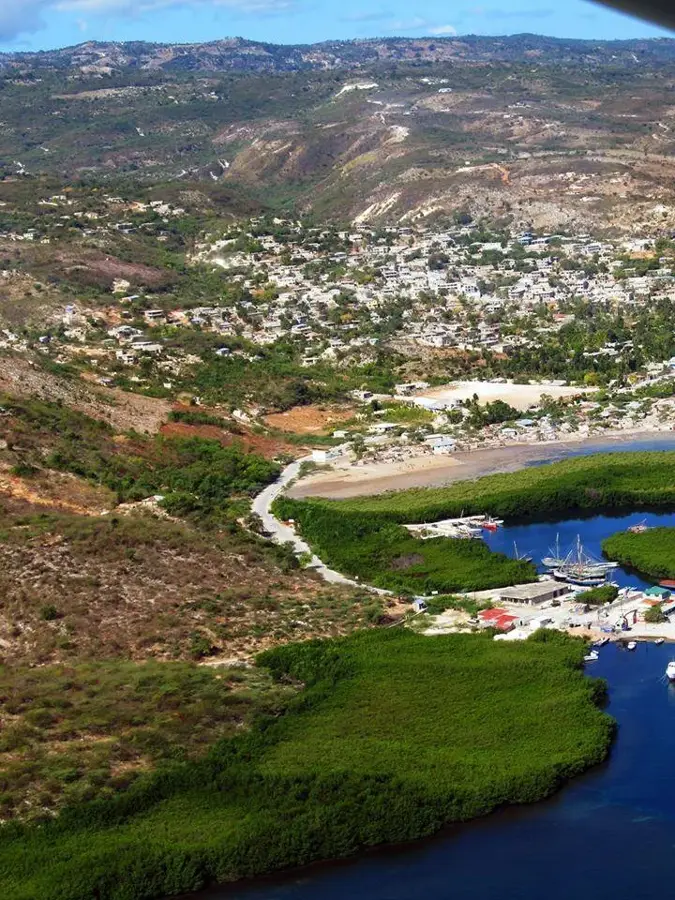
Habitation des Laurier-Bas was a prosperous plantation in the southern region of Haiti during the French colonial period. It specialized in the cultivation of high-quality export goods such as indigo and later coffee, favored by the mild climate of the hilly landscape. The facility was known for its solid architecture, which included both functional economic buildings and a representative manor house. During the revolutionary turmoil of the late 18th century, the plantation became a site of significant social upheaval as the enslaved population claimed their rights and challenged the colonial order. The history of this site is closely linked to the struggles in the south of the country, where various factions vied for influence in the young state. Today, the ruins of Habitation des Laurier-Bas are a major draw for historians, as they document the diversity of the plantation economy outside the dominant North and preserve the region's cultural heritage.
Explore on the map
How well do you know Haiti?
Find cities, landscapes and regions in 10 varied challenges on the interactive map.
Your journey, your memory
A postcard from Habitation des Laurier-Bas
Turn your own photo into a personal postcard with a local stamp. Free and no sign-up required.
Create a postcard- Location: Haiti
- Nearby: Gonaïves (58 km)
Best time to visit & climate
The most pleasant time to visit is Jan–Mar.
| Jan | Feb | Mar | Apr | May | Jun | Jul | Aug | Sep | Oct | Nov | Dec | |
|---|---|---|---|---|---|---|---|---|---|---|---|---|
| Avg °C | 26 | 26 | 26 | 27 | 28 | 29 | 29 | 29 | 29 | 28 | 27 | 26 |
| Rain mm | 35 | 20 | 26 | 31 | 70 | 58 | 48 | 68 | 81 | 105 | 74 | 37 |
📋 Practical info
Geography
Facts
- The habitation was first documented in 1772.
- It featured its own indigo distillery on the grounds.
- In 1793, the plantation workers joined the uprising.
- The main facade of the manor house faced south towards the sea.
- After 1806, the land belonged to the territory of Pétion's Republic.
- Several well systems from the 18th century are still functional.
Explore nearby
Notable places around

Route planner — Car & Motorhome
Where do you start? We build the route here, with stops and country notes along the way.
© OpenStreetMap contributors · OpenRouteService
Sights nearby
Frequently asked questions
Where does the name Laurier-Bas come from?
Is the site open year-round?
Can you buy souvenirs there?
What language is used for tours?
Are there archaeological excavations?
Habitation des Laurier-Bas: where is it located?
Habitation des Laurier-Bas: when is the best time to visit?
Habitation des Laurier-Bas: why is it worth visiting?

Nearby cities
History & landmarks
Nature

More places