Plizio Visual Lab

Werra River
Plizio editorial teamData Sources
River
—°6
Werra River (Germany)

Weather…

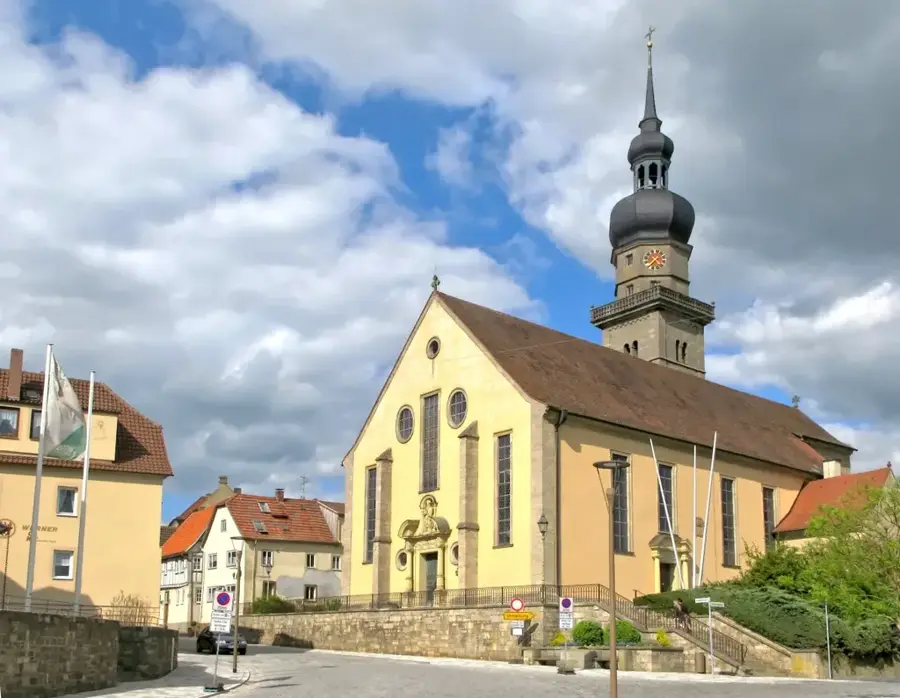
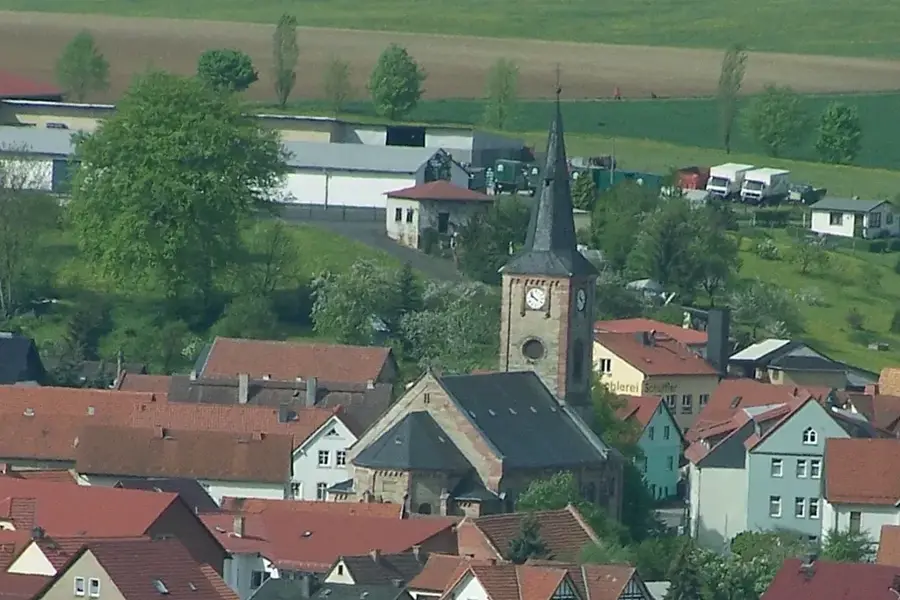
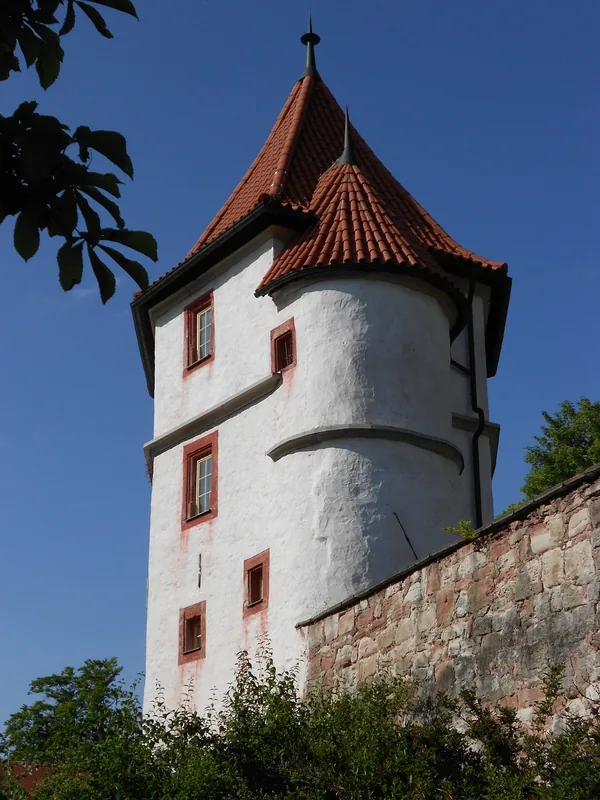
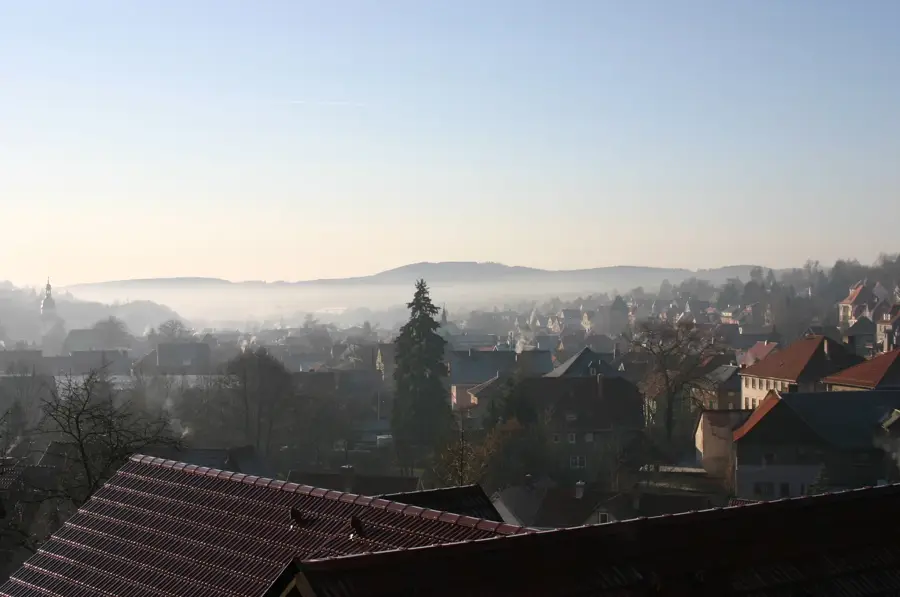
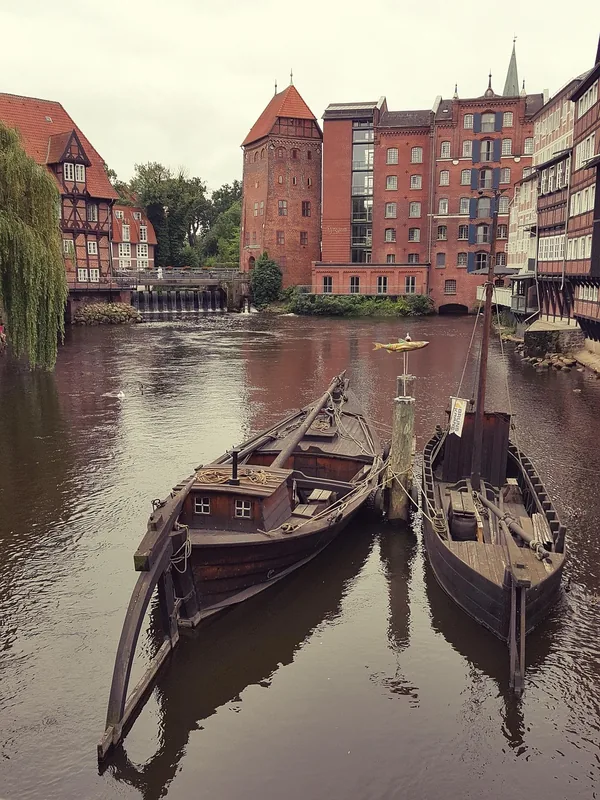
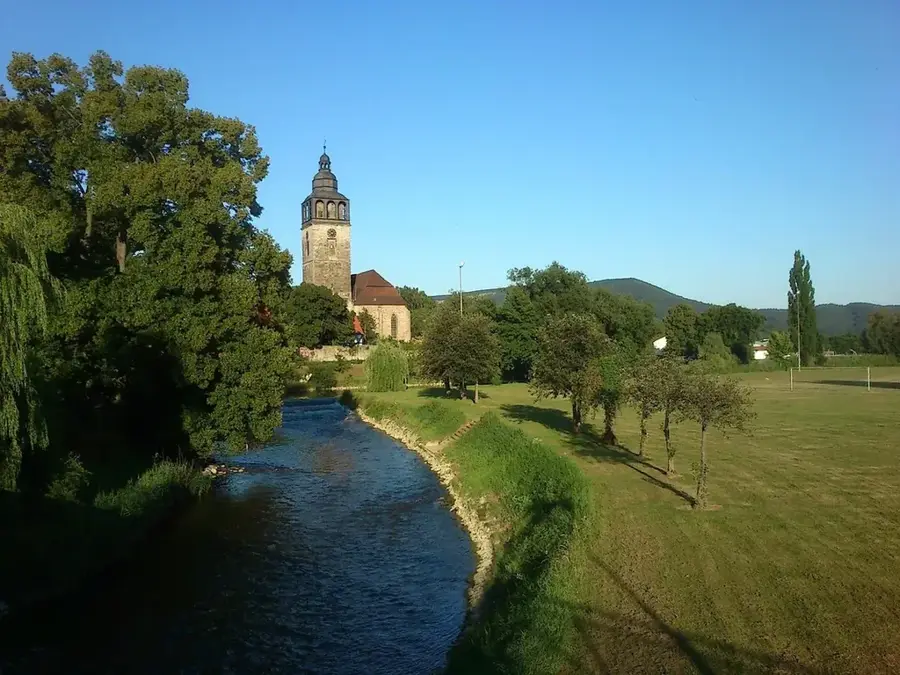
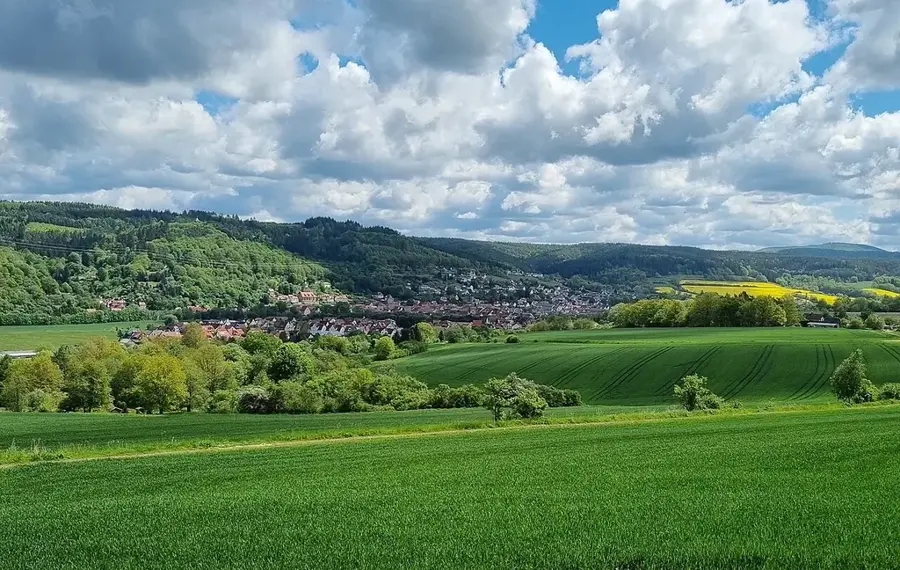
The Werra is a 299-kilometer-long river in Germany that rises in the Thuringian Forest and winds through Thuringia, Hesse, and Lower Saxony. In Hann. Münden, it joins the Fulda to form the source of the Weser River. Its course is defined by a diverse low mountain landscape and numerous cultural landmarks, such as the castle city of Eisenach and the residence city of Meiningen. A unique feature of the Werra is its historical significance as part of the former inner-German border, now preserved as the Green Belt along its banks. Geologically, the Werra Valley is known for potash salt deposits, which ecologically impacted the river for decades but are now more strictly regulated. For tourists, the Werra Valley Cycle Path and opportunities for canoeing provide convenient conditions to explore the untouched nature and medieval timber-framed towns along the riverbanks.

Best time to visit & climate

The most pleasant time to visit is Jun–Aug.

JanFebMarAprMayJunJulAugSepOctNovDec
Avg °C-2-1381216191814830
Rain mm634852407665826957566468

📋 Practical info

🧭
Getting there
The Werra is excellently accessed via the Werratal cycle path, which follows the river for large sections. Drivers can easily reach the riverbanks from the adjoining small towns and quaint villages scattered across southern Thuringia.
📅
Best season
Spring and summer are by far the good seasons to visit the Werra Valley. During this time, nature blooms, and the weather is perfectly suited for extensive cycling tours or highly relaxing canoe trips down the river.
⛰️
Terrain & paths
The river winds its way through a low mountain landscape featuring gentle rolling hills, forested slopes, and wide floodplains. The bankside paths are generally well-paved, asphalted or finely graveled, making them easy to walk.
🎒
What to bring
For cycling tours or casual hikes, comfortable, weather-resistant clothing and light footwear will suffice. Anyone planning a canoe trip on the Werra should definitely pack a change of clothes and adequate sun protection.
🅿️
Parking
Along the river course and especially in the neighboring towns, there are numerous parking spaces for hikers and cyclists. Many starting points for canoe tours also offer designated, often completely free parking areas.
⚠️
Safety
The cycling and hiking trails are considered highly safe and are very well signposted. On the water, one should respect the natural currents and avoid weirs; life jackets are typically standard and recommended for canoe trips.
⏱️
Time needed
Visitors typically spend anywhere from a few hours for a short hike up to several days cycling the Werratal path. A full day trip is absolutely well-suited to thoroughly enjoy the landscape and the quaint adjoining villages in a relaxed manner.

Geography

Length
292 km
Coordinates
50.55000, 10.35000

Facts

  • The Werra has two sources: the Saar source and the Werra source on the Eselsberg.
  • The confluence with the Fulda is marked by the famous 'Weserstein' stone.
  • The Werra drains a catchment area of approximately 5,497 km².
  • The Werra Valley Cycle Path is over 300 kilometers long.
  • The Werra potash district is one of the largest potash mining areas in the world.
  • Historically, the Werra was used for rafting timber from the Thuringian Forest.

Explore nearby

Notable places around
Route planner — Car & Motorhome

Where do you start? We build the route here, with stops and country notes along the way.

Vehicle
Only stops with (optional):

© OpenStreetMap contributors · OpenRouteService

Sights in the town Werra River (6)

Hügelgräberfeld Eichig🏺 historical

An archaeological site featuring burial mounds near the Werra River.

Neuberg📍 landmark

Neuberg on the Werra River in Thuringia is a hill near the river.

Dippersberg📍 landmark

A mountain peak in the Werra valley, popular among hikers for its views.

Dornkopf📍 landmark

A mountain peak along the Werra, shaping the local landscape.

Henriettenplatz🌿 nature

A viewpoint along the Werra, offering wide views over the valley.

Kreuzberghäuschen🌿 nature

Kreuzberghäuschen: a shelter hut on the Kreuzberg hill in the Thuringian Forest.

Sights nearby

Frequently asked questions

Where does the Werra river rise?
The Werra has two source streams in the Thuringian Forest near Fehrenbach and Siegmundsburg. Both springs are located at about 800 meters elevation.
Is the Werra region suitable for cyclists?
Yes, the Werratal-Radweg runs over 300 kilometers from the sources to the mouth in Hann. Münden and is considered one of Germany's most scenic cycle paths.
What activities can be done on the river?
The Werra is very popular for water touring by canoe or kayak. The gentle current makes the river well-suited for families and beginners.
Which large river does the Werra flow into?
The Werra joins the Fulda in Hann. Münden to form the Weser river. A famous local saying goes: 'Where Werra and Fulda kiss each other...'.
What well-known places are located along the Werra?
Well-known towns along the river include Meiningen, Bad Salzungen, Eisenach (nearby), and Eschwege, leading up to the destination of Hann. Münden.
Werra River: where is it located?
Werra River is located in Thuringia, Germany.
Werra River: what is there to see?
Highlights include Hügelgräberfeld Eichig, Neuberg, Dippersberg.
Werra River: when is the best time to visit?
The most pleasant time to visit is Jun, Aug.
Werra River: why is it worth visiting?

The Werra is a 299-kilometer-long river in Germany that rises in the Thuringian Forest and winds through Thuringia, Hesse, and Lower Saxony.
View on map → The Top 50 Attractions → OpenStreetMap →
Europe
Explore with Plizio Discover more places in Europe
More places in Germany →

Nearby cities