Plizio Visual Lab
Harz National Park (Saxony-Anhalt)
Weather…
Water temperature…
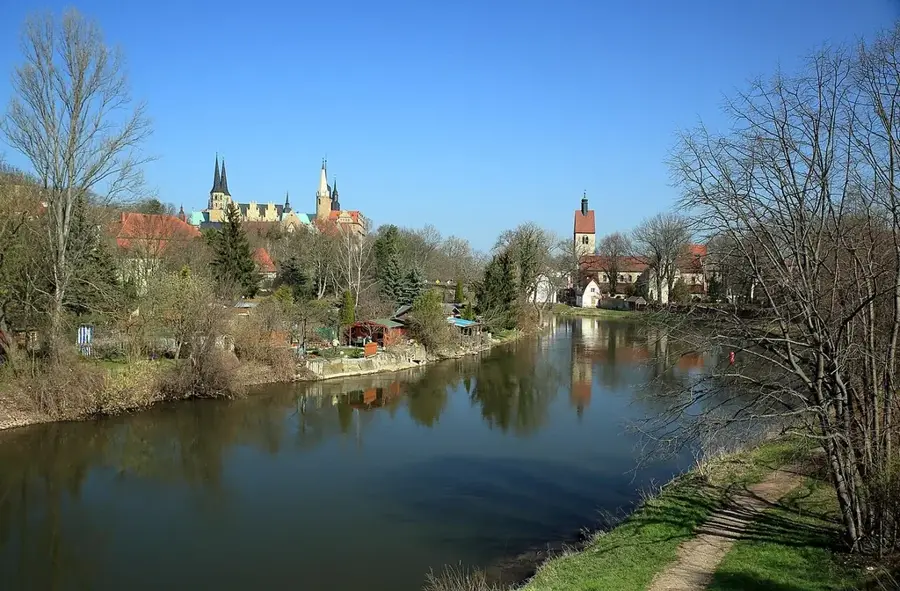
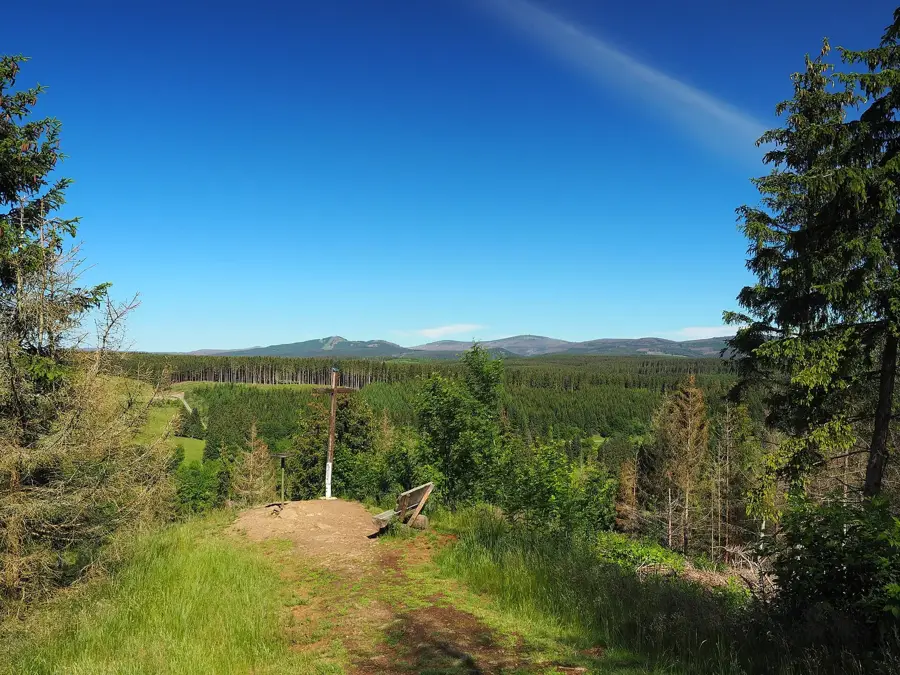
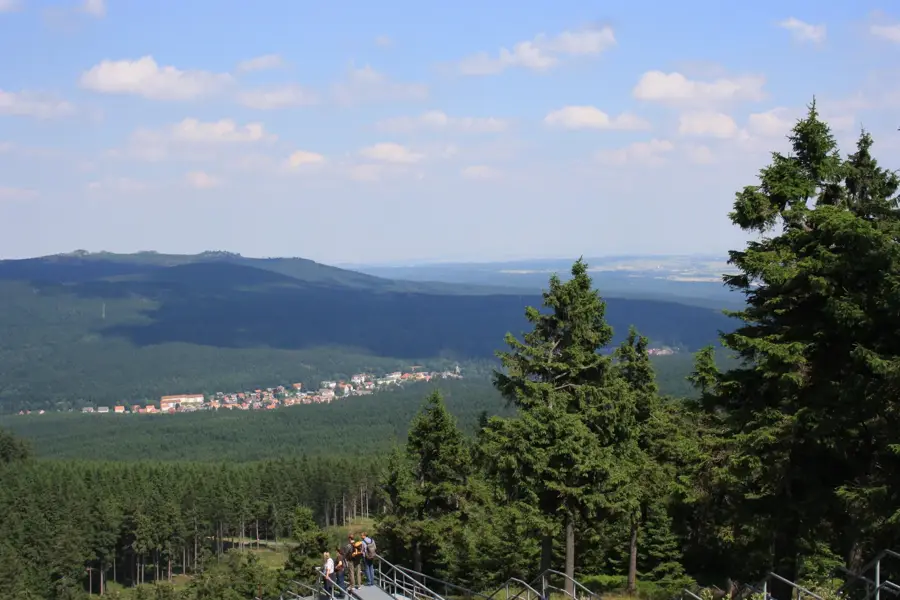
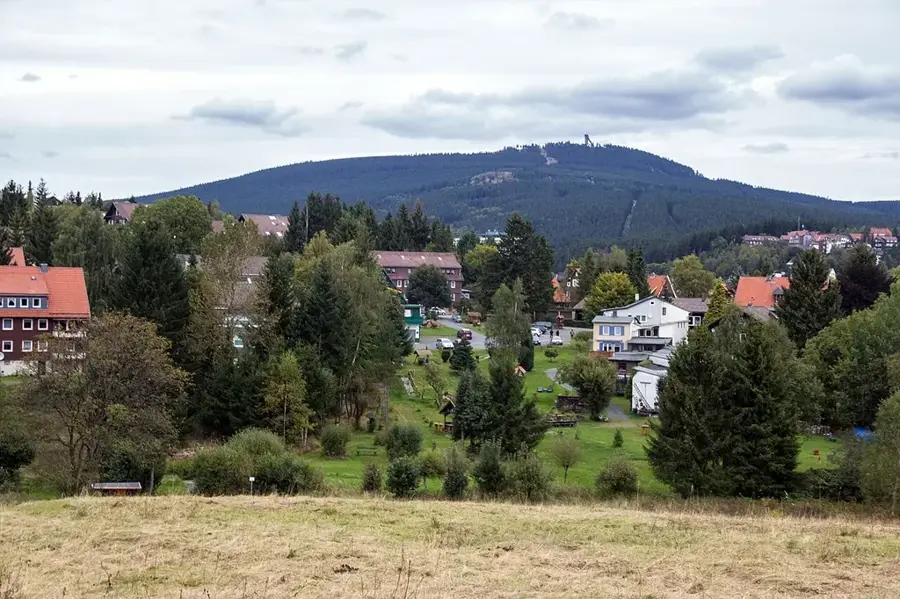
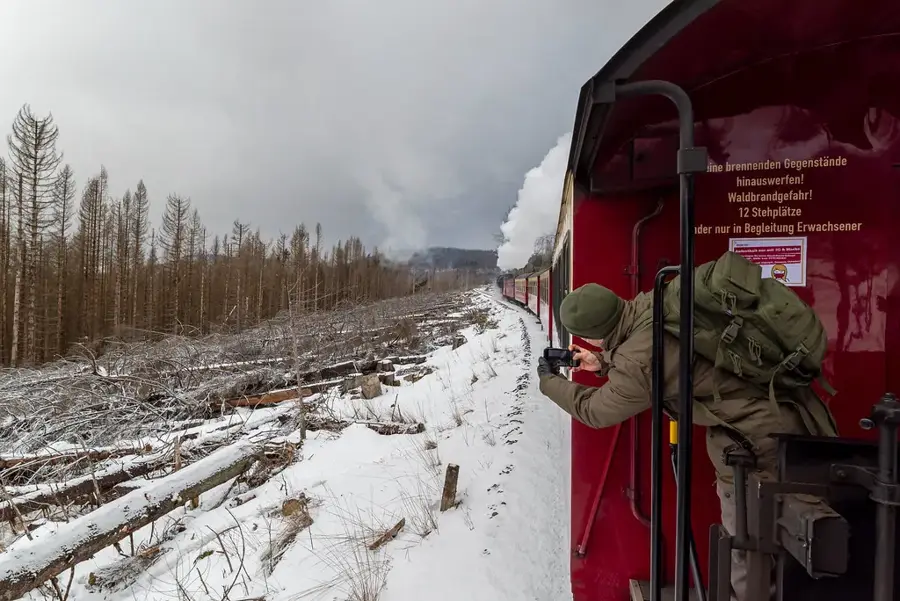
The Harz National Park is one of the largest forest national parks in Germany, spanning the states of Saxony-Anhalt and Lower Saxony. Covering an area of approximately 247 square kilometers, it protects the unique low mountain landscape surrounding the Brocken peak. The park is characterized by dense spruce and beech forests, bizarre rock formations, bogs, and deep valleys carved by mountain streams. A core philosophy of the park is 'to let nature be nature,' allowing the ecosystem to develop freely without human intervention, leading to the emergence of a new wilderness. One of the park's most successful initiatives is the lynx reintroduction project, which has seen this elusive predator return to the region. Visitors can explore the park via an extensive network of hiking trails, including the famous Harz Witches' Trail (Harzer Hexenstieg). Information centers, such as the National Park House in Ilsenburg, provide insights into the ecological processes and the importance of conservation in the area.
Explore on the map
How well do you know Germany?
Find cities, landscapes and regions in 10 varied challenges on the interactive map.
Your journey, your memory
A postcard from Harz National Park (Saxony-Anhalt)
Turn your own photo into a personal postcard with a local stamp. Free and no sign-up required.
Create a postcard- Location: Saxony-Anhalt, Germany
- Highlights: Kapitelsberg · Die Klippe · Kurpark
- Nearby: Oberharz am Brocken (6 km)
Best time to visit & climate
The most pleasant time to visit is Jun–Aug.
| Jan | Feb | Mar | Apr | May | Jun | Jul | Aug | Sep | Oct | Nov | Dec | |
|---|---|---|---|---|---|---|---|---|---|---|---|---|
| Avg °C | -1 | 0 | 3 | 8 | 13 | 17 | 19 | 19 | 14 | 9 | 4 | 0 |
| Rain mm | 47 | 33 | 42 | 35 | 65 | 56 | 76 | 60 | 54 | 47 | 50 | 50 |
📋 Practical info
Geography
Facts
- Approximately 95 percent of the national park's total area is covered by forest.
- The park was established in 2006 through the merger of two pre-existing parks.
- The park provides a habitat for rare species like the wildcat and the black stork.
- It is the first cross-border national park in Germany, linking two federal states.
- The annual precipitation in the park is among the highest recorded in Germany.
- The lynx reintroduction program began in 2000 and is considered a major success.
Explore nearby
Notable places around
Route planner — Car & Motorhome
Where do you start? We build the route here, with stops and country notes along the way.
© OpenStreetMap contributors · OpenRouteService
Sights in the town Harz National Park (Saxony-Anhalt) (9)
Historische Wasserräder
Two historic water wheels of the former Tanner Hütte, evidence of iron smelting.
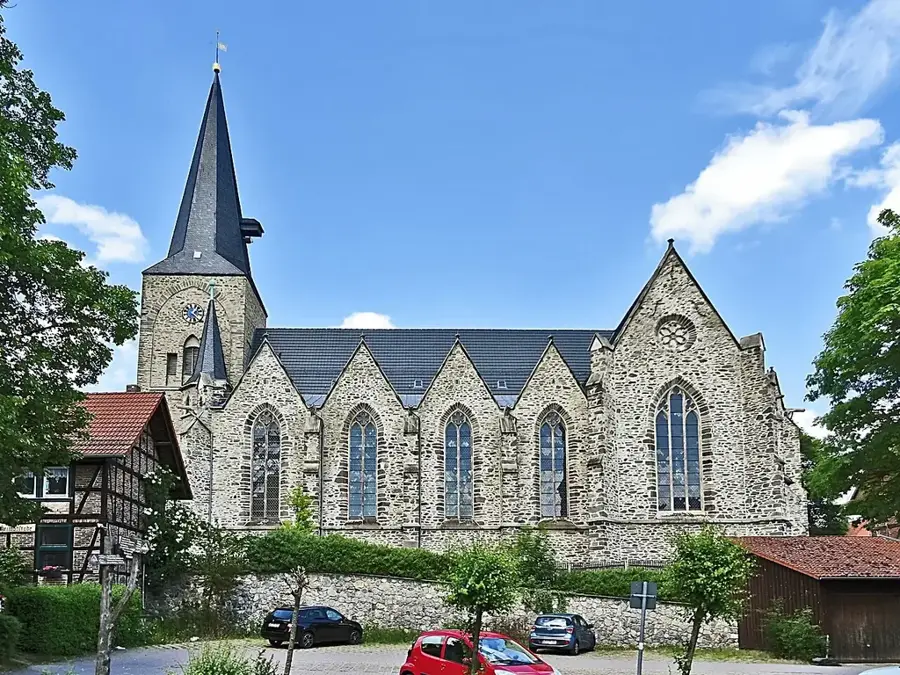
Dorfkirche Tanne
Church in the village of Tanne, a simple building with historical character.
Harzer Bachtäler
Nature reserve in the Harz, characterized by streams, forests, and species-rich valleys.
Ruine Trageburg
Castle ruins in the Harz, remains of a medieval hilltop castle.
Druidenstein
Rock formation in the Harz, surrounded by legends and myths.
Sights nearby
Frequently asked questions
Which animals can be seen in Harz National Park?
Are there guided hikes with rangers?
Is camping allowed in the national park?
What is the Harzer Hexenstieg?
Do you have to stay on the paths?
Harz National Park (Saxony-Anhalt): where is it located?
Harz National Park (Saxony-Anhalt): what is there to see?
Harz National Park (Saxony-Anhalt): when is the best time to visit?
Harz National Park (Saxony-Anhalt): why is it worth visiting?
Nearby cities