Wittenberg Reformation Festival
Annual festival around 31 October commemorating Luther's posting of the theses in 1517, with a market, program and events in Martin Luther's town.
Plizio Visual Lab
A dark, spicy bread available at the traditional bakeries in the historic center.
A local craft beer, best enjoyed at the Brauhaus Wittenberg located in the Beyerhof courtyard.
A traditional local cake served in several small cafes along the main pedestrian street.
Explore these historic courtyards for local handicrafts, art prints, and small artist studios.
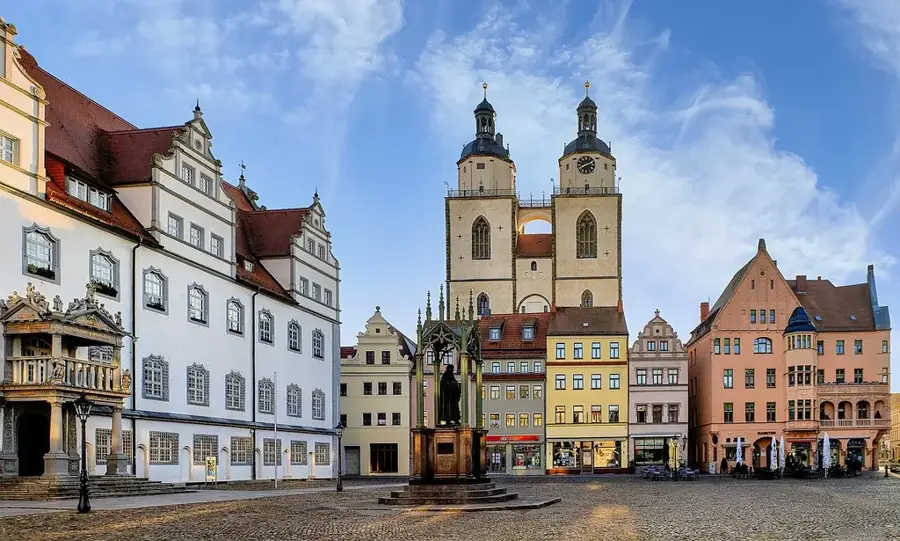
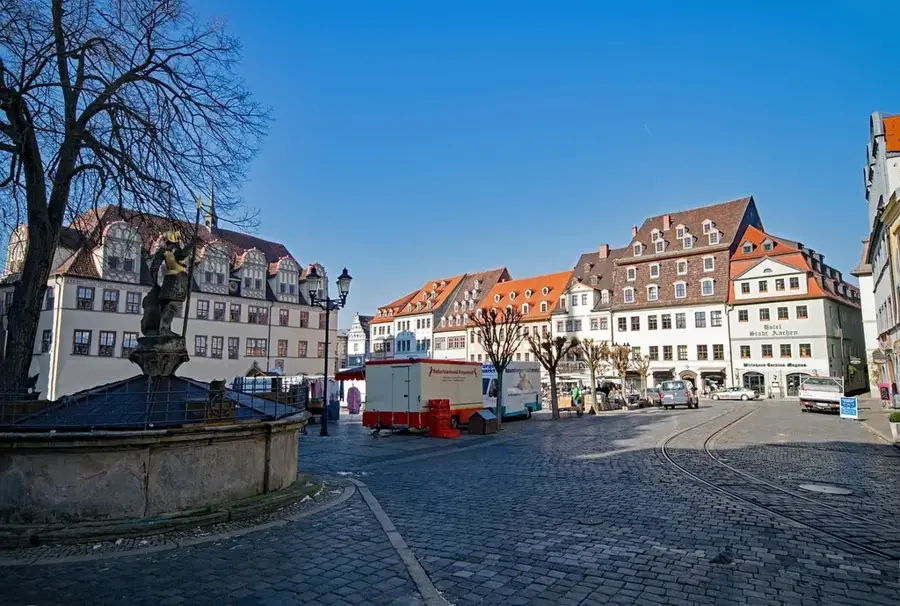
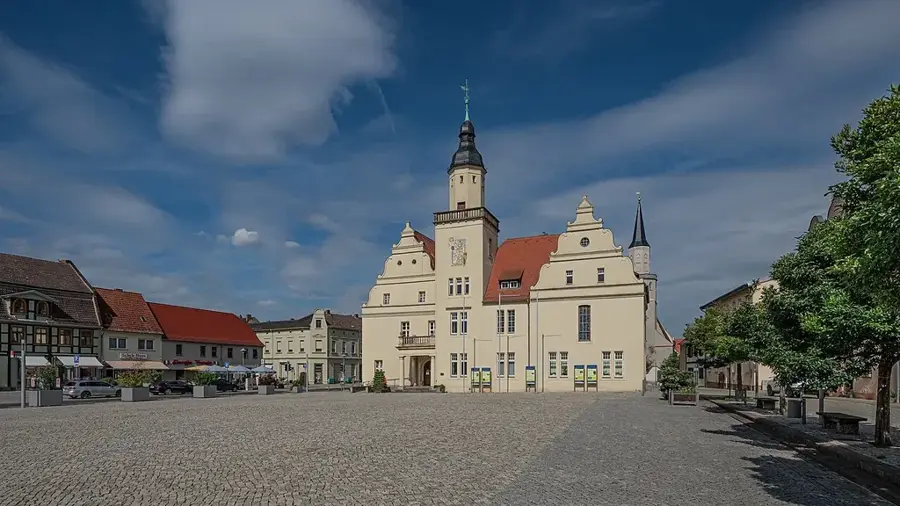
The marketplace in front of the town hall often hosts vendors selling regional food and crafts.
The vast floodplains along the river are the well-suited spot for peace and long walks in nature.
A green oasis right by the historic city walls, good for a quiet break between museum visits.
Water temperature…
Annual festival around 31 October commemorating Luther's posting of the theses in 1517, with a market, program and events in Martin Luther's town.
Historic city festival held annually on the weekend around 13 June, re-enacting Martin Luther's 1525 marriage to Katharina von Bora; the old town becomes a festival mile with markets, a parade and a stage program in 16th-century style.
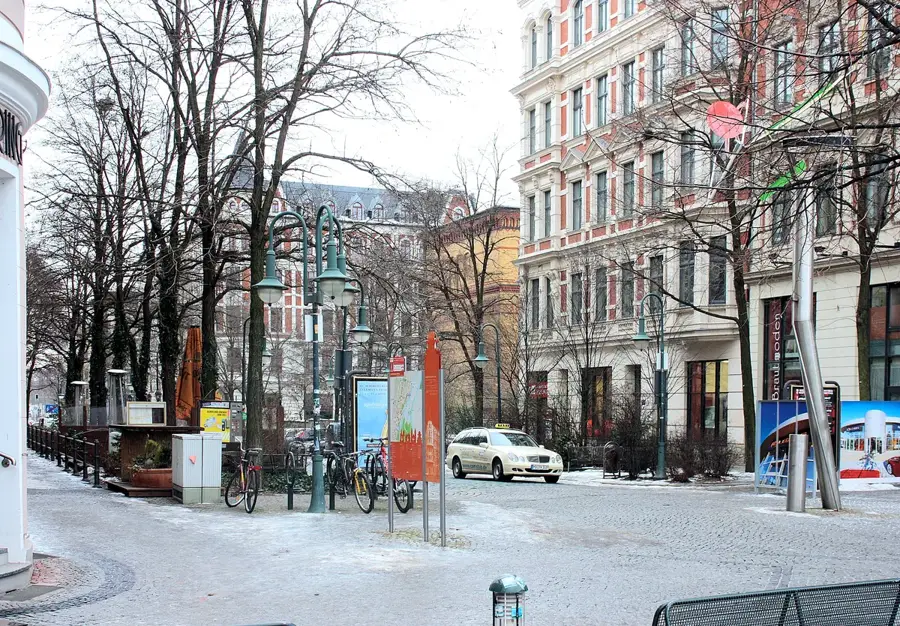
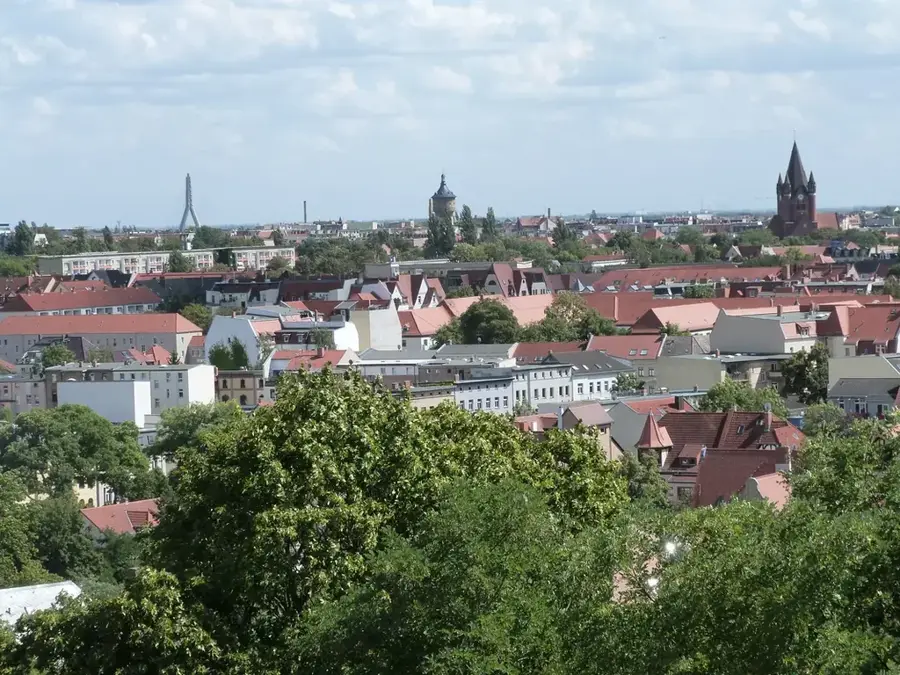
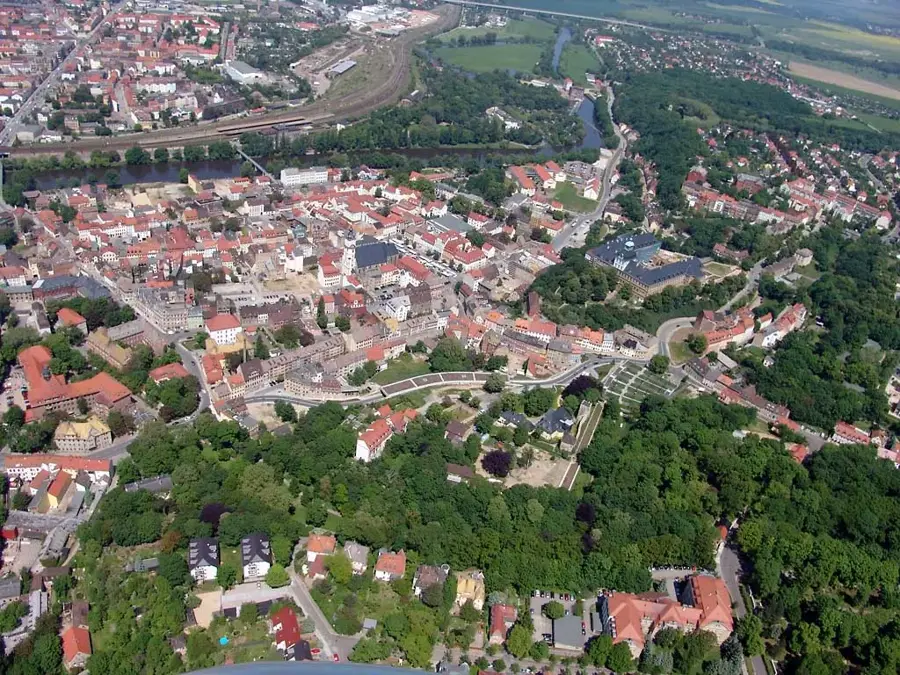
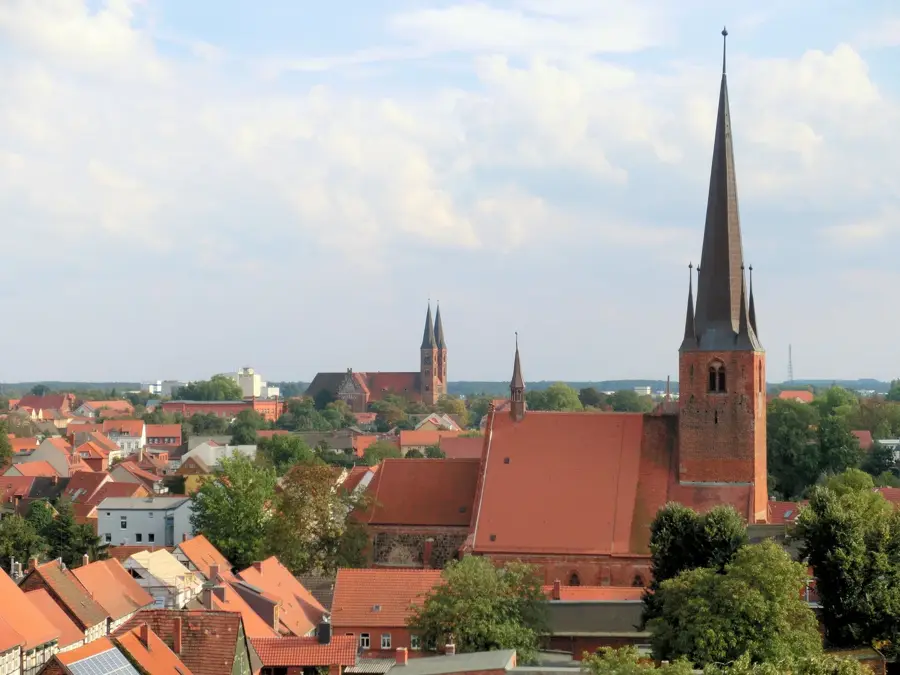
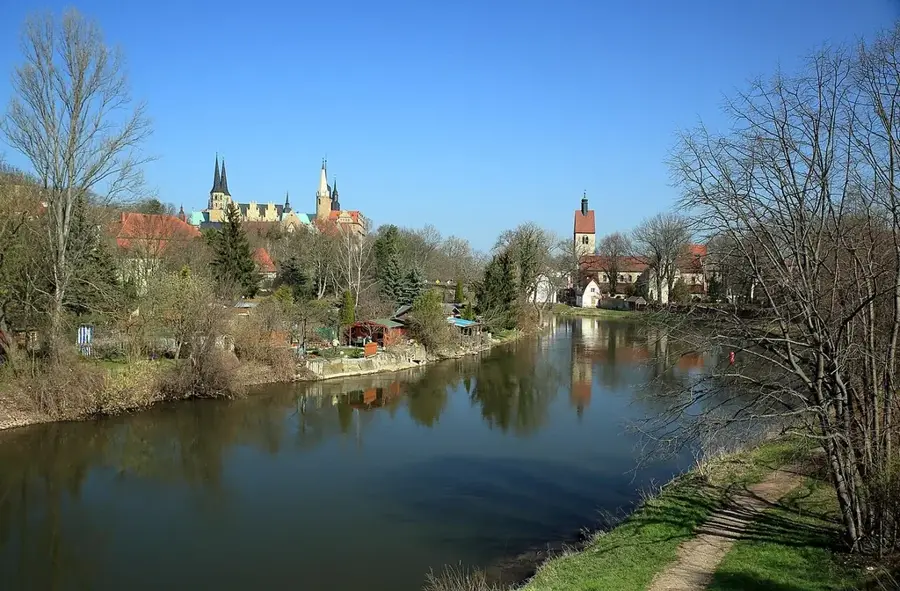
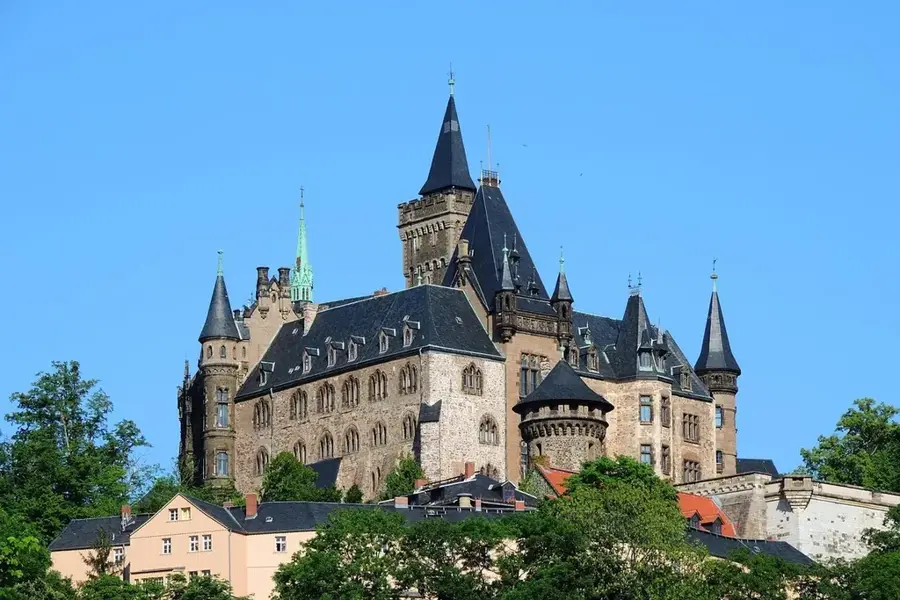
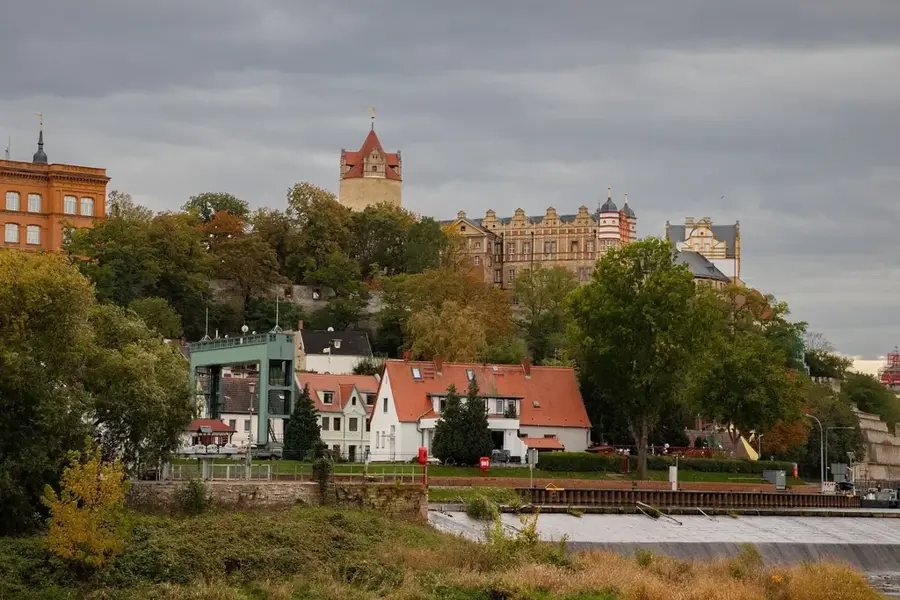
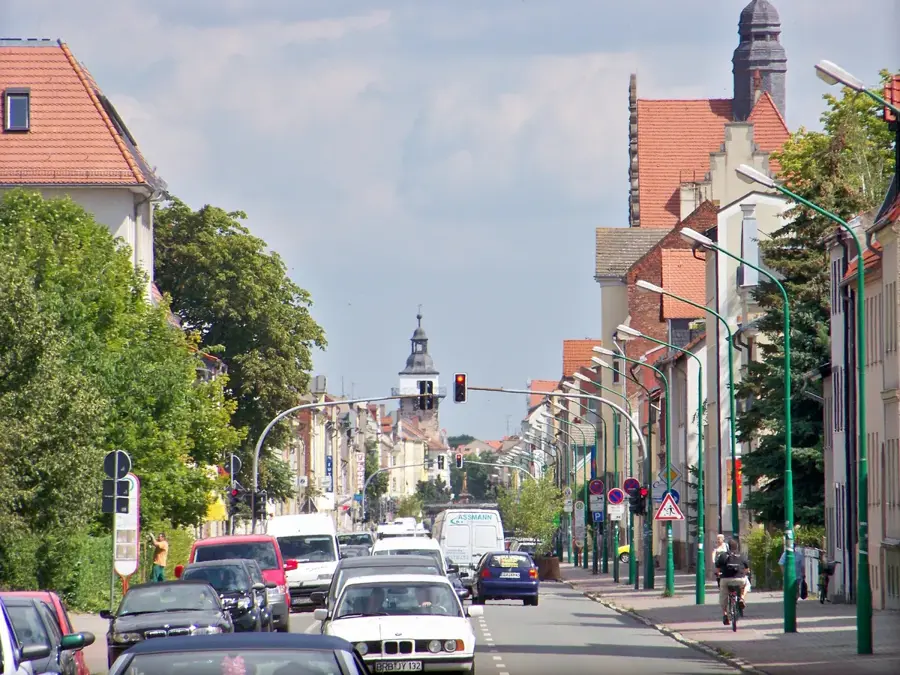
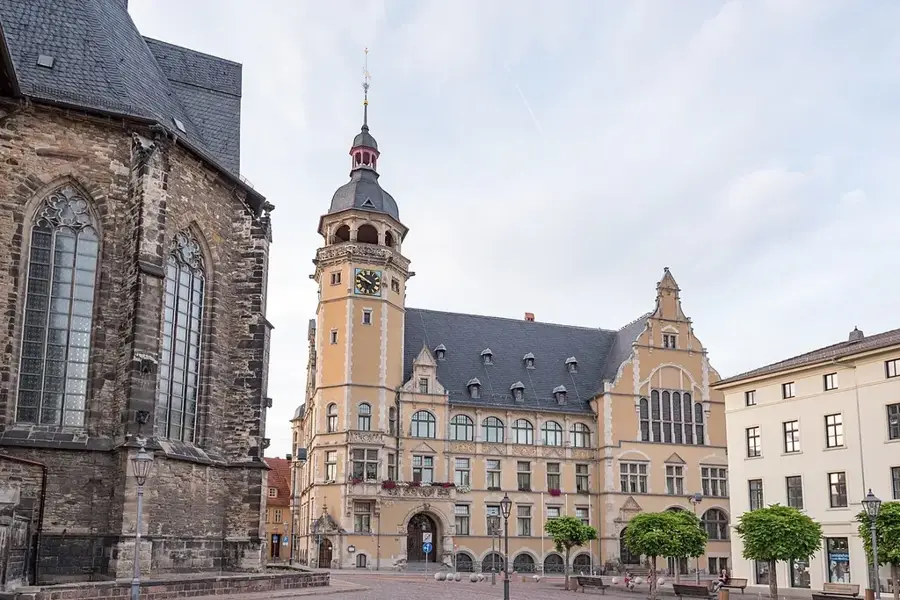
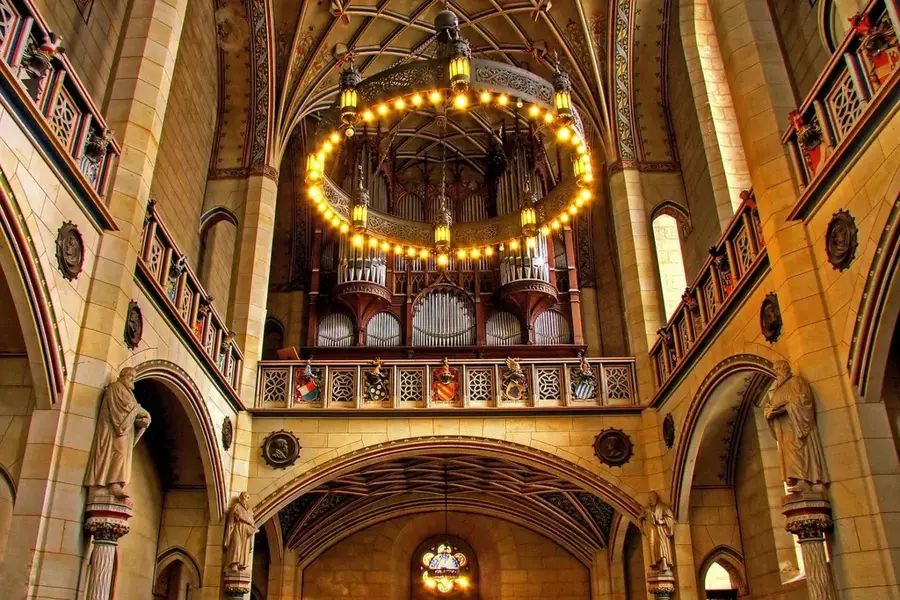
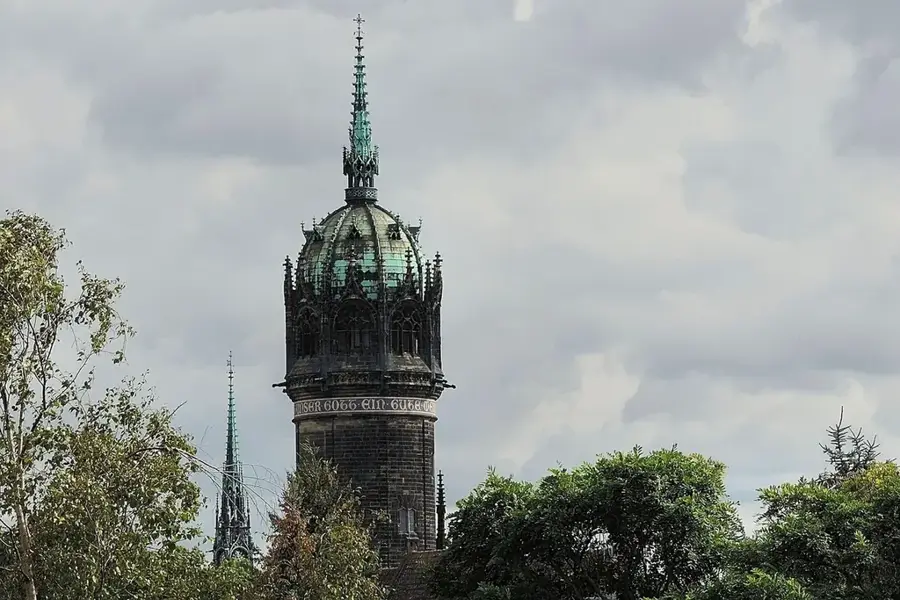
Globally recognized as the City of Luther, Wittenberg is inextricably linked to the history of the Reformation and one of the most profound turning points in European history. It was here, on the wooden doors of the imposing Castle Church (Schlosskirche) in 1517, that Martin Luther famously nailed his 95 Theses. Today, the portal features bronze commemorative doors and serves as a major pilgrimage site for history enthusiasts from around the world. The entire historic city center proudly holds UNESCO World Heritage status. An absolute must-visit is the Lutherhaus; functioning as the world's largest museum dedicated to the history of the Reformation, it provides fascinating insights into the reformer's daily life and intensive theological work. Just a short walk away stands the St. Marien Town Church, where Luther preached countless sermons and where visitors can admire the famous Reformation altar painted by Lucas Cranach the Elder. Beyond its heavy historical significance, Wittenberg charms visitors with a lovingly restored old town, complete with small, photogenic water channels running through the streets. Modern cafes and inviting historical courtyards make it a delight to explore.
Explore on the map
Find cities, landscapes and regions in 10 varied challenges on the interactive map.
Your journey, your memory
Turn your own photo into a personal postcard with a local stamp. Free and no sign-up required.
Create a postcardThe most pleasant time to visit is Jun–Aug.
| Jan | Feb | Mar | Apr | May | Jun | Jul | Aug | Sep | Oct | Nov | Dec | |
|---|---|---|---|---|---|---|---|---|---|---|---|---|
| Avg °C | 0 | 1 | 4 | 9 | 14 | 18 | 20 | 20 | 15 | 10 | 5 | 1 |
| Rain mm | 55 | 37 | 41 | 30 | 57 | 53 | 78 | 61 | 52 | 47 | 50 | 50 |
Notable places around
Where do you start? We build the route here, with stops and country notes along the way.
© OpenStreetMap contributors · OpenRouteService
Start your day in the heart of the old town at the Market Square, surrounded by grand townhouses. Walk in the footsteps of the Reformers through the Cranach Yards to the Town Church. Midday is reserved for the famous Castle Church, before spending the afternoon exploring the homes of Melanchthon and Luther. A quiet conclusion at the Leucorea campus completes the historical journey.
By bike, you can efficiently explore Wittenberg, including the architecturally unique Hundertwasser School. From the old town, cycle through green parks to the Luther memorial sites. The flat paths along the Elbe are ideal for a relaxed ride between historical highlights.
Use the car to conveniently commute between the two main clusters: the old town in the west and the Luther area in the east. This saves energy for extensive museum visits and allows you to easily include the Hundertwasser School to the south.