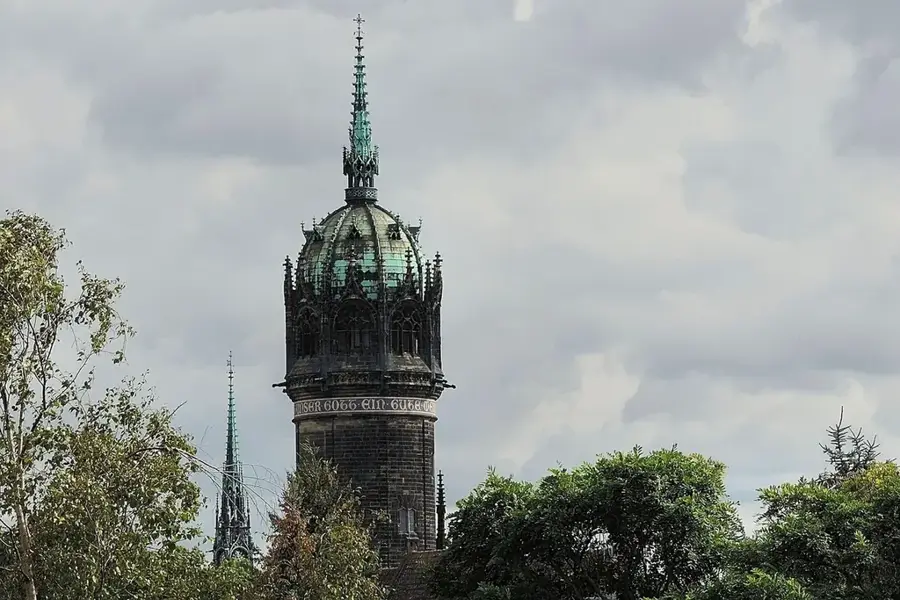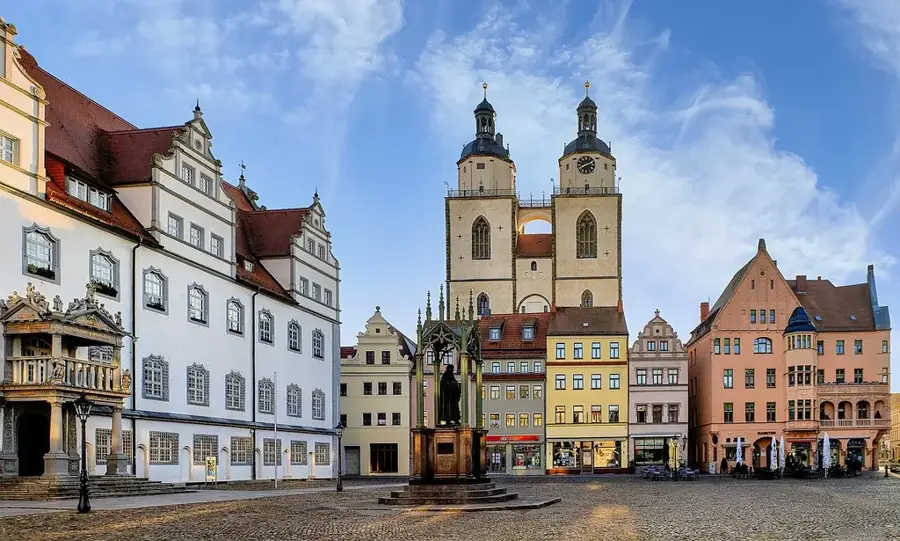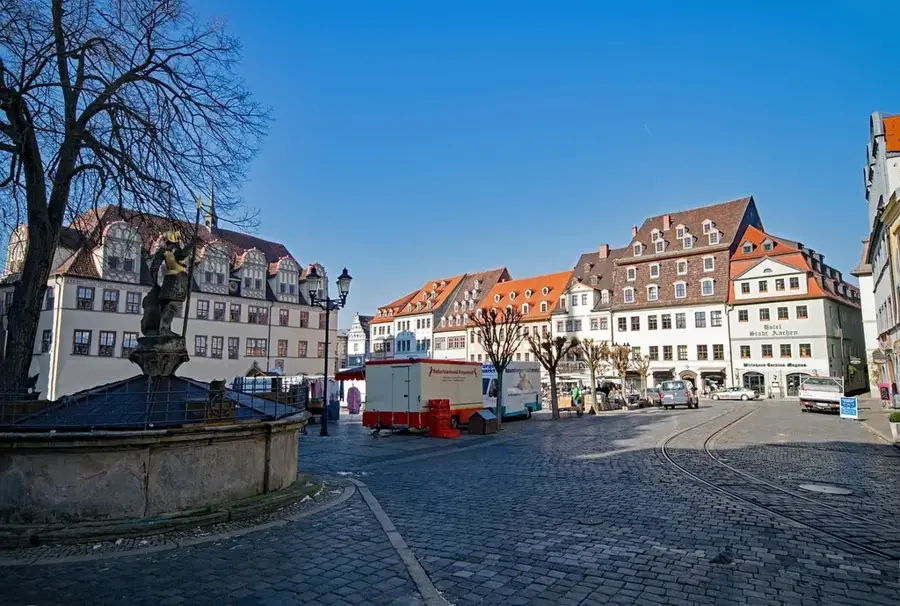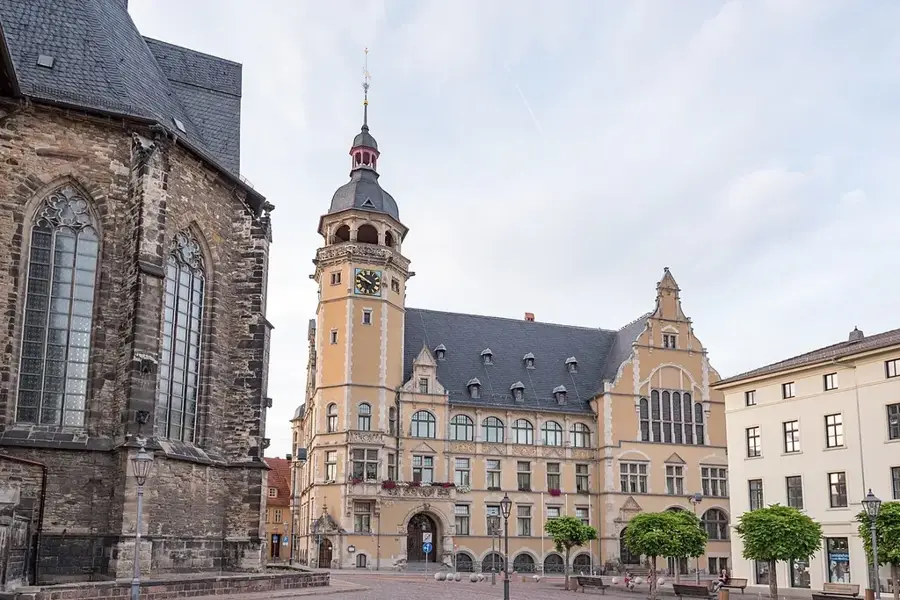
Halberstadt Cathedral Christmas Market
Advent Christmas market at the foot of the cathedral on the Domplatz, with stalls, typical Christmas goods and Advent delicacies.
Plizio Visual Lab
Taste the world-famous local sausages available at local butcher shops or traditional inns.
A strong-smelling, low-fat sour milk cheese usually served with bread and onions in regional restaurants.
Try roasted pork or game at traditional Wirtshäuser near the Cathedral square.
Buy the famous local sausages and preserves directly from the source.
Browse the small shops in the pedestrian zone around Holzmarkt for local spirits and crafts.
A large landscape park with an old hunting lodge and plenty of walking trails.
A very peaceful area around the monastery, well-suited for contemplation.
Water temperature…
Advent Christmas market at the foot of the cathedral on the Domplatz, with stalls, typical Christmas goods and Advent delicacies.
Annual concert series in June around Halberstadt Cathedral, with orchestral concerts and a cultural program in the historic cathedral setting.
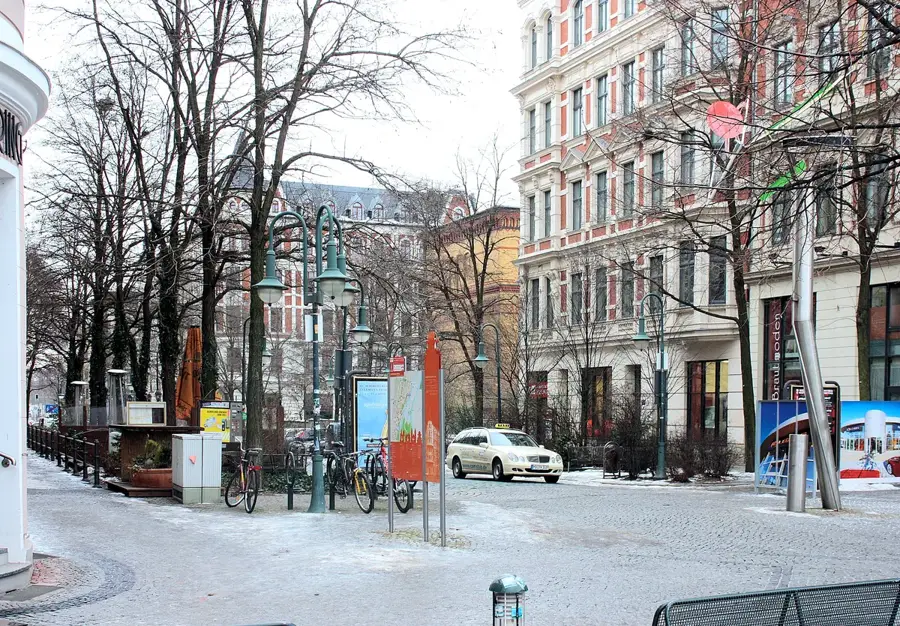
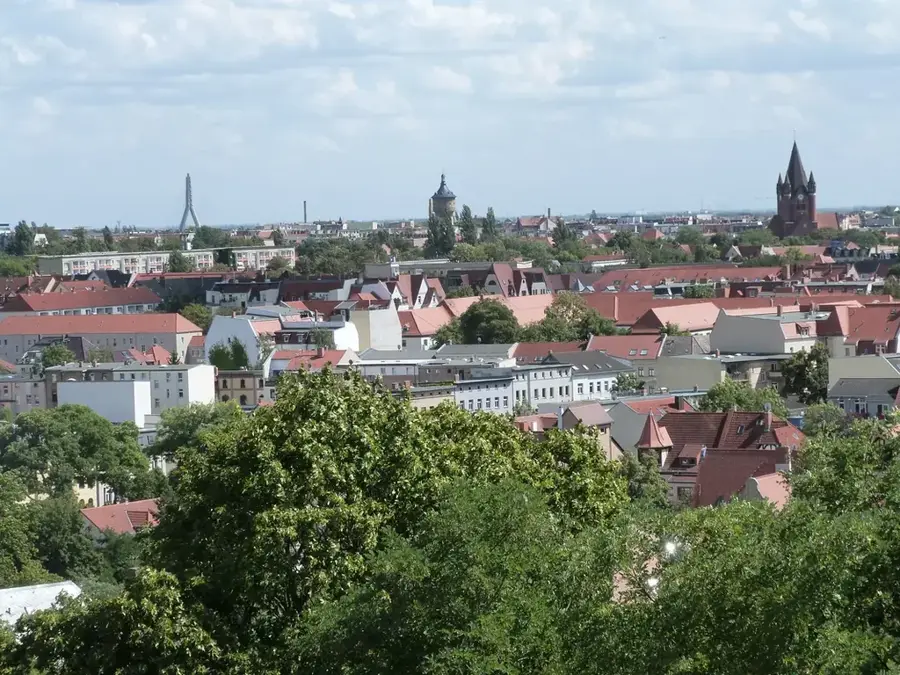
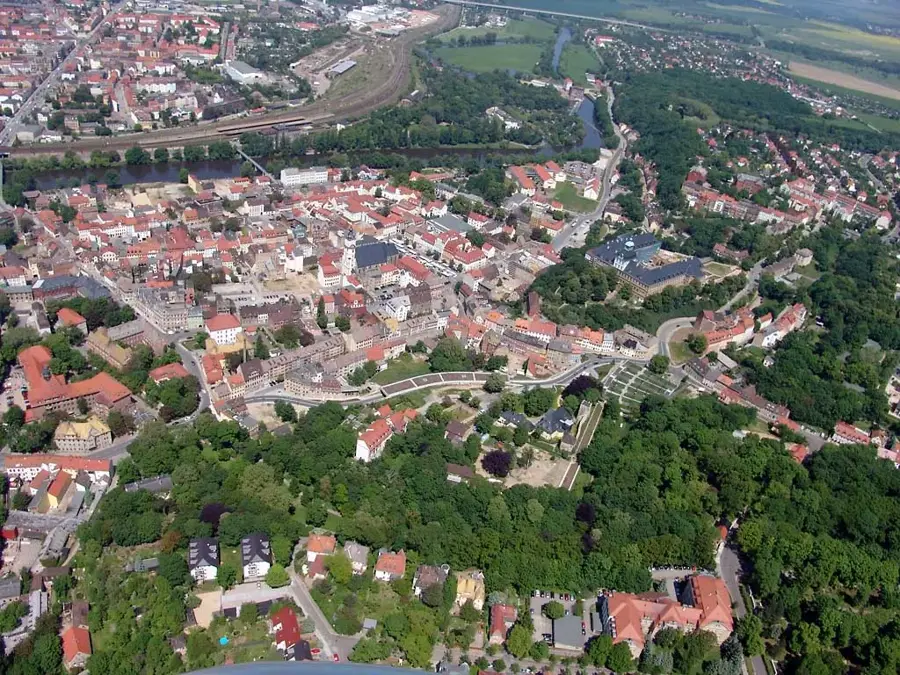
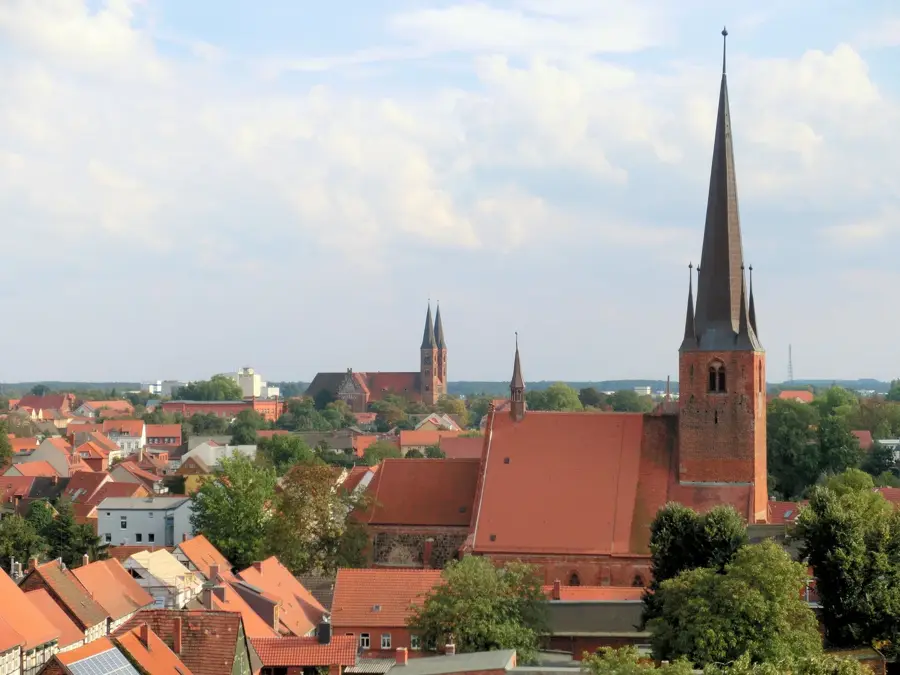
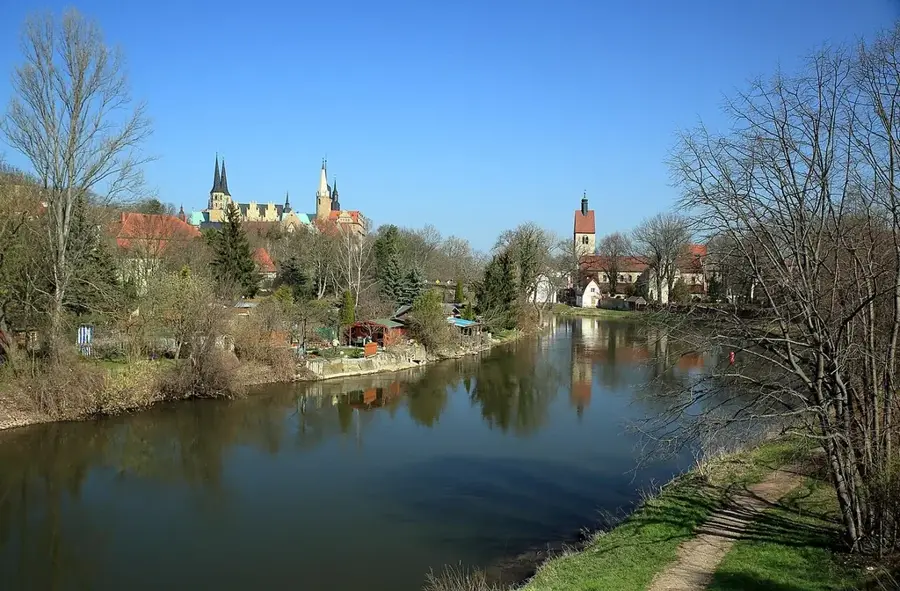
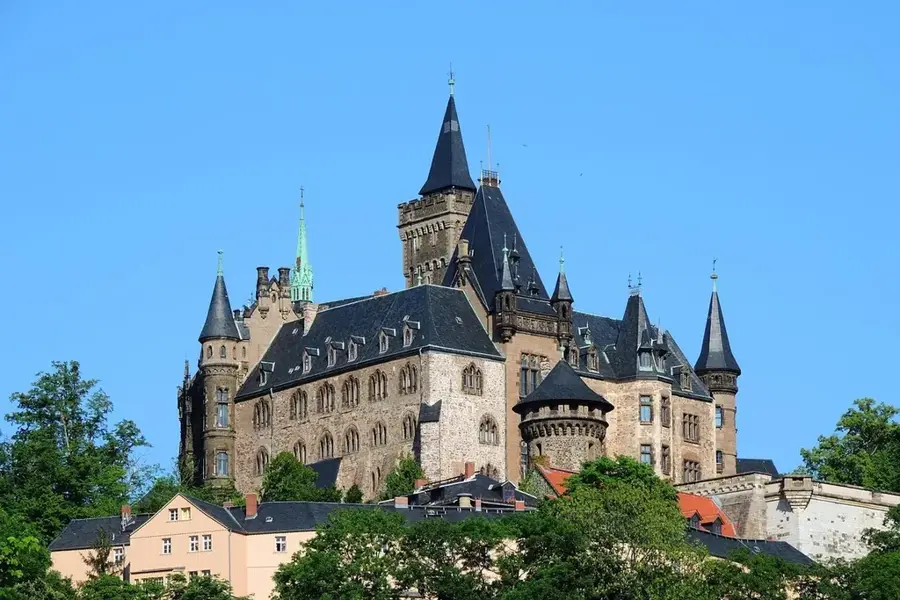
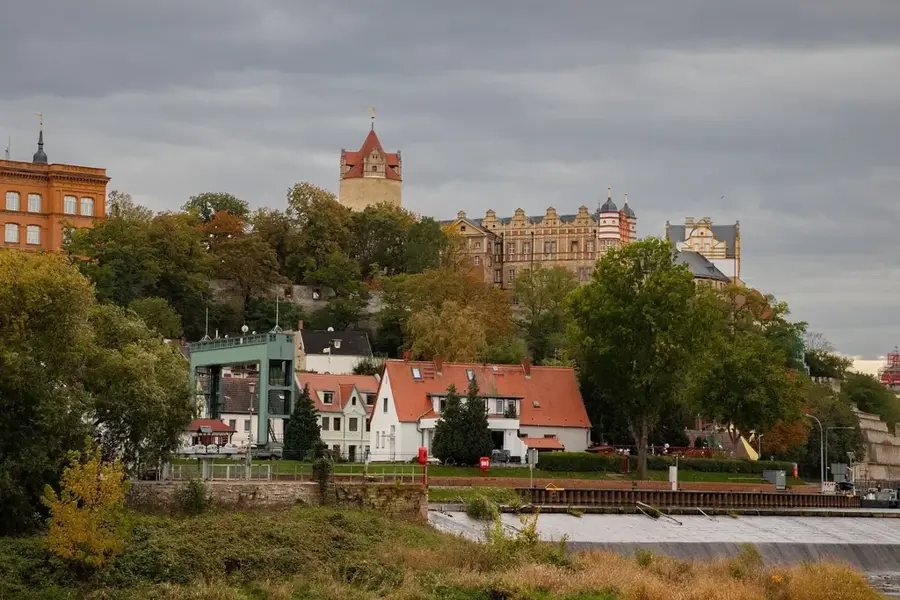
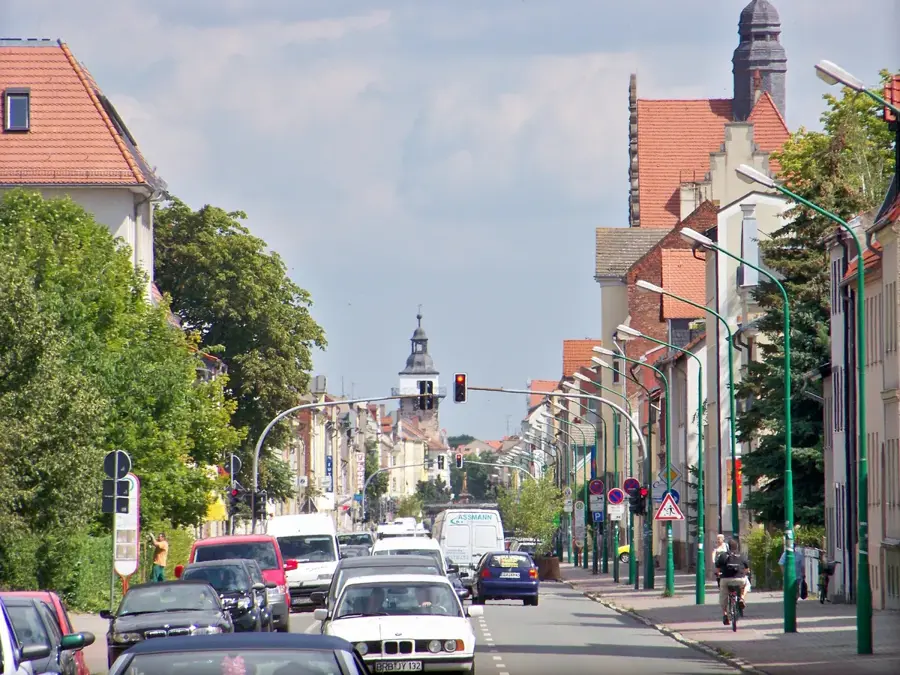
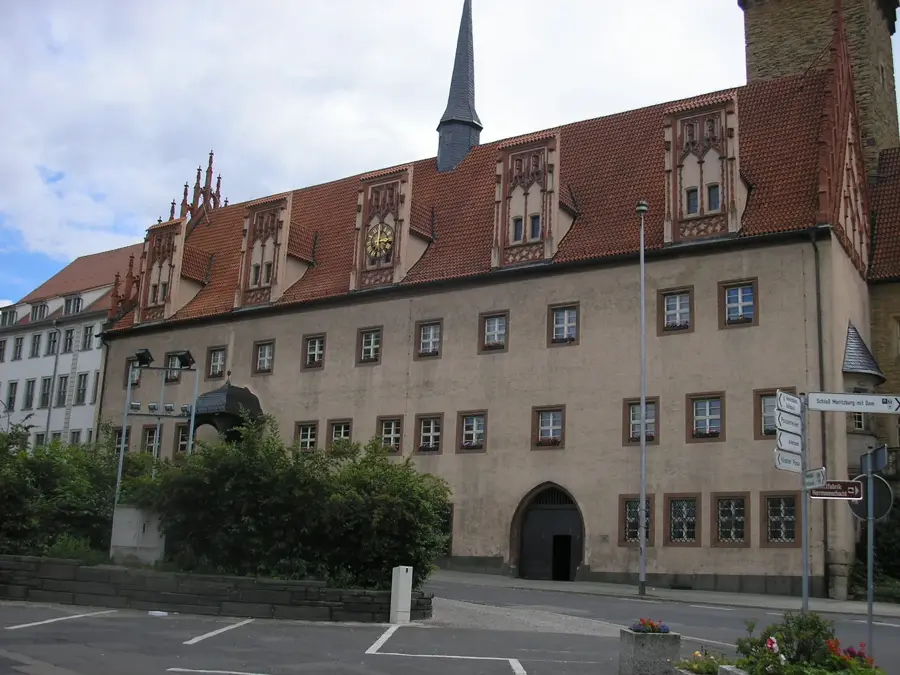
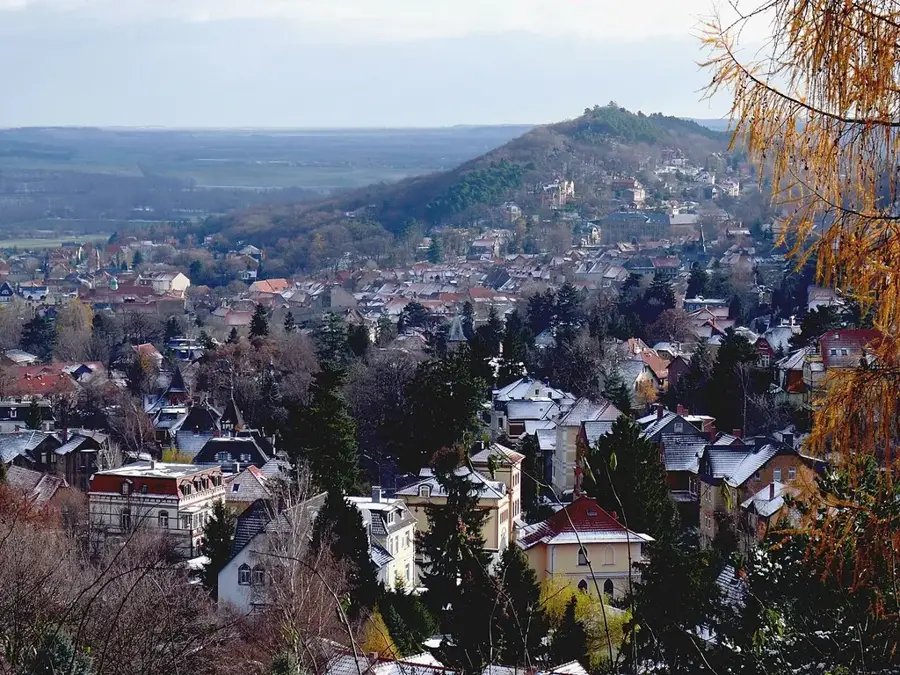
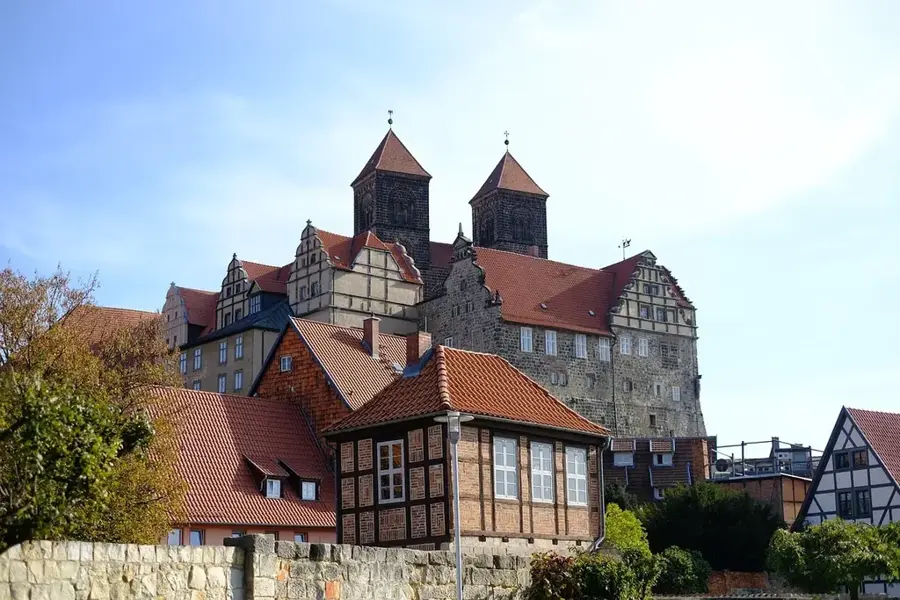
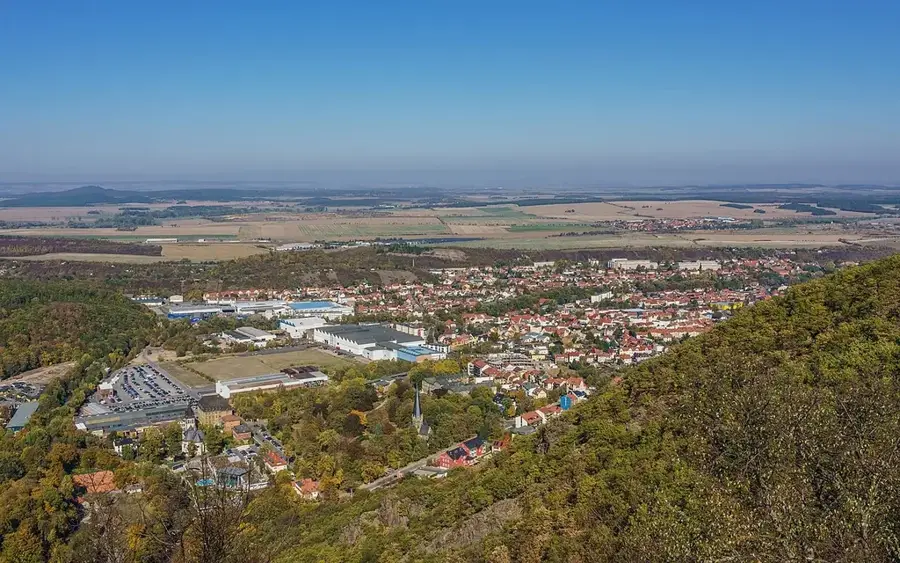
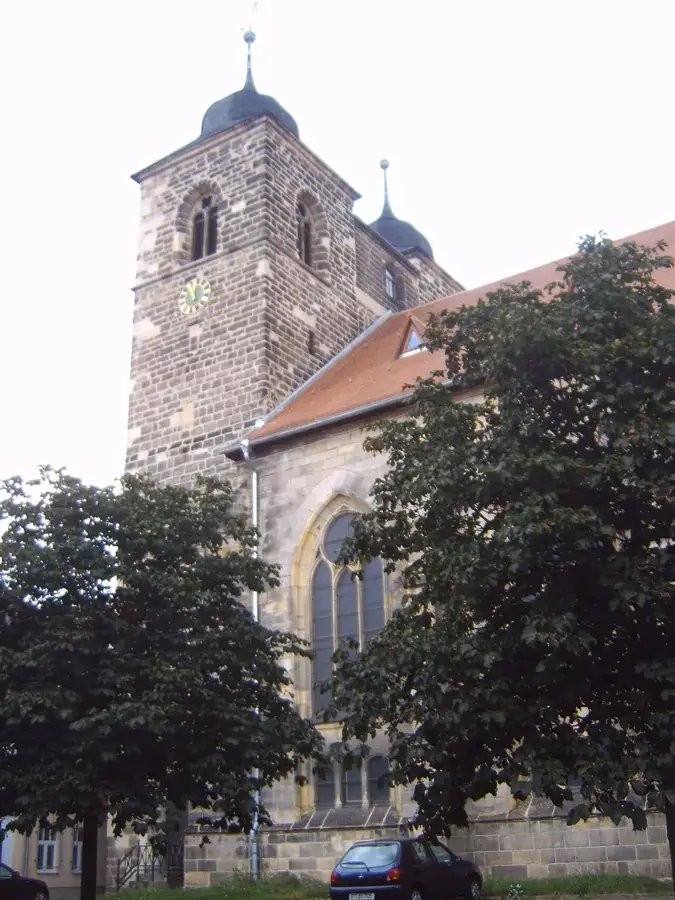
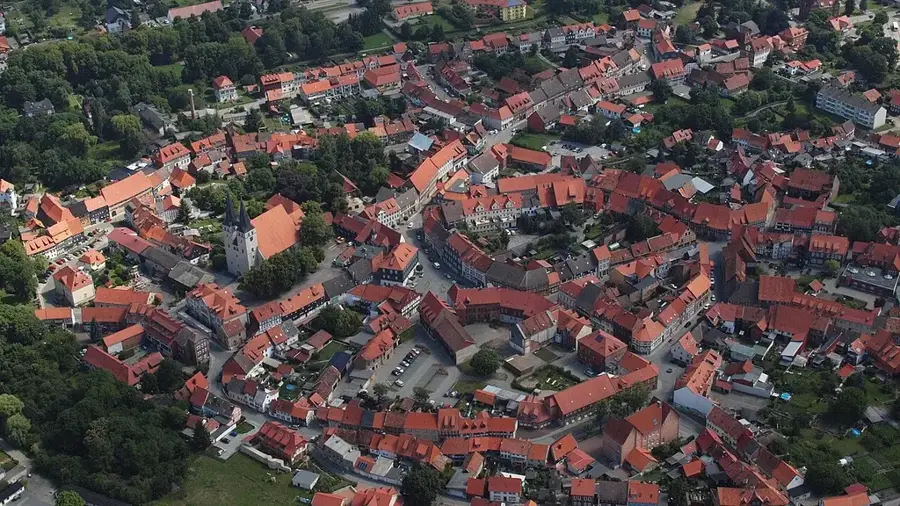
Halberstadt, frequently called the 'Gateway to the Harz,' is a historic city in Saxony-Anhalt known for its extraordinary ecclesiastical heritage. The city's skyline is dominated by the Cathedral of St. Stephen and St. Sixtus, a pinnacle of North German Gothic architecture. It houses the magnificent Halberstadt Cathedral Treasure, one of the most significant collections of medieval church art in the world, featuring over 650 items including rare 12th-century textiles. Beyond its ancient history, the city gained international fame for the John Cage organ project at St. Burchardi Church. Here, the piece 'ASLSP' (As Slow as Possible) is being performed over a duration of 639 years, making it the longest musical performance ever attempted. Despite heavy damage during WWII, Halberstadt has preserved and meticulously restored many of its traditional half-timbered houses and its medieval layout. This blend of ancient spiritual tradition and daring avant-garde art makes Halberstadt a unique cultural destination in central Germany, bridging the gap between the Middle Ages and the distant future.
Explore on the map
Find cities, landscapes and regions in 10 varied challenges on the interactive map.
Your journey, your memory
Turn your own photo into a personal postcard with a local stamp. Free and no sign-up required.
Create a postcardThe most pleasant time to visit is Jun–Aug.
| Jan | Feb | Mar | Apr | May | Jun | Jul | Aug | Sep | Oct | Nov | Dec | |
|---|---|---|---|---|---|---|---|---|---|---|---|---|
| Avg °C | 0 | 1 | 4 | 9 | 13 | 17 | 19 | 19 | 15 | 10 | 5 | 1 |
| Rain mm | 56 | 36 | 43 | 33 | 60 | 55 | 79 | 57 | 54 | 49 | 51 | 55 |
Notable places around
Where do you start? We build the route here, with stops and country notes along the way.
© OpenStreetMap contributors · OpenRouteService
In the morning, explore the monumental Domplatz with the Petershof and the Gothic Cathedral. The Treasury offers deep insight into the Middle Ages. After lunch, visit the Gleimhaus to immerse yourself in the Age of Enlightenment. The afternoon ends at the Romanesque Liebfrauenkirche and the City Museum, documenting Halberstadt's turbulent history.
This bike tour connects the historical old town with nature in the south. After visiting the Cathedral, cycle to the Klaussynagoge and recharge in the old town. The route then leads you out to Spiegelsberge, where you can marvel at the famous giant wine barrel in the hunting lodge and enjoy the panoramic view.
By car, explore Halberstadt in two clusters. First, park at Domplatz and visit the Cathedral and world-famous Treasury on foot. After lunch, drive south to Spiegelsberge landscape park. There, walk from the hunting lodge to the giant wine barrel and end the day with a view from the Bismarck Tower.
In the heart of Halberstadt, the beach at Lake Halberstädter See has a welcome lakeside getaway. The relaxing environment is handy for enjoying a fresh breeze on hot summer days and letting nature work its magic. Locals frequently love coming here to take a walk or catch some sun completely undisturbed. Packing a captivating book is your best bet to fully savor these peaceful hours.
The St. Burchardi Monastery has become known worldwide for the long-term John Cage organ project. The former monastery complex now has space for art, culture, and meditative silence.