Plizio Visual Lab

Wilhelma Stuttgart

Plizio editorial teamData Sources
Animal habitat
—°410
Wilhelma Stuttgart (Germany)

Weather…

Highlights of 2026

4

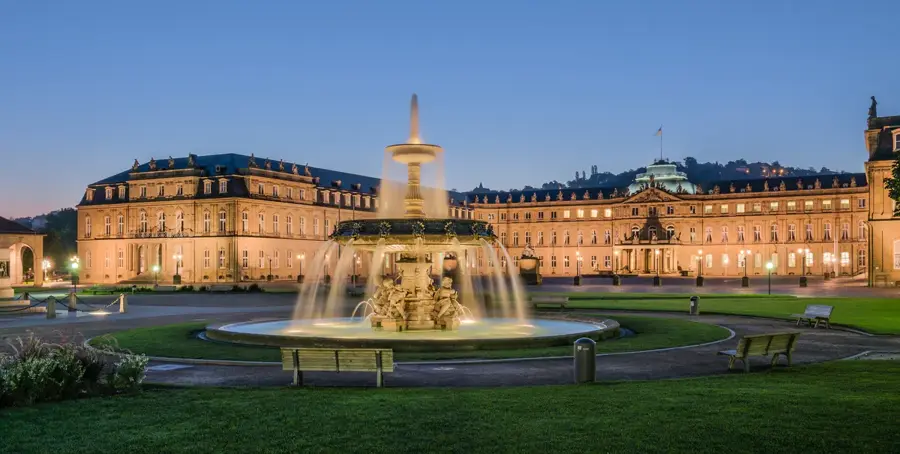
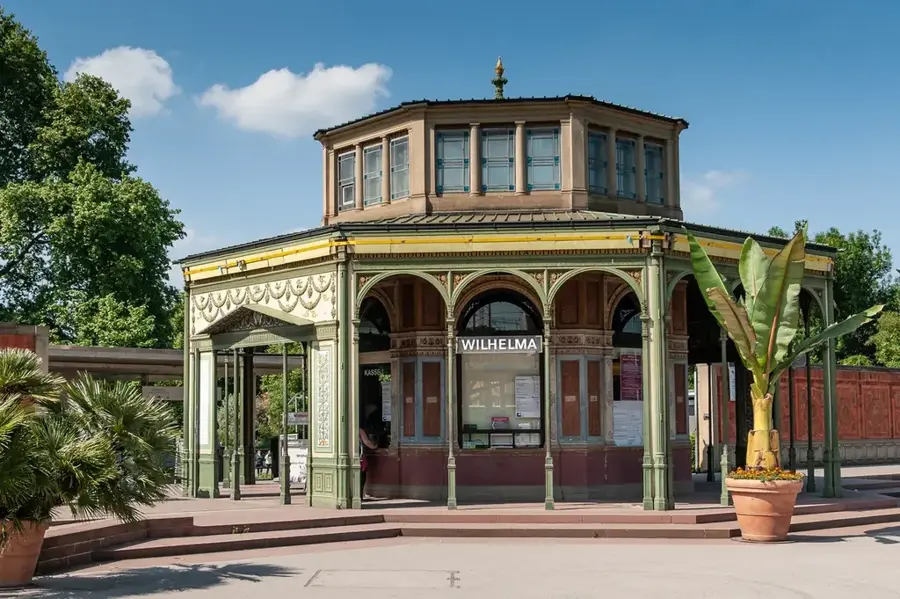
Wilhelma in Stuttgart is a uniquely European combination of a zoological and botanical garden, attracting over two million visitors annually. The complex was originally commissioned in 1842 by King Wilhelm I of Württemberg as a private palace garden designed in the Moorish Revival style. The historic architecture, featuring delicate cast-iron structures and oriental ornamentation, continues to define the park's visual identity. Today, Wilhelma covers approximately 30 hectares and is home to about 11,000 animals across 1,200 different species, along with over 6,000 plant species from every climatic zone on Earth. The park is particularly renowned for its great ape house, the Amazon house, and its extensive camellia collection, which is among the oldest in Europe. As a scientifically managed zoo, the institution participates in numerous international captive breeding programs and is deeply committed to species and nature conservation. The fusion of landmark-protected architecture and modern animal husbandry makes Wilhelma a significant cultural heritage site for the state of Baden-Württemberg.

Best time to visit & climate

The most pleasant time to visit is Jun–Aug.

JanFebMarAprMayJunJulAugSepOctNovDec
Avg °C015914182019151051
Rain mm765864508672818158707083

📋 Practical info

📅
Best season
Wilhelma in Stuttgart is a year-round destination, but the best time for animal watching is spring when many young are born. Autumn also has pleasant temperatures and often quieter visiting times.
🌅
Best time of day
Early morning hours right after opening are especially rewarding as the animals are active after the night's rest. Feeding times in the late morning and early afternoon also provide good viewing opportunities.
📜
Etiquette
Please stay on the paths and do not climb over barriers to ensure your safety and that of the animals. Feeding the animals is strictly prohibited as they require a specialized diet.
🎒
What to bring
Comfortable footwear is important as the Wilhelma grounds are extensive and include many botanical areas. Binoculars can be useful for getting a better view of animals in larger enclosures.
🧭
Getting there
Wilhelma is located centrally in Stuttgart and is excellently accessible by public transport, for example by U-Bahn. The zoo is also easily reachable by car, with parking garages available in the vicinity.
🦌
What to expect
Some animals may be sleeping or hiding - be patient and watch the enclosure for a while before moving on. Especially with predators, it is worth waiting a bit until they become active.

Geography

Coordinates
48.80500, 9.20600

Facts

  • Wilhelma is the only combined zoological and botanical garden in Germany.
  • The park was established in 1842 as a 'Moorish Garden' for King Wilhelm I.
  • A total of approximately 1,200 animal species are cared for here.
  • With over 6,000 species, Wilhelma possesses one of the most significant plant collections worldwide.
  • The historic Moorish Country House was severely damaged during WWII and subsequently restored.
  • The facility houses one of the most modern great ape enclosures in Europe.

Explore nearby

Notable places around

Route planner — Car & Motorhome

Where do you start? We build the route here, with stops and country notes along the way.

Vehicle
Only stops with (optional):

© OpenStreetMap contributors · OpenRouteService

Sights in the town Wilhelma Stuttgart (10)

Gemeinschaftsvoliere Australien

Large aviary in Wilhelma Zoo, housing Australian bird species.

Tropische Süßwasserfische & Bewohner der Korallenriffe

Aquarium in Wilhelma Zoo, featuring tropical fish and coral reef inhabitants.

Greater Flamingo

Enclosure in Wilhelma Zoo for greater flamingos.

Wilhelma

Zoological-botanical garden in Stuttgart, known for its historic buildings.

🕒 08:15-16:30; May-Aug 08:15-20:00; Apr, Sep 08:15-19:30; Mar,💶

Neckarbrücke

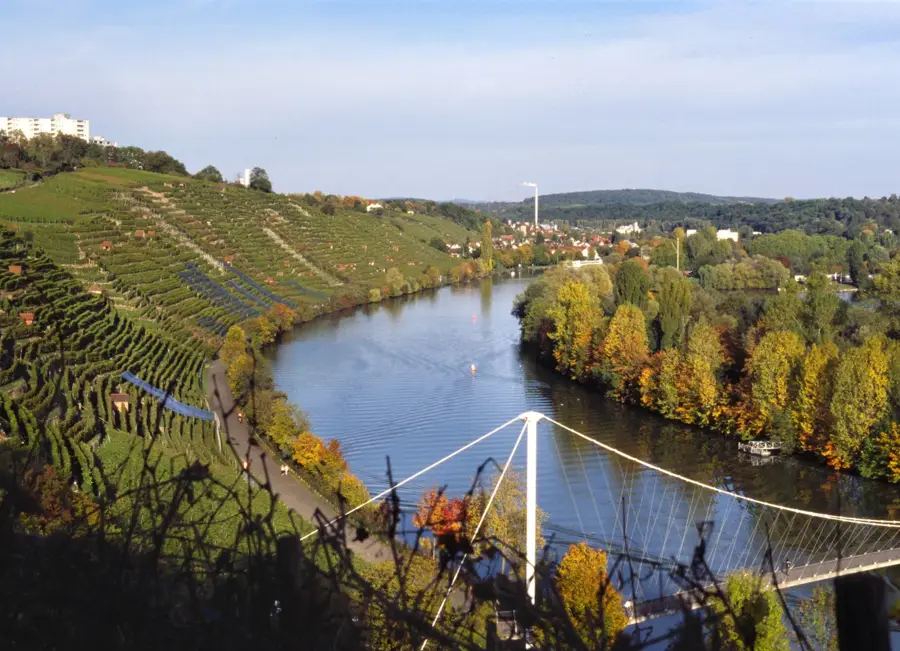
Bridge over the Neckar river, offering a view of Wilhelma.

St. Martin

Church in Stuttgart-Bad Cannstatt, a Catholic place of worship.

Stadtmuseum Bad Cannstatt🏛 museum

Museum about the history of the Bad Cannstatt district.

Schloss Rosenstein🏰 castle

Castle in Stuttgart, a former royal summer residence.

Staatliches Museum für Naturkunde Stuttgart🏛 museum

Natural history museum in Stuttgart, with extensive collections.

Sights nearby

Frequently asked questions

What is special about Wilhelma?
It is a unique combination of a zoological and botanical garden in Moorish style.
How do you get there by public transport?
Take the U14 light rail line directly to the 'Wilhelma' stop.
Are there parking spaces at Wilhelma?
Yes, there is a parking garage, though it often fills up quickly on weekends.
How long does a tour take?
You should allow at least 4 to 5 hours to see everything.
Are dogs allowed in Wilhelma?
No, dogs are not allowed for safety and hygiene reasons.
Wilhelma Stuttgart: where is it located?
Wilhelma Stuttgart is located in Baden-Württemberg, Germany.
Wilhelma Stuttgart: what is there to see?
Highlights include Gemeinschaftsvoliere Australien, Tropische Süßwasserfische & Bewohner der Korallenriffe, Greater Flamingo.
Wilhelma Stuttgart: when is the best time to visit?
The most pleasant time to visit is Jun, Aug.
Wilhelma Stuttgart: why is it worth visiting?
Wilhelma in Stuttgart is a uniquely European combination of a zoological and botanical garden, attracting over two million visitors annually.
View on map → The Top 50 Attractions → OpenStreetMap →
Europe
Explore with Plizio Discover more places in Europe
More places in Germany →

Nearby cities