Staufer Festival Schwäbisch Gmünd
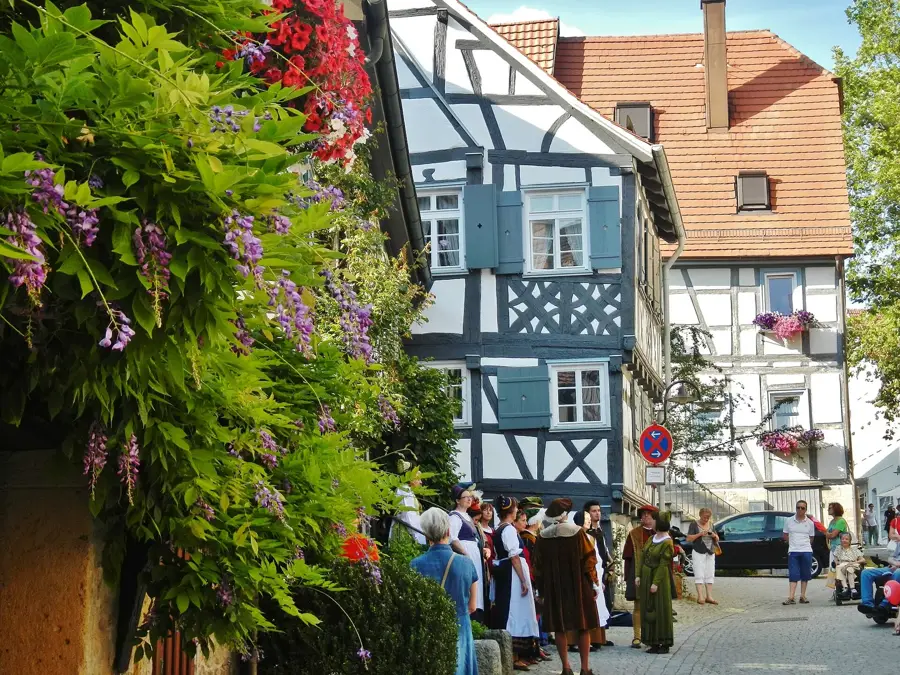
The Staufer Festival celebrates the medieval past of Germany's oldest Staufer city with knight tournaments, a medieval market and historical plays. It takes place in summer around the old town.
Plizio Visual Lab
Try these traditional stuffed pasta pockets in the historic inns around the market square.
A staple of Swabian cuisine, best enjoyed in the family-run guesthouses of the old town.
A sweet bread pudding with apples, often served in the cozy cafes on Johannisplatz.
Held every Wednesday and Saturday at Münsterplatz for regional specialties and fresh local produce.
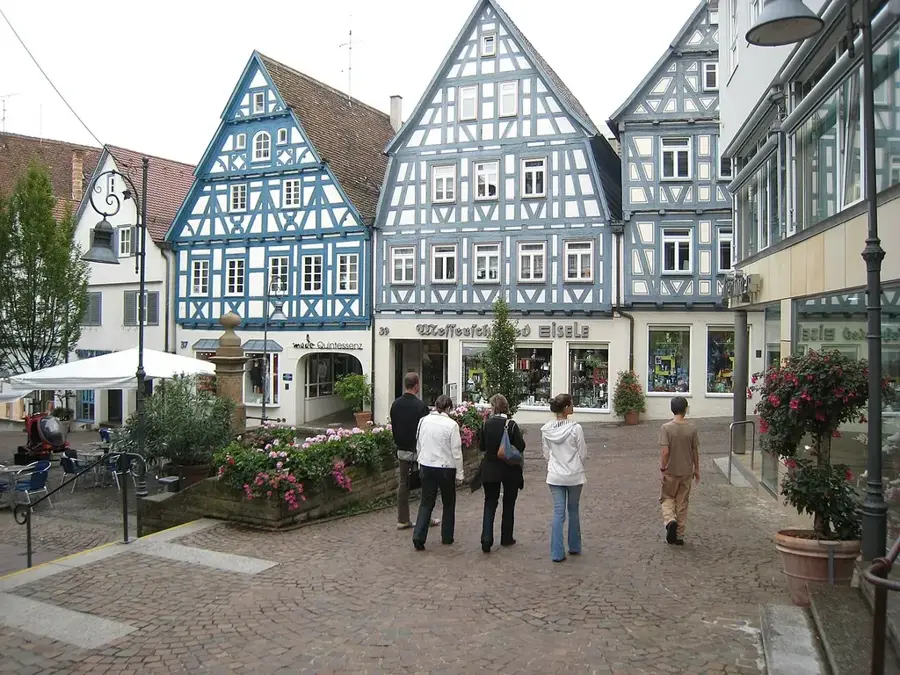
Find unique, handcrafted jewelry by local masters in the narrow side streets of the old town.
A modern shopping mall near the city center offering a wide selection of international brands.
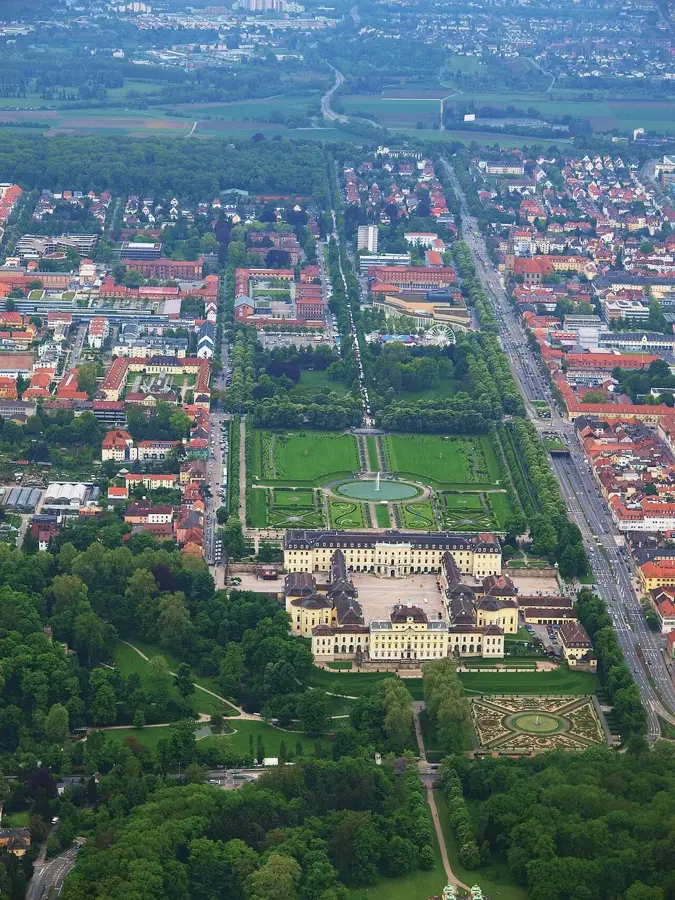
A beautiful park featuring a Rococo palace, convenient for a peaceful walk away from the crowds.
A forested area on the outskirts with quiet hiking trails and nature paths.
Spacious green areas and themed gardens on the plateau overlooking the city.
Water temperature…
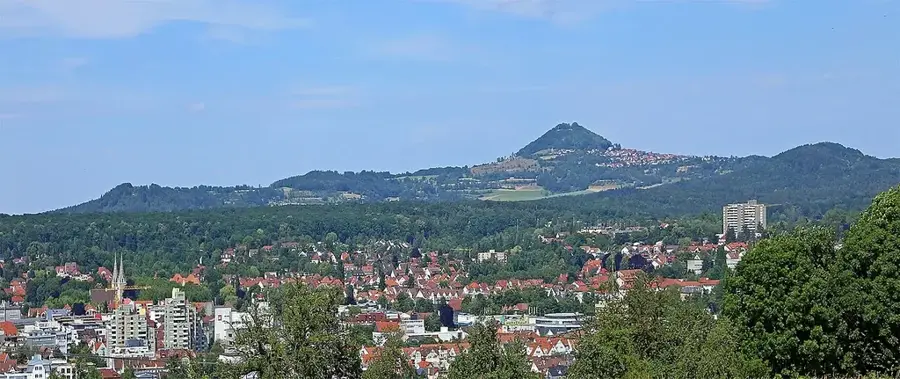
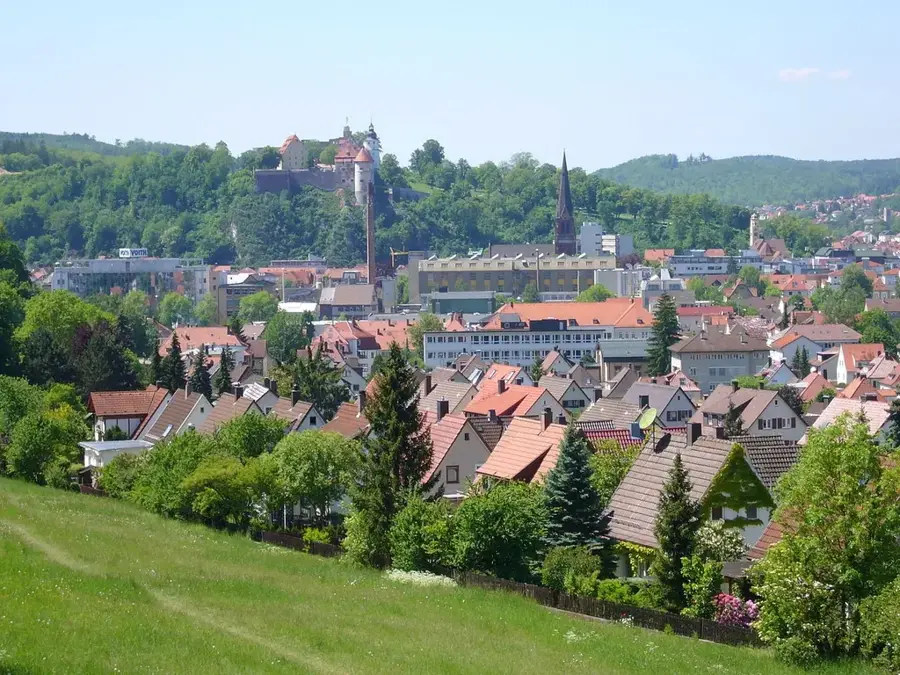
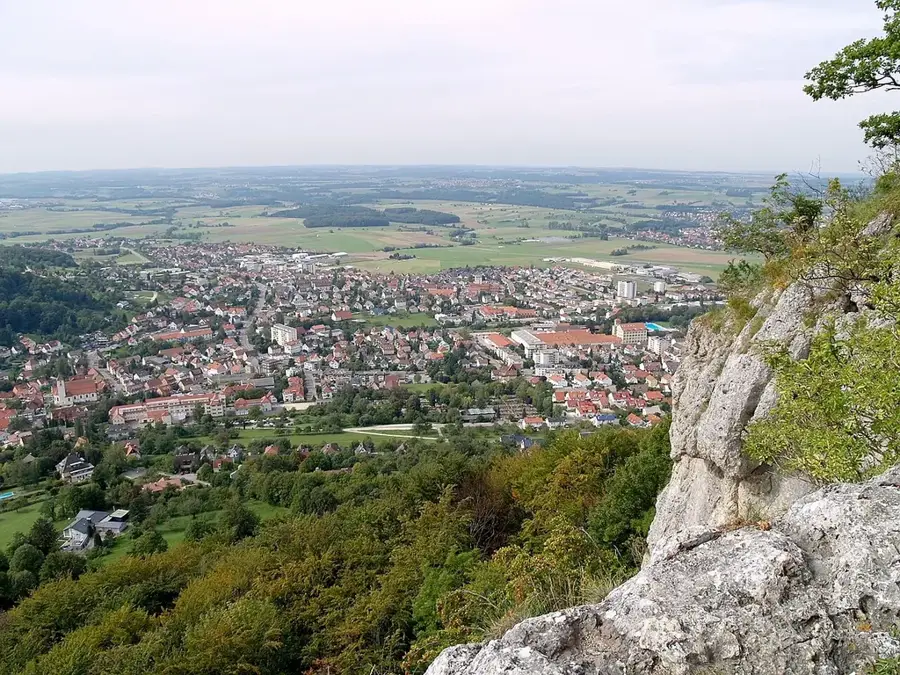
Schwäbisch Gmünd is located in the Rems Valley at the edge of the Swabian Jura and holds over eight hundred years of history as a Free Imperial City. The town gained significant historical importance starting in the 17th century through the gold and silversmithing trades, a tradition that remains active in local workshops today. The architectural centerpiece is the Heilig-Kreuz-Münster, a massive 14th-century Gothic hall church notably designed without a traditional bell tower. The nearby Johannisplatz, featuring the Romanesque St. John's Church, adds to the cohesive historical townscape. For outdoor recreation, the Wetzgau landscape park features the Himmelsstürmer, a 36-meter-high timber observation tower built during a previous state garden show. Its position along the Staufer Route makes the town a well-suited base for exploring the surrounding imperial mountains, including the Hohenstaufen. Bakeries and cafes around the market square serve typical Swabian baked goods, such as the regional Gmünder pretzel.
Explore on the map
Find cities, landscapes and regions in 10 varied challenges on the interactive map.
Your journey, your memory
Turn your own photo into a personal postcard with a local stamp. Free and no sign-up required.
Create a postcardThe most pleasant time to visit is Jun–Aug.
| Jan | Feb | Mar | Apr | May | Jun | Jul | Aug | Sep | Oct | Nov | Dec | |
|---|---|---|---|---|---|---|---|---|---|---|---|---|
| Avg °C | -1 | 0 | 4 | 9 | 13 | 17 | 19 | 19 | 14 | 9 | 4 | 0 |
| Rain mm | 68 | 50 | 57 | 47 | 89 | 73 | 89 | 83 | 56 | 63 | 63 | 70 |
See what it looks like near Schwäbisch Gmünd right now.
Alfdorf: Rigel-Sternwarte · 6.4 km · Open webcam on Windy · Webcams provided by Windy.com
Notable places around
Where do you start? We build the route here, with stops and country notes along the way.
© OpenStreetMap contributors · OpenRouteService
Start your day at the magnificent Market Square, the heart of the oldest Staufer city. Marvel at the Minster, a Gothic masterpiece, before strolling through historic alleys to medieval towers. The afternoon is for relaxation in the City Garden and the Baroque splendor of the Rococo Palace. Conclude your trip by climbing up to the Salvator, a unique rock-cut chapel offering wide panoramic views.
Explore Schwäbisch Gmünd actively by bike. Start in the center and follow the 'Ways to Art' sculpture trail along the Rems river. Visit the architectural gems of the old town and take a break in the City Garden near the Rococo Palace. The route leads through parks and historic streets before taking on the challenging but rewarding climb to the Salvator rock.
This car tour combines the historic treasures of Gmünd's old town with highlights located slightly further out. Park centrally to explore the Minster and Market Square on foot. Then, drive to the City Garden and the Rococo Palace, a Baroque gem. Enjoy the most spectacular views after a short drive to the Salvator, a unique pilgrimage site situated right on the slope.
South Germany's largest Gothic hall church, built by the renowned Parler family of architects.
A Romanesque pillar basilica from the 13th century featuring a prominent tower and Baroque interior.
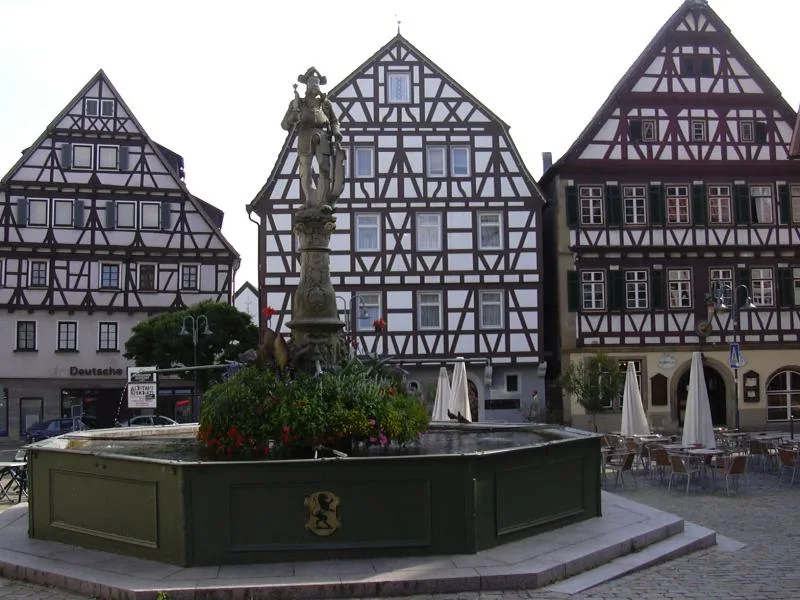
One of Southern Germany's finest squares, adorned with the Mary Fountain and grand Baroque townhouses.
A preserved 19th-century jewelry factory showcasing the city's long-standing silver tradition.
The museum is located in the former Prediger Dominican monastery and showcases local art and history.
A historical defensive tower of the medieval city fortifications that once served as a prison.