Plizio Visual Lab
Tacuba
ℹ️Practical info — Tacuba
▾
🌤 Weather — 5 days
📍 Nearby
Sights nearby
💡 Tips
- Tacuba serves as the northern gateway to El Imposible National Park; remember that hiking inside the park requires a certified guide.
- Visit the ruins of the Old Colonial Church in the town center, which stand as an atmospheric testament to the area's history.
- If driving to the park entrance yourself, a 4WD vehicle is highly recommended due to the unpaved and rugged terrain.
- Schedule your visit during the dry season (November to April) to avoid slippery trails in the tropical forest.
- Explore the town's indigenous heritage, as Tacuba remains a center for Pipil-influenced culture and traditions.
🍽 Food
Try these traditional tamales made with local aromatic leaves at 'comedores' near the main square.
A specialty filling made with edible flower buds, found in the evenings at central pupuserías.
A fermented corn beverage served savory, often sold by morning street vendors in traditional neighborhoods.
🛍 Shopping · 🧘 Quiet spots
Purchase freshly roasted beans directly from local cooperatives and plantations surrounding the town.
Look for handmade textiles and traditional artwork in the small community workshops.
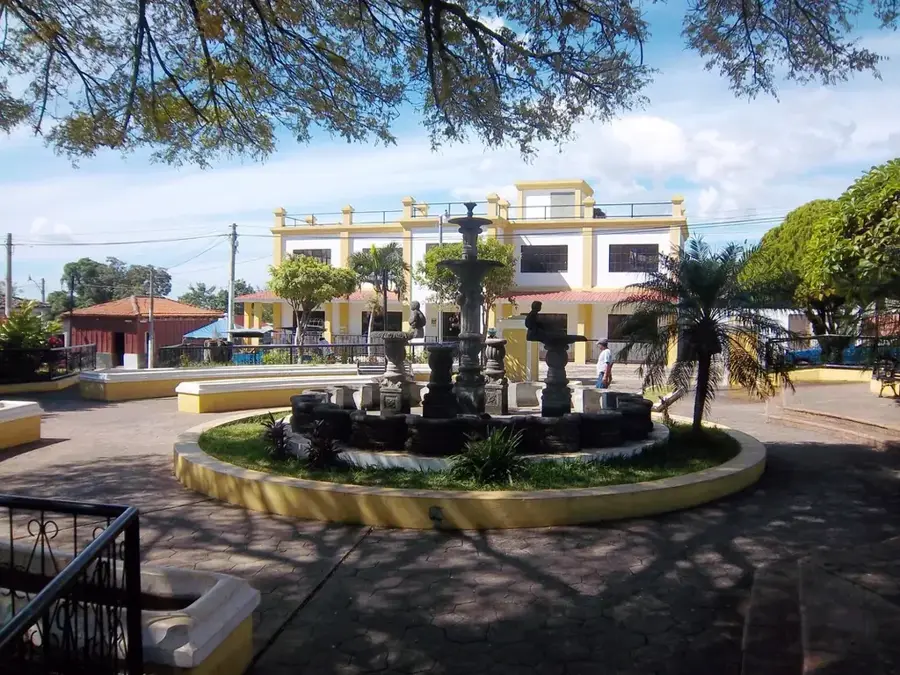
An atmospheric and quiet spot in the center, excellent for quiet reflection and photography.
Walk through the peaceful paths of nearby coffee estates for a green escape from the town center.
Water temperature…
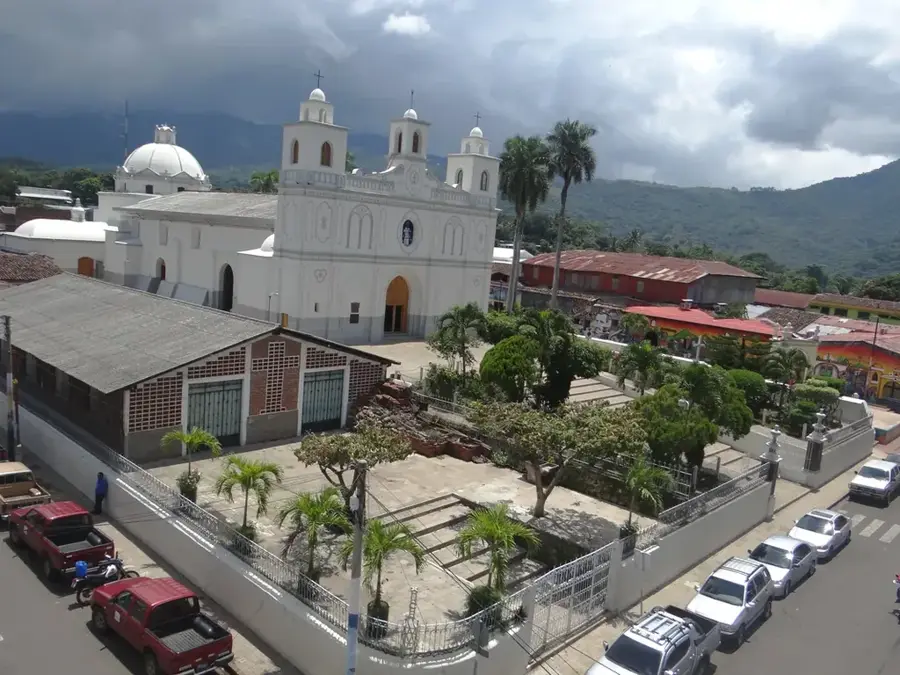
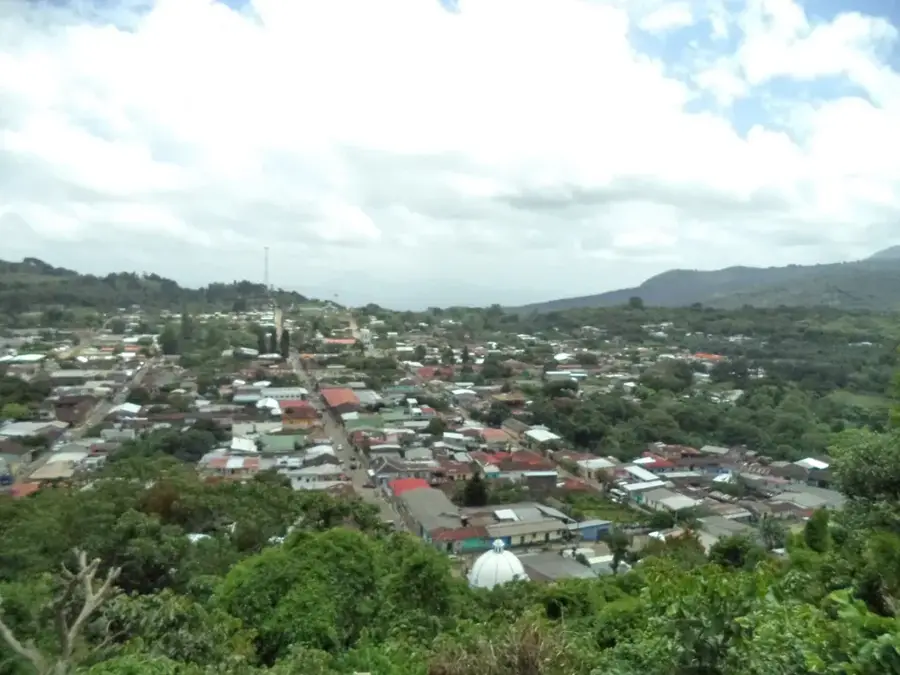
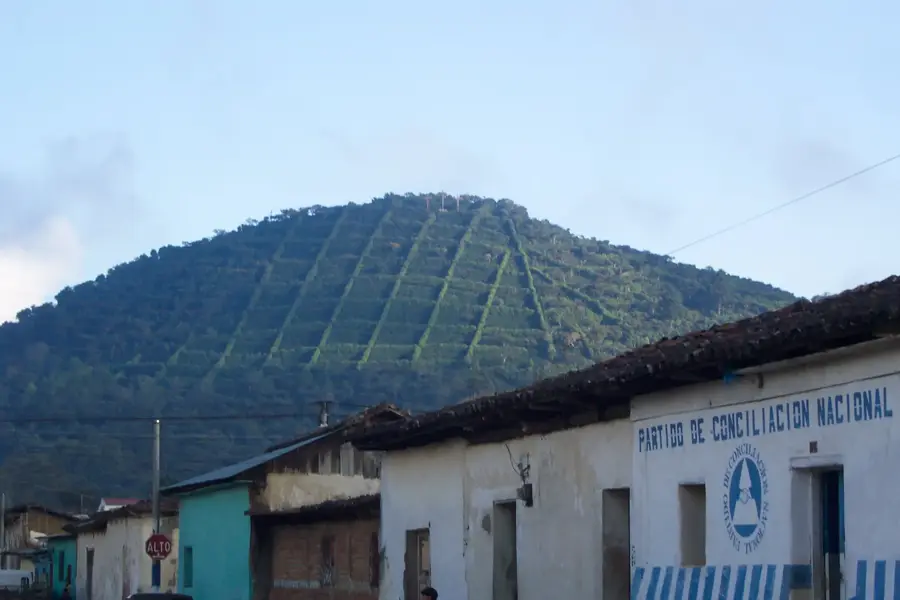
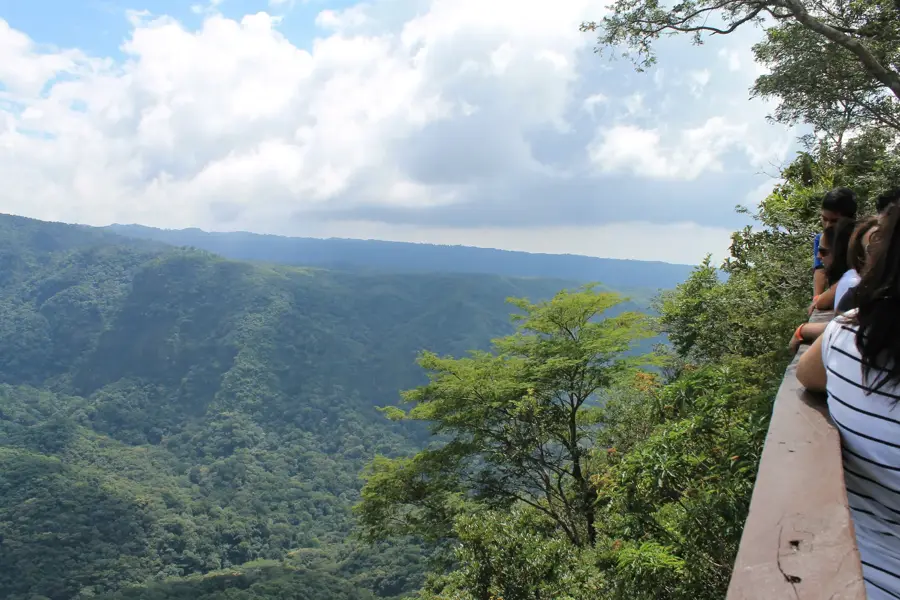
Tacuba is a historically significant municipality in the Ahuachapán Department, known for its rich indigenous heritage and proximity to the El Imposible National Park. The settlement has its roots in the pre-Columbian Pipil culture, with the name meaning place of ball games, indicating the ritual importance of the location. During the 16th century, Tacuba became a major colonial administrative center, evidenced by the ruins of the monumental Santa María Magdalena church, which was destroyed by the 1773 earthquake. Its geographical position in the foothills of the Sierra Apaneca-Ilamatepec favors the cultivation of high-quality highland coffee, which forms the basis of the local economy. Today, Tacuba serves as an important gateway for ecotourism and scientific expeditions into the pristine cloud forest of El Imposible. The city proudly preserves its traditions, including indigenous weaving techniques and religious processions that bridge the pre-Hispanic past and the present.
Explore on the map
How well do you know El Salvador?
Find cities, landscapes and regions in 10 varied challenges on the interactive map.
Your journey, your memory
A postcard from Tacuba
Turn your own photo into a personal postcard with a local stamp. Free and no sign-up required.
Create a postcard- Location: El Salvador
- Nearby: El Imposible National Park (7 km)
- Population: ~5.055 (2012)
Best time to visit & climate
The most pleasant time to visit is Jan, Feb, Dec.
| Jan | Feb | Mar | Apr | May | Jun | Jul | Aug | Sep | Oct | Nov | Dec | |
|---|---|---|---|---|---|---|---|---|---|---|---|---|
| Avg °C | 23 | 25 | 26 | 27 | 26 | 25 | 25 | 25 | 24 | 24 | 23 | 23 |
| Rain mm | 6 | 8 | 8 | 34 | 159 | 207 | 178 | 218 | 227 | 171 | 45 | 11 |
Geography
Facts
- Tacuba is situated at an average elevation of 710 meters.
- The ruins of Santa María Magdalena church date back to the 17th century.
- The name Tacuba means ball game court in the Nahuatl language.
- The municipality borders directly on the El Imposible National Park.
- The major earthquake of 1773 destroyed large parts of the colonial architecture.
- The region is known for the preservation of indigenous Nahua culture.
Explore nearby
Notable places around
Route planner — Car & Motorhome
Where do you start? We build the route here, with stops and country notes along the way.
© OpenStreetMap contributors · OpenRouteService
Sights in the town Tacuba (1)
Frequently asked questions
What makes Tacuba interesting for travelers?
Is hiking in El Imposible difficult?
When is the best time to visit?
Where can I find local information?
Is parking available?
Tacuba: where is it located?
Tacuba: when is the best time to visit?
Tacuba: why is it worth visiting?

Nearby cities
Nature
More places