Plizio Visual Lab
Ruins of La Isabela
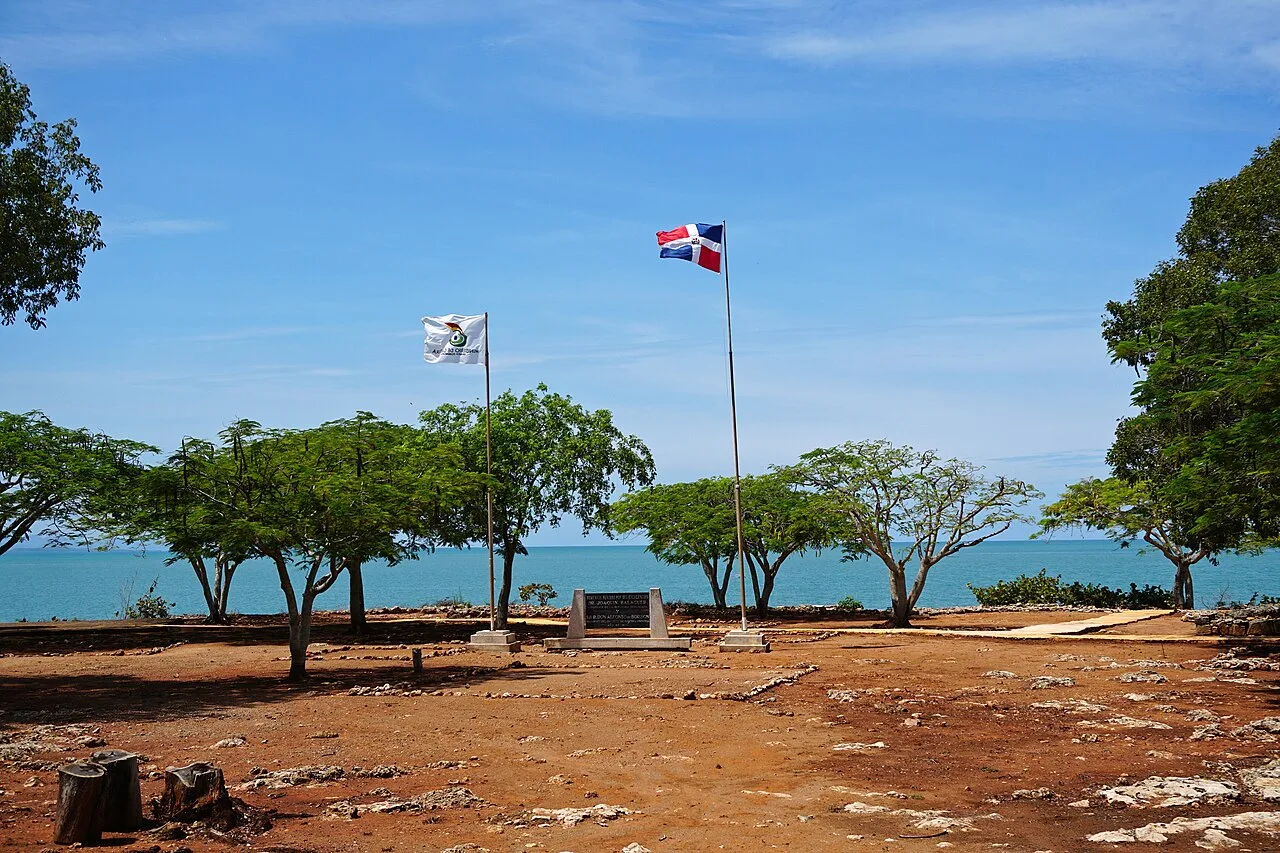
The ruins of La Isabela on the north coast of the Dominican Republic mark the site of the first official European settlement in the New World. Founded by Christopher Columbus during his second voyage in 1493, the site was intended to serve as a strategic center for further exploration and colonization of the Americas. The settlement included a fortified house for Columbus, a church, a warehouse, and dwellings for the settlers. However, life in La Isabela was marked by disease, famine, and conflicts with the indigenous Taíno population. Due to the unfavorable location and lack of resources, the town was largely abandoned by 1500. Today, La Isabela is a significant archaeological park that has insights into the earliest phase of the Spanish colonial period. Visitors can see the foundations of the historic buildings as well as a museum exhibiting artifacts such as ceramics and metal tools from that era.
Explore on the map
How well do you know Dominican Republic?
Find cities, landscapes and regions in 10 varied challenges on the interactive map.
Your journey, your memory
A postcard from Ruins of La Isabela
Turn your own photo into a personal postcard with a local stamp. Free and no sign-up required.
Create a postcard- Location: Dominican Republic
- Nearby: Luperón (14 km)
Best time to visit & climate
The most pleasant time to visit is Jan–Mar.
| Jan | Feb | Mar | Apr | May | Jun | Jul | Aug | Sep | Oct | Nov | Dec | |
|---|---|---|---|---|---|---|---|---|---|---|---|---|
| Avg °C | 25 | 25 | 25 | 26 | 27 | 28 | 28 | 28 | 28 | 28 | 27 | 26 |
| Rain mm | 43 | 26 | 37 | 40 | 69 | 44 | 48 | 57 | 68 | 75 | 91 | 47 |
📋 Practical info
Geography
Facts
- La Isabela was named after the Spanish Queen Isabella I of Castile.
- The first Catholic mass in the Americas was celebrated here on January 6, 1494.
- The expedition involved about 1,500 men and 17 ships.
- The foundations of Columbus's private residence are still visible today.
- Archaeologists discovered remains of early iron smelting on the site.
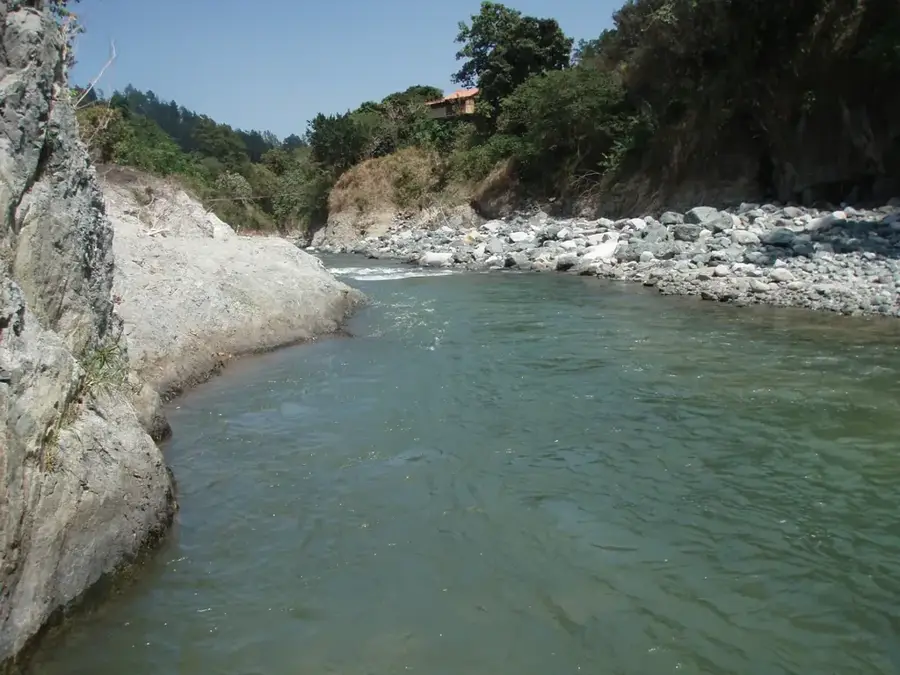
- The site is located on the banks of the Bajabonico River in the Puerto Plata province.
Explore nearby
Notable places around
Route planner — Car & Motorhome
Where do you start? We build the route here, with stops and country notes along the way.
© OpenStreetMap contributors · OpenRouteService
Sights in the town Ruins of La Isabela (1)
Sights nearby
Frequently asked questions
What is the historical significance of La Isabela?
What are the opening hours?
Is there an entrance fee?
What can you see on-site?
Where exactly is La Isabela located?
Ruins of La Isabela: where is it located?
Ruins of La Isabela: when is the best time to visit?
Ruins of La Isabela: why is it worth visiting?

Nearby cities

History & landmarks
Nature
More places