Plizio Visual Lab
Güines

ℹ️Practical info — Güines
▾
🌤 Weather — 5 days
📍 Nearby
Sights nearby
💡 Tips
- Horse-drawn carts (carretones) are a common and cheap way to navigate the town.
- Bring plenty of CUP in small bills, as larger notes can be hard to change in local shops.
- The town has a rich railway history; look for the remnants of old tracks.
- Internet access is best found around the main central park via ETECSA Wi-Fi cards.
🍽 Food
Try the slow-roasted pork at local paladares (private restaurants) near the town center.
Stop by small 'cafeterías' operating out of local homes for fresh mamey or guava juice.
Grab a strong, sweet espresso (café cubano) from street-facing windows in residential areas.
🛍 Shopping · 🧘 Quiet spots
Visit in the early morning for the best selection of fresh, locally grown produce.
Buy fresh Cuban bread (pan cubano) directly from the counter.
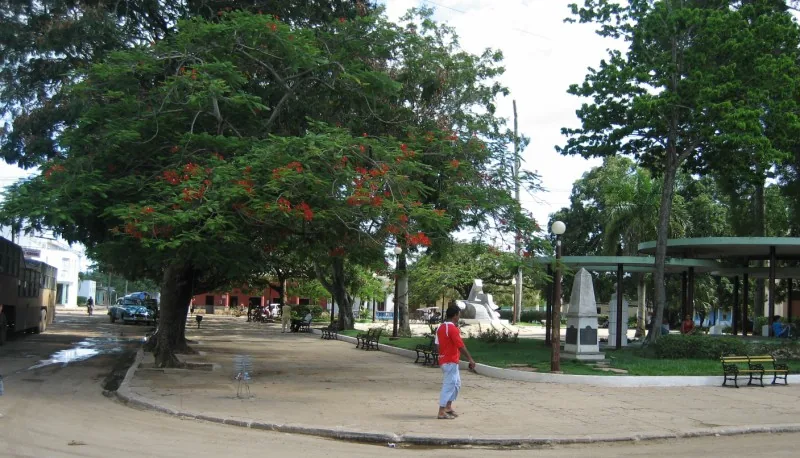
A shaded spot to rest, people-watch, and enjoy the slow pace of provincial Cuban life.
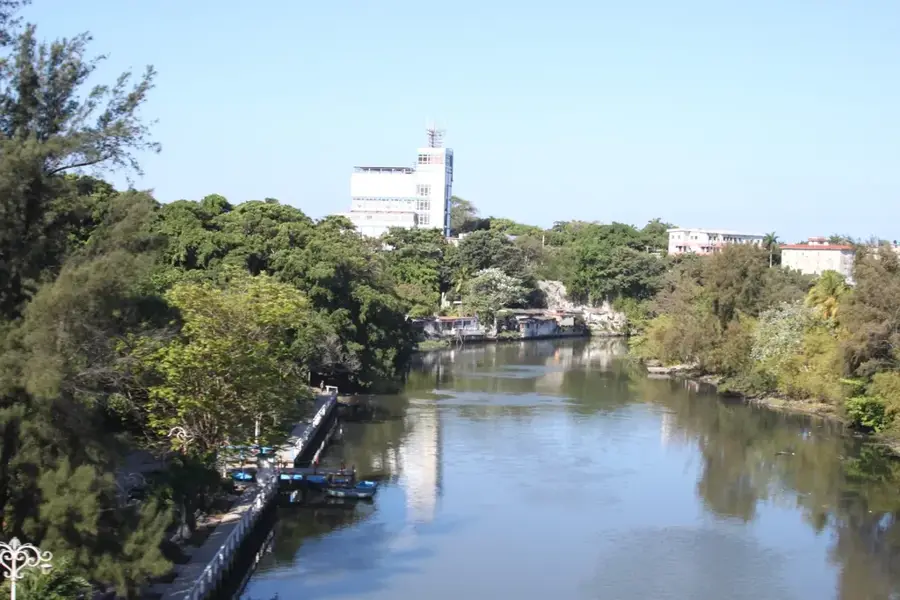
Walk towards the outskirts for a peaceful view of the river that feeds the agricultural valley.
Water temperature…
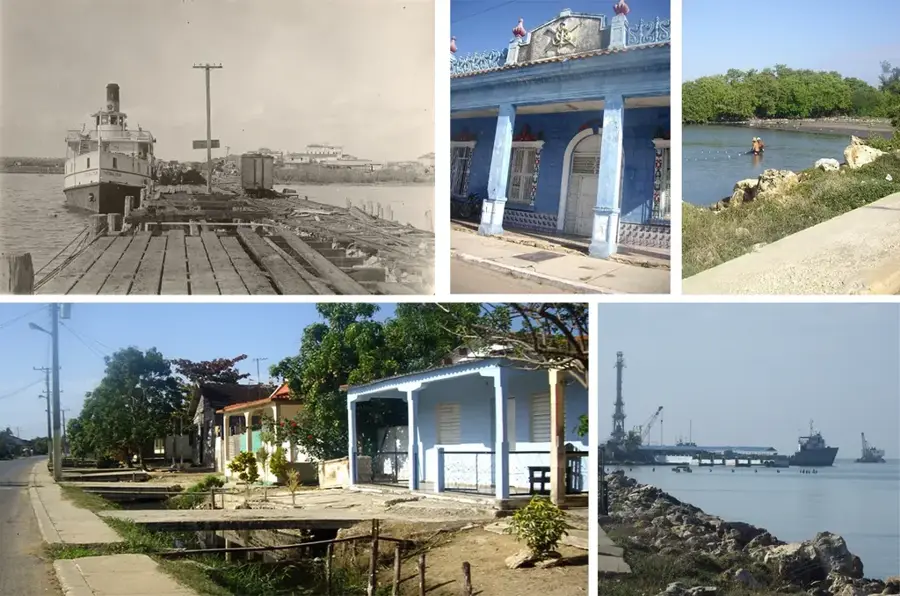
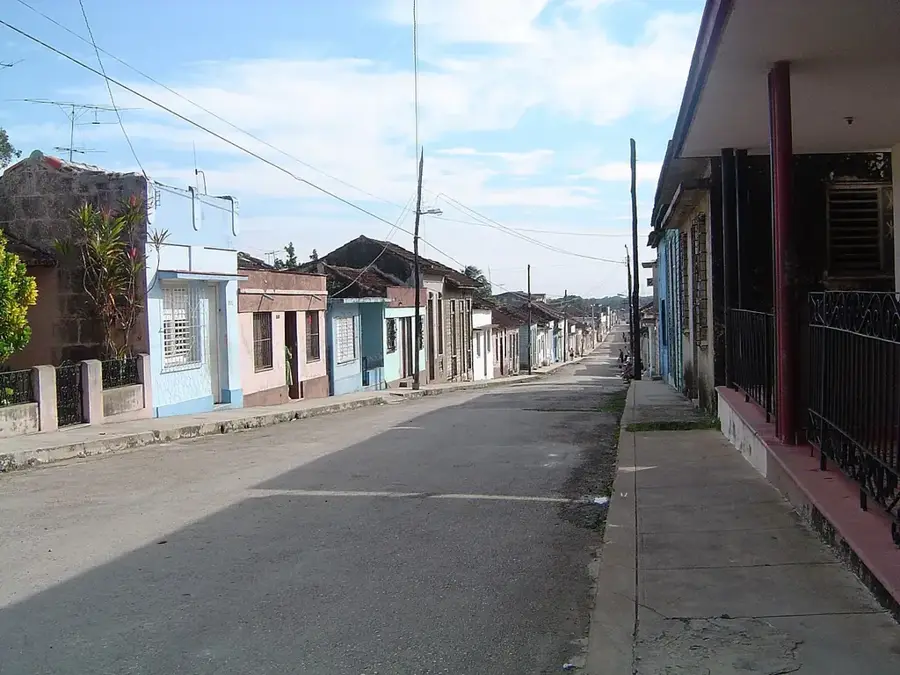
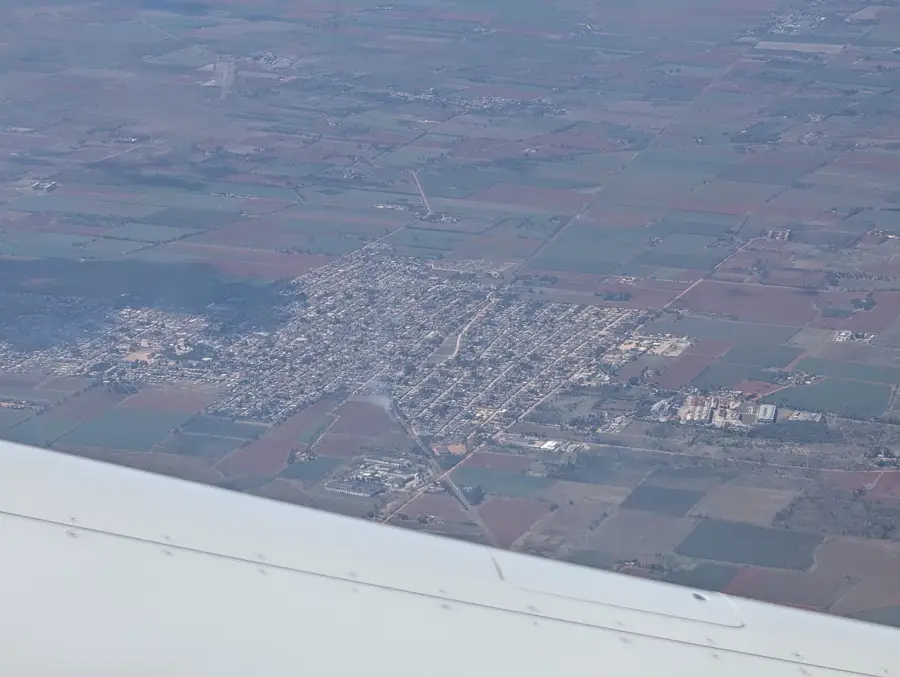
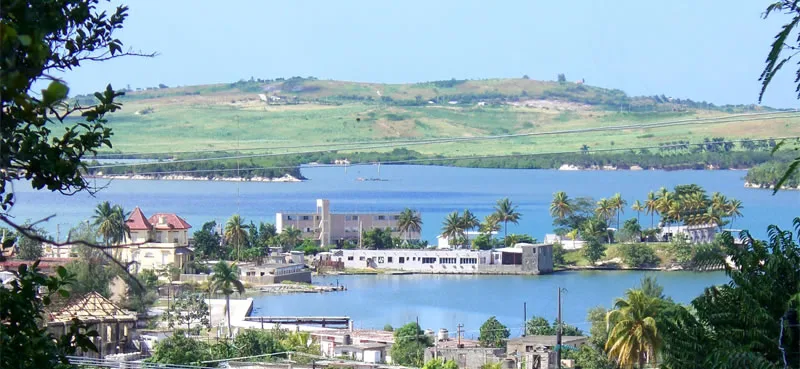
Güines is a historic city in the province of Mayabeque and one of the oldest agricultural centers in Cuba. Founded in the 18th century on the banks of the Mayabeque River, the city played a key role in the development of the Cuban sugar industry and was the terminus of the first railway line in Latin America in 1837, connecting Havana with the region's productive sugarcane fields. The city is famous for its fertile soils, watered by a sophisticated historical irrigation system, and is now primarily used for growing potatoes and vegetables. Architecturally, Güines gives a rich heritage of colonial buildings, including the San Julián Church and numerous mansions from the sugar boom era. Culturally, Güines is deeply rooted in Afro-Cuban traditions, particularly through the presence of influential Santería communities and the promotion of local music styles. Despite economic challenges, the city maintains its identity as the 'Villa de Mayabeque' and remains an important commercial and cultural center for the surrounding area.
Explore on the map
How well do you know Cuba?
Find cities, landscapes and regions in 10 varied challenges on the interactive map.
Your journey, your memory
A postcard from Güines
Turn your own photo into a personal postcard with a local stamp. Free and no sign-up required.
Create a postcard- Location: Cuba
- Nearby: Melena del Sur (14 km)
- Population: ~68.935 (2023)
Best time to visit & climate
The most pleasant time to visit is Jan, Feb, Dec.
| Jan | Feb | Mar | Apr | May | Jun | Jul | Aug | Sep | Oct | Nov | Dec | |
|---|---|---|---|---|---|---|---|---|---|---|---|---|
| Avg °C | 23 | 24 | 25 | 27 | 28 | 29 | 29 | 29 | 29 | 27 | 25 | 24 |
| Rain mm | 19 | 24 | 17 | 24 | 59 | 86 | 72 | 88 | 85 | 74 | 36 | 23 |
Geography
Facts
- Güines was officially founded in the year 1737.
- The Havana-Güines railway line was inaugurated on November 19, 1837.
- The city is considered the center of potato production in western Cuba.
- The Church of San Julián de los Güines is a national architectural monument.
- The region is known for the 'Rio Mayabeque,' which is celebrated in songs island-wide.
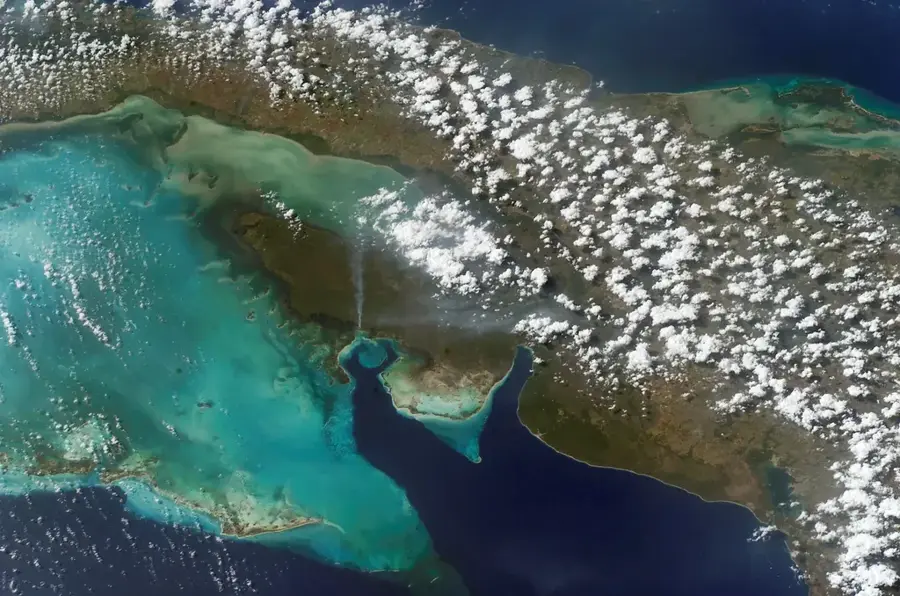
- Güines is located approximately 50 kilometers southeast of Havana.
Explore nearby
Notable places around
Route planner — Car & Motorhome
Where do you start? We build the route here, with stops and country notes along the way.
© OpenStreetMap contributors · OpenRouteService
Frequently asked questions
How old is Güines?
What is the economic basis?
Is there a railway history there?
What river flows through Güines?
What is a cultural specialty?
Güines: where is it located?
Güines: when is the best time to visit?
Güines: why is it worth visiting?

Nearby cities
History & landmarks
Nature
More places