Plizio Visual Lab
Artemisa
ℹ️Practical info — Artemisa
▾
🌤 Weather — 5 days
📍 Nearby
Sights nearby
💡 Tips
- Look out for 'amarillos' (inspectors in yellow) on the main roads who assist with safe and cheap hitchhiking.
- Always carry cash (Cuban Pesos); card payments are extremely uncommon outside of large hotels.
- For internet access, buy an ETECSA card and head to the central park where the Wi-Fi hotspot is located.
- For trips to neighboring towns, 'máquinas' (classic shared taxis) are your best bet, agree on the price beforehand.
🍽 Food
The classic shredded beef in a rich tomato sauce, served in almost every local 'paladar'.
Juicy Cuban roast pork, freshly prepared especially on weekends at the agricultural markets.
Freshly squeezed sugarcane juice, sold ice-cold at small street stands as the well-suited refreshment.
🛍 Shopping · 🧘 Quiet spots
The farmers' market is the best place to buy incredibly fresh, local tropical fruits like mangoes and papayas.
Buy fresh, unbranded cigars from small state or private shops away from the main tourist paths.
Located just outside the city, these historic plantation ruins offer a wonderfully peaceful atmosphere in nature.
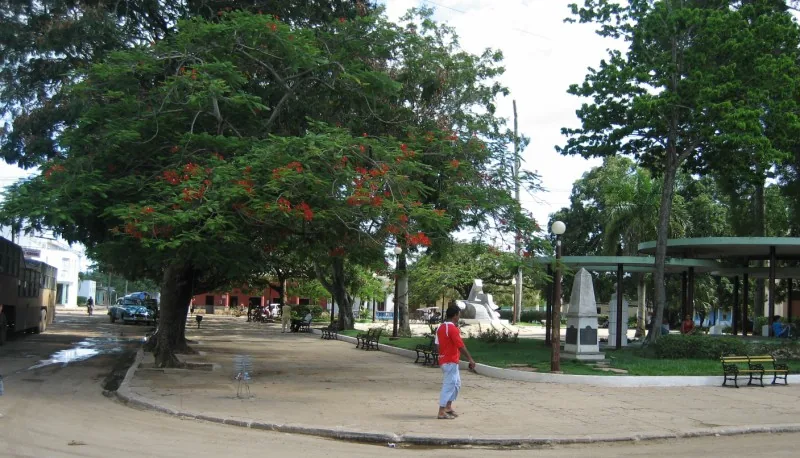
In the early morning, the central park is pleasantly quiet and well-suited for watching the city slowly wake up.
Water temperature…
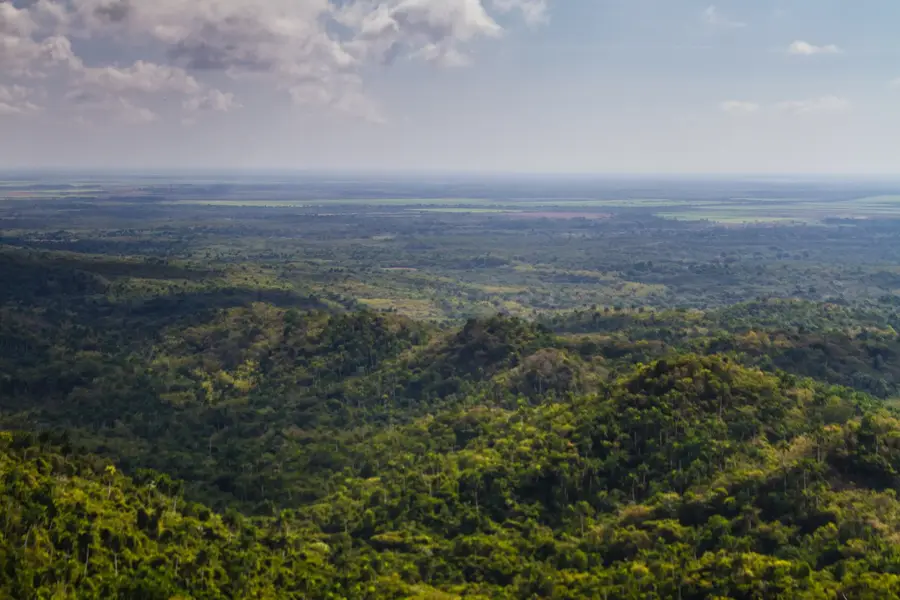
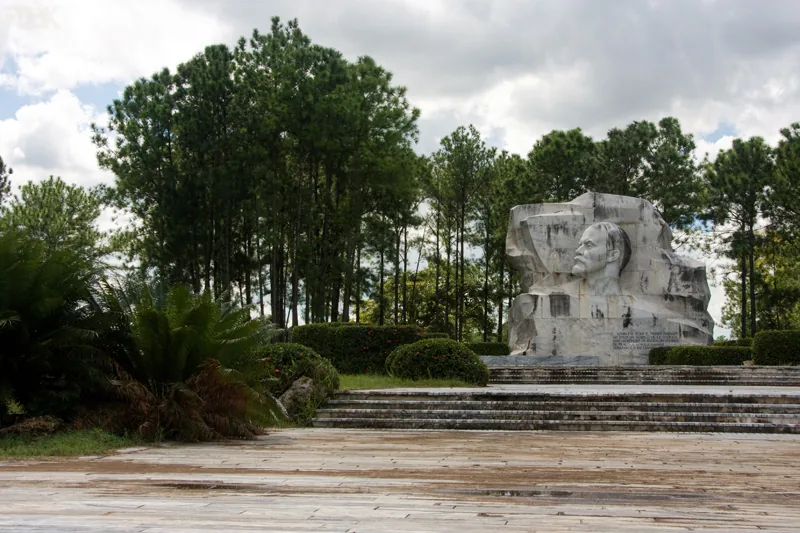
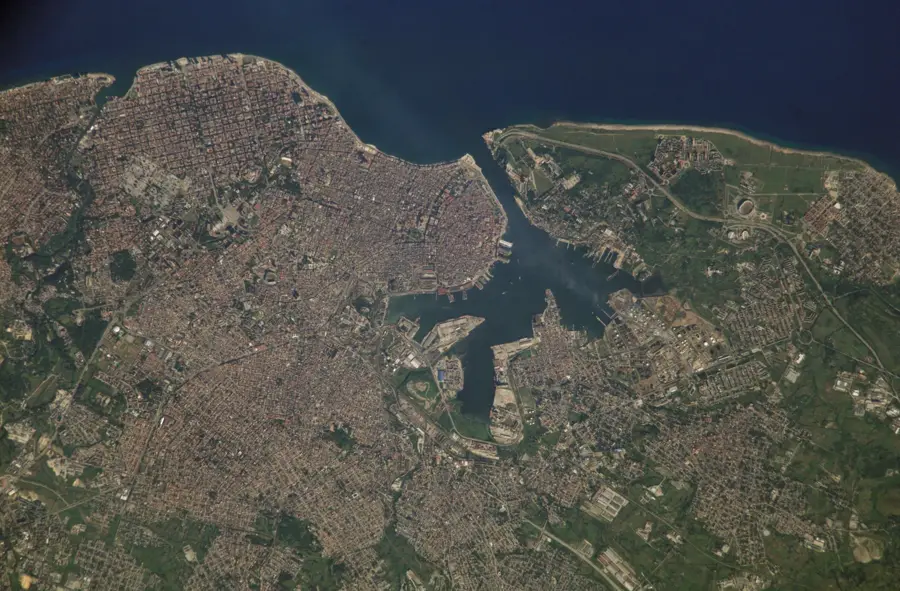
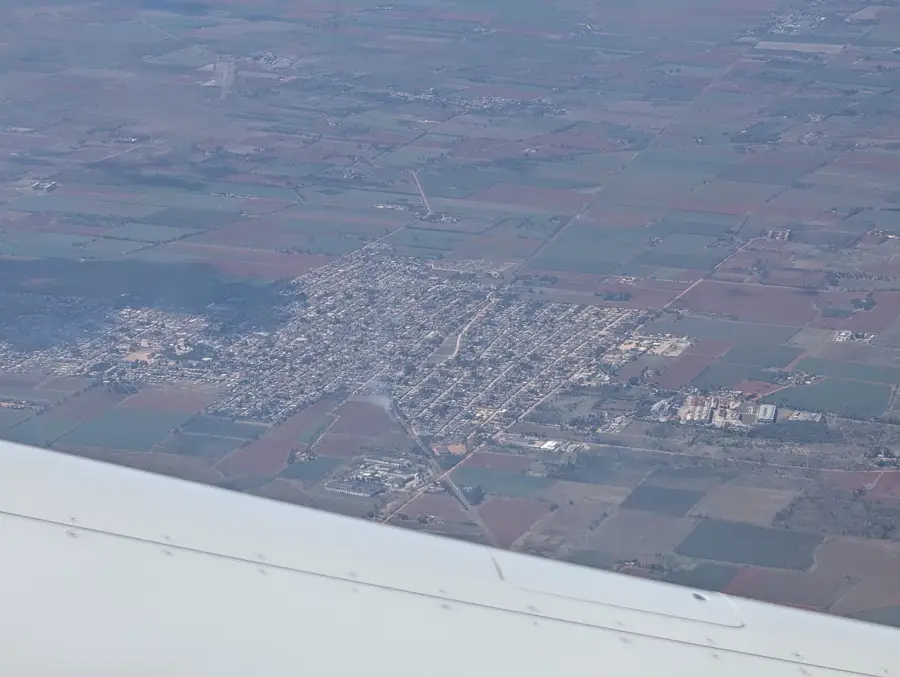
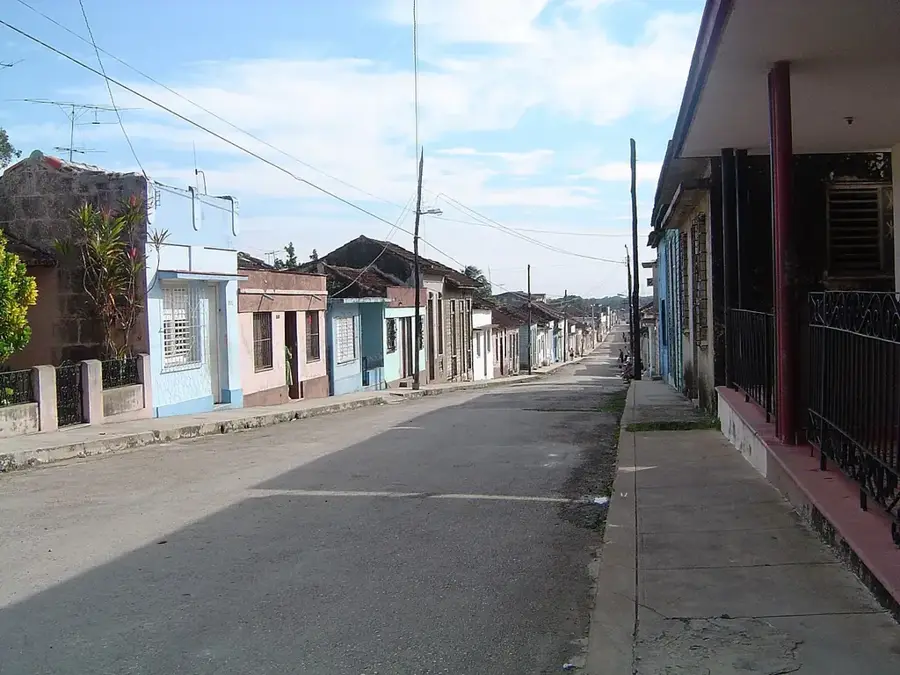
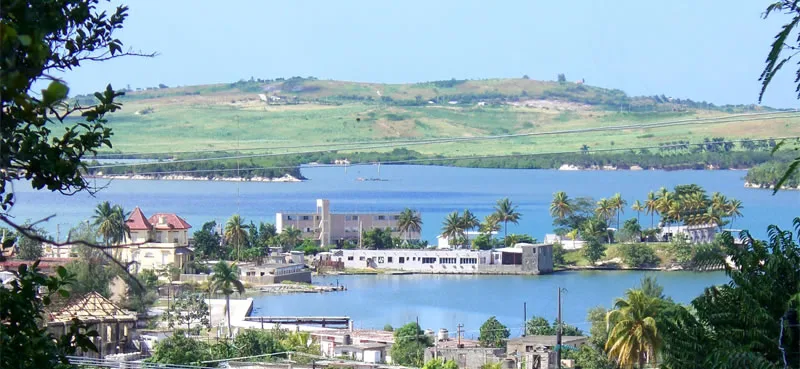
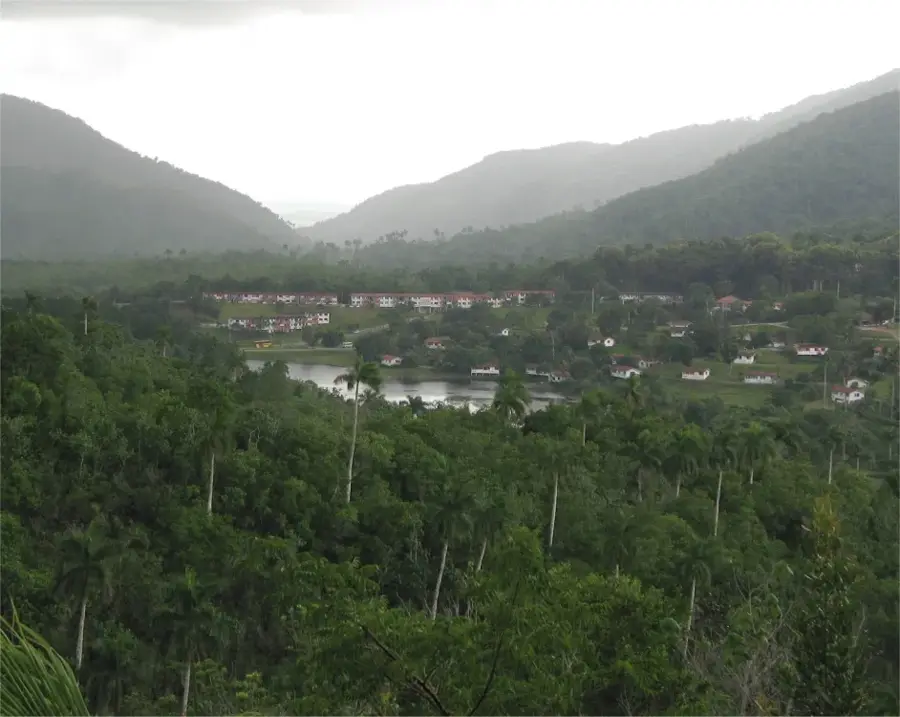
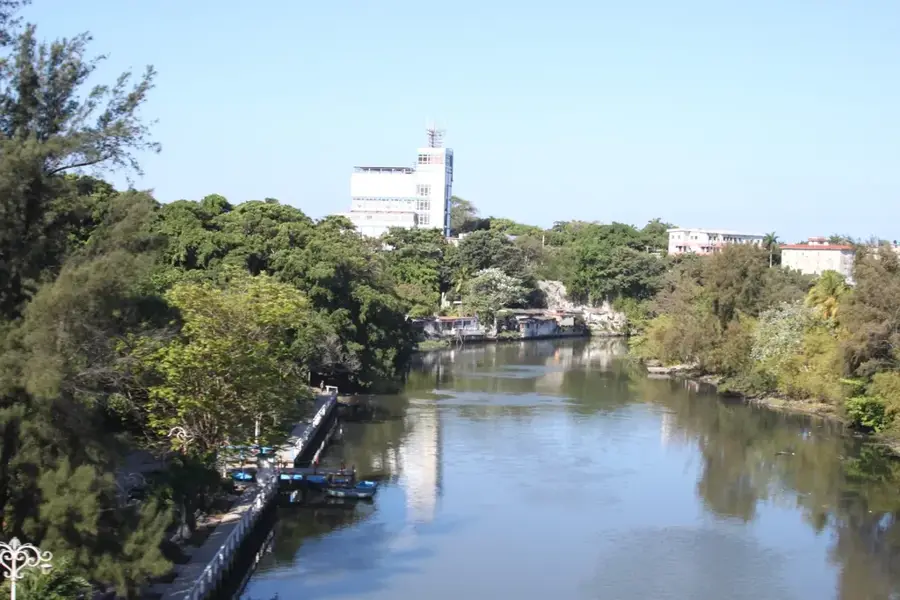
Artemisa, the capital city of the Artemisa Province in western Cuba, is a historic and agricultural center located approximately 60 kilometers southwest of Havana. Founded in the early 19th century (officially in 1818), its origins are closely linked to the expansion of coffee and sugar plantations by settlers fleeing from Saint-Domingue. The city is often referred to as the 'Garden of Cuba' or the 'Red Village' (Villa Roja), due to the characteristic red ferruginous soils of the region, which are among the most fertile on the island and support intensive crops of tobacco, citrus fruits, and tubers. Artemisa holds a place of high honor in Cuban history as the 'Cradle of the Revolution's Martyrs.' It provided the largest contingent of fighters for the 1953 attack on the Moncada Barracks, a pivotal moment in the struggle against the Batista dictatorship. This legacy is memorialized at the Martyrs of Artemisa Mausoleum, a significant site of national remembrance. Geographically, while the city sits on a plain, its northern borders touch the Sierra del Rosario, an UNESCO Biosphere Reserve that hosts a remarkable array of endemic flora and fauna and world-class ecotourism sites like Las Terrazas and Soroa. In 2011, Artemisa's importance grew significantly when it was designated the capital of its namesake province, leading to urban development and the establishment of new administrative and educational institutions. The city's architecture features a blend of 19th-century neoclassical buildings and more contemporary Cuban styles, with several pleasant plazas and parks serving as social hubs. The cultural life of Artemisa is deeply rooted in 'Guajiro' (peasant) traditions, with local festivities often featuring traditional music, poetry, and agrarian fairs. Despite its proximity to the sprawling metropolis of Havana, Artemisa maintains a distinct, slower-paced provincial charm, offering a window into the authentic rural life and revolutionary pride of western Cuba. It is a vital economic engine for the country, supplying a significant portion of the capital's food needs while preserving a rich historical narrative.
Explore on the map
How well do you know Cuba?
Find cities, landscapes and regions in 10 varied challenges on the interactive map.
Your journey, your memory
A postcard from Artemisa
Turn your own photo into a personal postcard with a local stamp. Free and no sign-up required.
Create a postcard- Location: Cuba
- Highlights: Artemisa Province · Circuito Sur
- Nearby: Guanajay (15 km)
- Population: ~68.073 (2026)
Best time to visit & climate
The most pleasant time to visit is Jan, Feb, Dec.
| Jan | Feb | Mar | Apr | May | Jun | Jul | Aug | Sep | Oct | Nov | Dec | |
|---|---|---|---|---|---|---|---|---|---|---|---|---|
| Avg °C | 23 | 24 | 25 | 26 | 28 | 29 | 29 | 29 | 29 | 28 | 25 | 24 |
| Rain mm | 38 | 32 | 25 | 38 | 70 | 117 | 86 | 118 | 117 | 98 | 49 | 32 |
Geography
Facts
- Artemisa was founded in 1818 by settlers from the Havana area.
- It became the capital of the newly formed Artemisa Province in 2011.
- The city is known as the 'Cradle of the Revolution's Martyrs'.
- The red soil of the region is exceptionally rich in iron and highly fertile.
- The Martyrs of Artemisa Mausoleum was inaugurated in 1977.
- Artemisa is located about 60 km (37 miles) southwest of Havana.
- The Sierra del Rosario mountains provide a nearby site for ecological research.
- The local economy is heavily focused on tobacco, fruit, and sugarcane production.
Explore nearby
Notable places around
Route planner — Car & Motorhome
Where do you start? We build the route here, with stops and country notes along the way.
© OpenStreetMap contributors · OpenRouteService
Sights in the town Artemisa (2)
Frequently asked questions
What is the most famous historical site in Artemisa?
Why is the city historically significant?
How is the soil in the region?
What is grown there?
When is the patron saint festival?
Artemisa: where is it located?
Artemisa: what is there to see?
Artemisa: when is the best time to visit?
Artemisa: why is it worth visiting?
Nearby cities
History & landmarks
Nature
More places