Plizio Visual Lab
Cave of the Indian
Weather…
Water temperature…
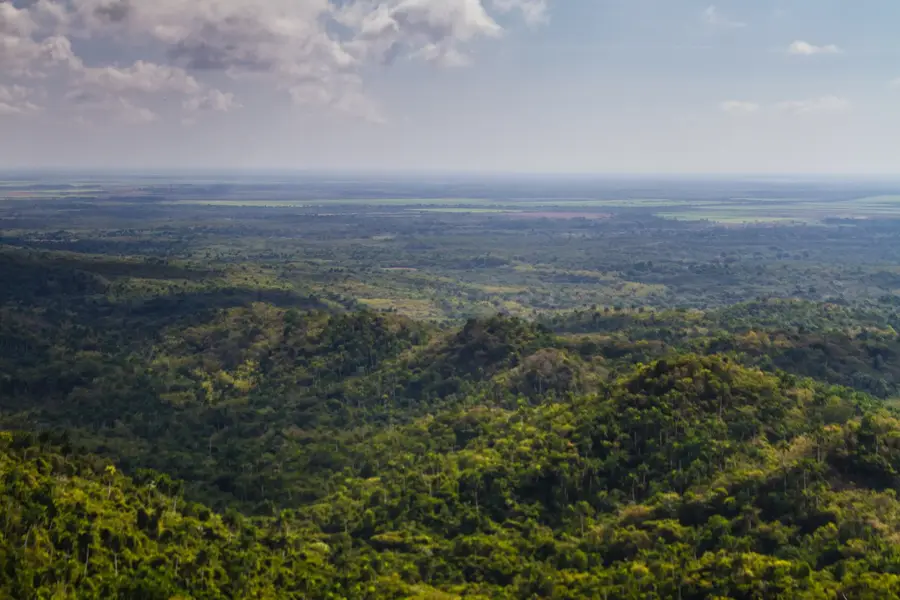
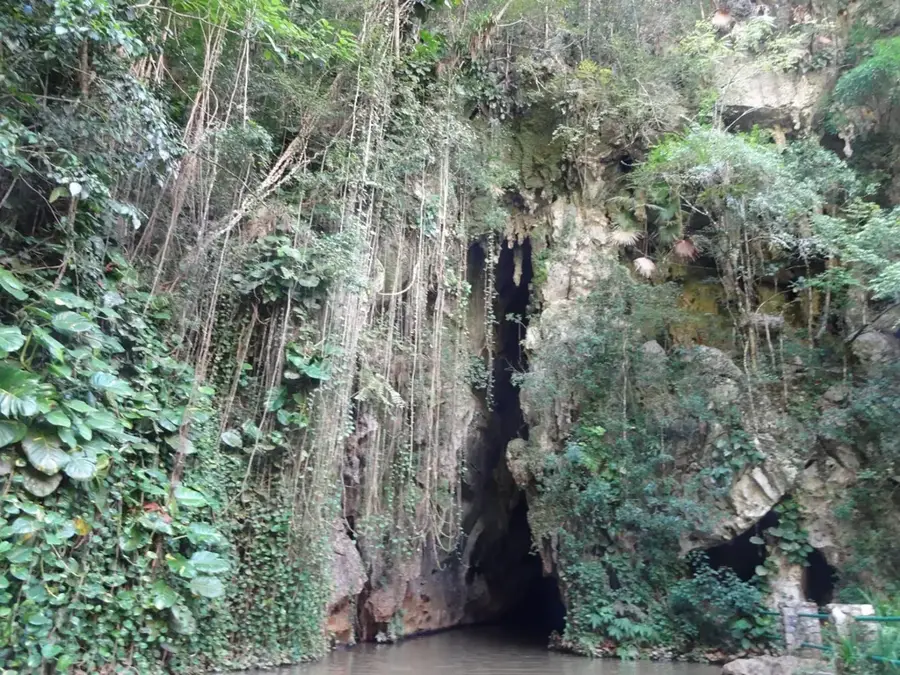
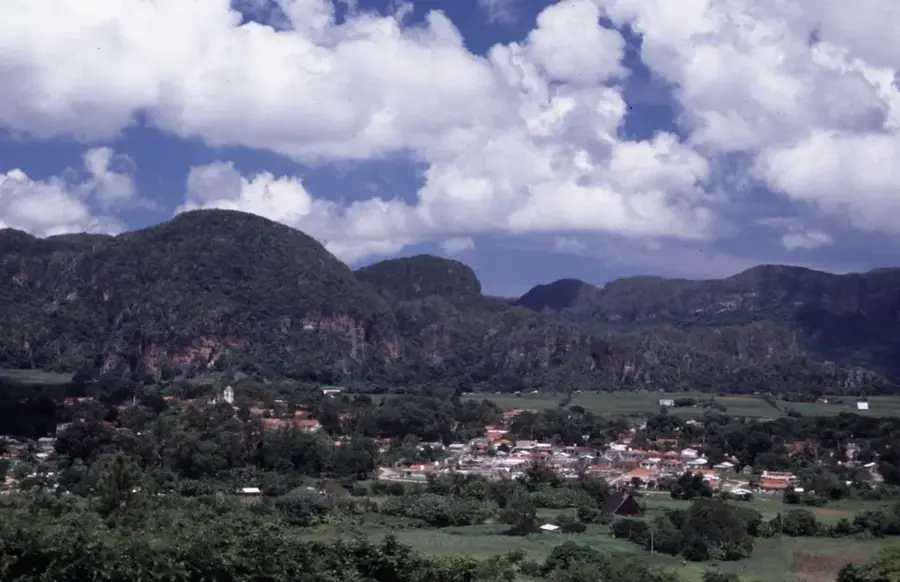
The Cueva del Indio is one of the most famous karst caves in the Viñales Valley, offering an impressive natural experience in the province of Pinar del Río. The cave was rediscovered in 1920 by a local farmer and later developed for tourism after remains of indigenous cultures were found inside. Visitors traverse the first part of the route on foot before transferring to small boats to navigate the underground San Vicente River. The cave is renowned for its spectacular stalactites and stalagmites, many of which are highlighted by artificial lighting and resemble various figures. The cave system is part of the Viñales National Park, a UNESCO World Heritage site. The developed tourist path is several hundred meters long, although the entire cave system is significantly more extensive. Geologically, it is a typical karst formation within the 'mogotes,' the characteristic limestone hills of the region. The Cueva del Indio serves as an important witness to Cuba's pre-Columbian history, as it once provided refuge for the Guanahatabey indigenous people.
Explore on the map
How well do you know Cuba?
Find cities, landscapes and regions in 10 varied challenges on the interactive map.
Your journey, your memory
A postcard from Cave of the Indian
Turn your own photo into a personal postcard with a local stamp. Free and no sign-up required.
Create a postcard- Location: Cuba
- Highlights: Viñales · Viñales Valley · Sierra de los Órganos
- Nearby: Consolación del Sur (22 km)
Best time to visit & climate
The most pleasant time to visit is Jan, Feb, Dec.
| Jan | Feb | Mar | Apr | May | Jun | Jul | Aug | Sep | Oct | Nov | Dec | |
|---|---|---|---|---|---|---|---|---|---|---|---|---|
| Avg °C | 22 | 23 | 24 | 26 | 28 | 28 | 29 | 29 | 28 | 27 | 25 | 23 |
| Rain mm | 35 | 28 | 25 | 35 | 76 | 124 | 95 | 120 | 119 | 93 | 38 | 24 |
📋 Practical info
Geography
Facts
- The modern rediscovery of the cave occurred in 1920.
- The underground river within the cave is named San Vicente.
- It is located in the UNESCO-listed Viñales Valley.
- Pre-Columbian skeletons were discovered inside the cave.
- The cave once served as a dwelling for Guanahatabey Indians.
- Part of the tour is conducted using motorized boats.
Explore nearby
Notable places around
Route planner — Car & Motorhome
Where do you start? We build the route here, with stops and country notes along the way.
© OpenStreetMap contributors · OpenRouteService
Sights in the town Cave of the Indian (3)
Sights nearby
Frequently asked questions
Does the visit include a boat trip?
Is the cave well-lit?
How long is the walk inside?
When is the best time to visit?
What is the temperature inside the cave?
Cave of the Indian: where is it located?
Cave of the Indian: what is there to see?
Cave of the Indian: when is the best time to visit?
Cave of the Indian: why is it worth visiting?

Nearby cities
History & landmarks
More places