Plizio Visual Lab
Jobabo
ℹ️Practical info — Jobabo
▾
🌤 Weather — 5 days
📍 Nearby
Sights nearby
💡 Tips
- Cash is king here; carry enough Cuban Pesos (CUP) as card payments are rare.
- Purchase ETECSA internet cards to use Wi-Fi in the main public parks.
- Getting around often involves horse-drawn carts (coches) or bici-taxis; agree on the price first.
- The central park is the best place to experience local life in the early evening.
- Bring good mosquito repellent, especially for evenings or rural walks.
🍽 Food
Roast pork served in local family-run paladares
Traditional rice and black beans
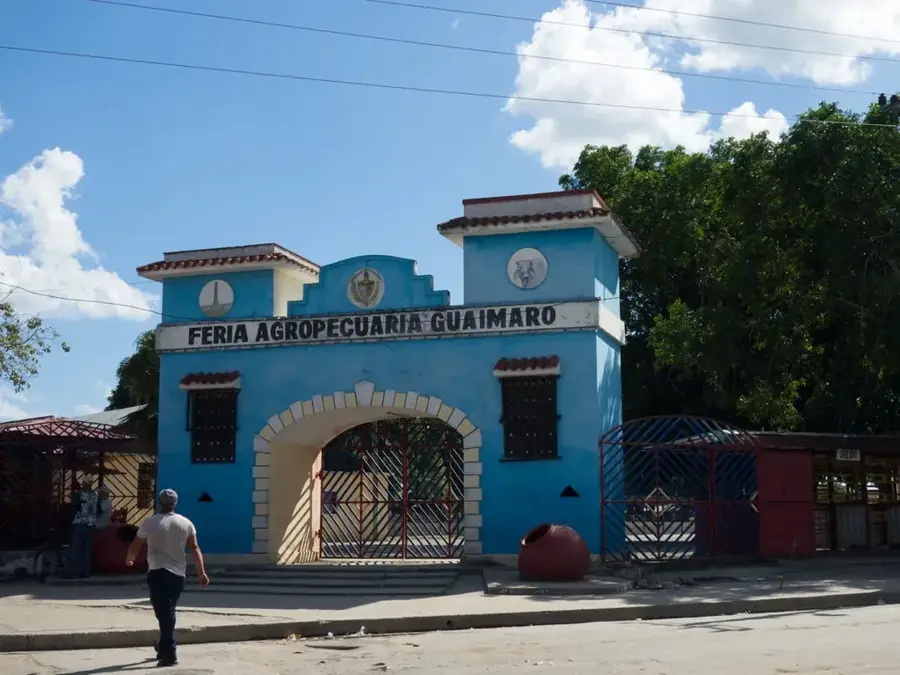
From local street vendors or the agricultural market
🛍 Shopping · 🧘 Quiet spots
The local farmers market for fresh seasonal produce
For small handmade wooden items or cigars, if available
Take a walk on the outskirts for peaceful rural landscapes
Quiet during the hot early afternoon hours
Water temperature…
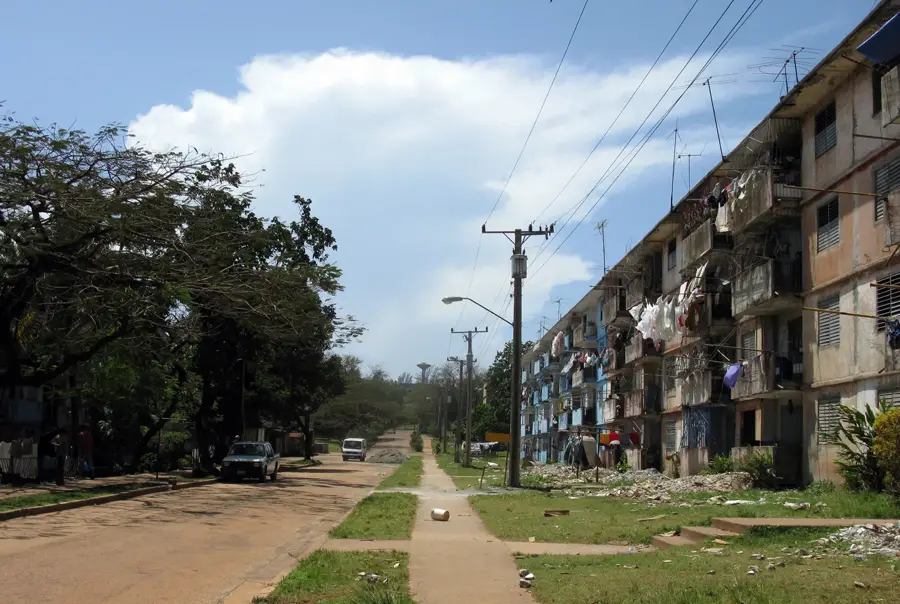
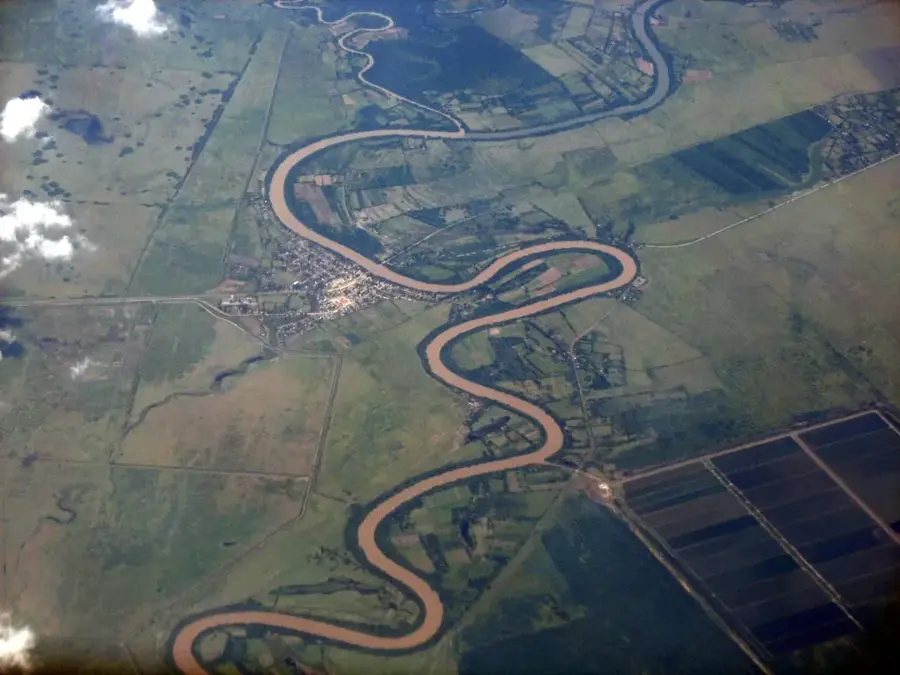
Jobabo is a municipality in the southwest of Las Tunas province, which historically gained importance primarily through gold mining and agriculture. The town's founding dates back to the colonial exploitation of gold mines, but today the region is characterized mainly by agro-industrial production. The landscape is defined by vast plains and the presence of several rivers, including the Jobabo River, which favors livestock farming and sugarcane cultivation. The town's architecture reflects a mix of traditional Cuban styles and modern functional buildings. Jobabo is known for its strong connection to local folklore and rural traditions, which are celebrated in annual festivals. In recent years, efforts have been made to diversify the industrial base, including wood processing and food production. The region serves as an important link between Las Tunas and Granma province, making it a strategic point in regional trade.
Explore on the map
How well do you know Cuba?
Find cities, landscapes and regions in 10 varied challenges on the interactive map.
Your journey, your memory
A postcard from Jobabo
Turn your own photo into a personal postcard with a local stamp. Free and no sign-up required.
Create a postcard- Location: Cuba
- Nearby: Colombia (17 km)
- Population: ~49.403 (2023)
Best time to visit & climate
The most pleasant time to visit is Jan, Feb, Dec.
| Jan | Feb | Mar | Apr | May | Jun | Jul | Aug | Sep | Oct | Nov | Dec | |
|---|---|---|---|---|---|---|---|---|---|---|---|---|
| Avg °C | 24 | 25 | 26 | 27 | 28 | 28 | 29 | 29 | 28 | 27 | 25 | 25 |
| Rain mm | 19 | 22 | 39 | 53 | 138 | 150 | 76 | 119 | 127 | 126 | 46 | 21 |
Geography
Facts
- The region was the site of important battles during the War of Independence in 1895.
- The Jobabo River marks the boundary with Granma province.
- The 'Perú' sugar mill is the economic center of the municipality.
- During the colonial era, Jobabo was considered one of Cuba's richest gold regions.
- The municipality possesses significant kaolin deposits.
- The festival of rural traditions is held annually in the town.
Explore nearby
Notable places around
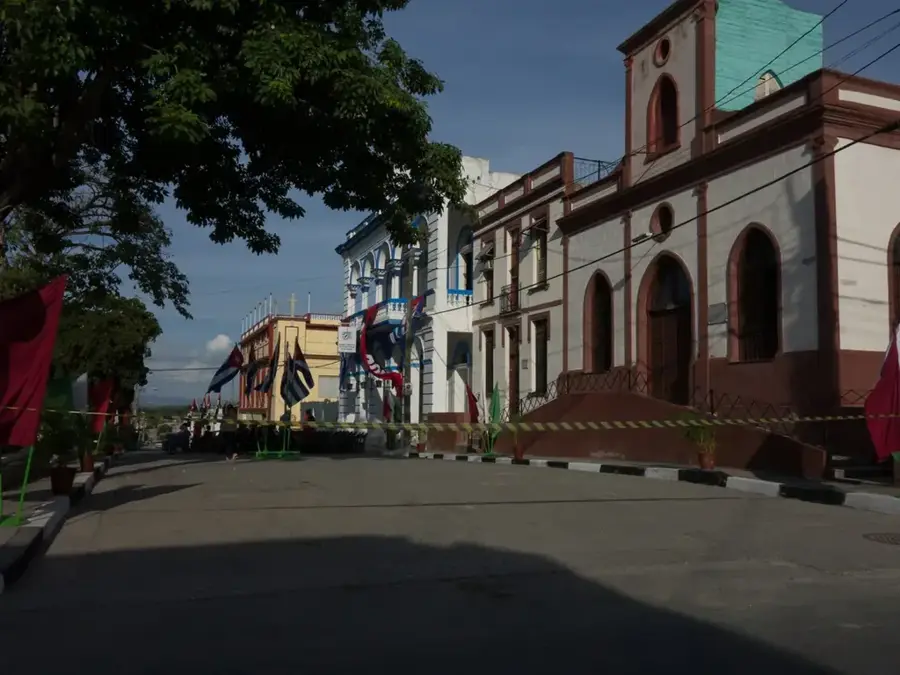
Route planner — Car & Motorhome
Where do you start? We build the route here, with stops and country notes along the way.
© OpenStreetMap contributors · OpenRouteService
Frequently asked questions
Where is Jobabo located?
What is the region known for?
Are there historical buildings?
How to reach Jobabo?
What culinary specialties are there?
Jobabo: where is it located?
Jobabo: when is the best time to visit?
Jobabo: why is it worth visiting?
Nearby cities
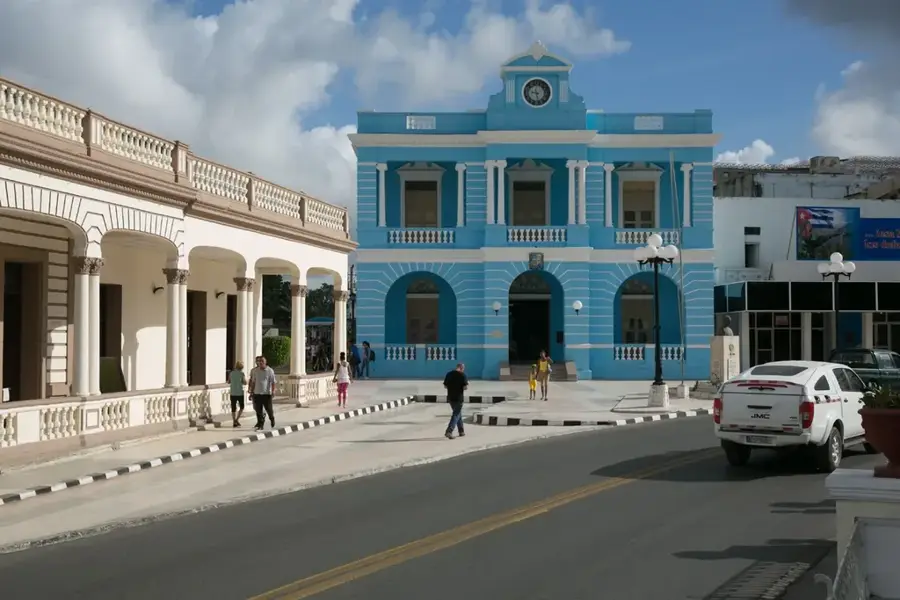
History & landmarks
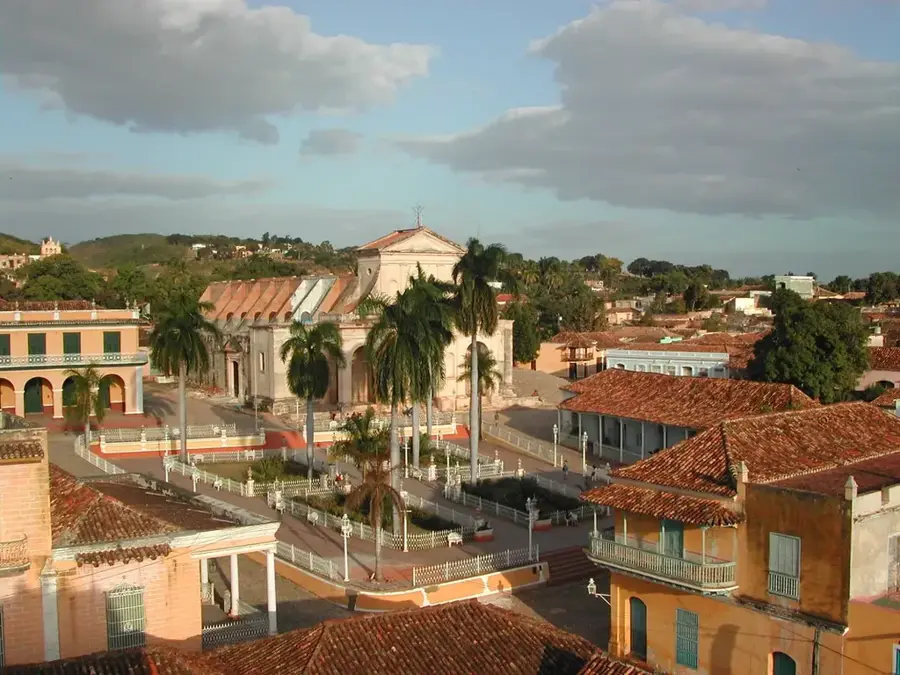
More places