Plizio Visual Lab
Victoria de Las Tunas
ℹ️Practical info — Victoria de Las Tunas
▾
🌤 Weather — 5 days
📍 Nearby
Sights nearby
💡 Tips
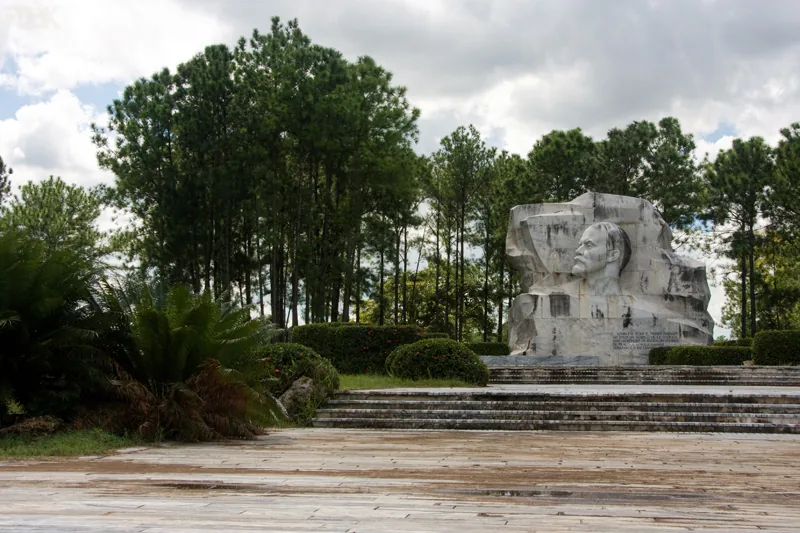
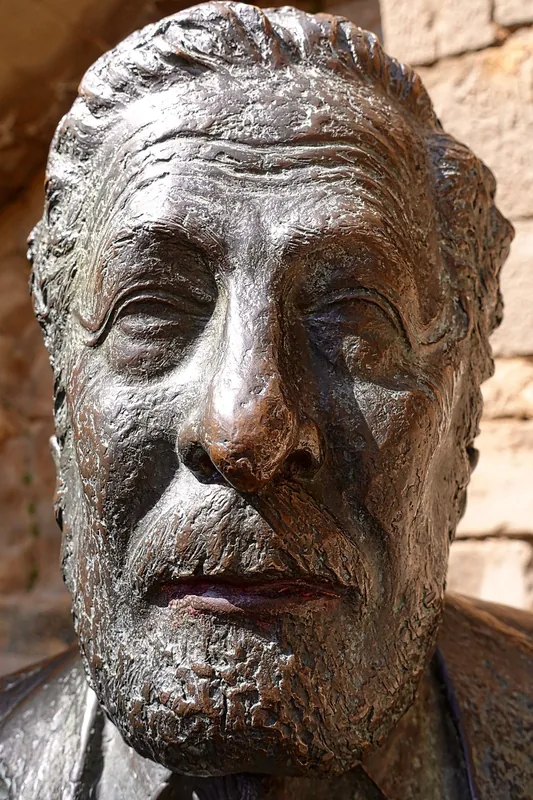
- Take a walking tour of the center to spot the city's famous outdoor sculptures (there are over 100 scattered around).
- The climate here is extremely hot and dry; it is best to schedule outdoor walks for the early morning.
- Use local bicitaxis for short trips, but always agree on the CUP fare with the driver before sitting down.
- Visit the local Casa de la Música for authentic Cuban son without the heavy tourist crowds typically found in Havana.
🍽 Food
A rich, traditional stew made of meat and root vegetables that was invented here. Try it in local paladares (private restaurants).
Cuban-style roast pork. You will find the best, most tender portions in family-run eateries around the center.
Freshly squeezed sugar cane juice. Look for small street stalls where it is served ice cold, the well-suited refreshment.
🛍 Shopping · 🧘 Quiet spots
Visit the 'Fondo de Bienes Culturales' to purchase authentic local ceramics, small sculptures, and leather goods.
Always buy these at the official, state-run stores in the city center to ensure quality and avoid street counterfeits.
The shaded main park of the city. Sit on a bench, connect to the Wi-Fi zone, and enjoy some peaceful people-watching.
A wooded suburban park famous for its giant bamboo groves and as the legendary birthplace of the local caldosa stew.
Water temperature…
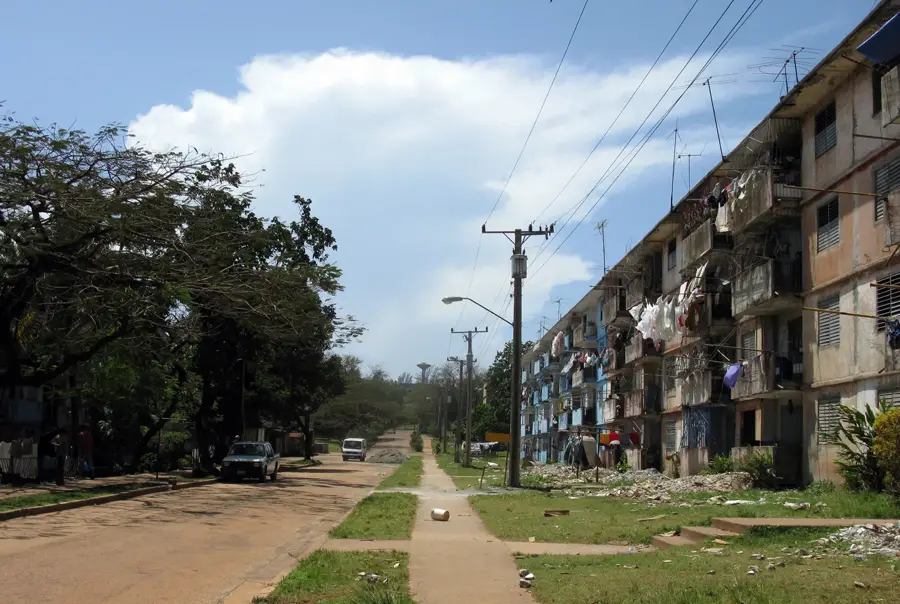
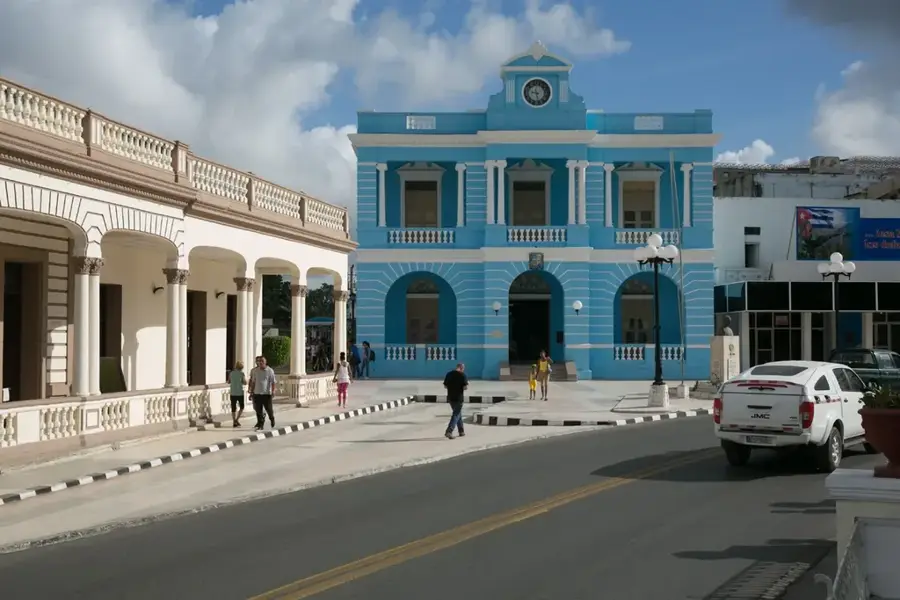
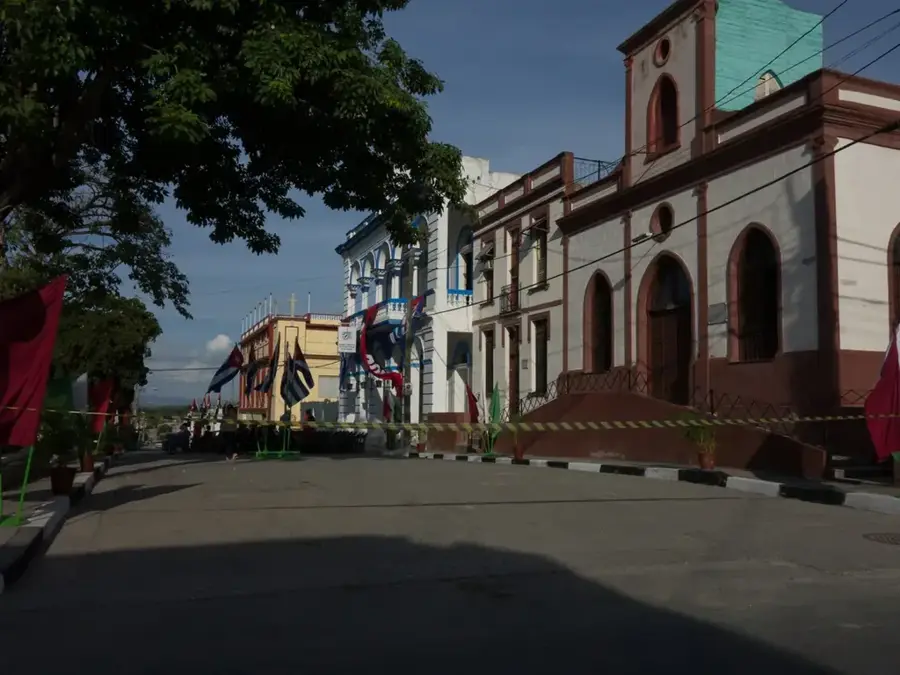
Victoria de Las Tunas, frequently referred to as the 'Balcony of the Orient,' occupies a strategic position as the gateway between central and eastern Cuba. The city’s history is defined by a fierce spirit of independence; during the 19th-century wars against Spanish colonial rule, the residents famously burned their own city to the ground three times to prevent it from falling into enemy hands. This legacy of sacrifice is encapsulated in the city's motto, 'Burned before Slave.' Today, the city has reinvented itself as the 'Capital of Sculptures,' boasting a unique collection of over 100 monumental sculptures distributed across its parks and plazas, making it one of the most distinctive urban environments in the Caribbean. Culturally, the city is the spiritual home of the 'Jornadas Cucalambeanas,' an international festival celebrating rural poetry, folklore, and the traditions of the Cuban 'guajiro.' Economically, Victoria de Las Tunas is a vital industrial hub, featuring a major steel plant and a robust food processing sector linked to the surrounding sugar cane estates. The architectural layout is relatively modern, characterized by wide avenues and functional designs that emerged during the post-independence rebuilding phases. Key historic sites include the Vicente García Memorial, located in the birthplace of the famed independence general. The city serves as a crucial transportation node, connecting the island’s main highway and railway networks. Its demographic makeup is an animated reflection of eastern Cuban identity, known for its hospitality and strong literary tradition. Despite its industrial importance, the city maintains a high level of cultural engagement, with numerous galleries, theaters, and libraries. Victoria de Las Tunas stands as a resilient pillar of Cuban nationalism, blending its heroic past with a modern identity centered on art, industry, and rural tradition.
Explore on the map
How well do you know Cuba?
Find cities, landscapes and regions in 10 varied challenges on the interactive map.
Your journey, your memory
A postcard from Victoria de Las Tunas
Turn your own photo into a personal postcard with a local stamp. Free and no sign-up required.
Create a postcard- Location: Cuba
- Nearby: Calixto García (29 km)
- Population: ~203.684 (2026)
Best time to visit & climate
The most pleasant time to visit is Jan, Feb, Dec.
| Jan | Feb | Mar | Apr | May | Jun | Jul | Aug | Sep | Oct | Nov | Dec | |
|---|---|---|---|---|---|---|---|---|---|---|---|---|
| Avg °C | 25 | 25 | 26 | 27 | 28 | 28 | 29 | 29 | 29 | 27 | 26 | 25 |
| Rain mm | 23 | 21 | 30 | 44 | 112 | 117 | 62 | 91 | 99 | 121 | 55 | 27 |
Geography
Facts
- Known as the 'Capital of Sculptures' with over 100 public art pieces.
- Burned to the ground three times by its own citizens during independence wars.
- Provincial capital with a population of approximately 170,000.
- Site of the Vicente García Memorial, dedicated to the local general.
- Hosts the 'Jornadas Cucalambeanas', celebrating rural Cuban culture.
- Major industrial center, home to the ACINOX steel production plant.
- Nicknamed the 'Balcony of the Orient' due to its geographic position.
- The city was officially established in 1796.
Explore nearby
Notable places around
Route planner — Car & Motorhome
Where do you start? We build the route here, with stops and country notes along the way.
© OpenStreetMap contributors · OpenRouteService
Sights in the town Victoria de Las Tunas (1)
Frequently asked questions
Why is it called the city of sculptures?
When is the carnival?
Are there parks?
What is Jornada Cucalambeana?
What is the climate like?
Victoria de Las Tunas: where is it located?
Victoria de Las Tunas: when is the best time to visit?
Victoria de Las Tunas: why is it worth visiting?

Nearby cities
History & landmarks
More places