Plizio Visual Lab
Cimarron Culture

Weather…
Water temperature…
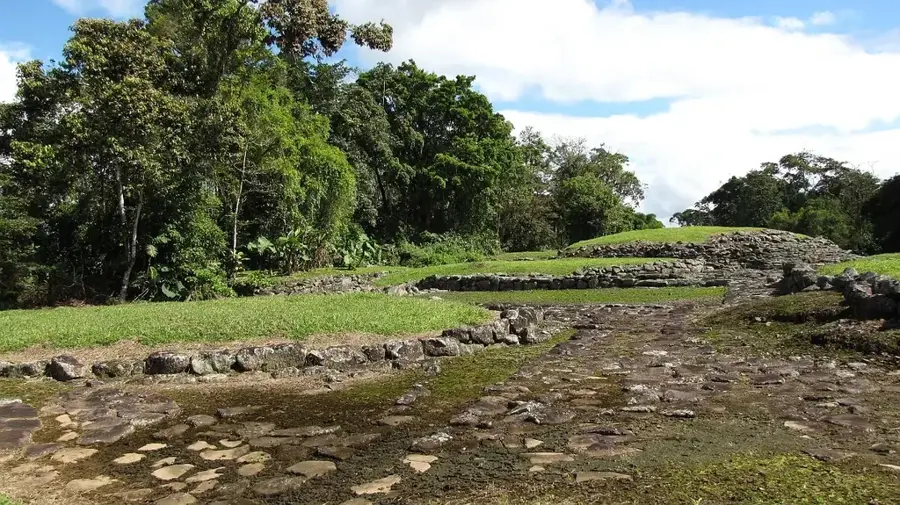
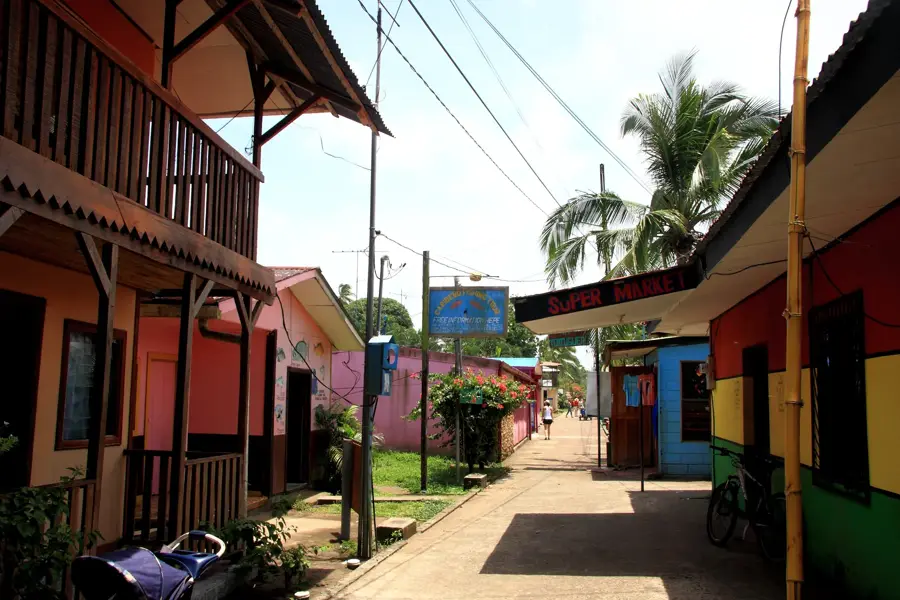
Cimarron culture in Costa Rica refers to the descendants of enslaved Africans who escaped captivity during the colonial era to form autonomous communities in inaccessible mountain and coastal regions. These groups, often referred to as Maroons, sought refuge in the Talamanca Mountains and along the Caribbean coast, where they preserved their African traditions and fused them with local indigenous practices. The history of these communities is defined by their resistance against the Spanish Crown and their pursuit of freedom under extremely harsh conditions. Their cultural legacy remains palpable in the Limón province today, particularly in the local music, culinary traditions, and linguistic patterns. The Cimarrones developed unique agricultural techniques and social structures that enabled them to remain independent for several generations. This history of defiance is an integral component of the Afro-Costa Rican identity and significantly contributes to the nation's cultural diversity. Historical accounts from the 17th and 18th centuries document the existence of these settlements, which served as enduring symbols of liberty.
Explore on the map
How well do you know Costa Rica?
Find cities, landscapes and regions in 10 varied challenges on the interactive map.
Your journey, your memory
A postcard from Cimarron Culture
Turn your own photo into a personal postcard with a local stamp. Free and no sign-up required.
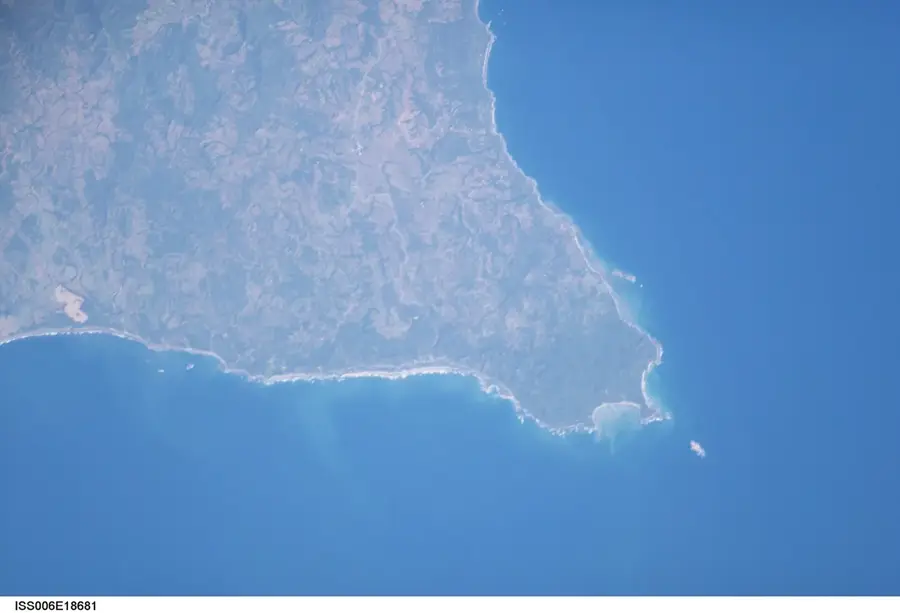
Create a postcard- Location: Costa Rica
- Nearby: Turrialba (23 km)
Best time to visit & climate
The most pleasant time to visit is Feb–Apr.
| Jan | Feb | Mar | Apr | May | Jun | Jul | Aug | Sep | Oct | Nov | Dec | |
|---|---|---|---|---|---|---|---|---|---|---|---|---|
| Avg °C | 19 | 19 | 20 | 21 | 21 | 21 | 20 | 21 | 21 | 20 | 20 | 20 |
| Rain mm | 119 | 70 | 76 | 117 | 243 | 239 | 253 | 214 | 231 | 285 | 258 | 162 |
📋 Practical info
Geography
Facts
- Developed in the 17th and 18th centuries
- Concentrated in the Limón province
- Maroons formed fortified settlements (palenques)
- Influenced Costa Rican Caribbean cuisine
- Resistance against Spanish colonial power
- Fusion of African and indigenous customs
Explore nearby
Notable places around
Route planner — Car & Motorhome
Where do you start? We build the route here, with stops and country notes along the way.
© OpenStreetMap contributors · OpenRouteService
Sights nearby
Frequently asked questions
Who were the Cimarrones?
Where can traces of this culture be found today?
Are there museums for Cimarrón culture?
What influence did they have on music?
What is a typical dish with Cimarrón roots?
Cimarron Culture: where is it located?
Cimarron Culture: when is the best time to visit?
Cimarron Culture: why is it worth visiting?

Nearby cities

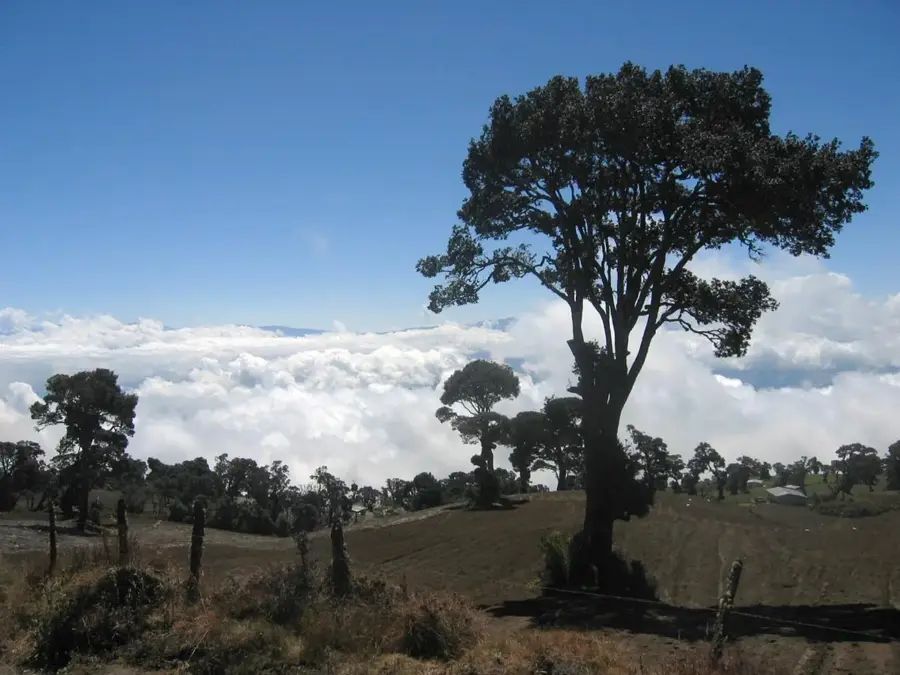
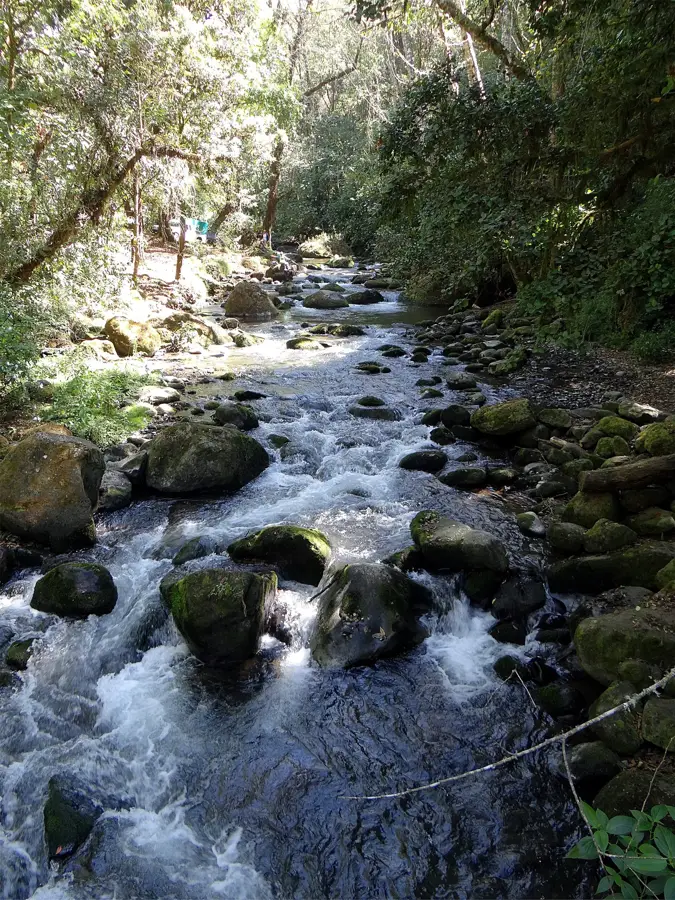
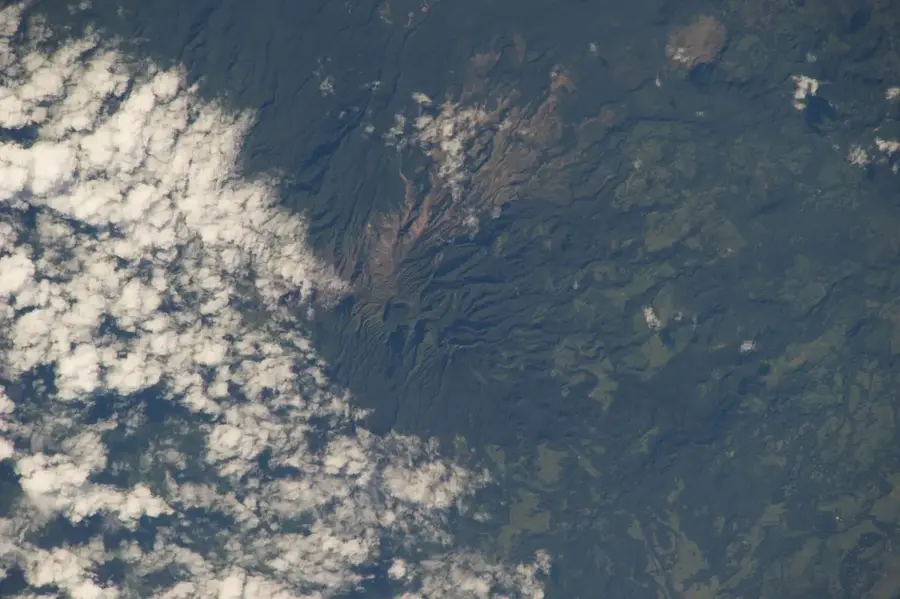
History & landmarks
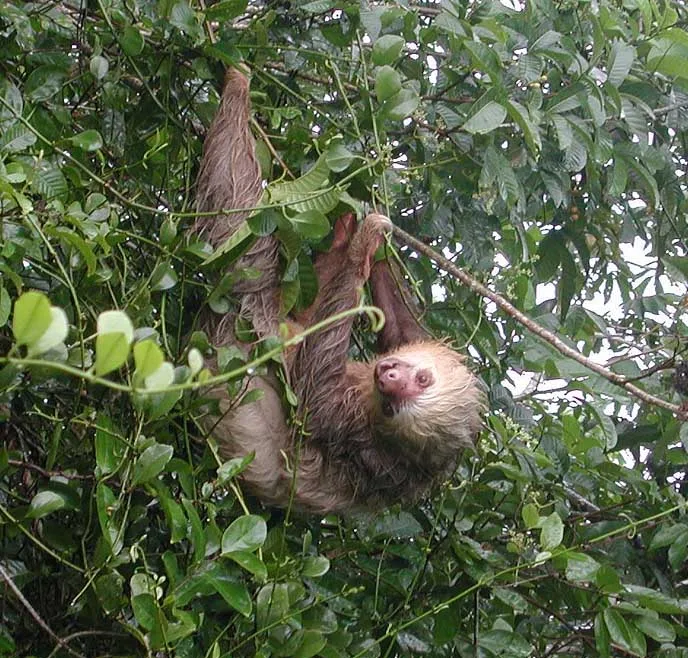
Nature
More places