Plizio Visual Lab
Historic Gandoca-Manzanillo
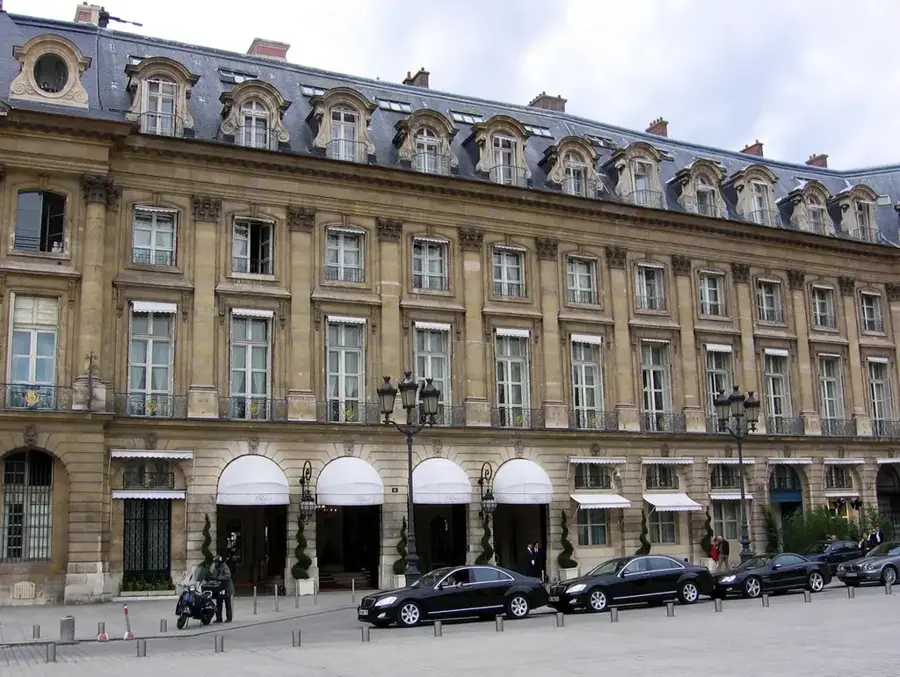
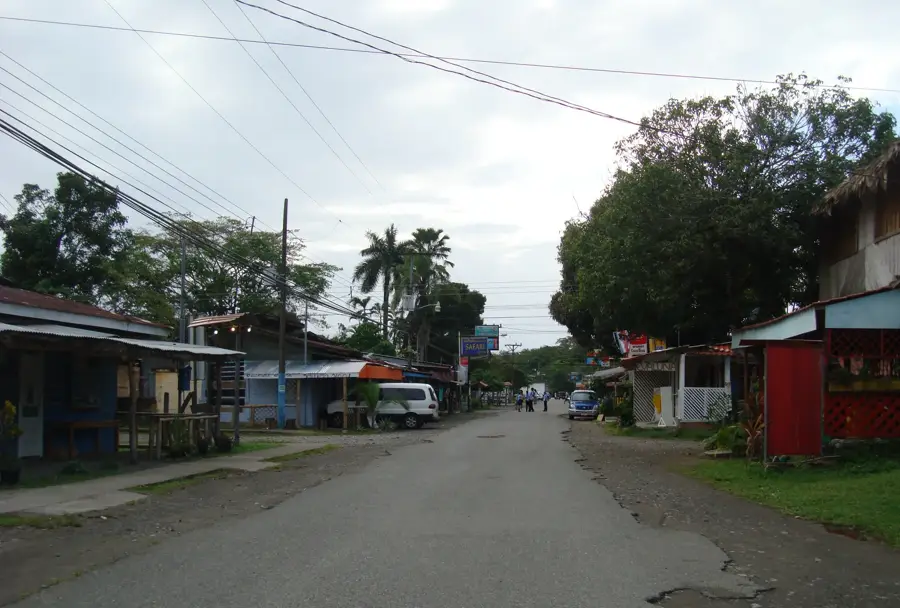
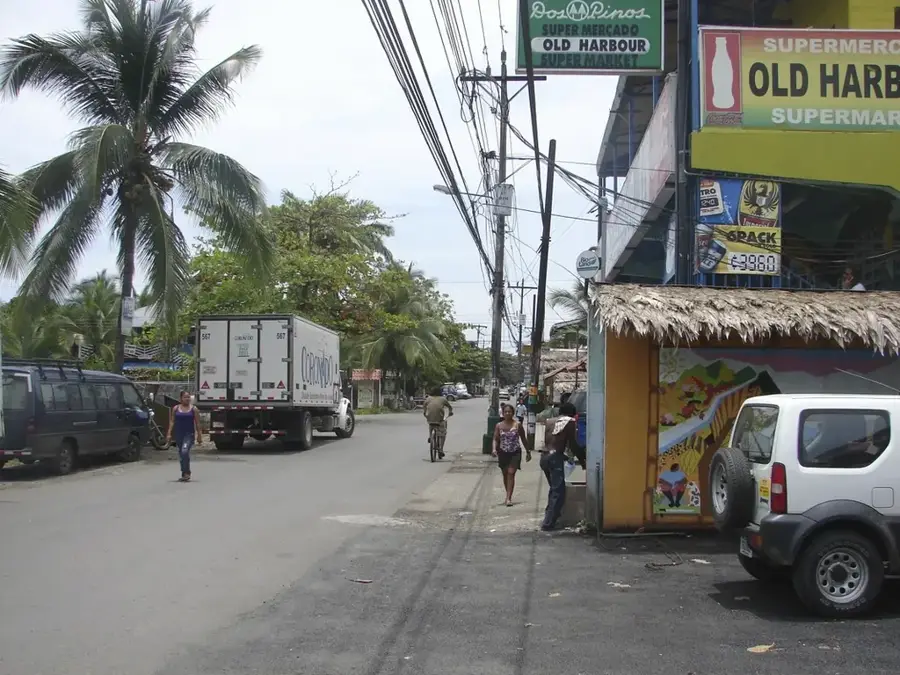
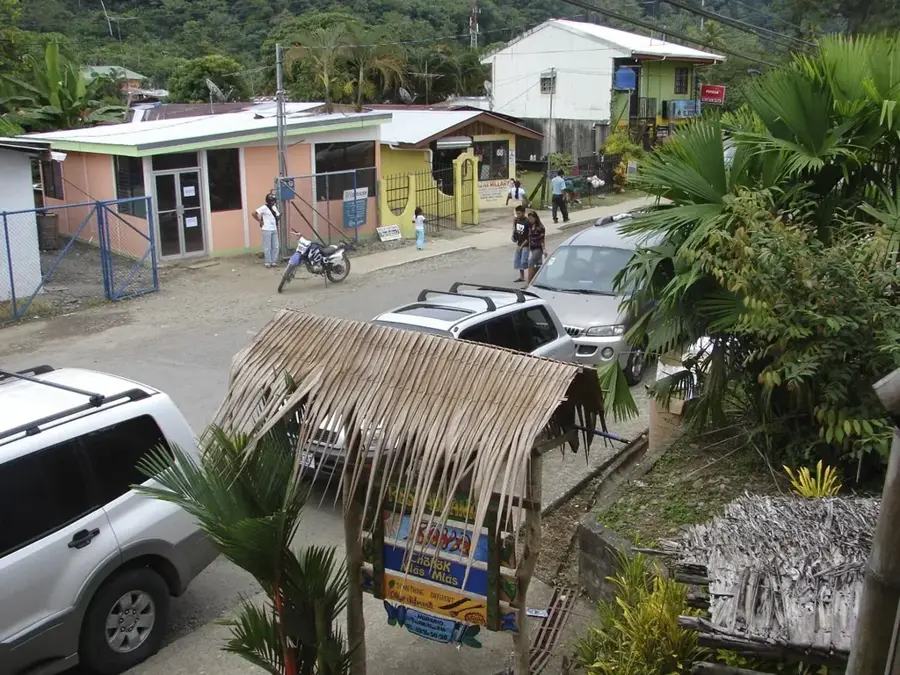
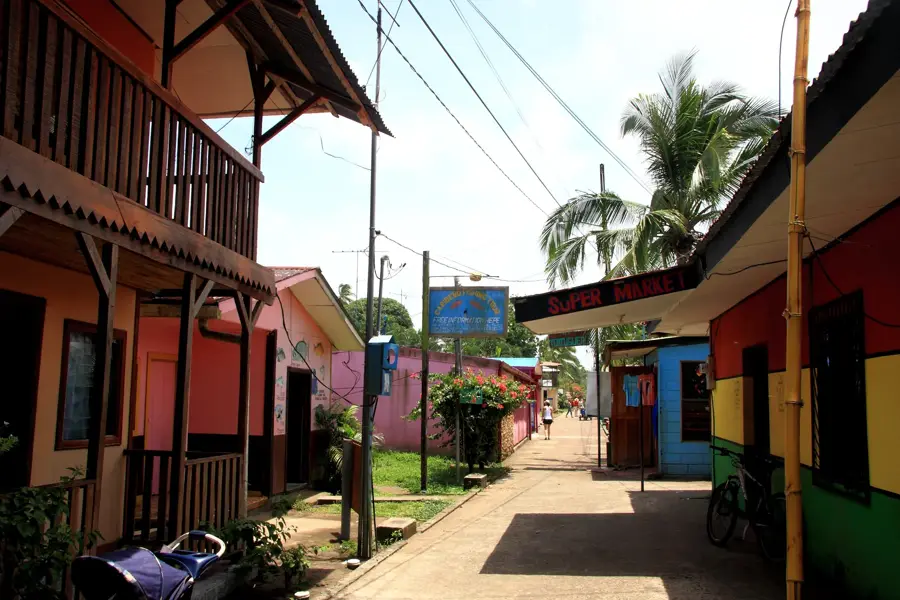
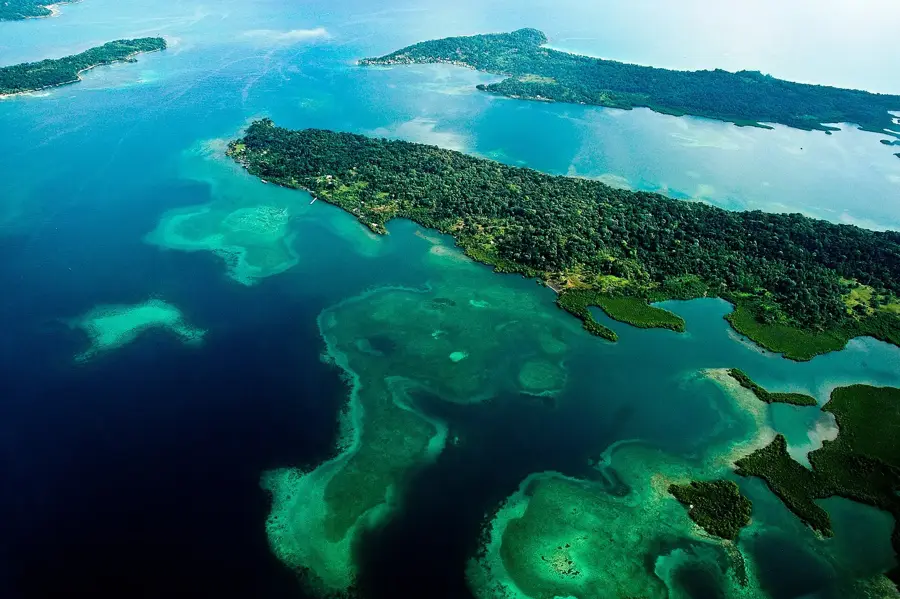
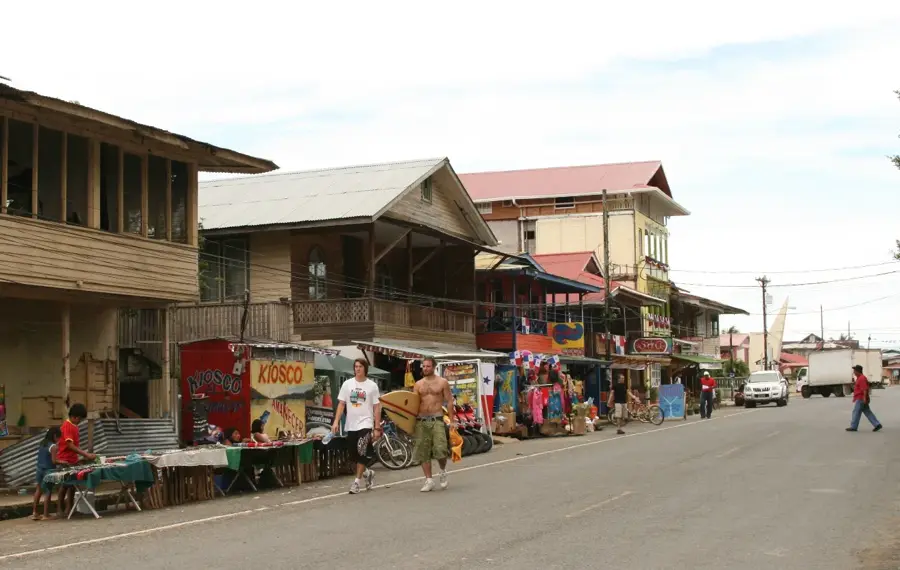
The historic region of Gandoca-Manzanillo, located on the southern Caribbean coast of Costa Rica, is a melting pot of cultures and ecosystems. Originally, this area was the ancestral territory of the Bribri indigenous people, who sustainably managed the dense rainforests and waterways. In the early 20th century, Afro-Caribbean families from Jamaica and surrounding islands settled here, bringing their language, cuisine, and agricultural practices. For decades, the cultivation of cocoa and coconuts formed the economic backbone of the community before tourism became prominent. Historically, the region was linked to regional trade through 'Old Harbour' (Puerto Viejo). In 1985, the area was designated a National Wildlife Refuge to protect the unique biodiversity of its coral reefs and mangroves. Today, the region reflects the harmony between different ethnic groups and nature while preserving the memory of the pioneering work of early settlers in the humid tropical climate.
Explore on the map
How well do you know Costa Rica?
Find cities, landscapes and regions in 10 varied challenges on the interactive map.
Your journey, your memory
A postcard from Historic Gandoca-Manzanillo
Turn your own photo into a personal postcard with a local stamp. Free and no sign-up required.
Create a postcard- Location: Costa Rica
- Nearby: Puerto Viejo de Talamanca (11 km)
Best time to visit & climate
The most pleasant time to visit is Jan–Mar.
| Jan | Feb | Mar | Apr | May | Jun | Jul | Aug | Sep | Oct | Nov | Dec | |
|---|---|---|---|---|---|---|---|---|---|---|---|---|
| Avg °C | 24 | 24 | 25 | 25 | 26 | 26 | 25 | 25 | 25 | 25 | 25 | 25 |
| Rain mm | 124 | 67 | 82 | 132 | 295 | 278 | 320 | 269 | 245 | 316 | 361 | 197 |
📋 Practical info
Geography
Facts
- The area has been home to the Bribri people for centuries.
- Afro-Caribbean settlers arrived in the region around 1900.
- Cocoa was the main export commodity until the 1970s.
- The National Wildlife Refuge was officially established in 1985.
- The region contains one of the few coral reefs in the country.
- Manzanillo was once a significant hub for the timber trade.
Explore nearby
Notable places around
Route planner — Car & Motorhome
Where do you start? We build the route here, with stops and country notes along the way.
© OpenStreetMap contributors · OpenRouteService
Sights nearby
Frequently asked questions
What is special about historical Gandoca-Manzanillo?
What role did the first settlers play?
Can you see leatherback turtles?
Is a guide required for the visit?
How is the climate there?
Historic Gandoca-Manzanillo: where is it located?
Historic Gandoca-Manzanillo: when is the best time to visit?
Historic Gandoca-Manzanillo: why is it worth visiting?

Nearby cities

History & landmarks

More places