Attractions in South Sudan
The finest attractions in South Sudan at a glance: castles, natural wonders, historic old towns and more. Each place links to a detailed page with map, tips and photos.
Culture & History
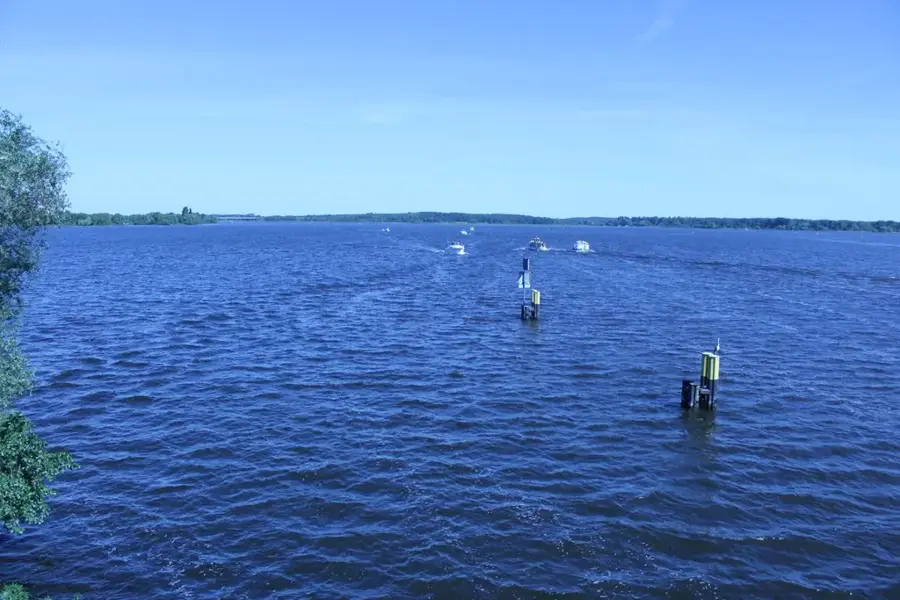
Wau Railway Bridge
A distinctive railway bridge over the Jur River, marking the southernmost point of the Sudanese rail network.
Learn more →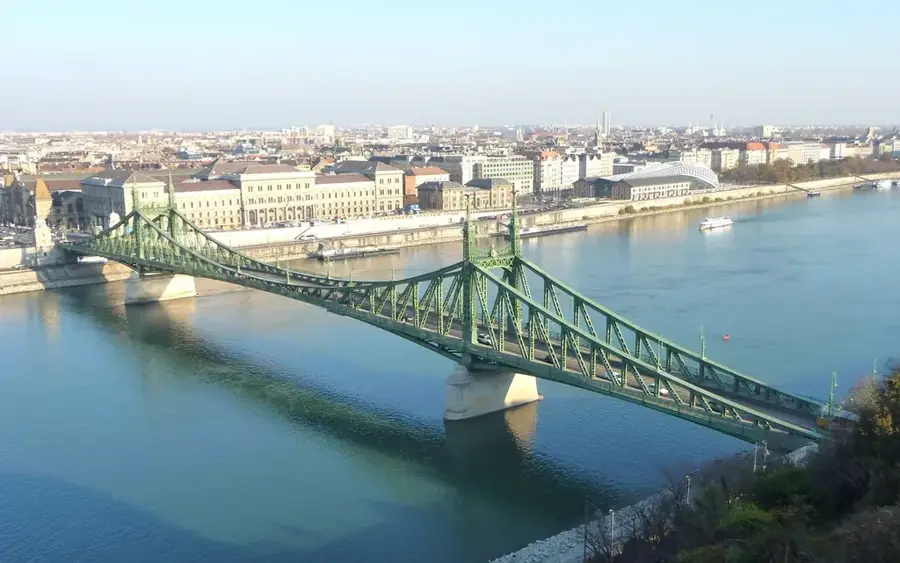
Freedom Bridge
A modern, Japan-funded bridge across the White Nile, revolutionizing trade in South Sudan.
Learn more →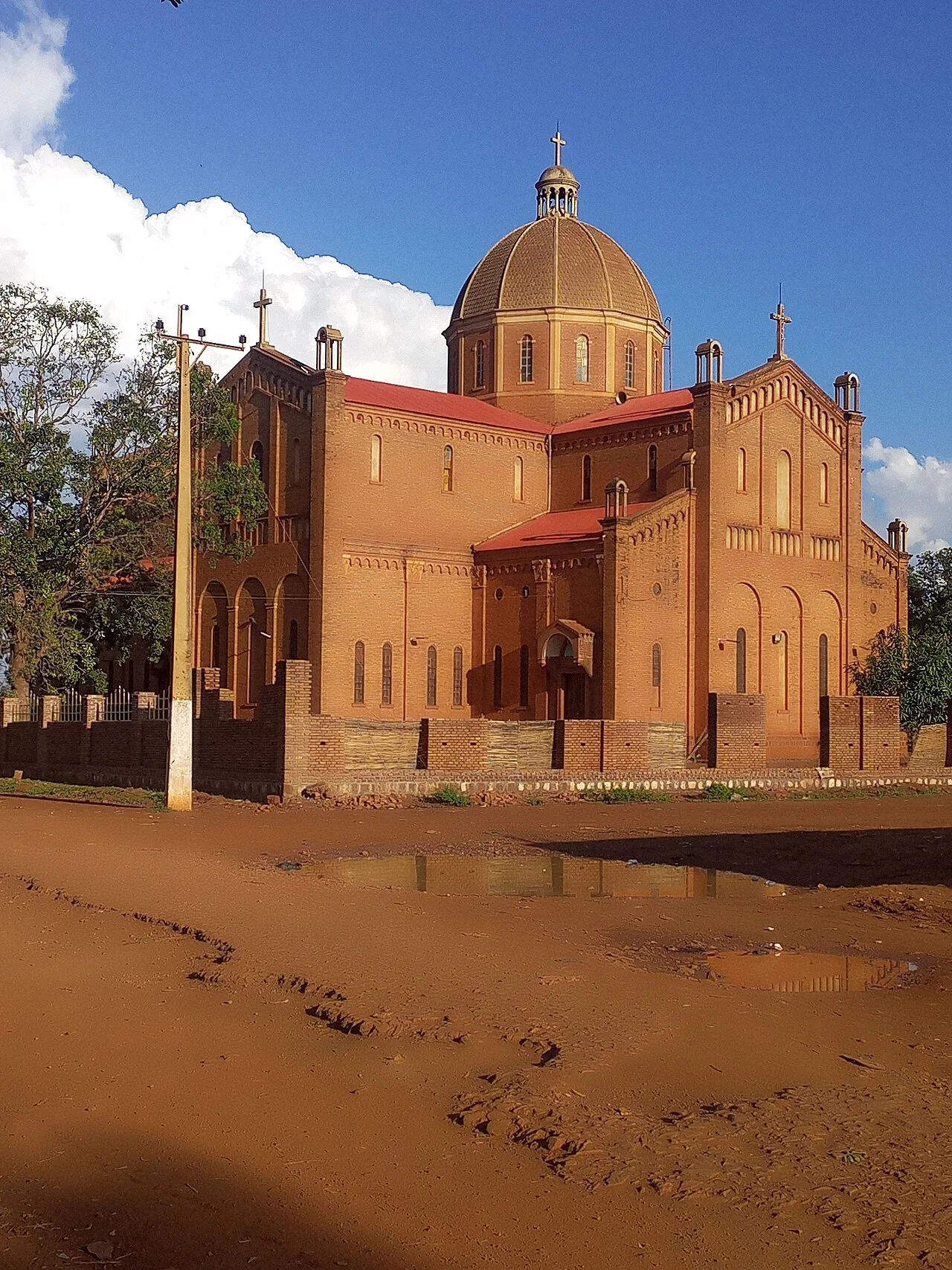
Wau Stadium
A significant sports stadium in Wau, serving as a hub for regional football competitions.
Learn more →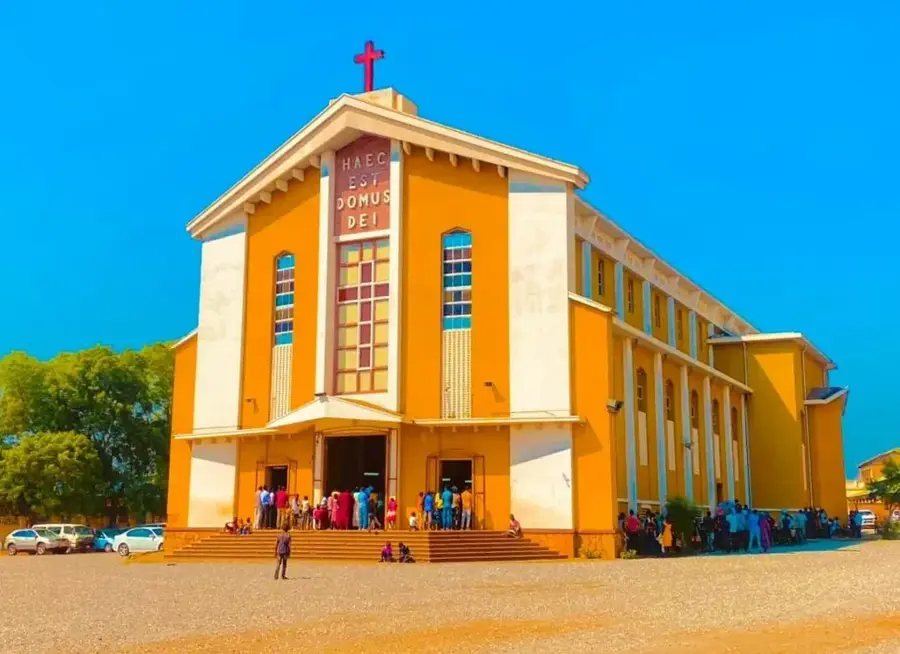
St. Theresa Cathedral (Kator)
The largest Catholic church in Juba, located in the Kator district, known for its architecture.
Learn more →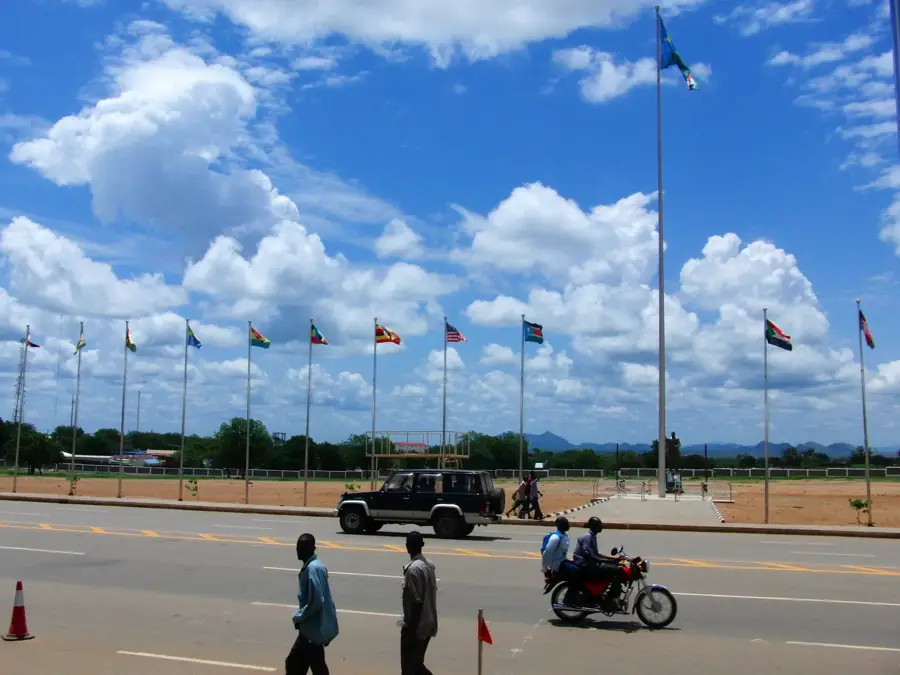
University of Juba
The country's premier academic institution with historic buildings in the heart of the capital.
Learn more →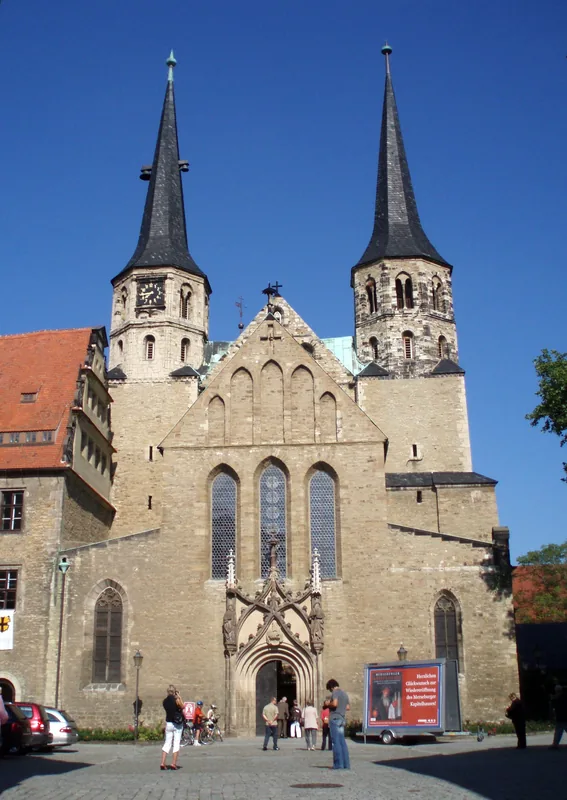
St. Mary's Cathedral (Wau)
An impressive brick cathedral in Wau, known for its colonial-era architecture.
Learn more →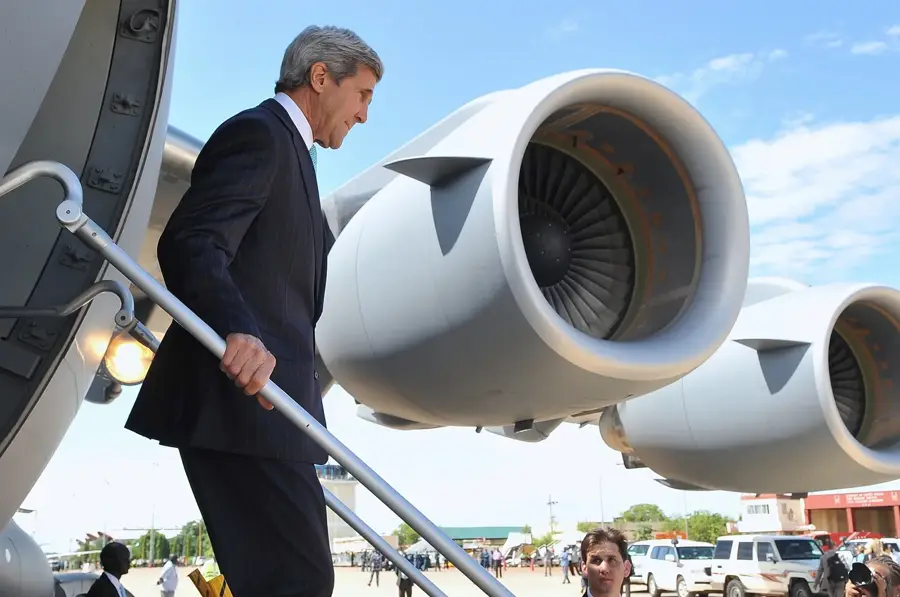
John Garang Mausoleum
The final resting place of Dr.
Learn more →
Christ the King Cathedral (Yei)
The most prominent Catholic church in Yei, a symbol of hope and reconstruction.
Learn more →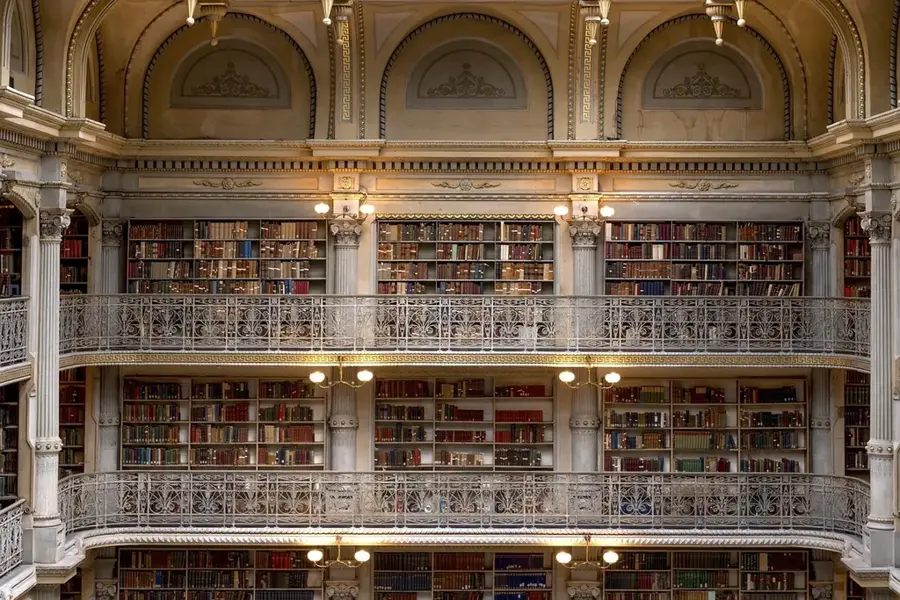
Dr. John Garang Memorial University
A significant educational institution in Bor, named after the liberation leader.
Learn more →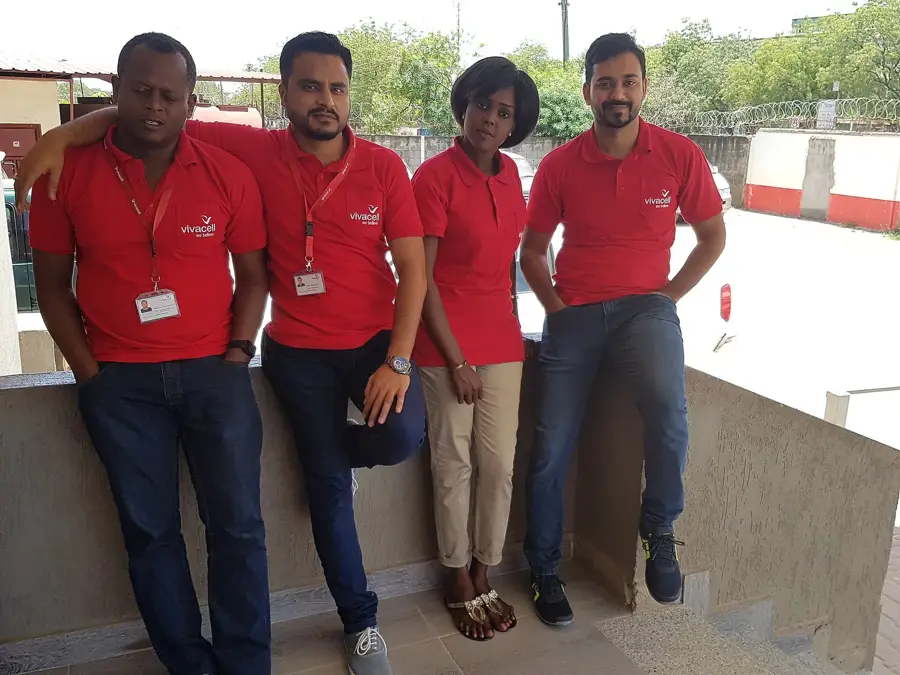
National Legislative Assembly
The parliament building of South Sudan, where the country's laws are enacted.
Learn more →
Bentiu Stadium
An important sports and community hub in the oil-rich city of Bentiu.
Learn more →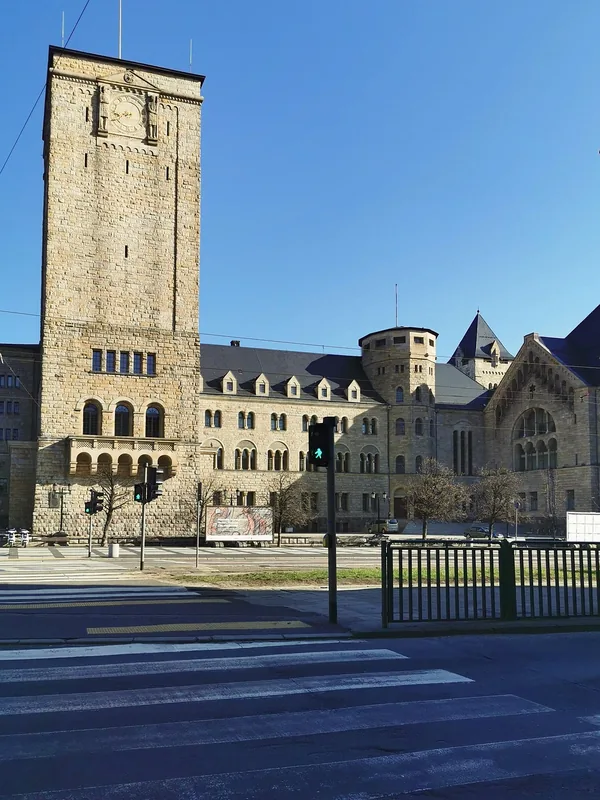
Nyakuron Cultural Center
A major venue for arts, music, and cultural festivals in Juba.
Learn more →Nature
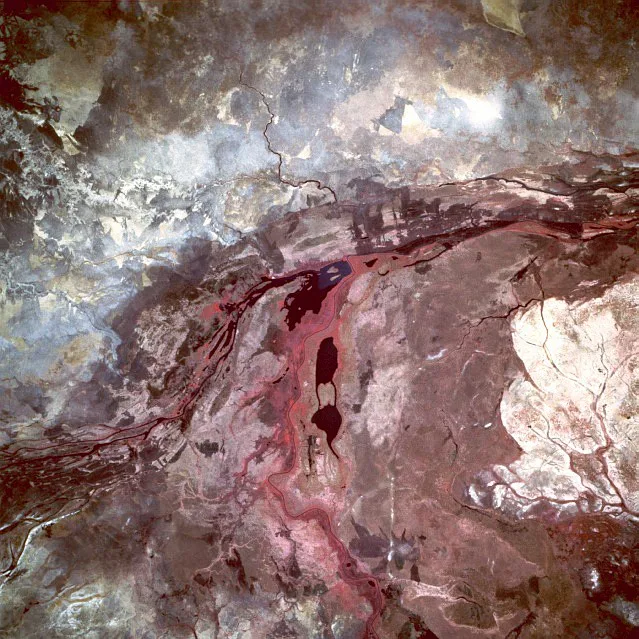
Lake No
A lake in South Sudan where the Bahr al-Jabal and Bahr al-Ghazal rivers meet.
Learn more →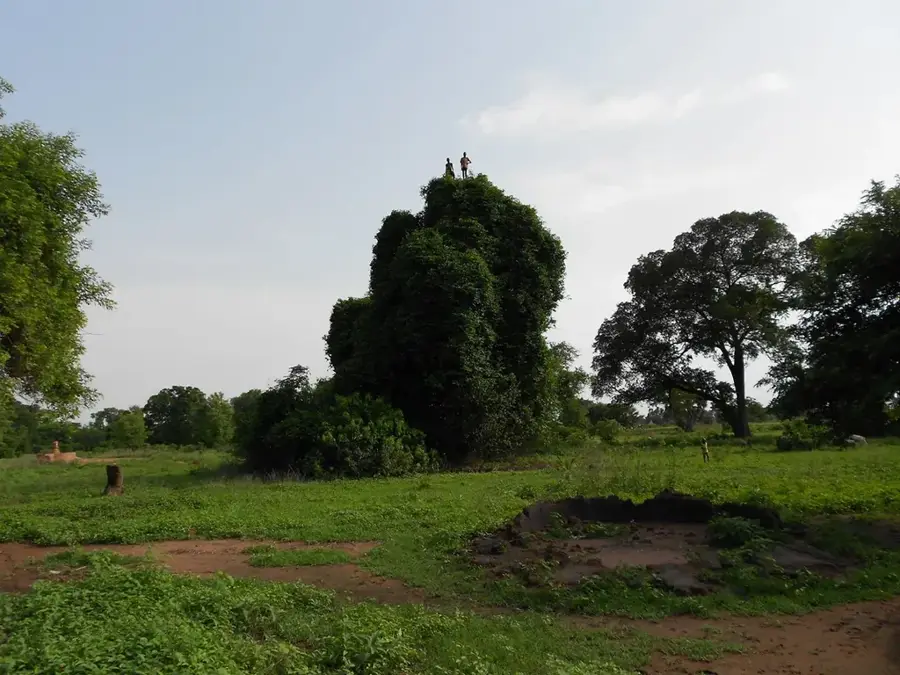
Shambe Lake
A lake in the Sudd region, known for its abundant fish and wildlife.
Learn more →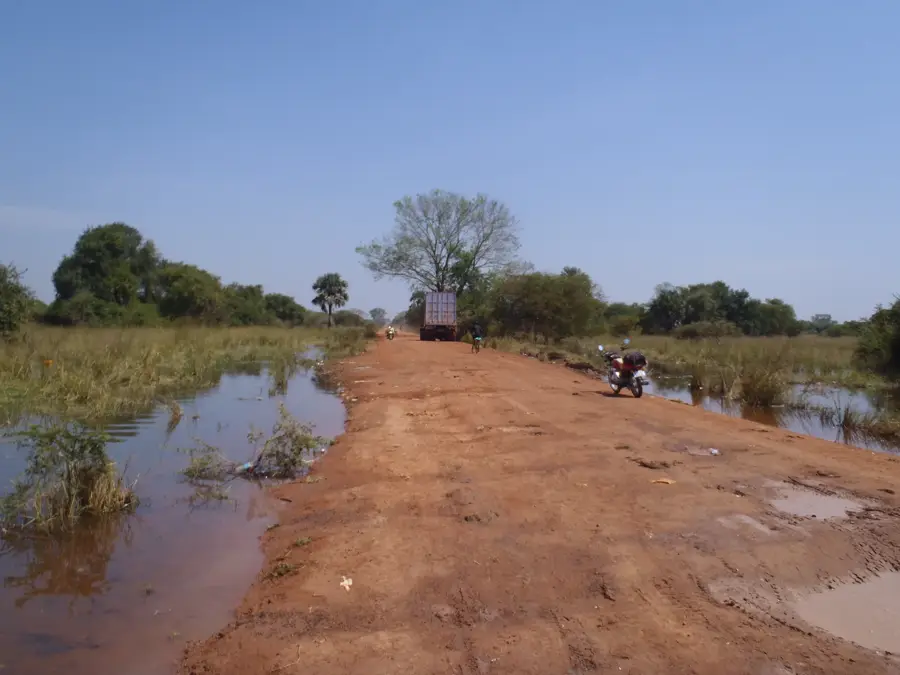
Lake Yirol
A freshwater lake in Lakes State, central to the local fishing industry.
Learn more →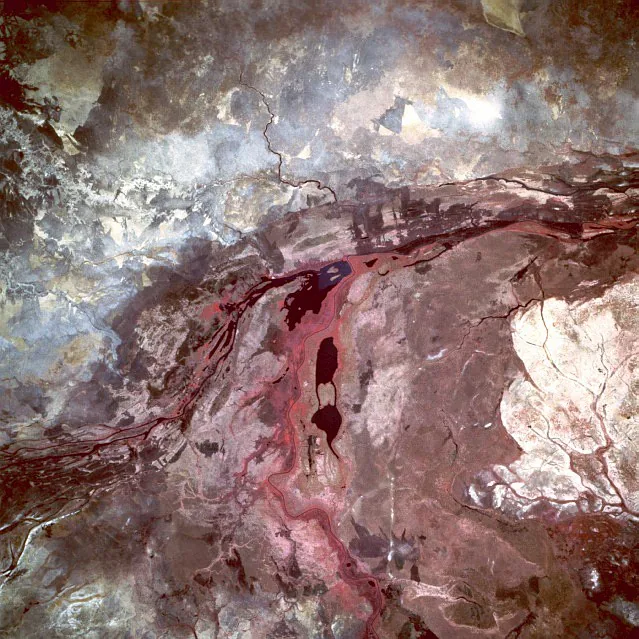
Sudd Wetland
One of the world's largest wetlands, formed by the White Nile river.
Learn more →
Lafon Hill
An isolated inselberg in the vast plain of Eastern Equatoria, having spiritual significance for the local population.
Learn more →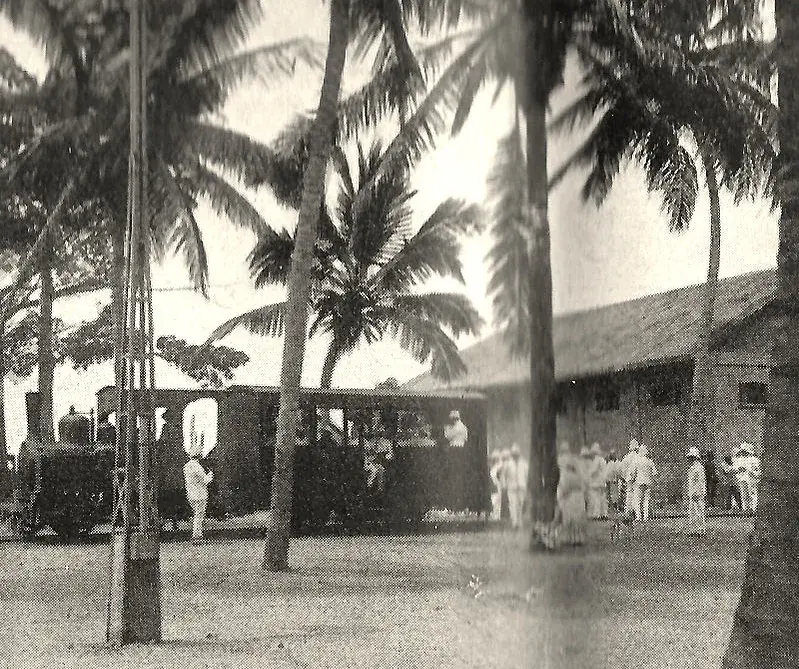
Boma Plateau
A high plateau in the east, site of one of the largest wildlife migrations in Africa.
Learn more →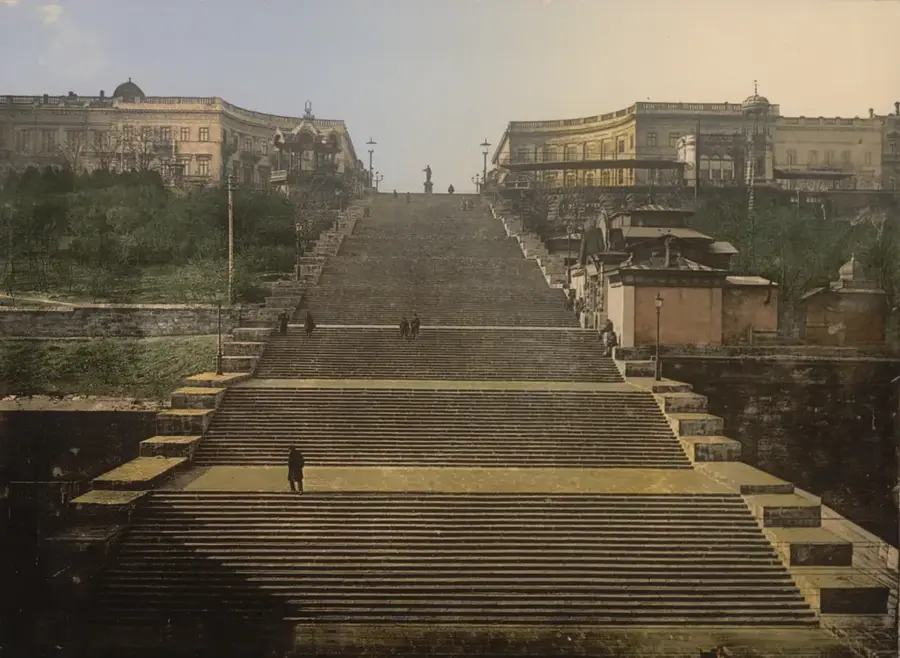
Ironstone Plateau
An extensive plateau in the west, characterized by iron-rich soils.
Learn more →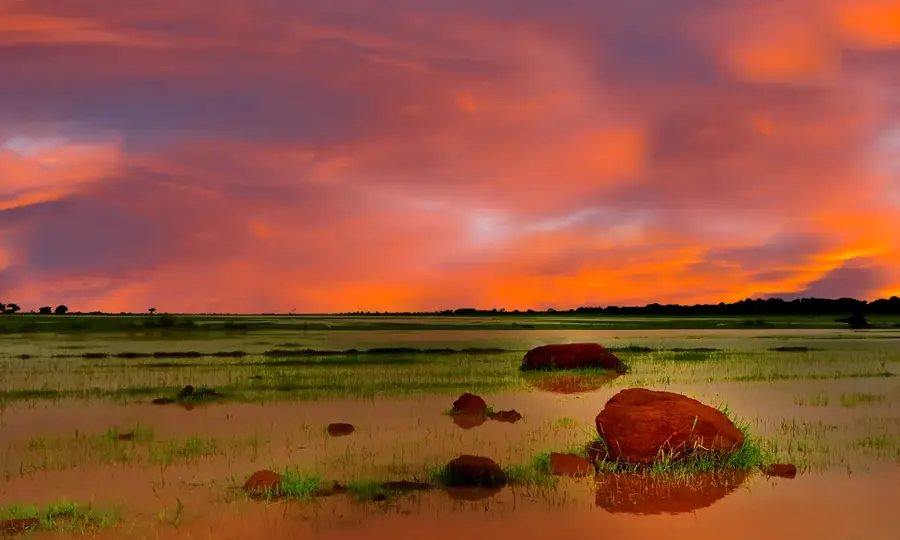
Bahr el Ghazal
A major left tributary of the White Nile, flowing through extensive swampy regions.
Learn more →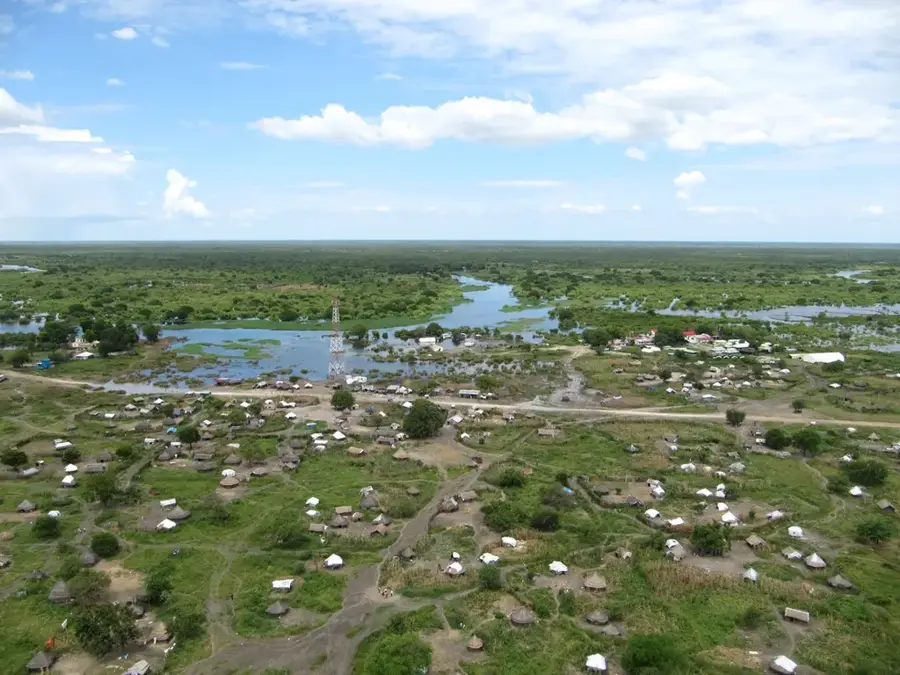
Pibor River
A river in eastern South Sudan that joins with the Baro to form the Sobat River.
Learn more →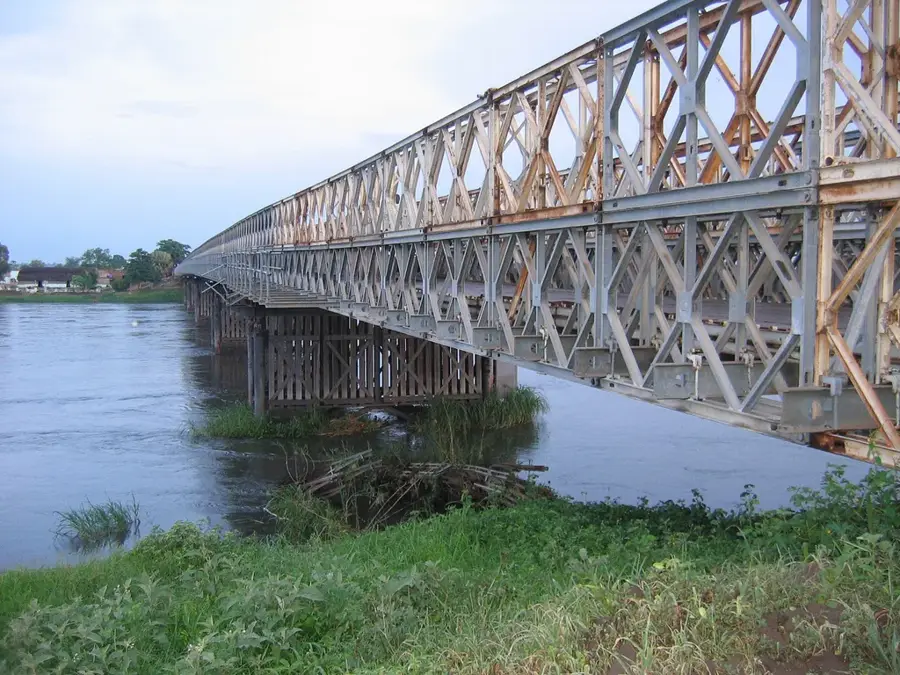
White Nile
The main branch of the Nile, flowing through South Sudan from south to north.
Learn more →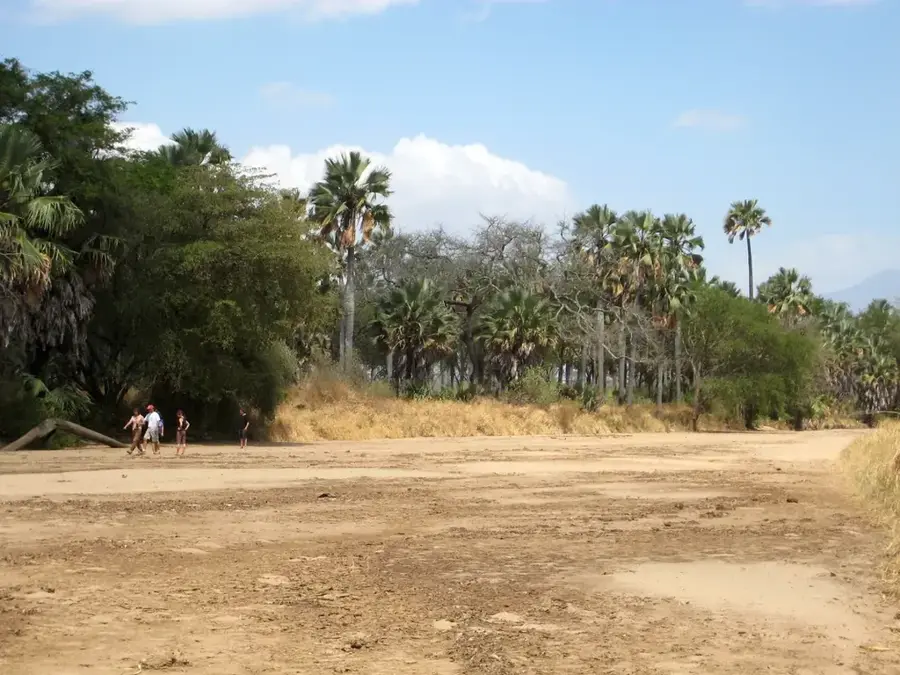
Kidepo River
A seasonal river in the far southeast, flowing through arid landscapes.
Learn more →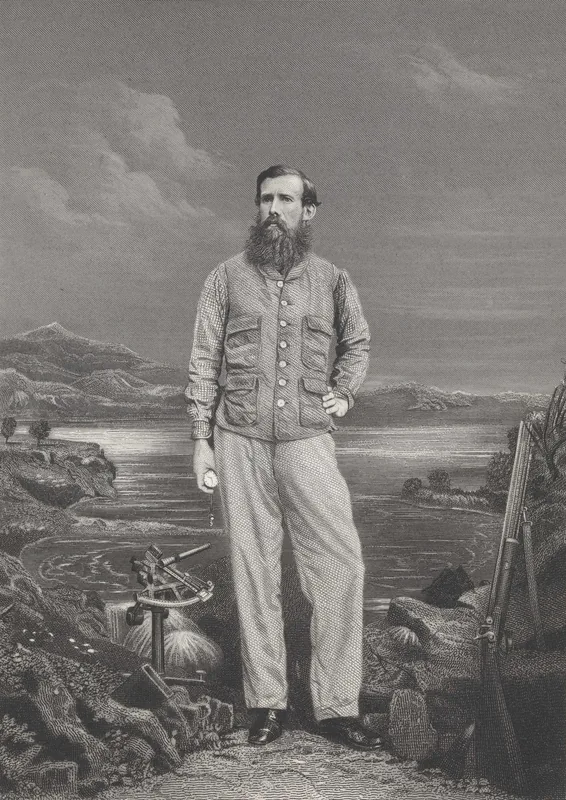
Gondokoro Island
A historical island in the White Nile, formerly a significant trading post.
Learn more →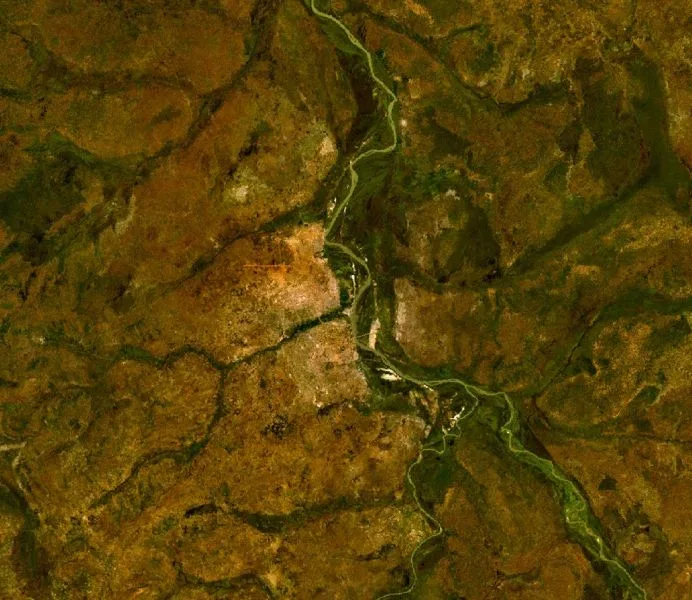
Jur River
A river in western South Sudan that flows into the Bahr al-Ghazal.
Learn more →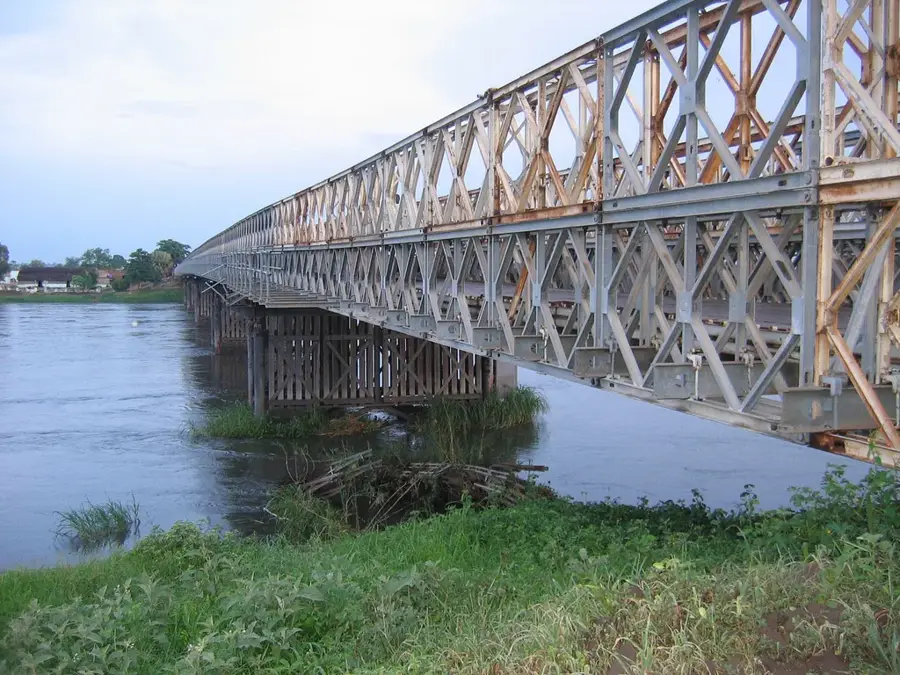
Bahr al-Jabal
The name of the White Nile in its southern section within South Sudan.
Learn more →More highlights
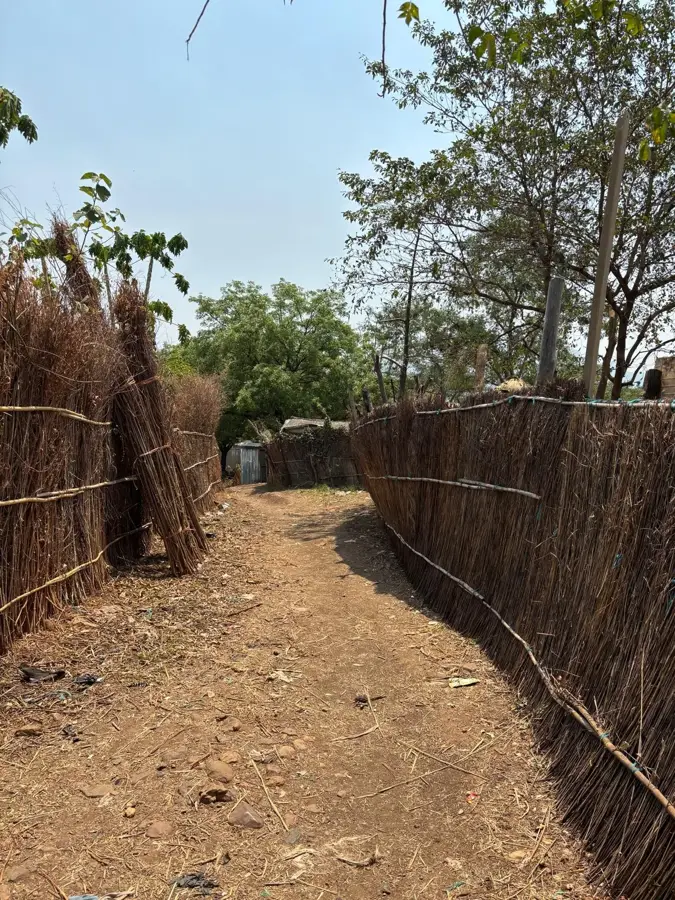
Boma National Park
One of Africa's largest national parks, famous for the massive annual migration of hundreds of thousands of white-eared kob antelopes.
Learn more →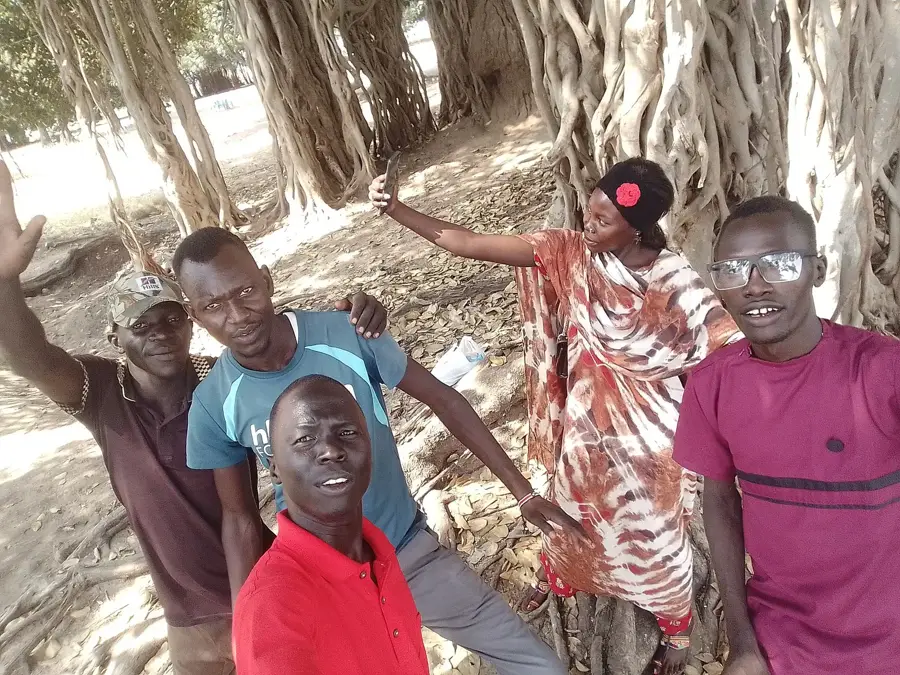
Terekeka Cattle Camps
The traditional cattle camps of the Mundari herders are central places of culture and economy, characterized by huge cattle herds.
Learn more →
Aweil Rice Scheme
One of the country's largest agricultural projects, utilizing the fertile plains for intensive rice cultivation.
Learn more →
Nimule National Park
An accessible national park on the border with Uganda, known for its elephant herds and hippos in the White Nile.
Learn more →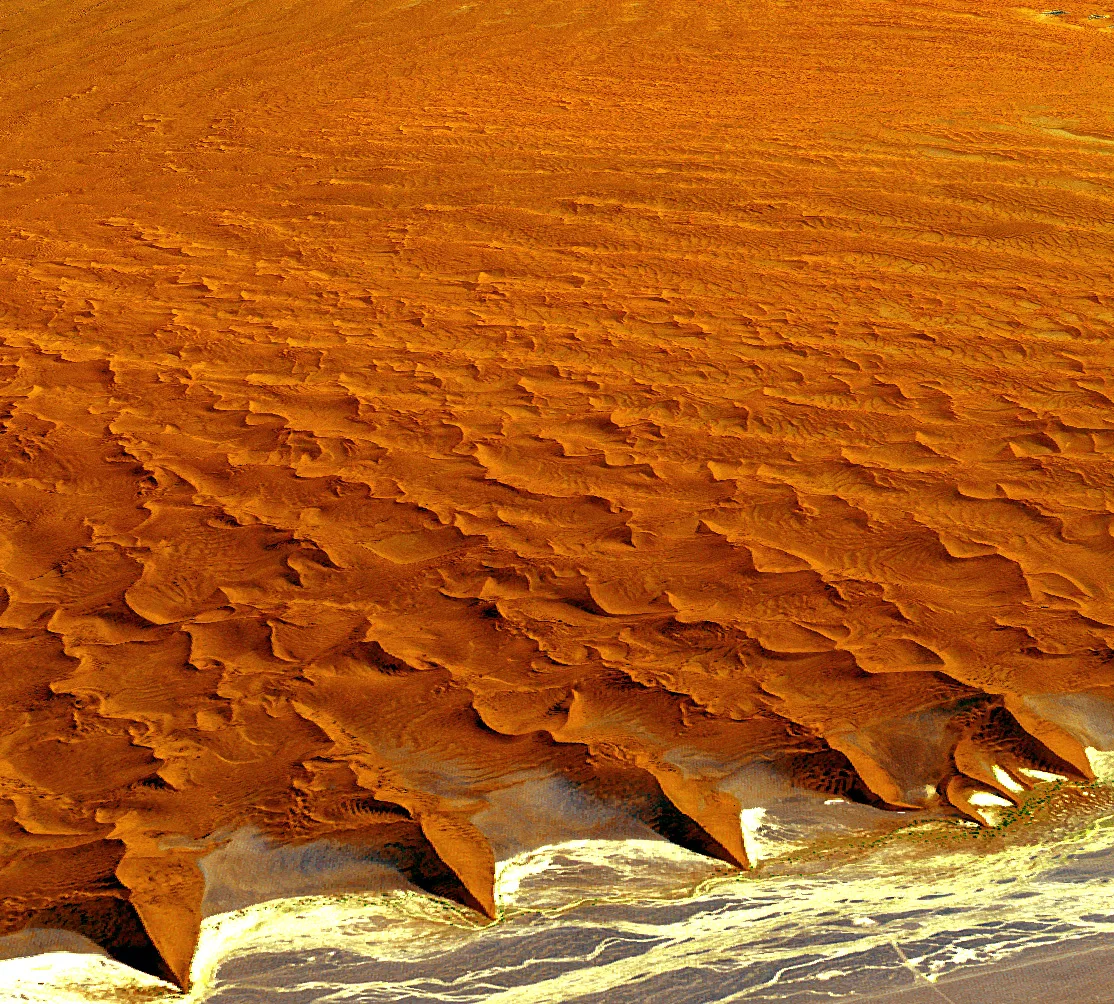
Bandingilo National Park
A crucial corridor for wildlife migration in South Sudan, encompassing vast savannas and seasonal floodplains.
Learn more →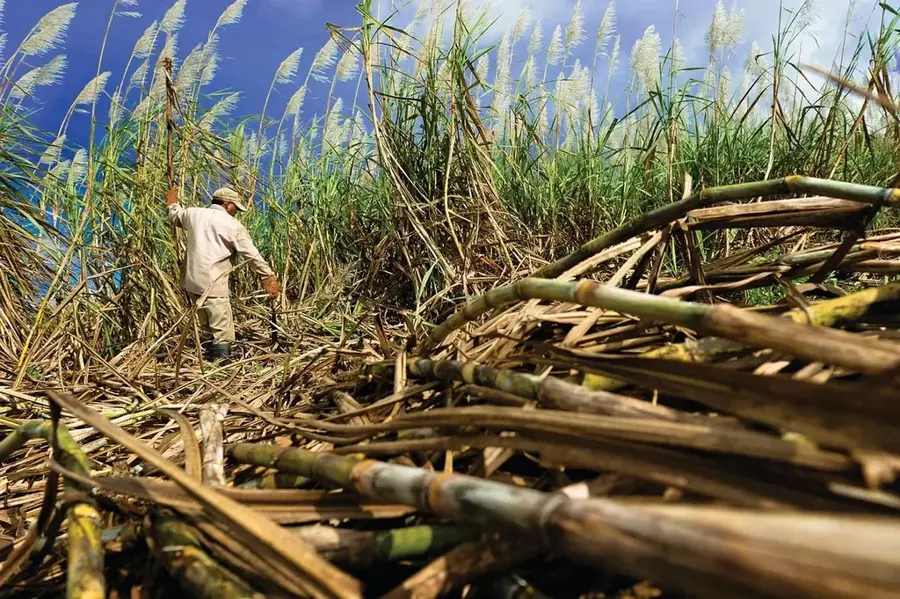
Mangalla Sugar Cane Fields
The extensive sugar cane plantations near Mangalla utilize irrigation from the Nile for industrial sugar production.
Learn more →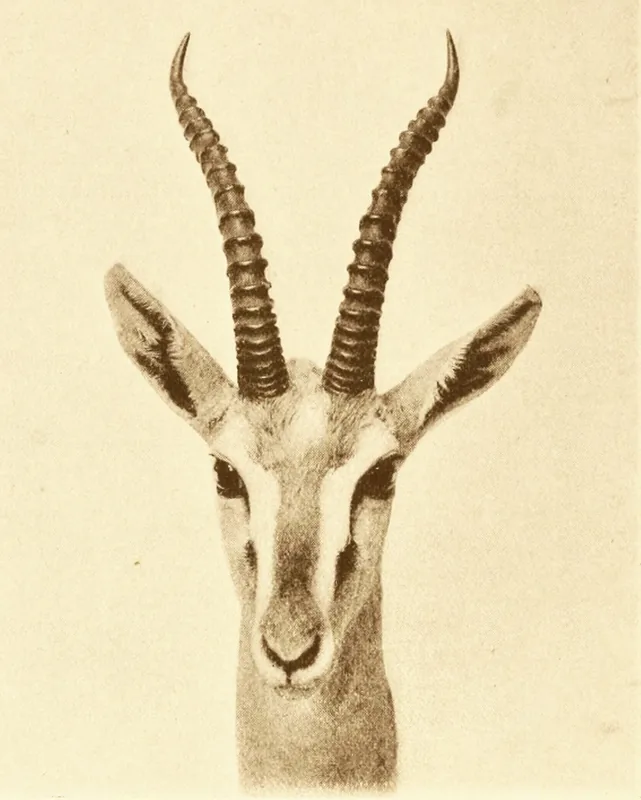
Mongalla Game Reserve
A protected area along the Nile, known for its antelope populations and as a resting point for migratory birds.
Learn more →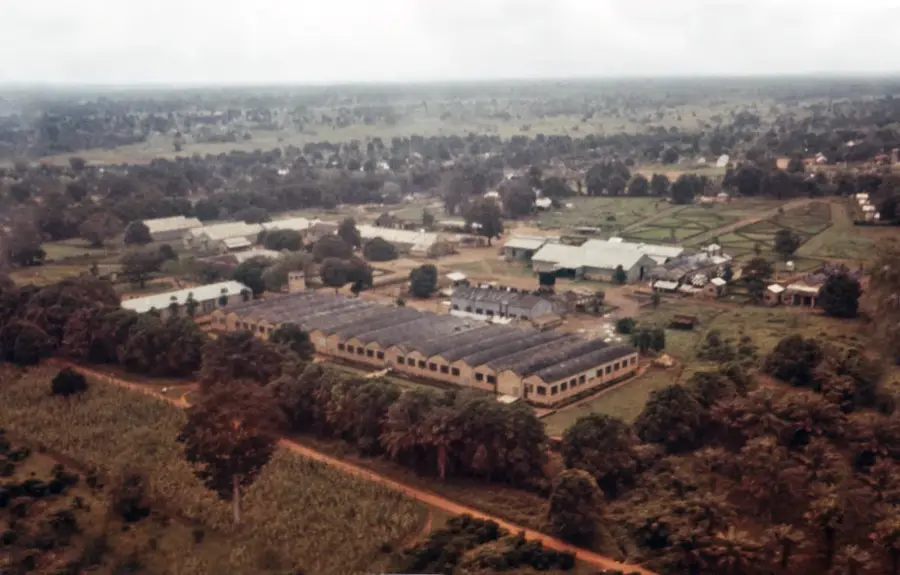
Nzara Agro-Industrial Complex
A historical center for cotton processing and agricultural products in South Sudan's green belt.
Learn more →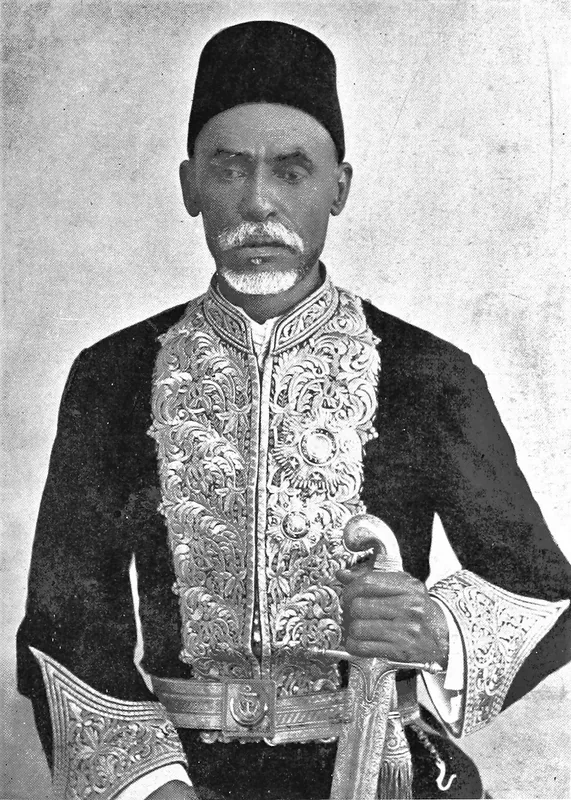
Zubeir Pasha's Fort
The historical fort of Zubeir Pasha, a powerful trader and slave hunter in the 19th century.
Learn more →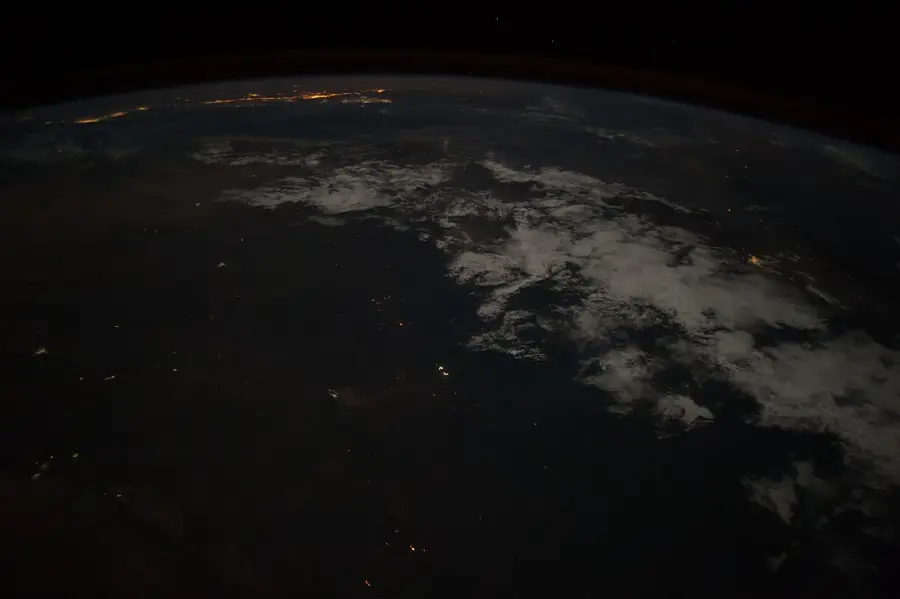
Shrine of Nyikang (Pachodo)
The spiritual and ritual center of the Shilluk Kingdom, dedicated to the founding father Nyikang.
Learn more →
Zande Threshold
A geological rise in the southwest, marking the transition to the Central African jungle.
Learn more →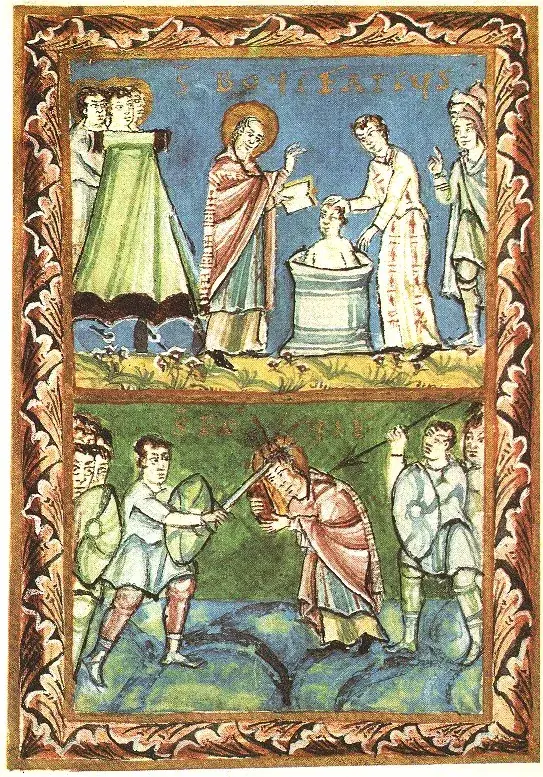
Lul Mission
An early Catholic mission station in the Shilluk area, known for its agricultural schools.
Learn more →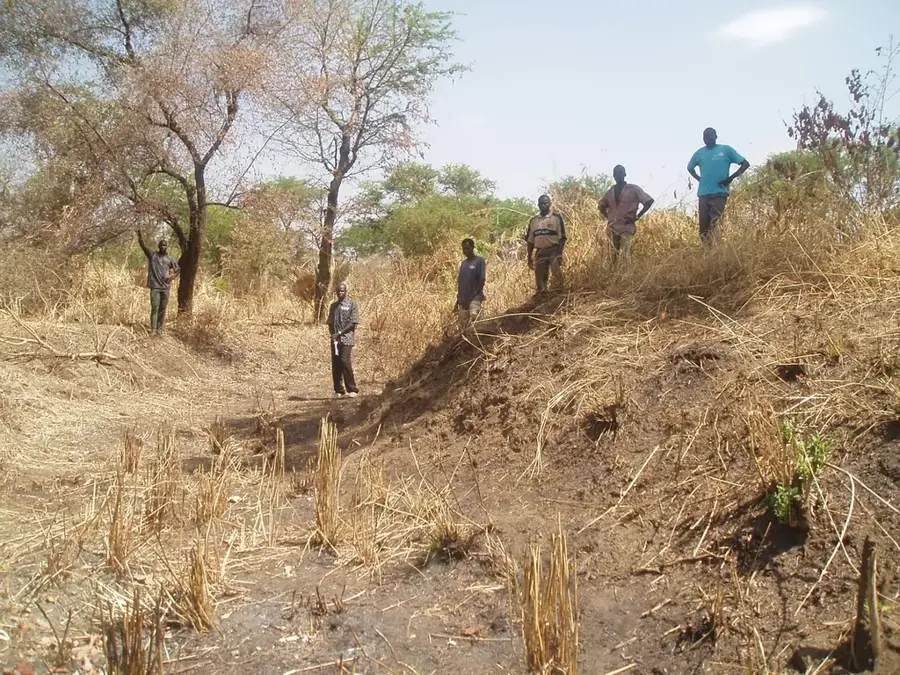
Dufile Fort
The ruins of a fort built by Emin Pasha in the 1870s to control the Upper Nile.
Learn more →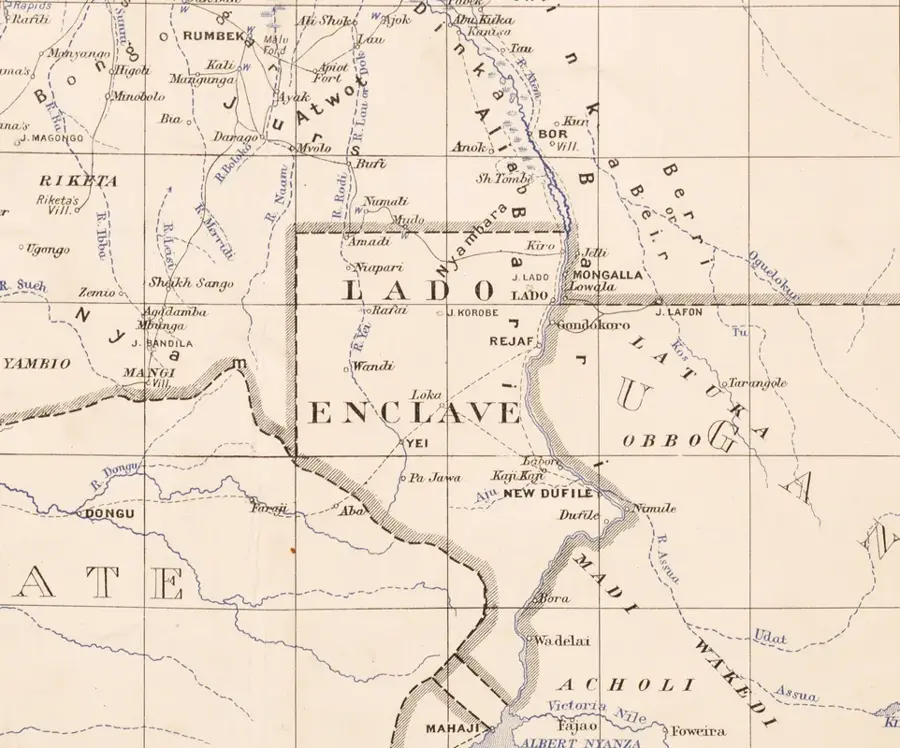
Lado Enclave
A former territory of the Congo Free State, situated on the western bank of the White Nile.
Learn more →
Taufikia
A historical military station founded by Samuel Baker in 1870 on the White Nile.
Learn more →
Royal Court of Gbudwe
The historical seat of King Gbudwe, the most prominent ruler of the Azande people.
Learn more →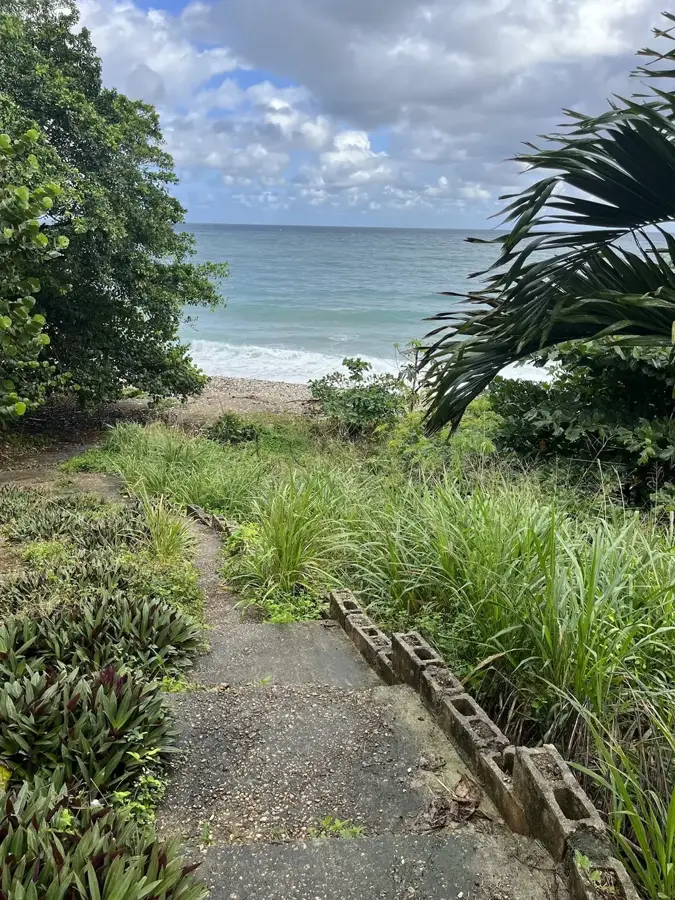
Kayala
A site of historical conflicts in Eastern Equatoria with local significance.
Learn more →
Tonga
A historically significant settlement at the confluence of the Nile and Sobat rivers.
Learn more →
Gelo River Heritage Site
The historical heartland of the Anyuak Kingdom along the Gelo River.
Learn more →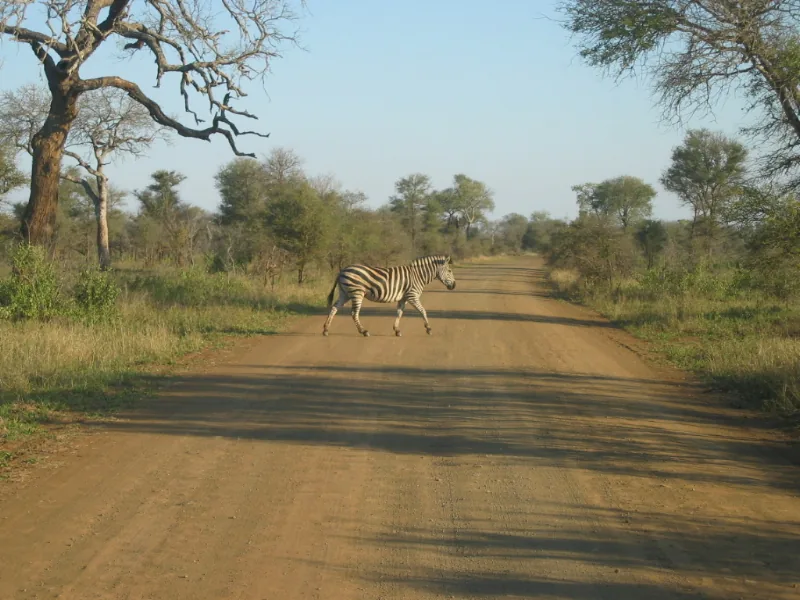
Southern National Park
A vast forest and savanna area in the heart of South Sudan.
Learn more →Frequently asked questions
What are the top attractions in South Sudan?
Among the most popular are Wau Railway Bridge, Freedom Bridge, Wau Stadium, St. Theresa Cathedral (Kator), University of Juba and many more – the full top 50 list is on this page.
When is the best time to visit South Sudan?
May to October offers the most pleasant weather; July and August are warmest and busiest.