Plizio Visual Lab
Slave Market Site
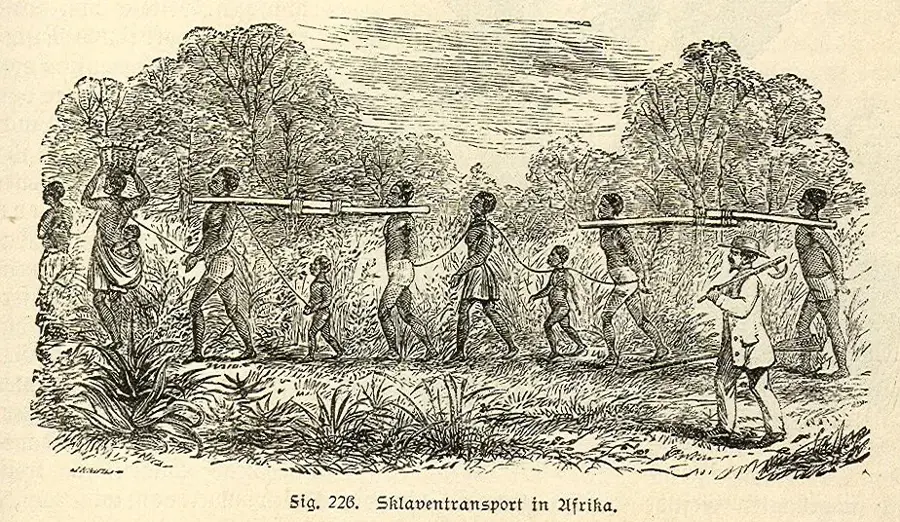
The Slave Market Site in Port of Spain stands as a somber monument to the transatlantic slave trade that fundamentally shaped the history of Trinidad and Tobago. During the 18th and early 19th centuries, this area near the waterfront served as the primary auction point where enslaved Africans were sold to plantation owners. The colonial economies of Spain and later Britain relied heavily on this forced labor to sustain the profitable sugar and cocoa industries. Today, the site is recognized with historical markers and serves as a focal point for Emancipation Day celebrations on August 1st. Preservation of this location focuses on educating the public about the brutal realities of the plantation system and the immense contributions of the enslaved people to the nation's development. It remains a vital space for reflection on human rights, heritage, and the enduring spirit of the Afro-Caribbean population in the face of centuries of oppression.
Explore on the map
How well do you know Trinidad and Tobago?
Find cities, landscapes and regions in 10 varied challenges on the interactive map.
Your journey, your memory
A postcard from Slave Market Site
Turn your own photo into a personal postcard with a local stamp. Free and no sign-up required.
Create a postcard- Location: Trinidad and Tobago
- Highlights: Gonzales, Trinidad and Tobago · Holy Name Preparatory · Saint Mary's College, Trinidad and Tobago
- Nearby: San Juan (5 km)
Best time to visit & climate
The most pleasant time to visit is Feb–Apr.
| Jan | Feb | Mar | Apr | May | Jun | Jul | Aug | Sep | Oct | Nov | Dec | |
|---|---|---|---|---|---|---|---|---|---|---|---|---|
| Avg °C | 26 | 26 | 27 | 28 | 28 | 27 | 27 | 27 | 27 | 27 | 27 | 26 |
| Rain mm | 100 | 61 | 52 | 56 | 117 | 222 | 202 | 202 | 141 | 176 | 213 | 178 |
📋 Practical info
Geography
Facts
- Slavery was officially abolished in the British Empire on August 1, 1834.
- Trinidad remained under Spanish rule until the British capture in 1797.
- The market site was located near the Treasury Building area in Port of Spain.
- The 1783 Cedula of Population significantly increased the influx of enslaved people.
- Most enslaved individuals brought here were destined for sugar and cocoa estates.
- Trinidad and Tobago was the first country to declare a public holiday for Emancipation.
Explore nearby
Notable places around

Route planner — Car & Motorhome
Where do you start? We build the route here, with stops and country notes along the way.
© OpenStreetMap contributors · OpenRouteService
Sights in the town Slave Market Site (3)
Sights nearby
Frequently asked questions
Is the site accessible at all times?
Are there information panels on site?
Is photography allowed?
How much time should I allocate?
Is the site child-friendly?
Slave Market Site: where is it located?
Slave Market Site: what is there to see?
Slave Market Site: when is the best time to visit?
Slave Market Site: why is it worth visiting?
Nearby cities

History & landmarks

Nature
More places