Bryan Adams - Roll with the Punches
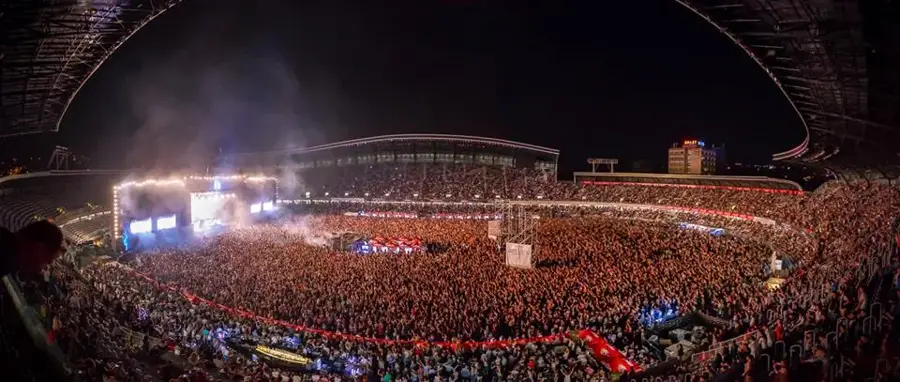
Bryan Adams returns to BT Arena in December with his worldwide Roll with the Punches tour.
Plizio Visual Lab
A local layered cabbage and meat dish. Try it at traditional restaurants near Unirii Square.
A sweet chimney cake, found freshly baked at small stands or bakeries in the city center.
Traditional sour soup, highly popular in Transylvania. Look for restaurants specializing in Romanian cuisine.
A large farmers market for fresh fruits, vegetables, and local products from the region.
Explore the pedestrian streets in the center to find local Transylvanian crafts and souvenirs.
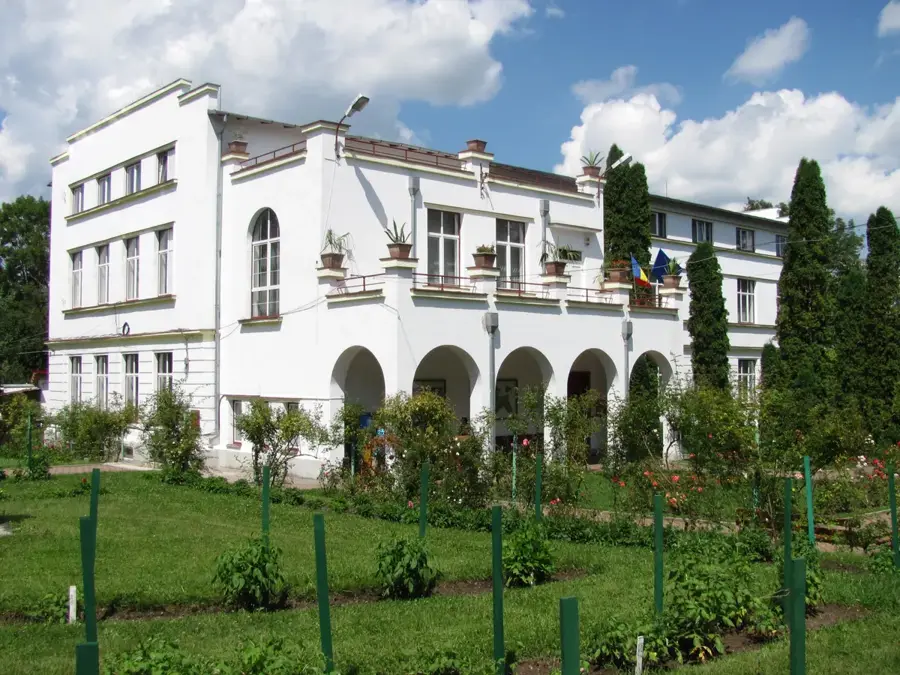
One of the most beautiful botanical gardens in Eastern Europe, excellent for a relaxing stroll.
The large city park with a small lake and old trees, a favorite spot for locals.
Water temperature…
Bryan Adams returns to BT Arena in December with his worldwide Roll with the Punches tour.
The British rock band performs at BT Arena in Cluj-Napoca in early October, with Jayler listed as the opening act on the ticket page.
The free competition in Central Park brings three days of young international jazz bands, guest concerts and food stands to the city centre.
The street festival for families and young audiences returns to Cluj-Napoca and Florești in early September.
One of Europe's largest electronic music festivals, drawing hundreds of thousands of visitors to Cluj Arena every summer (early August).
Open-air jazz festival in Cluj's Central Park, presenting Romanian and international artists every summer.
Multiple award-winning music festival held every July on the grounds of Banffy Castle near Cluj-Napoca. A multi-day open-air event featuring international and local acts.
Romania's most important film festival, bringing screenings, premieres and open-air cinema across the city every June.
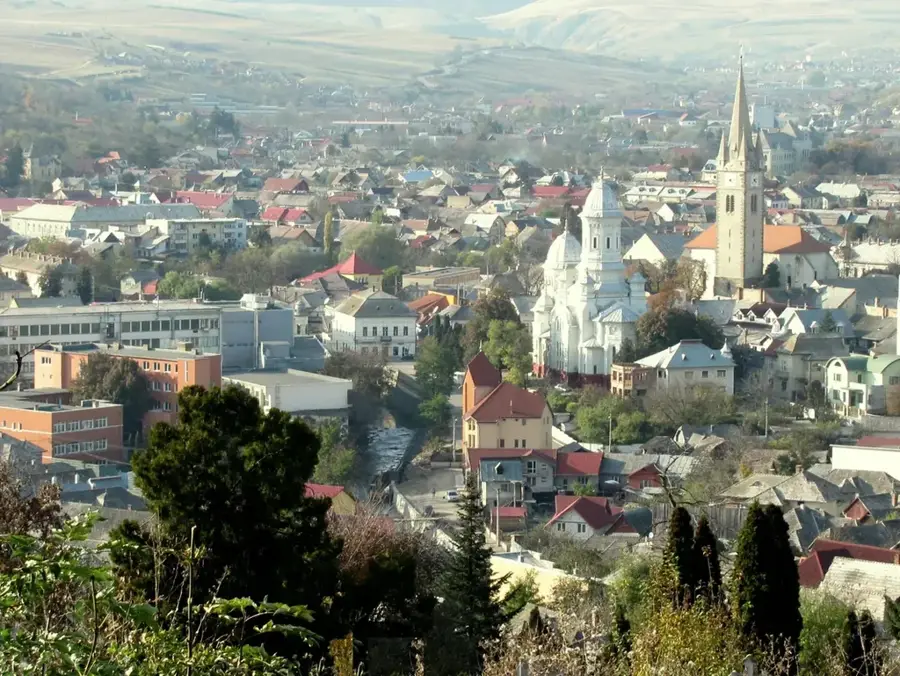
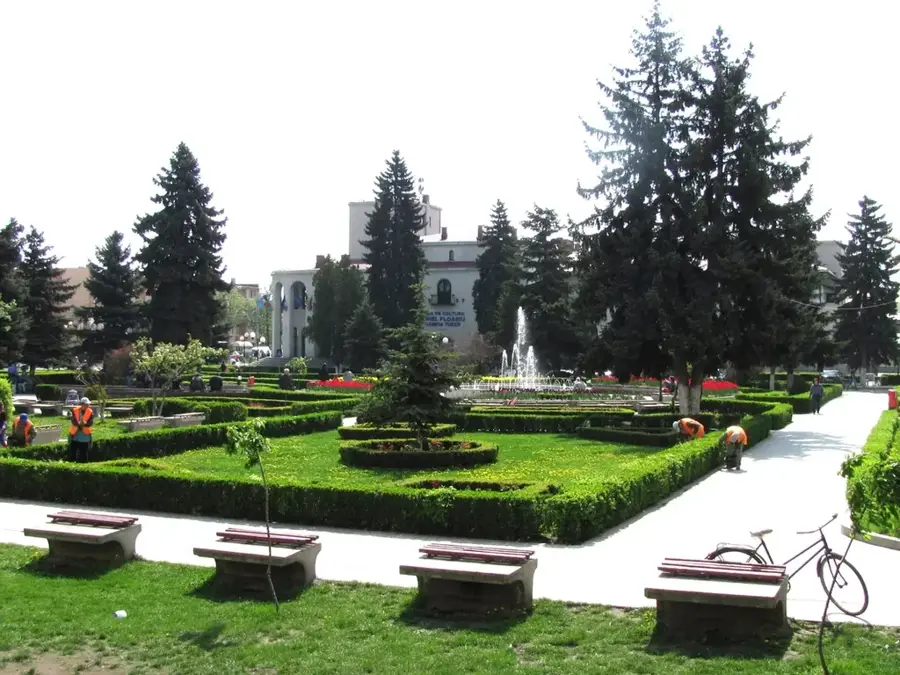
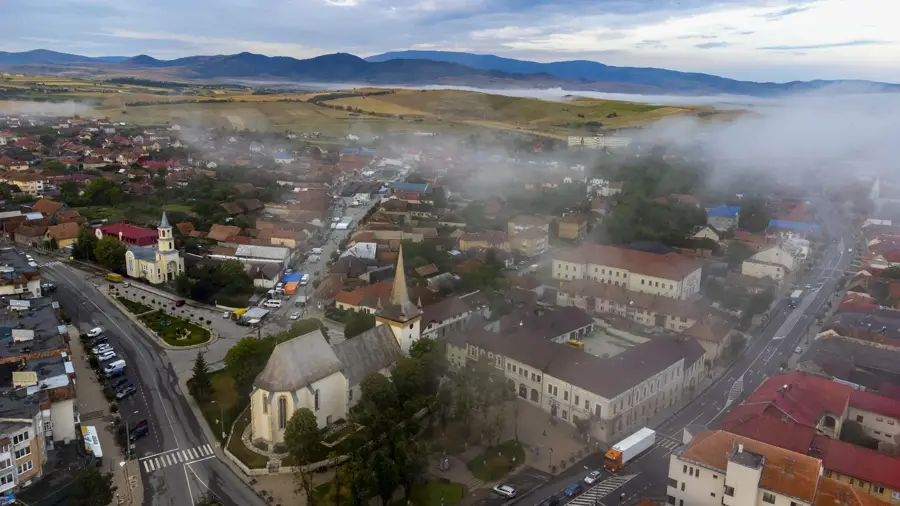
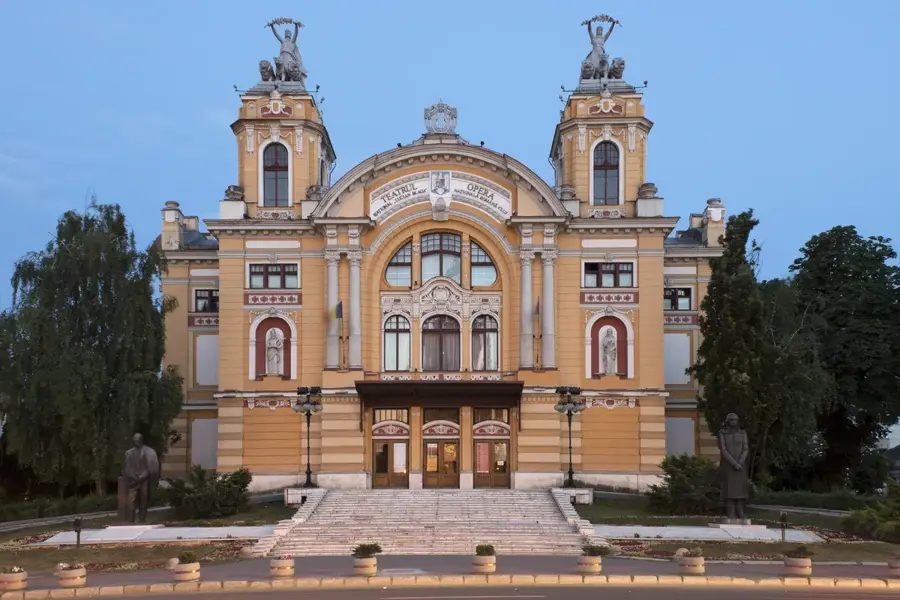
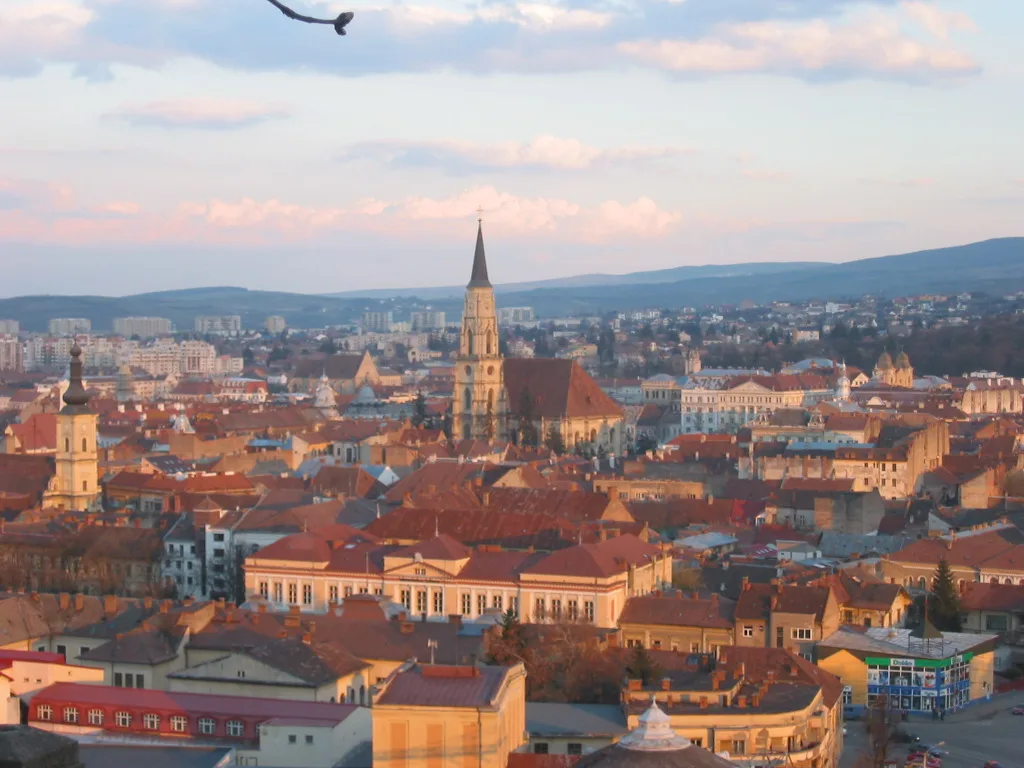
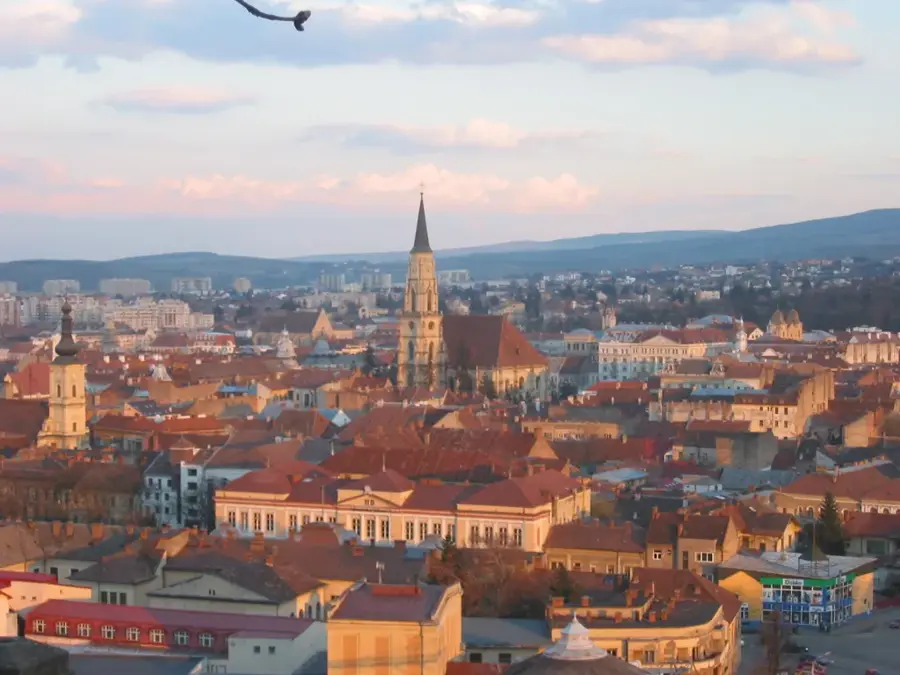
Cluj-Napoca, located in the Someșul Mic river valley, is the unofficial capital of the historical province of Transylvania and one of Romania's most influential economic and cultural hubs. Its history spans two millennia, beginning as the Roman settlement of Napoca, which later evolved into a wealthy medieval trading center under Saxon influence. The city's architectural landscape is dominated by the St. Michael's Church, a masterpiece of Gothic architecture standing tall in Unirii Square, right next to the iconic equestrian statue of King Matthias Corvinus, who was born here. Today, Cluj-Napoca is a powerhouse of education and innovation, home to the prestigious Babeș-Bolyai University and over 10 other higher education institutions. This academic density has fueled a massive IT boom, earning the city the nickname 'the Silicon Valley of Eastern Europe.' Cluj is also a premier destination for arts and entertainment, hosting the world-renowned Transilvania International Film Festival (TIFF) and UNTOLD, one of Europe's largest electronic music festivals. The city's multicultural heritage is evident in its dual Opera and National Theatre houses, serving both Romanian and Hungarian language communities. Nature lovers can enjoy the Alexandru Borza Botanical Garden, renowned for its diverse plant collections and Japanese garden. Cluj-Napoca maintains a unique balance between its storied past, visible in the baroque palaces and narrow medieval streets, and its forward-looking ambition, characterized by modern infrastructure and a thriving startup ecosystem. With its cosmopolitan vibe, high quality of life, and strategic position in the heart of Transylvania, it remains one of the most attractive cities for international travelers and investors alike. With Romania's full Schengen accession on 1 January 2025, border checks for Cluj-Napoca were lifted. Construction on the city's first metro line (M1) has been underway since 2024, the first such project outside Bucharest.
Explore on the map
Find cities, landscapes and regions in 10 varied challenges on the interactive map.
Your journey, your memory
Turn your own photo into a personal postcard with a local stamp. Free and no sign-up required.
Create a postcardThe most pleasant time to visit is Jun–Aug.
| Jan | Feb | Mar | Apr | May | Jun | Jul | Aug | Sep | Oct | Nov | Dec | |
|---|---|---|---|---|---|---|---|---|---|---|---|---|
| Avg °C | -3 | -1 | 4 | 10 | 15 | 19 | 22 | 22 | 16 | 10 | 4 | -1 |
| Rain mm | 35 | 34 | 43 | 51 | 81 | 97 | 90 | 63 | 53 | 53 | 41 | 40 |
Notable places around
Where do you start? We build the route here, with stops and country notes along the way.
© OpenStreetMap contributors · OpenRouteService
Start your day at Piața Unirii, the vibrant heart of the city. Admire St. Michael's Church and dive into culture at the Art Museum. Stroll through Central Park. Enjoy a traditional lunch at the wine cellar. In the afternoon, climb Cetățuia for a panorama and end the day at the Botanical Garden.
Explore the city efficiently by bike. Start at Piața Unirii, short stop at the church, then cycle through Central Park. Lunch at the wine cellar. Then ride to Cetățuia (some pushing required). Finally visit the Botanical Garden – park your bike at the gate. Ideal for active explorers.
By car, start at Piața Unirii (underground parking). Explore the city center on foot: church, museum, park, and lunch at the wine cellar. Then drive to Cetățuia (10 min). Enjoy the view. Then the Botanical Garden. Finally a short stop at the Matthias Corvinus statue before returning to the garage.