Plizio Visual Lab
Fergana Valley
Weather…
Water temperature…
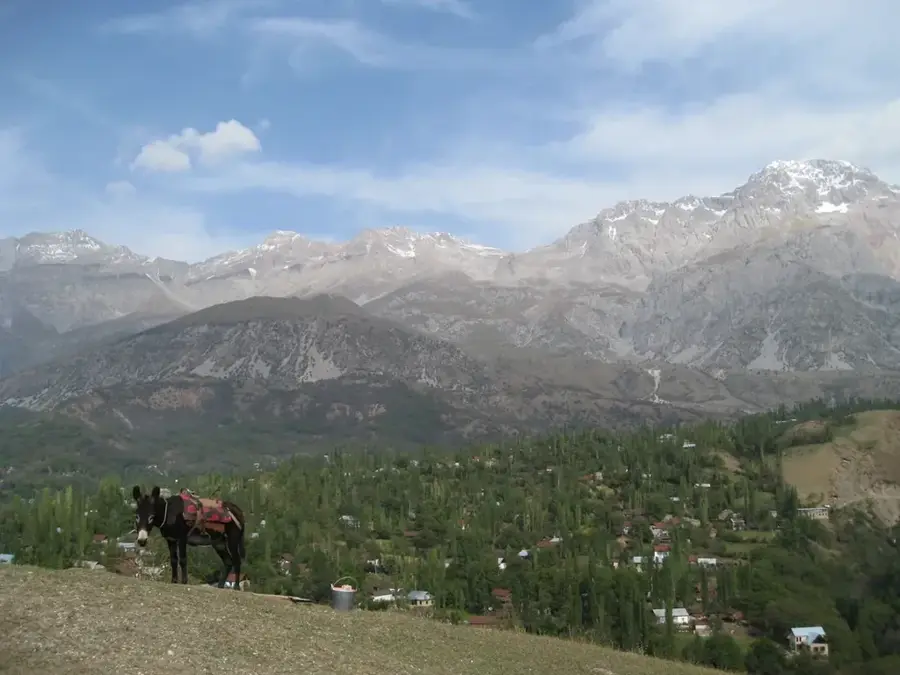
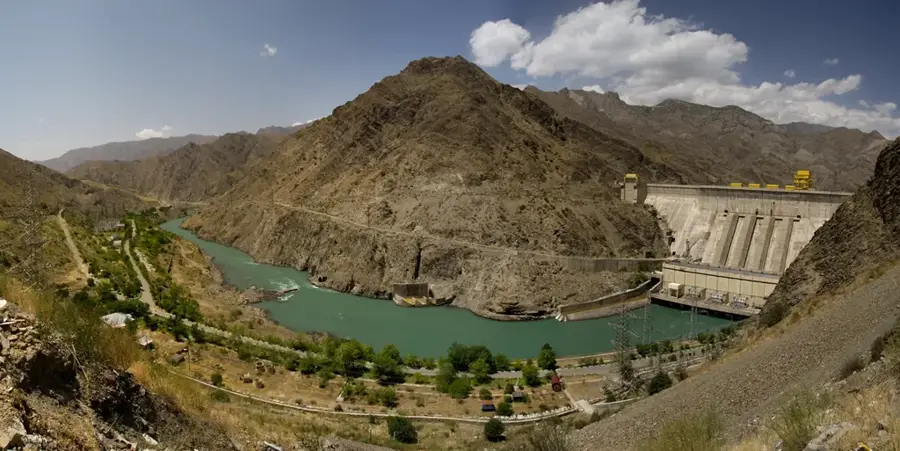
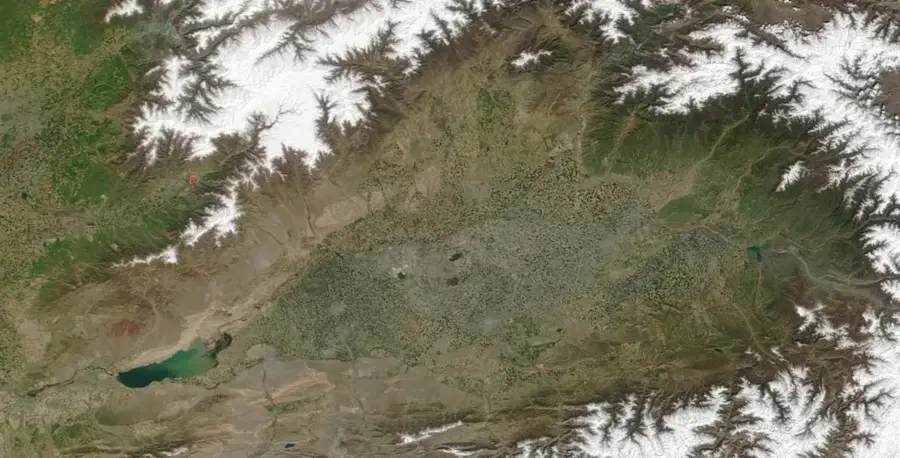
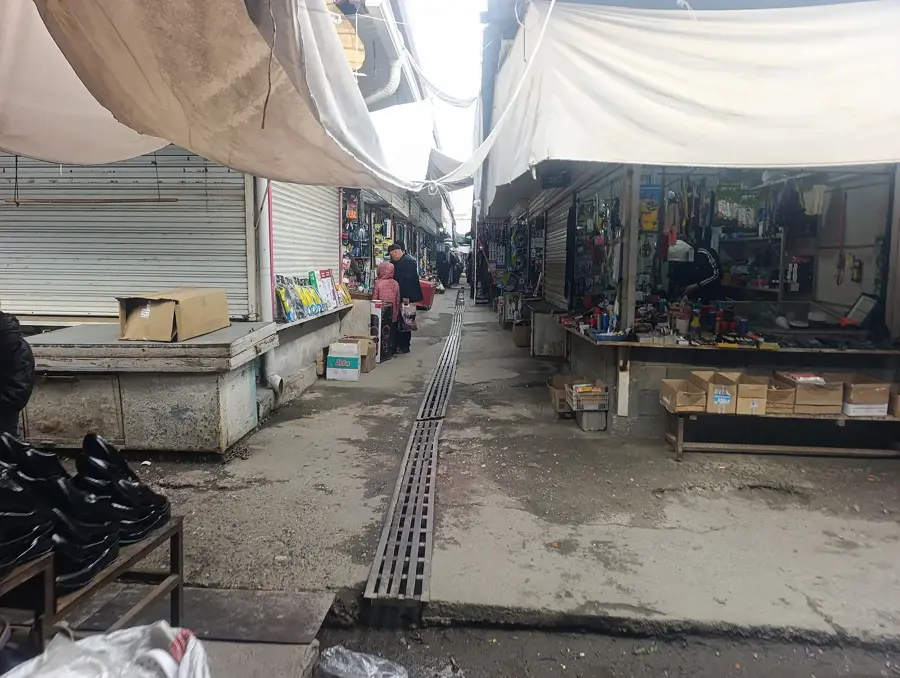
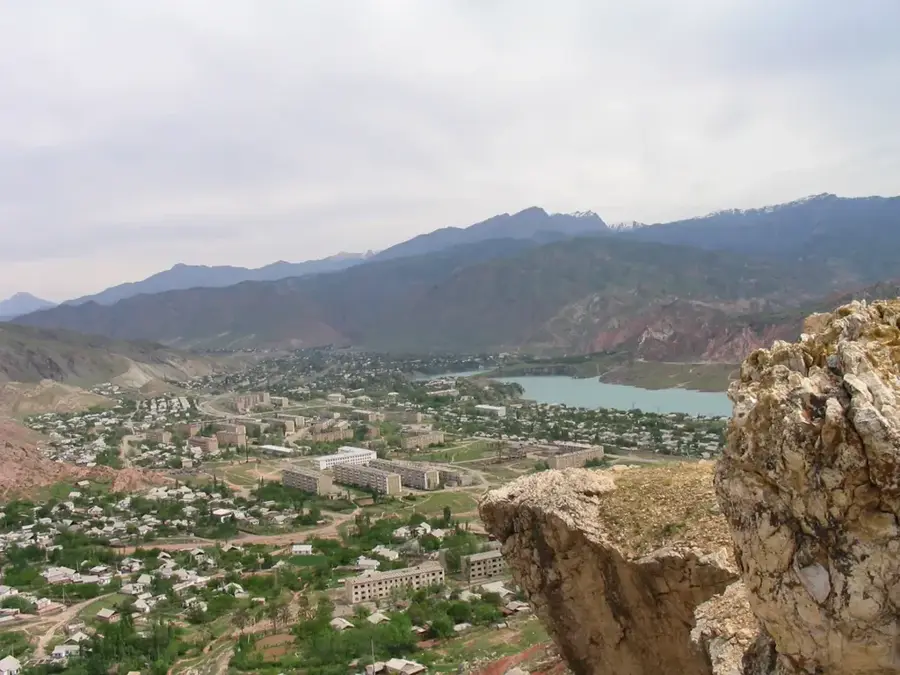
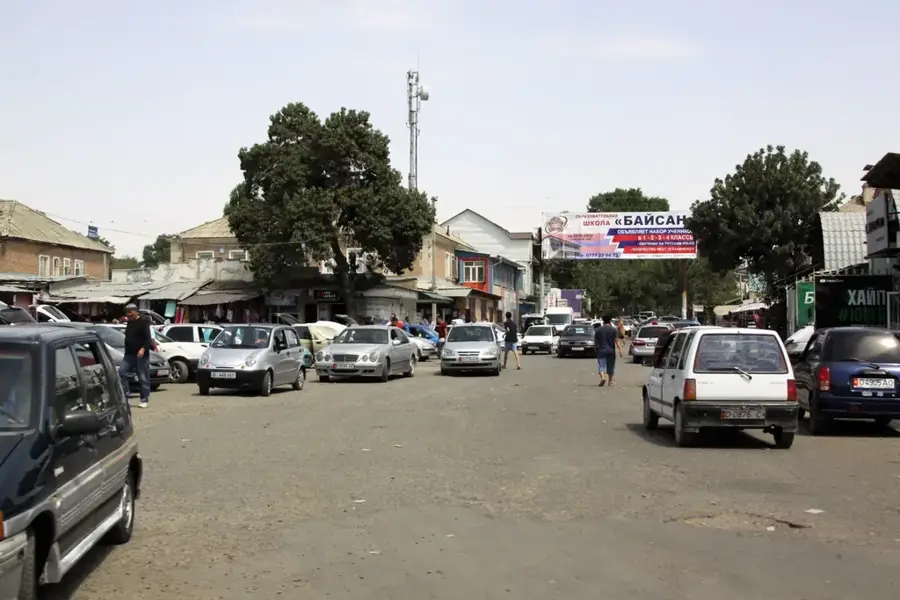
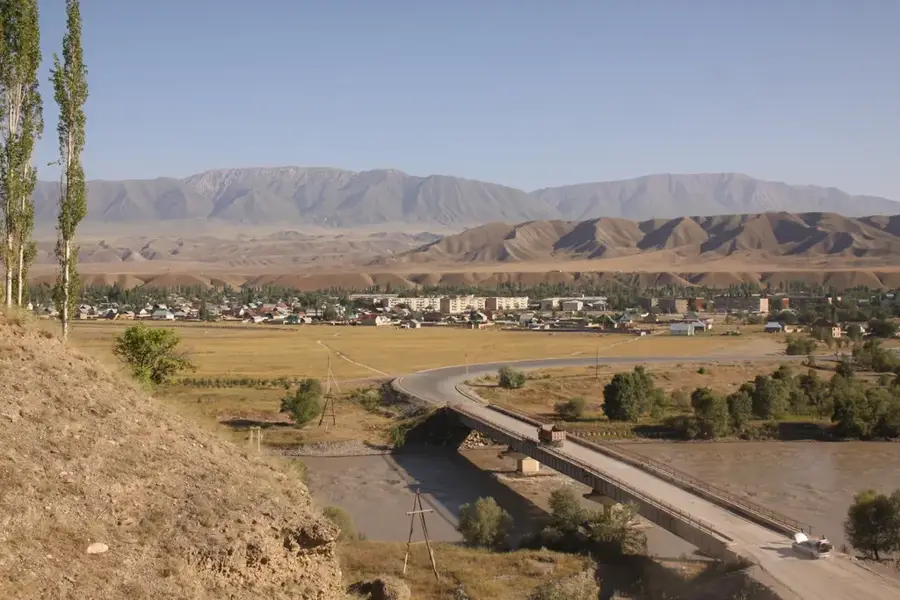
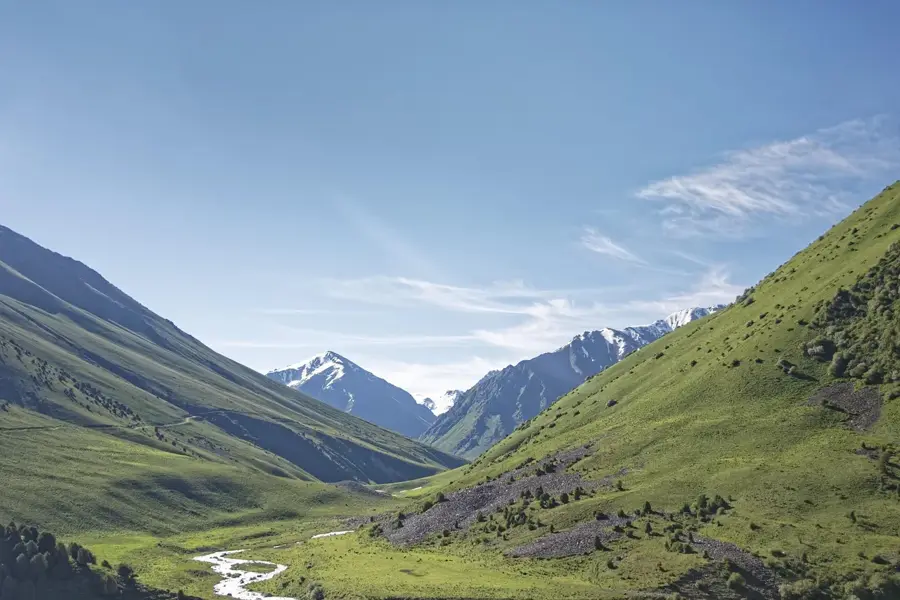
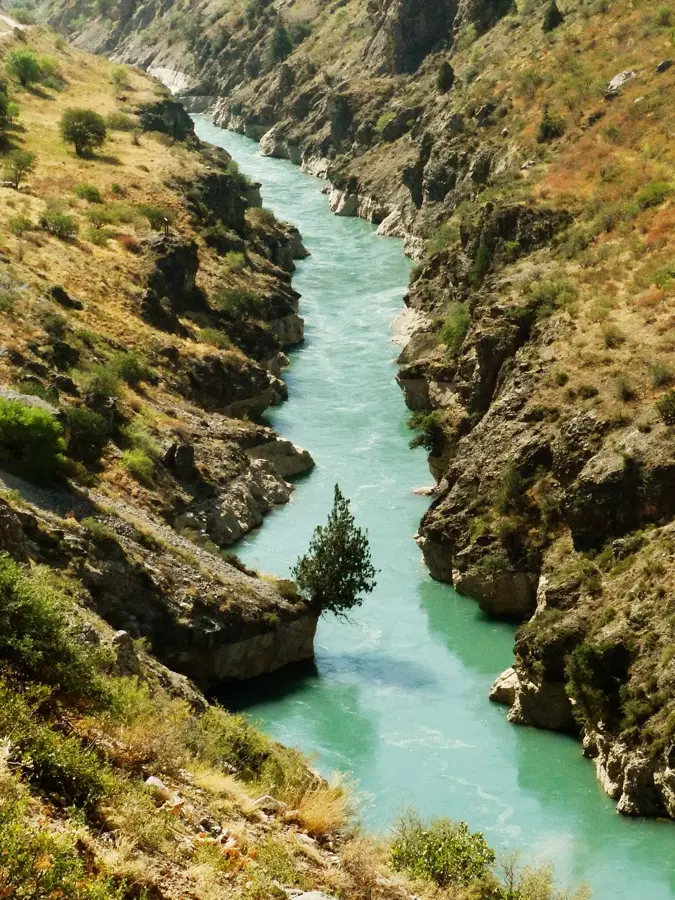
The Fergana Valley is an enormous, incredibly fertile intermontane depression that Kyrgyzstan shares with its neighboring countries, Uzbekistan and Tajikistan. In the southern reaches of Kyrgyzstan, the valley is majestically ringed by the towering spurs of the Tian Shan and Alay mountain ranges. The valley stands as the absolute agricultural and demographic heart of Central Asia; although it constitutes only a small fraction of Kyrgyzstan's total landmass, a massive portion of the national population resides here in major historic cities like Osh, Jalal-Abad, and Batken. Thanks to its exceptionally nutrient-rich soil and an ancient, highly sophisticated irrigation system fed by the Kara-Darya and Naryn rivers, the valley is a powerhouse for cultivating cotton, silk, walnuts, melons, and an enormous variety of fruits. Geographically and culturally, the warm, flat Fergana Valley sharply contrasts with the harsh, nomadic mountain regions of the north; it has been home to ancient sedentary civilizations and served as one of the wealthiest oases along the Silk Road for millennia. Its unique topography makes it a true cultural melting pot and a vital economic engine.
Explore on the map
How well do you know Kyrgyzstan?
Find cities, landscapes and regions in 10 varied challenges on the interactive map.
Your journey, your memory
A postcard from Fergana Valley
Turn your own photo into a personal postcard with a local stamp. Free and no sign-up required.
Create a postcard- Location: Kyrgyzstan
- Highlights: Arsif · Ahmad Al-Farg'oniy · World War II 1941-1945
- Nearby: Kyzyl-Kiya (29 km)
Best time to visit & climate
The most pleasant time to visit is Apr, May, Sep.
| Jan | Feb | Mar | Apr | May | Jun | Jul | Aug | Sep | Oct | Nov | Dec | |
|---|---|---|---|---|---|---|---|---|---|---|---|---|
| Avg °C | 3 | 5 | 12 | 17 | 23 | 28 | 31 | 29 | 24 | 16 | 9 | 4 |
| Rain mm | 16 | 23 | 27 | 23 | 21 | 13 | 5 | 8 | 4 | 15 | 24 | 22 |
📋 Practical info
Geography
Facts
- A massive intermontane depression shared with Uzbekistan and Tajikistan.
- Serves as the absolute demographic and agricultural heart of Kyrgyzstan.
- Securely ringed by the towering spurs of the Tian Shan and Alay mountains.
- Home to historically significant and populous cities like Osh and Jalal-Abad.
- An ancient, thriving center for the extensive cultivation of cotton and silk.
- Contrasts sharply in culture and climate from the rugged, nomadic northern mountains.
Explore nearby
Notable places around
Route planner — Car & Motorhome
Where do you start? We build the route here, with stops and country notes along the way.
© OpenStreetMap contributors · OpenRouteService
Sights in the town Fergana Valley (6)
Sights nearby
Frequently asked questions
Which countries share the Fergana Valley?
What is Fergana Valley culturally known for?
Is the valley fertile?
What is the largest city in the Kyrgyz part?
Are there border issues when traveling in the valley?
Fergana Valley: where is it located?
Fergana Valley: what is there to see?
Fergana Valley: when is the best time to visit?
Fergana Valley: why is it worth visiting?

Nearby cities

History & landmarks
Nature
More places