Plizio Visual Lab
Fergana Valley Cotton Fields

Weather…
Water temperature…
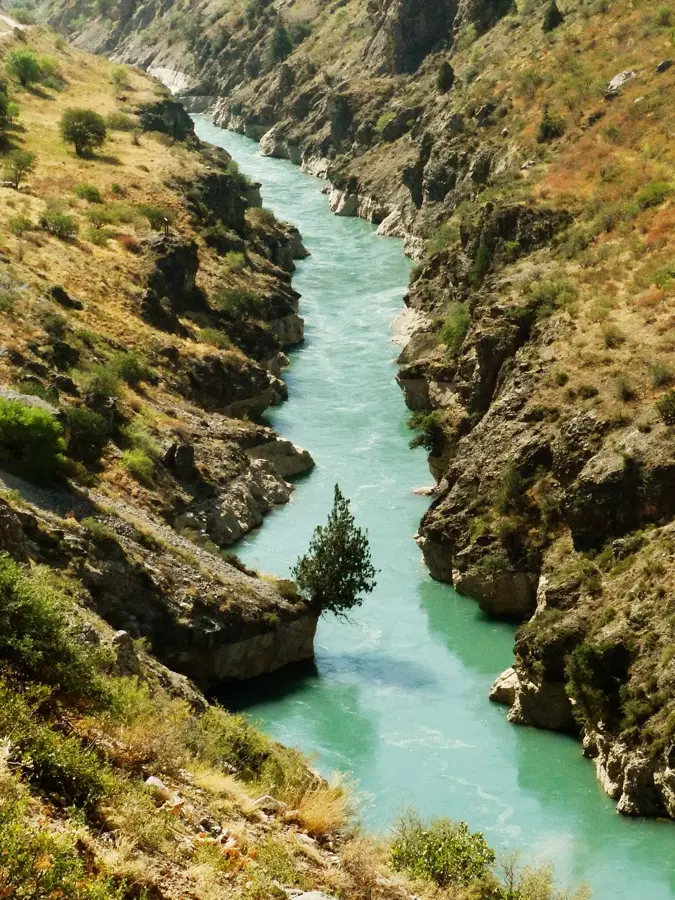
Cotton cultivation in the Kyrgyz portion of the Fergana Valley, particularly in the Osh and Jalal-Abad regions, is a vital agricultural sector known as the production of 'white gold.' The valley's hot, dry summers provide the necessary heat units for cotton plants to flourish, supported by irrigation water sourced from major rivers flowing from the surrounding mountains. Historically, cotton production was scaled up significantly during the Soviet era through the construction of massive irrigation networks. The harvest season, occurring in September and October, is a labor-intensive period that defines the annual rhythm of local rural communities. Kyrgyz cotton is highly regarded on the international market for its fiber quality, with much of the raw output exported to China, Russia, and Turkey. In recent years, there has been a push to revitalize the domestic textile industry to process cotton locally into finished goods. Sustainable water management and the modernization of ginning facilities are current priorities to ensure the long-term viability of cotton farming in the region.
Explore on the map
How well do you know Kyrgyzstan?
Find cities, landscapes and regions in 10 varied challenges on the interactive map.
Your journey, your memory
A postcard from Fergana Valley Cotton Fields
Turn your own photo into a personal postcard with a local stamp. Free and no sign-up required.
Create a postcard- Location: Kyrgyzstan
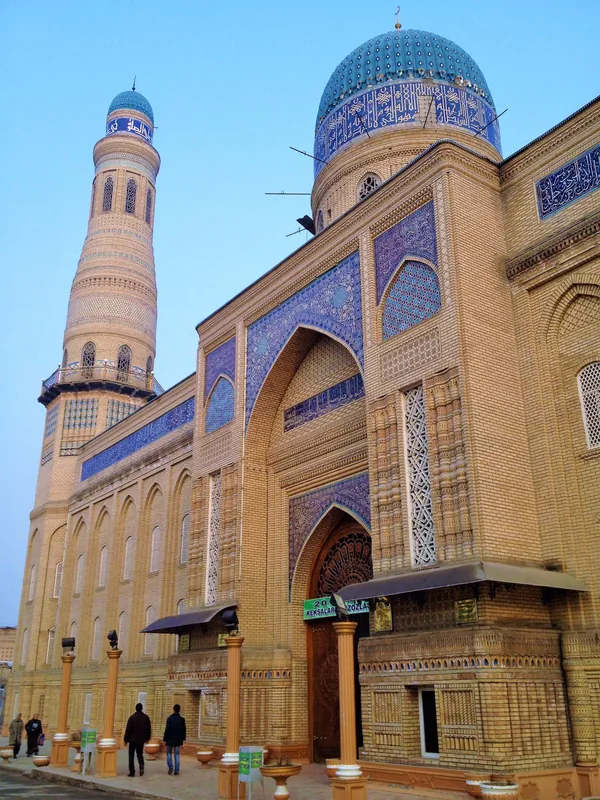
- Highlights: Dardoq jome' masjidi · Tosh masjid jome' masjidi
- Nearby: Jalal-Abad (17 km)
Best time to visit & climate
The most pleasant time to visit is Jun, Aug, Sep.
| Jan | Feb | Mar | Apr | May | Jun | Jul | Aug | Sep | Oct | Nov | Dec | |
|---|---|---|---|---|---|---|---|---|---|---|---|---|
| Avg °C | -1 | 1 | 7 | 12 | 18 | 23 | 26 | 24 | 19 | 12 | 5 | 0 |
| Rain mm | 23 | 31 | 37 | 40 | 29 | 17 | 7 | 6 | 5 | 22 | 35 | 28 |
📋 Practical info
Geography
Facts
- Cotton is widely known as white gold in the Kyrgyz economy.
- The peak harvest season occurs throughout September and October.
- Over 90% of the country's cotton is grown in the Fergana Valley.
- Major export markets include China, Turkey, and Russia.
- Irrigation relies heavily on water from the Syr Darya river basin.
- The sector provides seasonal employment for thousands of rural workers.
Explore nearby
Notable places around
Route planner — Car & Motorhome
Where do you start? We build the route here, with stops and country notes along the way.
© OpenStreetMap contributors · OpenRouteService
Sights in the town Fergana Valley Cotton Fields (2)
Sights nearby
Frequently asked questions
When is cotton harvested in the Fergana Valley?
Is the cotton picked by hand?
Why is cotton grown in the Fergana Valley?
Can you visit cotton processing plants?
Are there environmental risks with cotton farming?
Fergana Valley Cotton Fields: where is it located?
Fergana Valley Cotton Fields: what is there to see?
Fergana Valley Cotton Fields: when is the best time to visit?
Fergana Valley Cotton Fields: why is it worth visiting?

Nearby cities
History & landmarks
Nature
More places