Plizio Visual Lab

Sylt
Plizio editorial teamData Sources
Island
—°9
Sylt (Germany)

Weather…

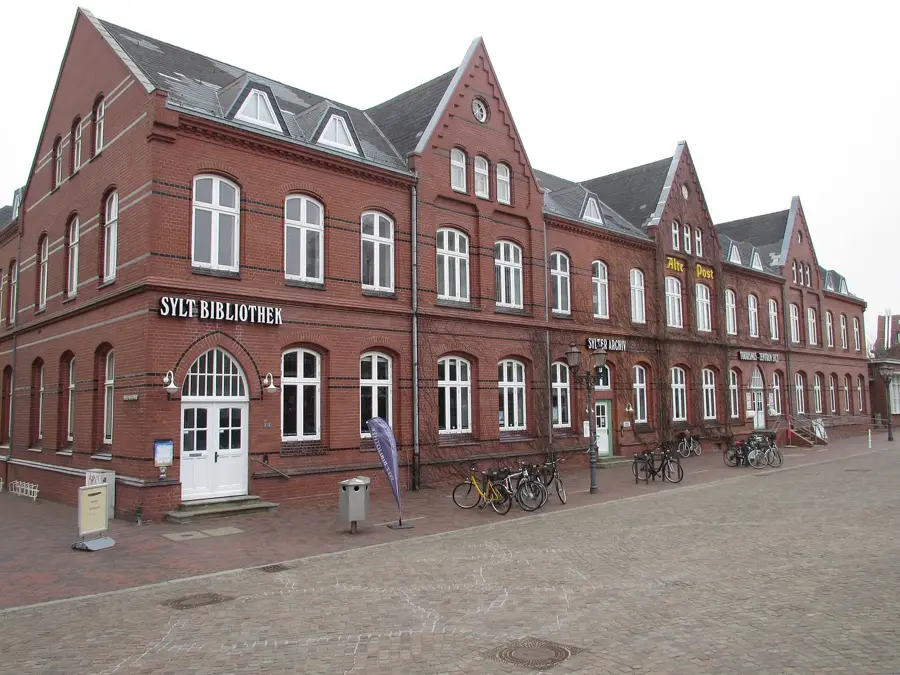
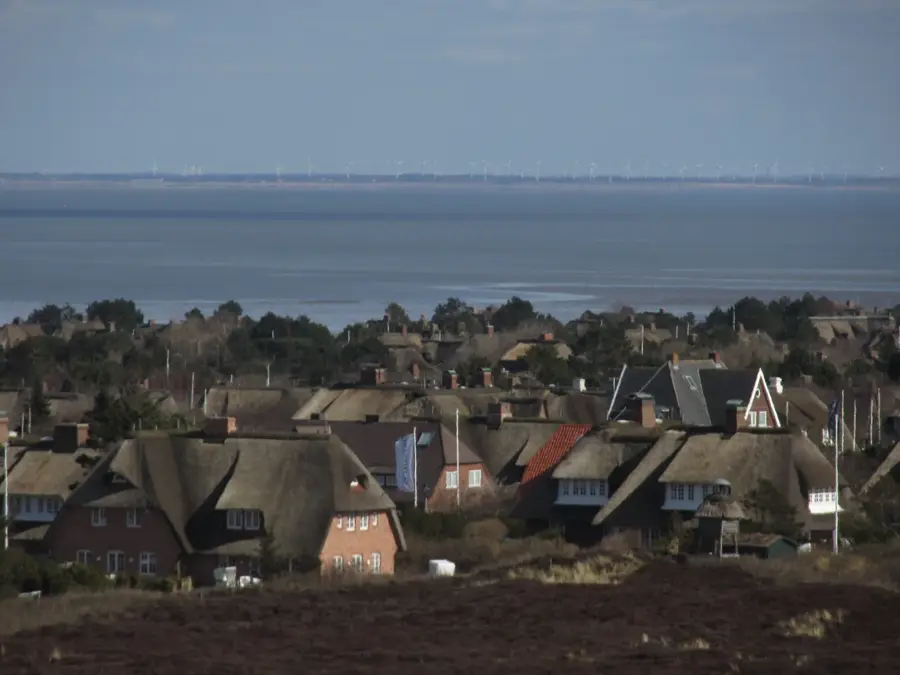
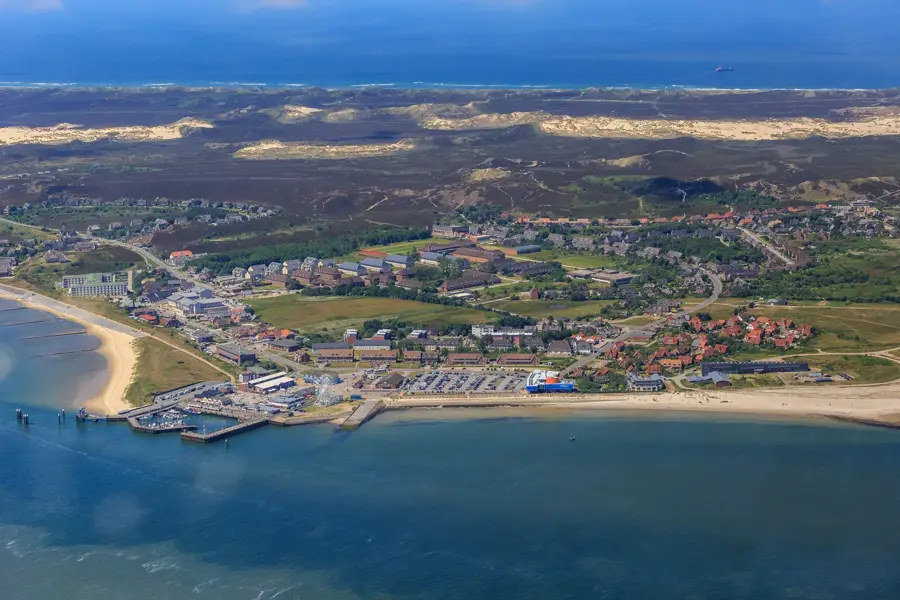
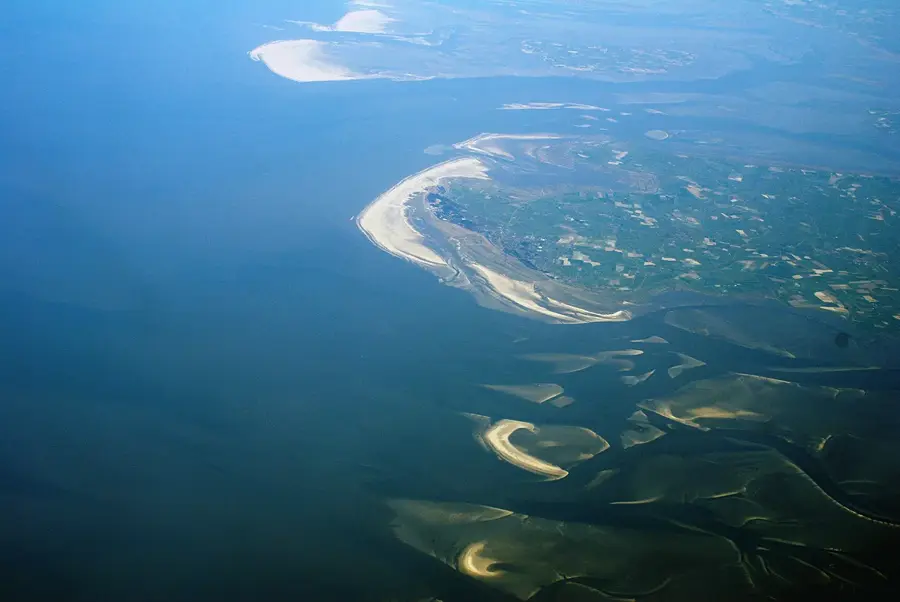
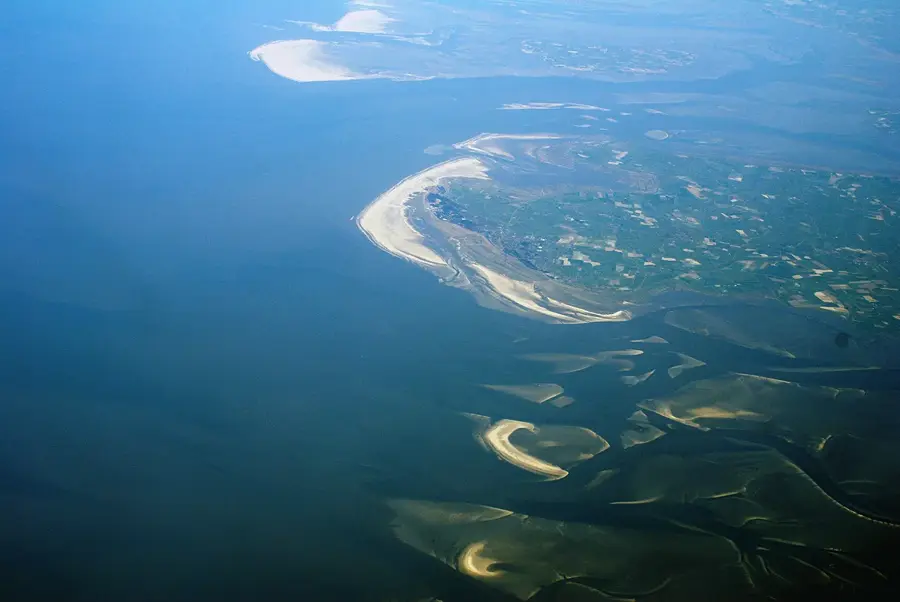
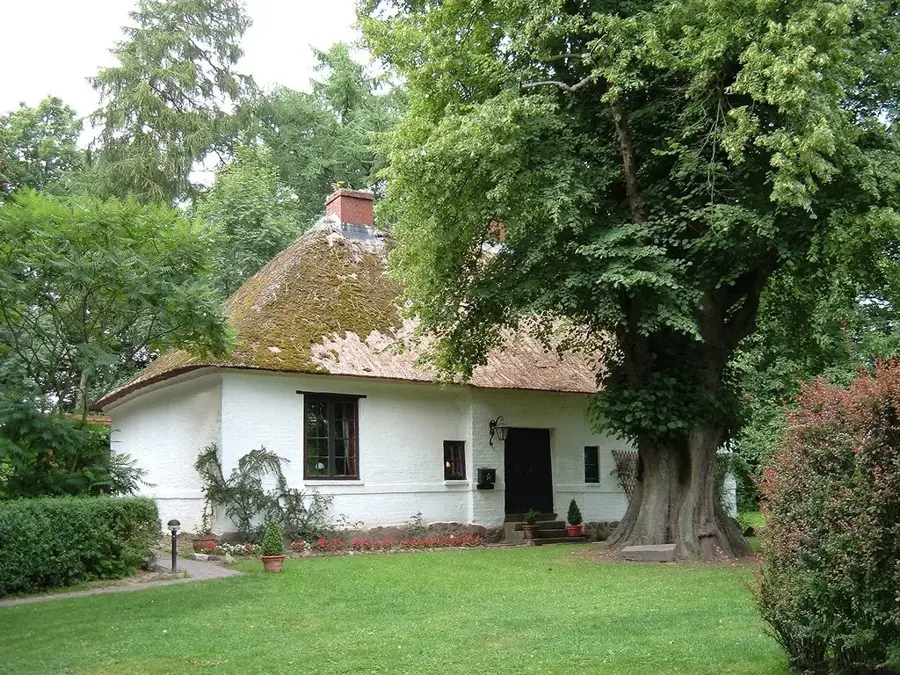
Sylt is the largest of the North Frisian Islands, renowned for its distinctive elongated shape and its exposed position in the North Sea off the coast of Schleswig-Holstein. Since 1927, the island has been connected to the mainland by the eleven-kilometer Hindenburgdamm causeway, which facilitates rail transport to its main town, Westerland. Geographically, Sylt is in a state of constant flux due to coastal erosion, necessitating extensive annual sand nourishment projects to preserve its western shores. The island features a diverse natural landscape, ranging from the shifting sand dunes near List and the dramatic Red Cliff at Kampen to the Wadden Sea in the east, which is a UNESCO World Heritage site. Historically, Sylt was a hub for whaling and maritime trade, a legacy visible today in the thatched-roof captain's houses in Keitum. In modern times, the island has evolved into an exclusive holiday destination famous for high-end gastronomy and a spirited spa culture. Despite heavy tourism, the preservation of its fragile dune ecosystems and marshlands remains a core conservation priority.

Best time to visit & climate

The most pleasant time to visit is Jun–Aug.

JanFebMarAprMayJunJulAugSepOctNovDec
Avg °C224711151717151174
Rain mm786254415372789478888183

📋 Practical info

🧭
Getting there
The island is most commonly accessed by taking a train over the iconic Hindenburgdamm causeway, or by driving onto one of the large car ferries connecting it to the mainland.
📅
Best season
Summer firmly remains the high season for bustling beach holidays, but many enthusiasts genuinely prefer the quiet, atmospheric melancholy of the off-season for brisk walking.
⛰️
Terrain & paths
The landscape features an impressive unbroken stretch of sandy western beaches, imposing shifting dunes, and expansive flat mudflats characterizing the quieter eastern shoreline.
🎒
What to bring
Excellent windproof outerwear is virtually essential year-round due to the strong sea breezes, coupled with standard comfortable shoes for navigating the paved and sandy paths.
🅿️
Parking
Paid parking lots are widely distributed near the most prominent beaches and bustling resort centers, although many seasoned visitors choose to explore via bicycle to avoid fees.
⚠️
Safety
It is crucially important to strictly observe the designated swimming flags indicating dangerous currents, and absolutely refrain from ever entering the heavily protected dune reserves.
⏱️
Time needed
While a thoroughly planned day trip covers the primary sights, relaxing properly in a rented beach chair and soaking in the upscale resort culture generally calls for several days.

Geography

Coordinates
54.90000, 8.34000

Facts

  • Sylt has a total land area of approximately 99 square kilometers.
  • The island stretches about 38 kilometers from north to south.
  • At its narrowest point near Rantum, the island is only 320 meters wide.
  • The Red Cliff near Kampen rises to a height of up to 30 meters.
  • The Hindenburgdamm was officially opened on June 1, 1927.
  • Sylt is home to Germany's northernmost oyster farm located near List.

Explore nearby

Notable places around
Route planner — Car & Motorhome

Where do you start? We build the route here, with stops and country notes along the way.

Vehicle
Only stops with (optional):

© OpenStreetMap contributors · OpenRouteService

Sights in the town Sylt (9)

Tinnumburg🏺 historical

The remains of a circular rampart from the Viking Age on the island of Sylt.

🕒 24/7

Harhoog🏺 historical

A prehistoric megalithic tomb located in Keitum on the island of Sylt.

Tipkenhoog🏺 historical

A Bronze Age burial mound located on a hill in Keitum on the island of Sylt.

Sylt Aquarium🎡 recreation

An aquarium in Westerland showcasing marine life from the North Sea and tropics.

🕒 Mo-Su 10:00-17:00

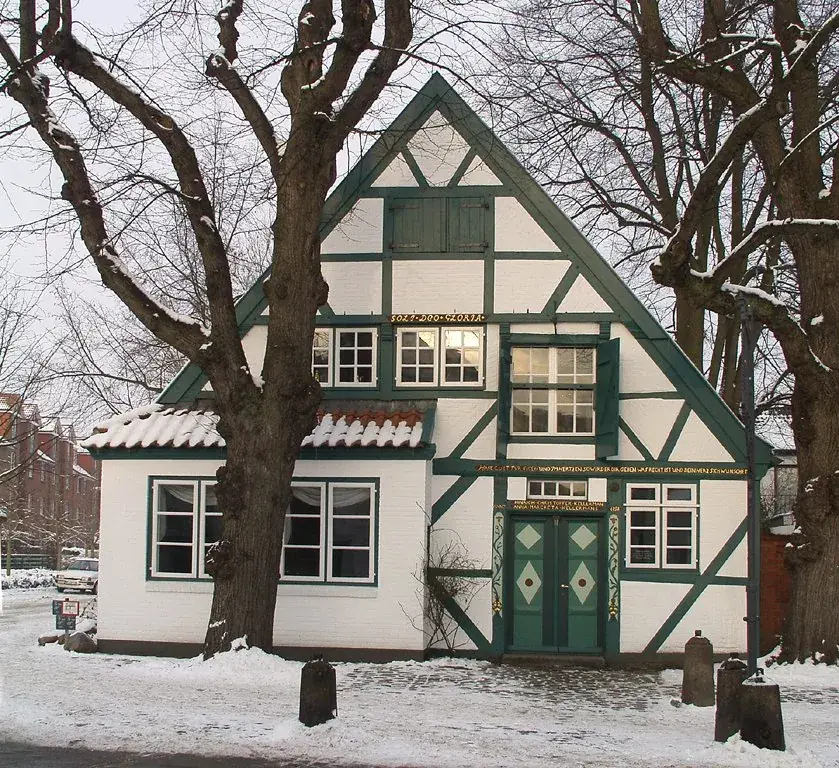
Altfriesisches Haus🏛 museum

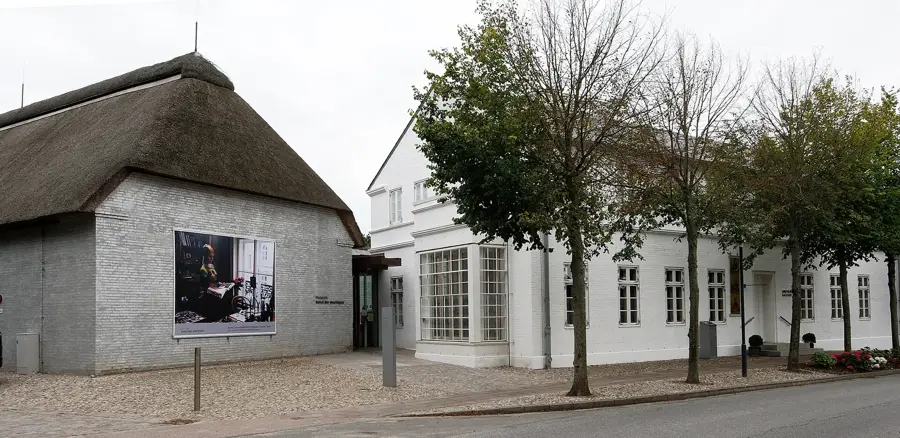
A museum on Sylt showcasing the traditional Frisian way of life from the 18th century.

🕒 Apr-Oct: Mo-Fr 10:00-17:00; Apr-Oct: Sa,Su,PH 11:00-17:00; N💶

Sylt Museum🏛 museum

This museum documents the cultural history and maritime traditions of the island of Sylt.

🕒 Apr-Oct: Mo-Fr 10:00-17:00; Apr-Oct: Sa,Su,PH 11:00-17:00; N💶

Rantumbecken🌿 nature

A significant nature reserve and bird sanctuary on the eastern coast of Sylt.

Qiara🎡 recreation

A public bath on the island of Sylt for relaxation by the North Sea.

Tierpark Tinnum🎡 recreation

A small zoo on the island of Sylt featuring native and exotic animals.

🕒 easter -1 day-Oct 31: Mo-Su 10:00-19:00💶

Sights nearby

Frequently asked questions

Can you drive directly to Sylt?
No, there is no road connection to the mainland. Cars are transported via the 'Sylt Shuttle' or car train over the Hindenburgdamm.
Which town is the center of the island?
Westerland is the main town with the primary railway station, numerous shopping opportunities, and direct access to the west beach.
What is the Red Cliff?
A roughly 30-meter-high cliff between Wenningstedt and Kampen that glows reddish, especially during sunset.
What culinary specialties are there?
Sylt is famous for its oysters ('Sylter Royal'), fresh fish at Gosch, and exclusive gastronomy (e.g., Sansibar).
Can you go mudflat hiking on Sylt?
Yes, the Wadden Sea (UNESCO Heritage) is on the east side of the island, where guided hikes are offered at low tide.
Sylt: where is it located?
Sylt is located in Schleswig-Holstein, Germany.
Sylt: what is there to see?
Highlights include Tinnumburg, Harhoog, Tipkenhoog.
Sylt: when is the best time to visit?
The most pleasant time to visit is Jun, Aug.
Sylt: why is it worth visiting?
Sylt is the largest of the North Frisian Islands, renowned for its distinctive elongated shape and its exposed position in the North Sea off the coast of Schleswig-Holstein.
View on map → The Top 50 Attractions → OpenStreetMap →
Europe
Explore with Plizio Discover more places in Europe
More places in Germany →

Nearby cities