Plizio Visual Lab
Port of Lübeck
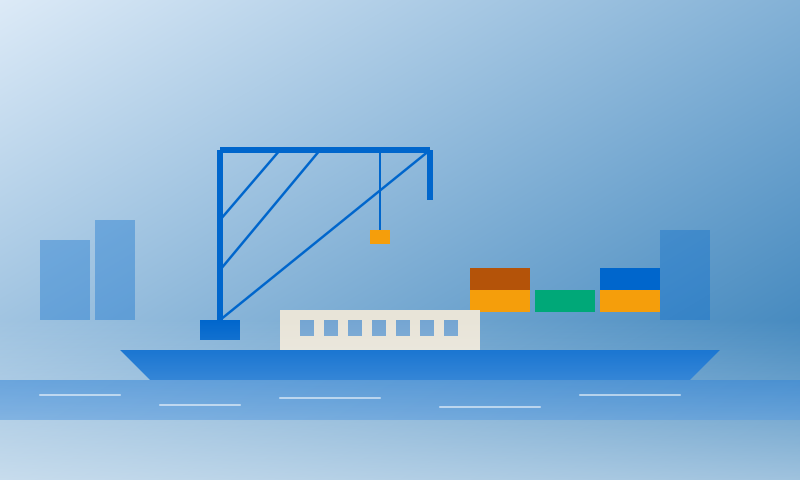
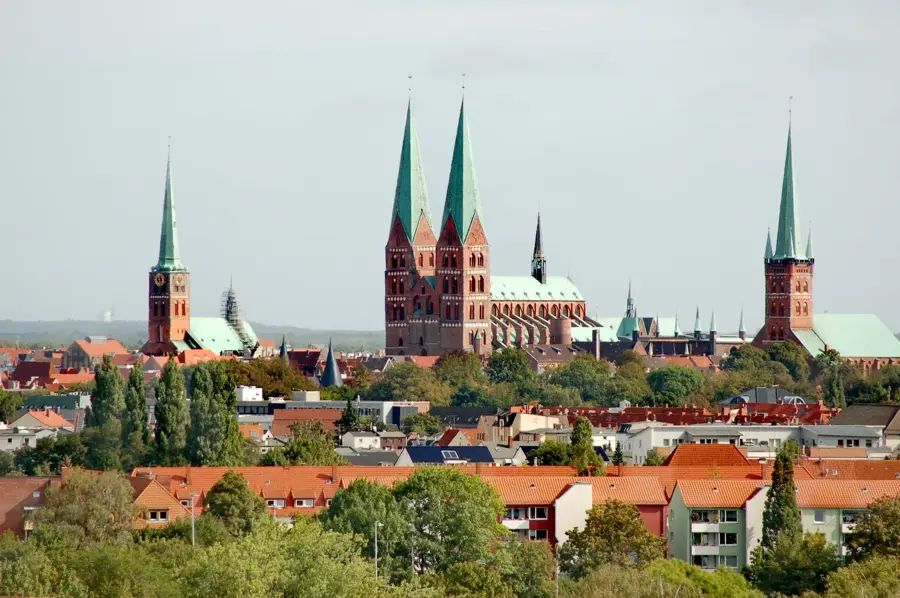
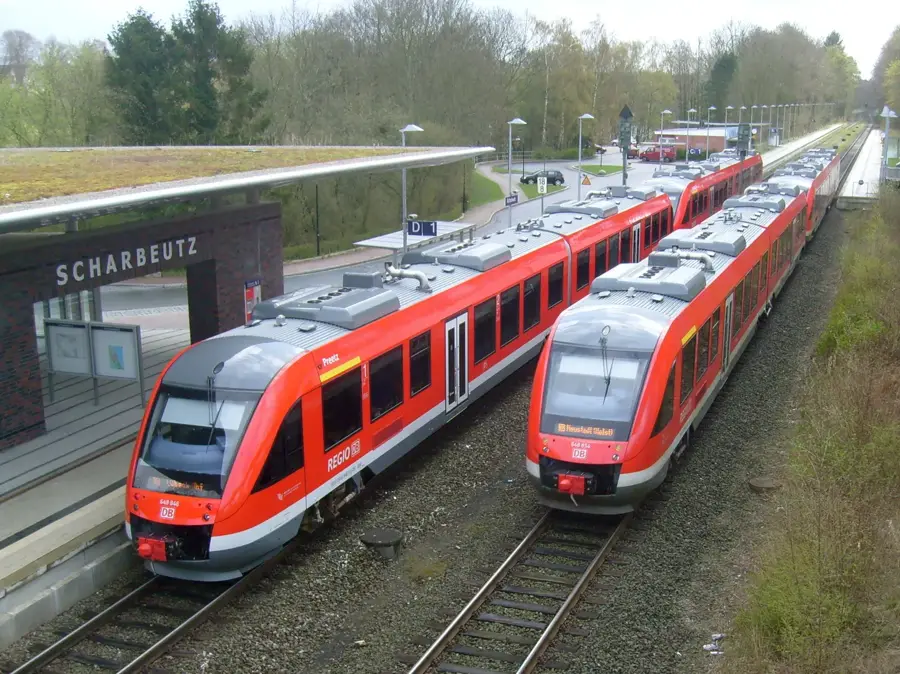
The Port of Lübeck is Germany's largest Baltic Sea port and serves as a central hub for the movement of goods between Central Europe, Scandinavia, and the Baltic states. As the historic "Queen of the Hanseatic League," Lübeck is home to a maritime tradition spanning centuries, which is carried forward today by state-of-the-art port logistics. The various terminal locations, including the Skandinavienkai in Travemünde, specialize in Roll-on-Roll-off (RoRo) traffic and the handling of forest products such as paper and cellulose. Thanks to its excellent hinterland connections via rail and motorway, the port acts as a bridge for cargo flows from all over Europe. In addition to its economic significance as a logistics hub, Lübeck is also an important destination for ferries and cruise ships, boosting tourism in the region. The port continuously invests in sustainable technologies, such as shore-side power systems, to reduce the ecological footprint of maritime traffic. As a municipal company of the Hanseatic City of Lübeck, the port is an indispensable economic engine for Schleswig-Holstein, securing thousands of jobs in the region.
Explore on the map
How well do you know Germany?
Find cities, landscapes and regions in 10 varied challenges on the interactive map.
Your journey, your memory
A postcard from Port of Lübeck
Turn your own photo into a personal postcard with a local stamp. Free and no sign-up required.
Create a postcard- Location: Schleswig-Holstein, Germany
- Highlights: Marzipan-Museum · KulturRösterei · Langes Haus
- Nearby: Bad Schwartau (6 km)
Best time to visit & climate
The most pleasant time to visit is Jun–Aug.
| Jan | Feb | Mar | Apr | May | Jun | Jul | Aug | Sep | Oct | Nov | Dec | |
|---|---|---|---|---|---|---|---|---|---|---|---|---|
| Avg °C | 1 | 1 | 4 | 8 | 12 | 16 | 18 | 18 | 14 | 10 | 5 | 2 |
| Rain mm | 63 | 51 | 47 | 37 | 54 | 67 | 77 | 71 | 55 | 60 | 58 | 66 |
📋 Practical info
Geography
Facts
- Germany's largest port on the Baltic Sea, focusing on RoRo traffic.
- The Skandinavienkai is one of the largest ferry terminals in Europe.
- The most important European hub for paper and forest products.
- Annual cargo handling volume of approximately 25 million tons.
- Has direct connections to the A1 and A20 motorways.
- Operates modern shore-side power systems to reduce shipping emissions.
Explore nearby
Notable places around
Route planner — Car & Motorhome
Where do you start? We build the route here, with stops and country notes along the way.
© OpenStreetMap contributors · OpenRouteService
Sights in the town Port of Lübeck (10)
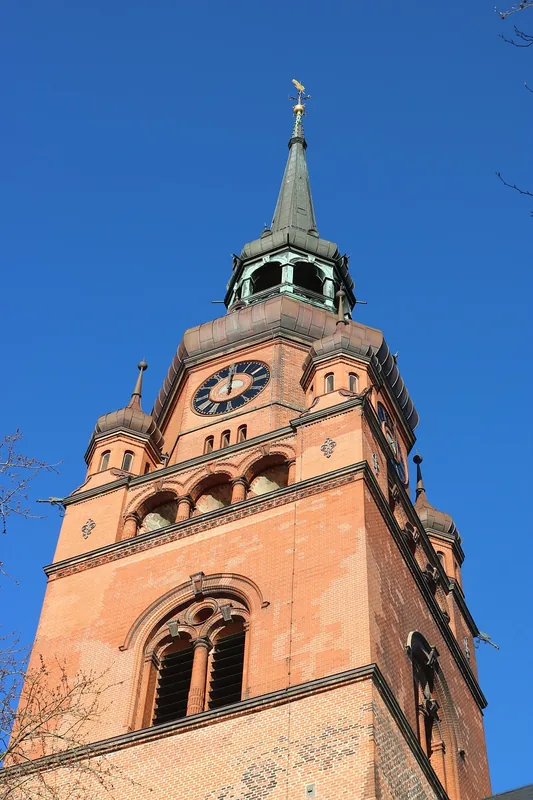
Sankt Petri
Observation platform on St. Petri's church tower. View over Lübeck's old town.
TheaterFigurenMuseum🏛 museum
Museum in Germany. Collection of theatre figures and puppets.
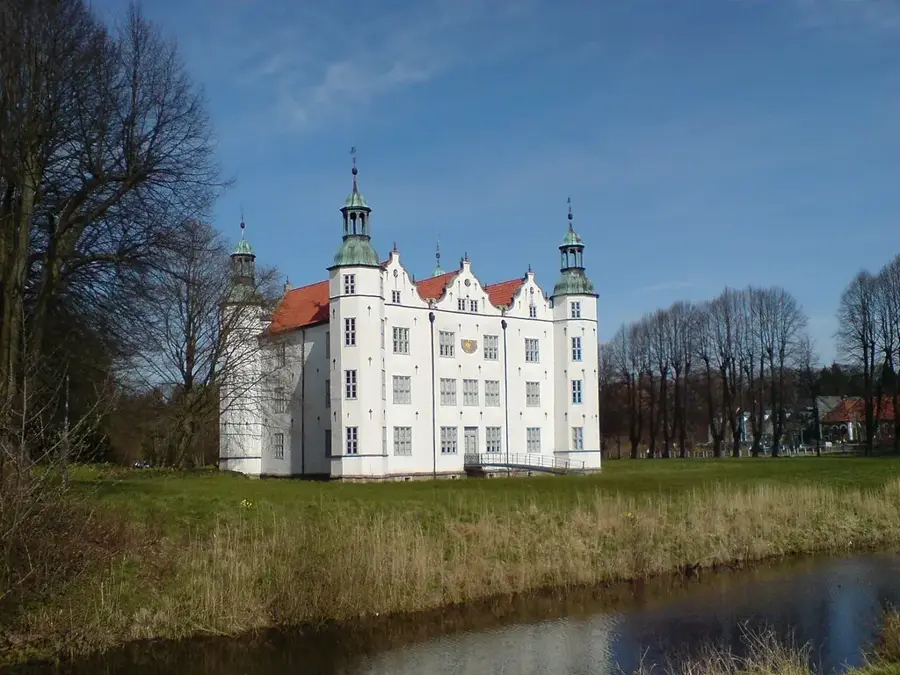
Schloss Rantzau🏰 castle
Town palace in Lübeck's cathedral district, former cathedral curia. Noble residence.
Figurentheater Lübeck
Puppet theatre in Lübeck.
Sankt-Aegidien-Kirche
Church building in Lübeck. Architectural monument of the city.
St.-Aegidien-Kirche
Church in Lübeck, Schleswig-Holstein. Gothic brick church.
KOBALT Figurentheater Lübeck
Puppet theatre in Lübeck. Performances with puppets and objects.
Sights nearby
Frequently asked questions
What is the Port of Lübeck?
Can you take harbor tours in Lübeck?
Where is the Skandinavienkai located?
What is mainly handled at the port?
Are there historic ships in the port?
Port of Lübeck: where is it located?
Port of Lübeck: what is there to see?
Port of Lübeck: when is the best time to visit?
Port of Lübeck: why is it worth visiting?
Nearby cities