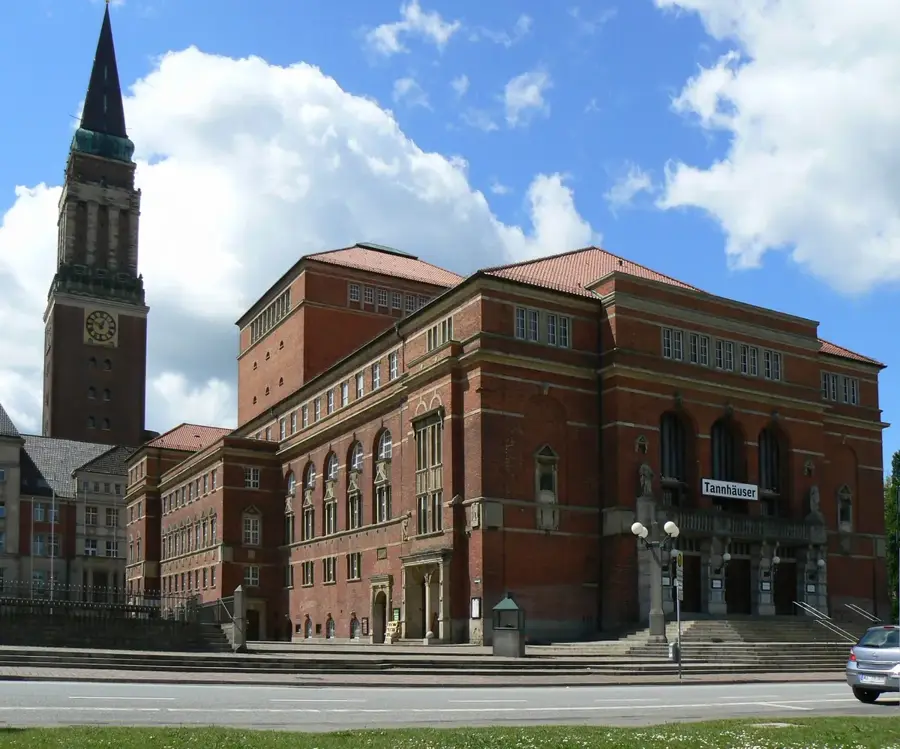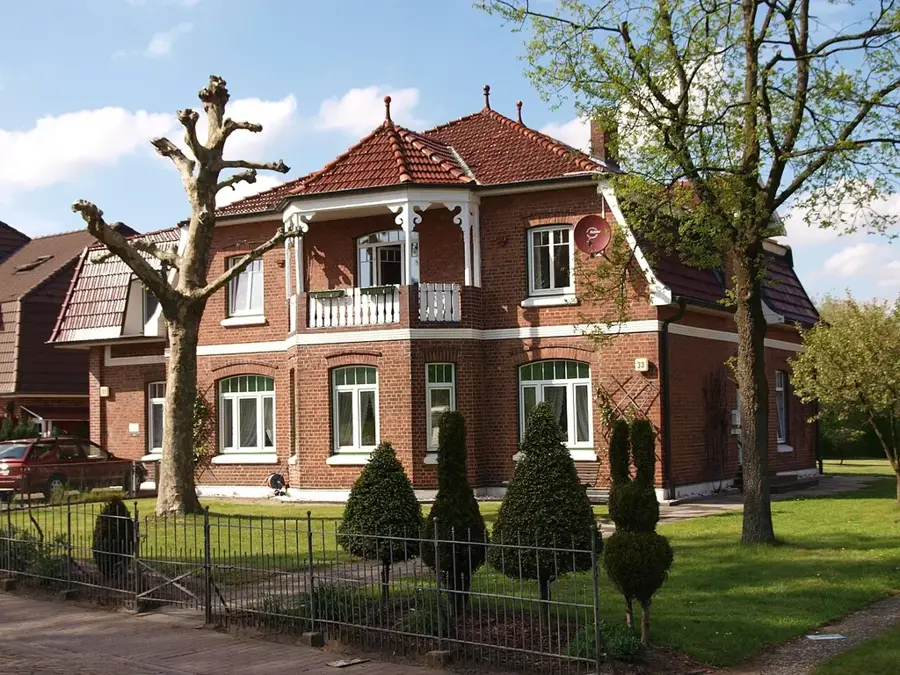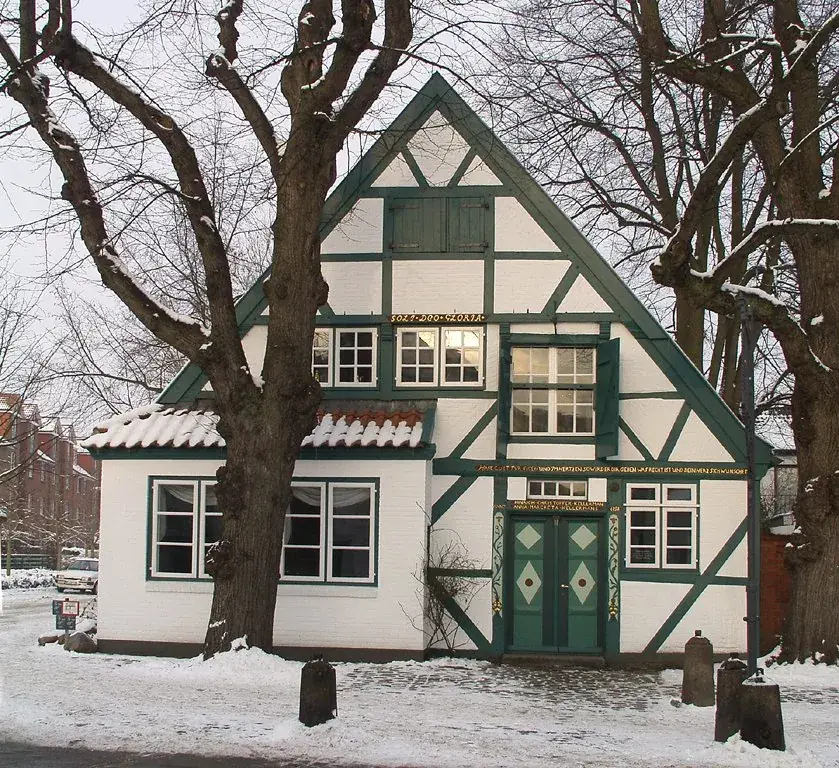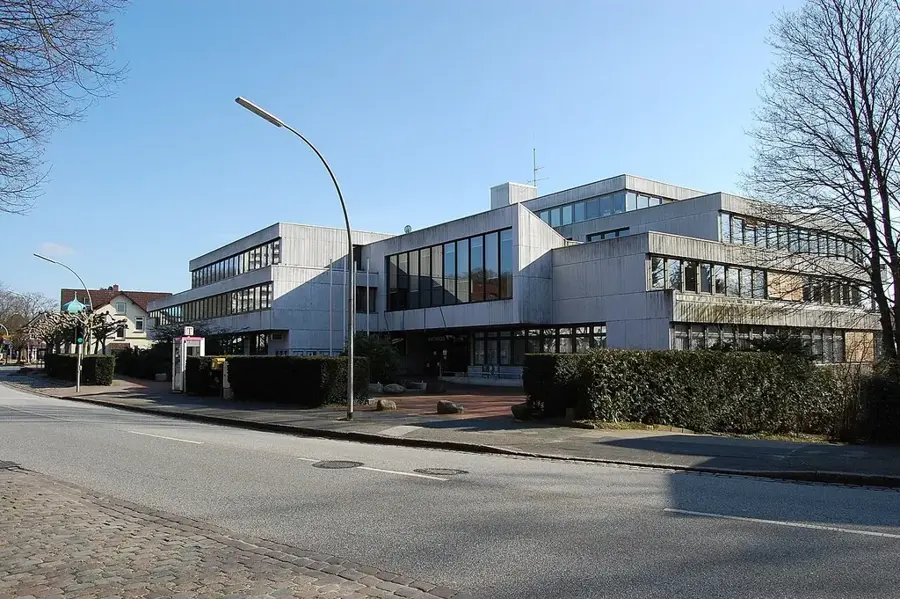
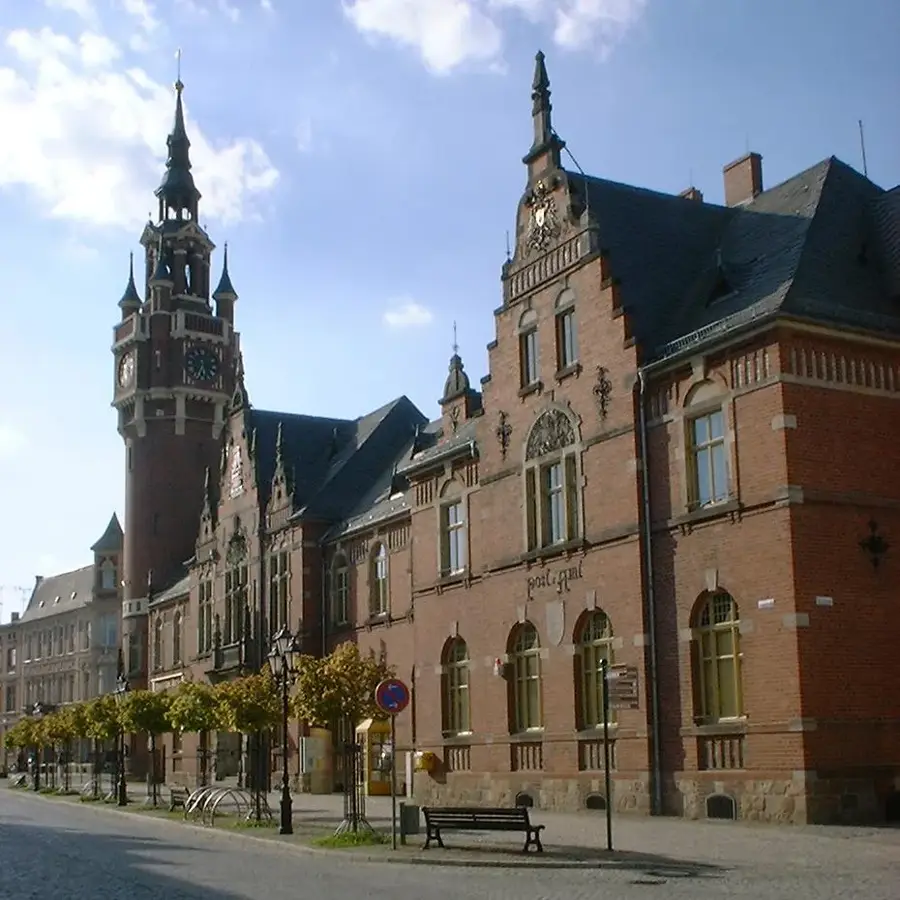
Rathaus der Stadt Fehmarn
Town hall of the city of Fehmarn.
🌐 stadtfehmarn.de🕒 Mo,We-Fr 08:00-12:00; Tu 08:00-12:30,13:30-18:00; PH closed
Plizio Visual Lab
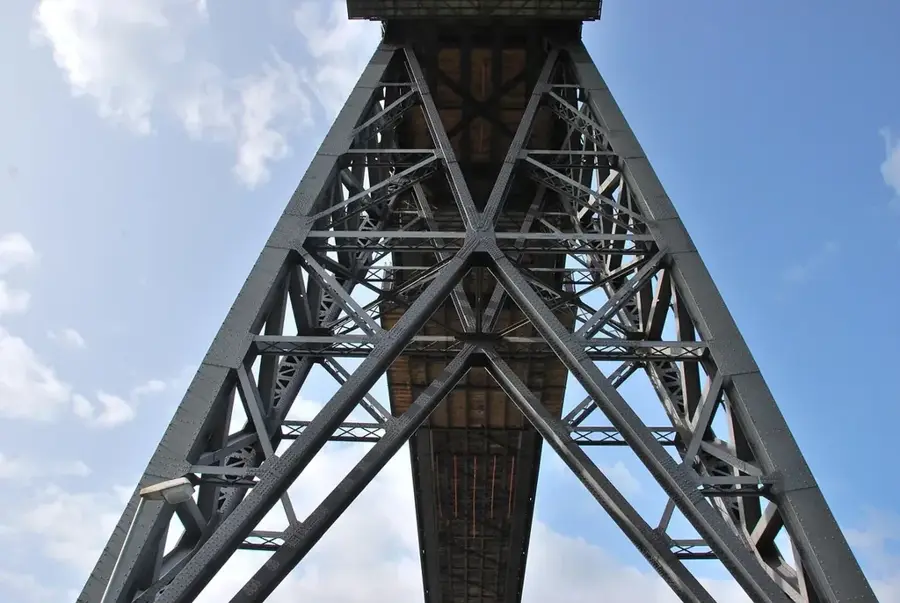
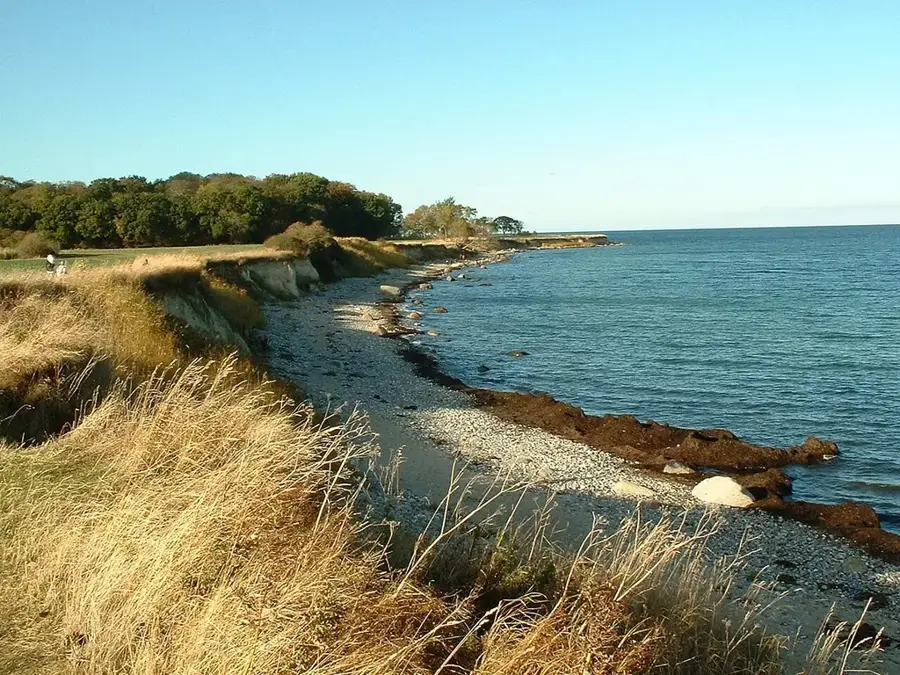
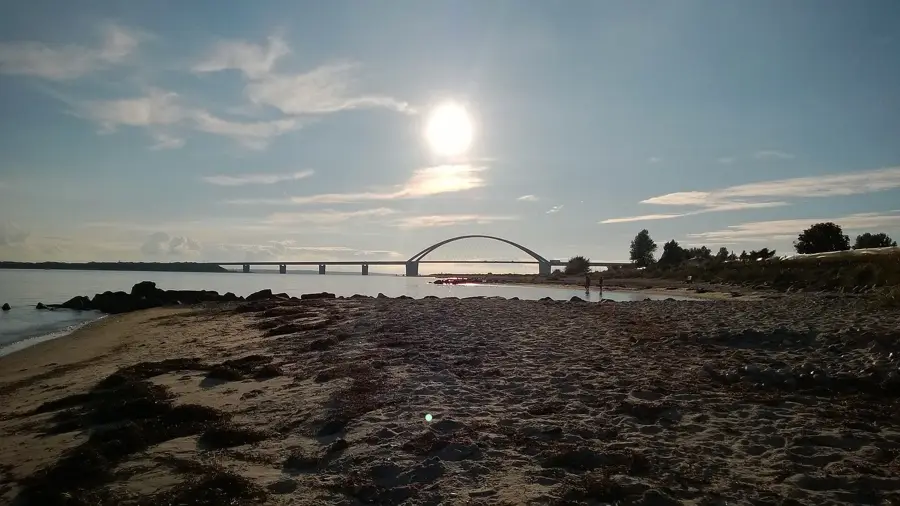
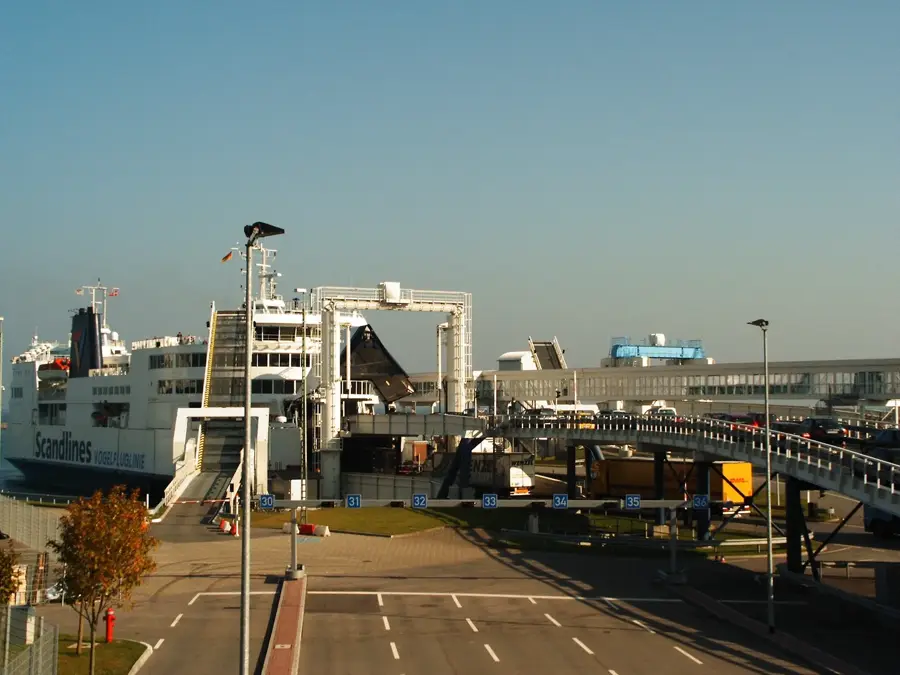
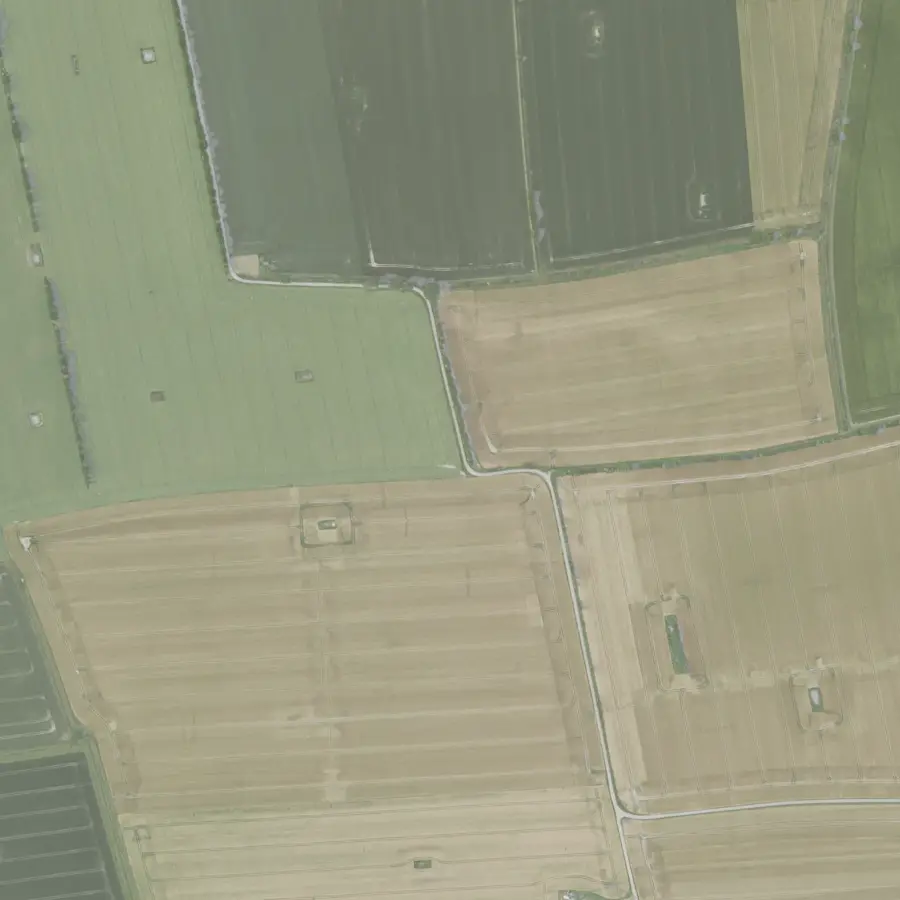
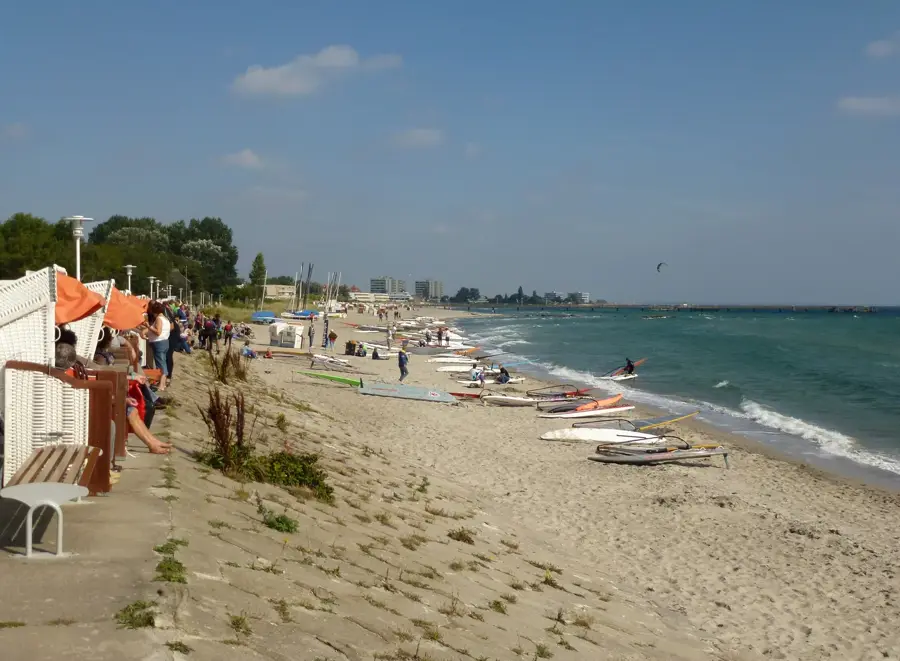
The island of Fehmarn is located in the northwestern part of the Baltic Sea and, with an area of approximately 185 square kilometers, is Germany's third-largest island. Part of the state of Schleswig-Holstein, it has been connected to the mainland since 1963 via the 963-meter-long Fehmarn Sound Bridge. The island's topography is largely flat, with the Hinrichsberg at 27 meters being its highest elevation. With a coastline of around 78 kilometers, Fehmarn has diverse landscapes ranging from sandy beaches in the south to rugged cliffs in the east. The island is considered one of the sunniest regions in Germany, recording over 2,100 hours of sunshine annually, making it a major hub for tourism and outdoor activities. Agriculturally, Fehmarn is defined by fertile soils where rapeseed and cereals are predominantly cultivated. A historical event of international significance was the Love and Peace Festival in September 1970, where Jimi Hendrix performed his final official concert before his death.
Explore on the map
Find cities, landscapes and regions in 10 varied challenges on the interactive map.
Your journey, your memory
Turn your own photo into a personal postcard with a local stamp. Free and no sign-up required.
Create a postcardThe most pleasant time to visit is Jun–Aug.
| Jan | Feb | Mar | Apr | May | Jun | Jul | Aug | Sep | Oct | Nov | Dec | |
|---|---|---|---|---|---|---|---|---|---|---|---|---|
| Avg °C | 2 | 2 | 3 | 7 | 12 | 16 | 18 | 18 | 15 | 11 | 7 | 3 |
| Rain mm | 59 | 48 | 43 | 35 | 48 | 62 | 72 | 76 | 56 | 61 | 59 | 63 |
Notable places around
Where do you start? We build the route here, with stops and country notes along the way.
© OpenStreetMap contributors · OpenRouteService
Town hall of the city of Fehmarn.
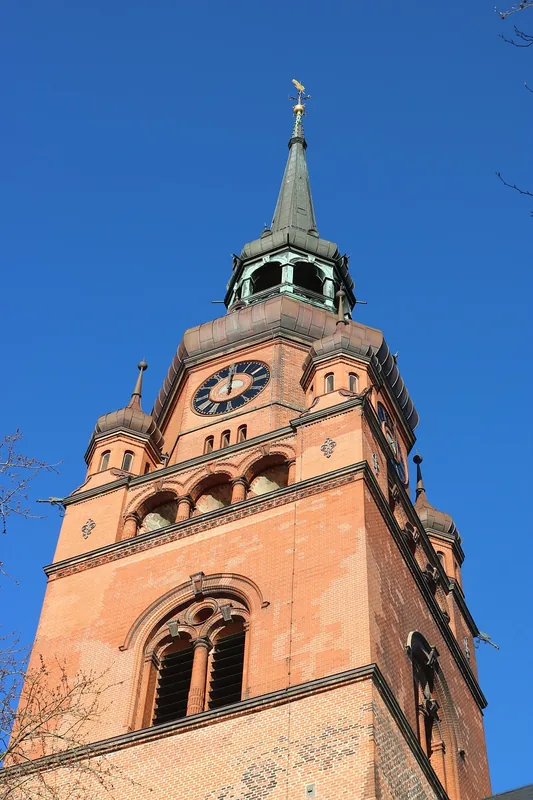
Church building in Fehmarn, Germany.
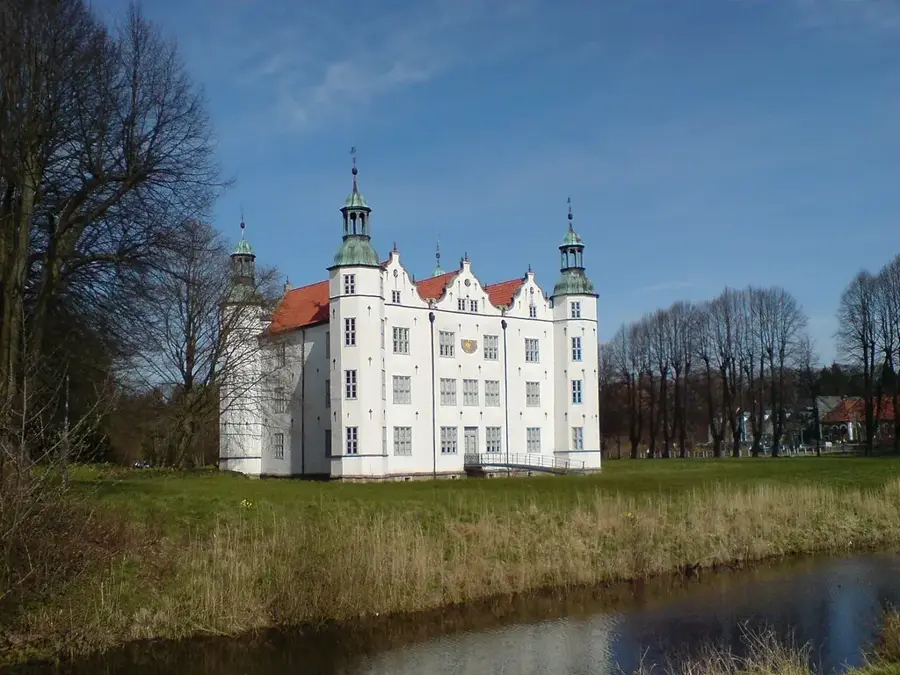
Attraction on the island of Fehmarn.
Public aquarium in Germany.
Zoo on the island of Fehmarn.
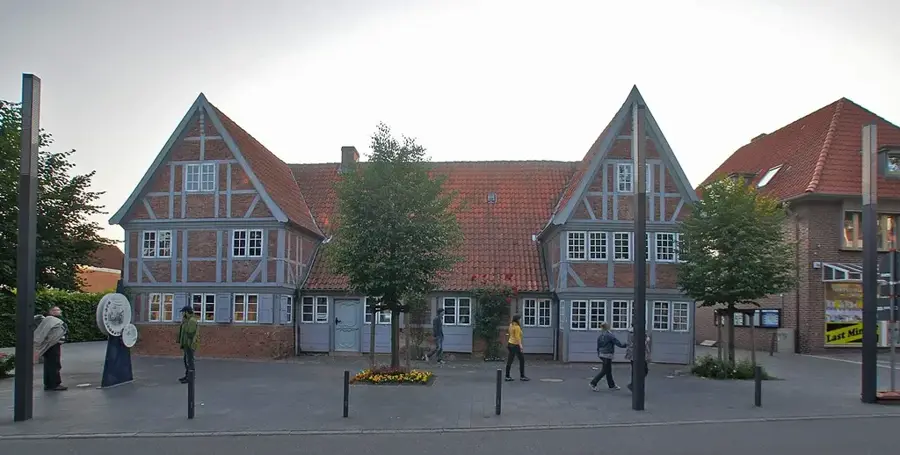
Museum in Fehmarn, Germany.
Theme park on the island of Fehmarn.