Plizio Visual Lab
Quedlinburg – Collegiate Church
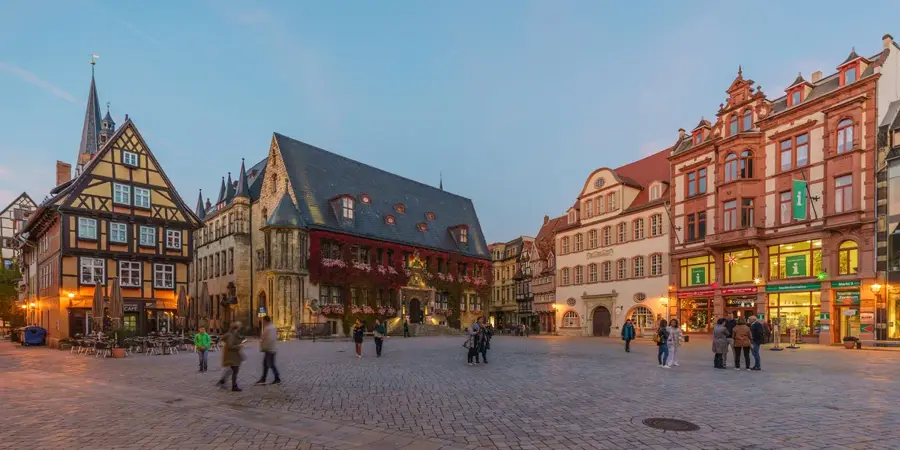
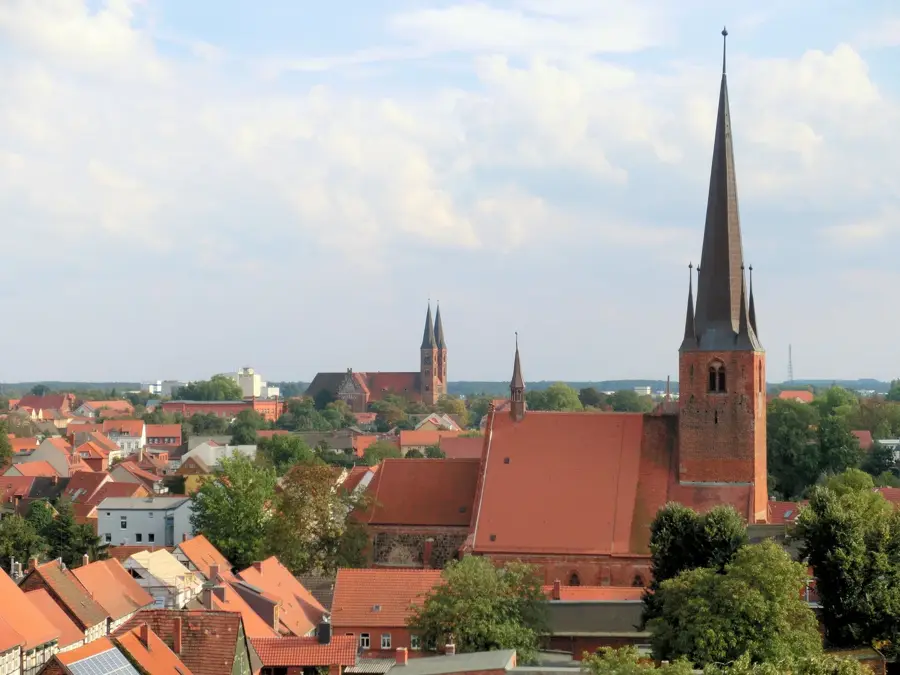
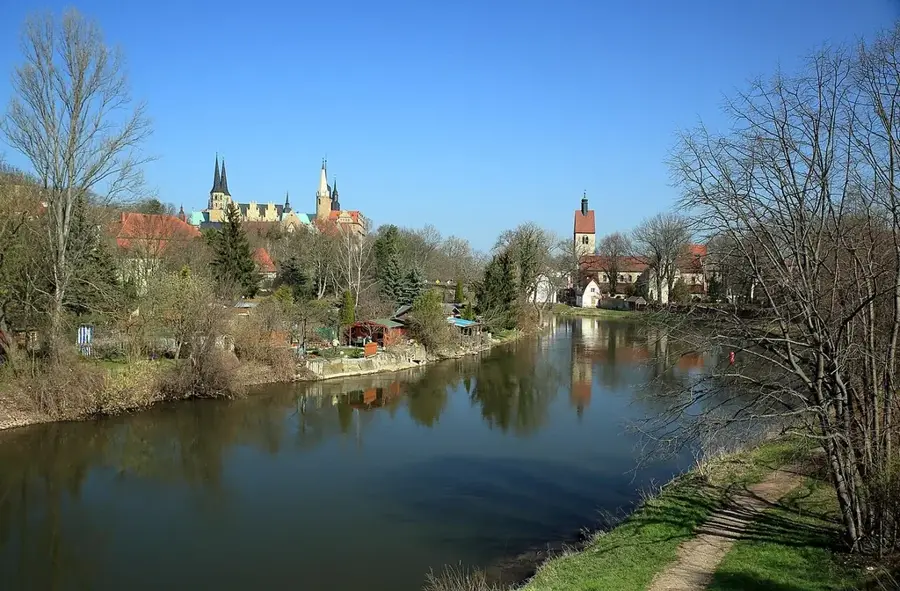
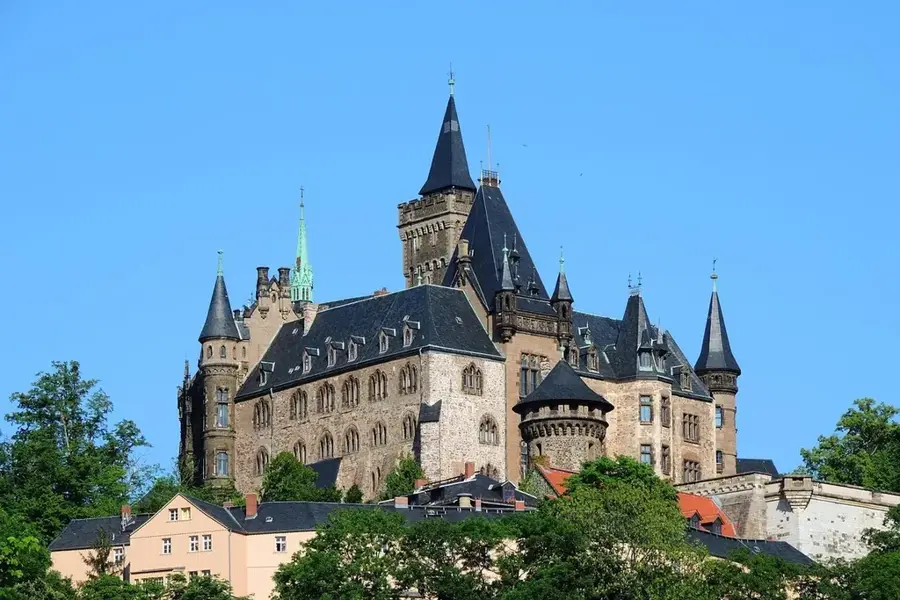
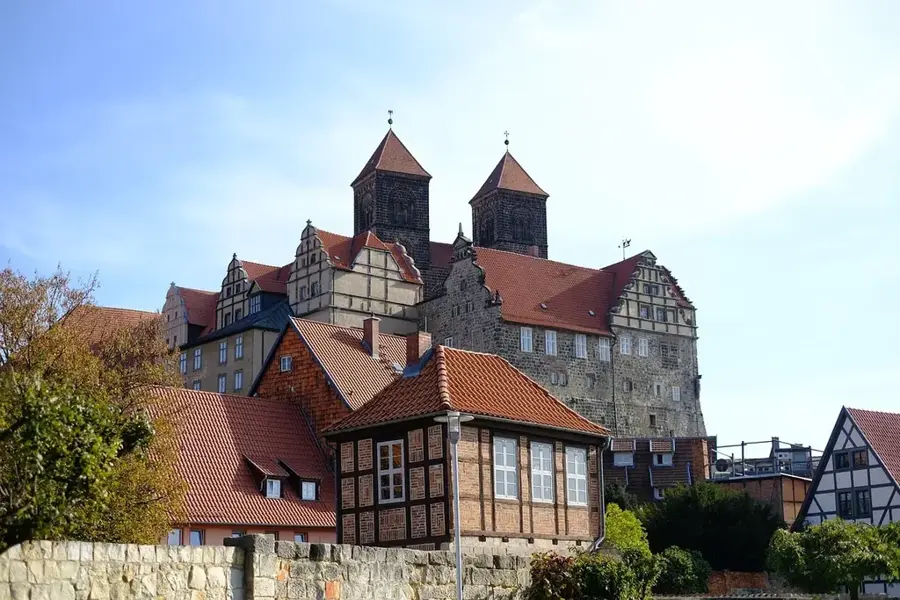
The Collegiate Church of St. Servatius on the Schlossberg in Quedlinburg is an outstanding example of Ottonian architecture and has been a UNESCO World Heritage site since 1994. The building was constructed in the 11th and 12th centuries on the foundations of older sacred buildings and served as the burial place for the first German king, Henry I, and his consort Mathilda. The church impresses with its clear Romanesque lines and the monumental double-tower facade visible from afar. Inside, the cathedral treasury houses valuable exhibits such as reliquaries, gospels, and the famous 12th-century knotted carpet. The crypt, with its murals and royal tombs, is considered one of the most historically significant sites of the German imperial era. Every year, thousands of visitors come to the city to see the ensemble of half-timbered houses and the fortified castle hill. The site bears witness to Quedlinburg's importance as a palatinate site for the Saxon emperors in the early Middle Ages.
Explore on the map
How well do you know Germany?
Find cities, landscapes and regions in 10 varied challenges on the interactive map.
Your journey, your memory
A postcard from Quedlinburg – Collegiate Church
Turn your own photo into a personal postcard with a local stamp. Free and no sign-up required.
Create a postcard- Location: Saxony-Anhalt, Germany
- Highlights: GutsMuths-Denkmal · Rathaus Quedlinburg · Quedlinburger Roland
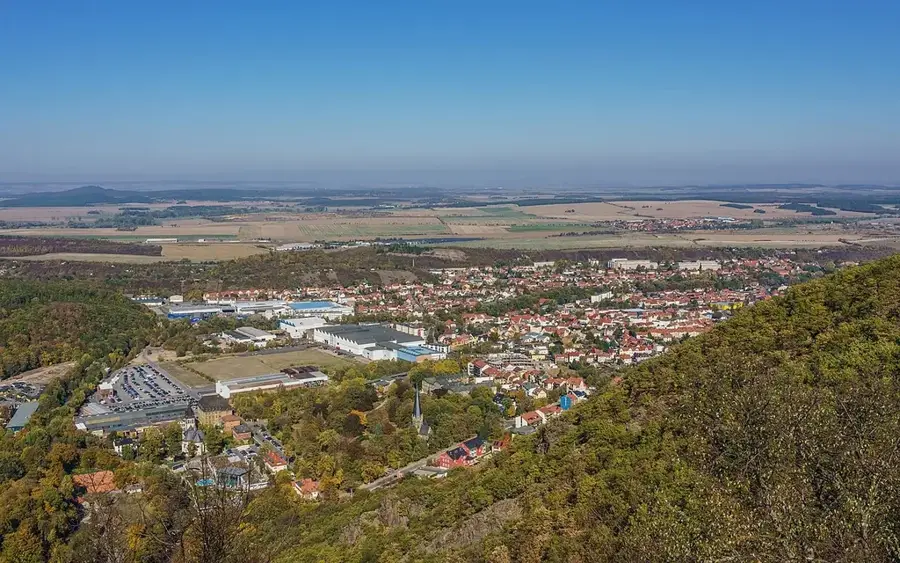
- Nearby: Thale (8 km)
Best time to visit & climate
The most pleasant time to visit is Jun–Aug.
| Jan | Feb | Mar | Apr | May | Jun | Jul | Aug | Sep | Oct | Nov | Dec | |
|---|---|---|---|---|---|---|---|---|---|---|---|---|
| Avg °C | 0 | 1 | 4 | 9 | 13 | 17 | 19 | 19 | 15 | 10 | 5 | 1 |
| Rain mm | 56 | 36 | 43 | 33 | 60 | 55 | 79 | 57 | 54 | 49 | 51 | 55 |
📋 Practical info
History & landmarks
middle-ages
919–936
Geography
Facts
- Burial of King Henry I in the year 936.
- UNESCO World Heritage status granted in 1994.
- The stolen Quedlinburg treasury returned from the USA in 1992.
- Construction of the current crypt began around 1070.
- The knotted carpet in the treasury measures approx. 5.60 by 7.40 meters.
- Quedlinburg was a secular imperial abbey for women for over 800 years.
Explore nearby
Notable places around
Route planner — Car & Motorhome
Where do you start? We build the route here, with stops and country notes along the way.
© OpenStreetMap contributors · OpenRouteService
Sights in the town Quedlinburg – Collegiate Church (10)
Marktkirche⛪ church
Gothic hall church on the market square, built in the 14th century, with two towers and interior.
Fachwerkmuseum im Ständerbau🏛 museum
Museum of timber-frame construction, housed in an original building from 1310.
Kulturkirche St. Blasii
Former church, now a venue for concerts and exhibitions in Quedlinburg's old town.
Quedlinburger Stadtschloss - Hagensches Freihaus
Baroque city palace built in 1700, now housing offices and cultural institutions.
Goetzesches Mausoleum
Neoclassical mausoleum in the cemetery, built in 1804 for the Goetze family.
Spiegelturm🗼 tower
Octagonal tower from the 19th century, part of the former observatory on the Brühl hill.
Eisenbahn und Spielzeugmuseum🏛 museum
Private museum with historic trains and toys from various eras.
Sights nearby
Frequently asked questions
How many half-timbered houses are there in Quedlinburg?
What is the most important landmark of the city?
Is one day enough for a visit?
Are there typical regional dishes?
Is the old town accessible?
Quedlinburg – Collegiate Church: where is it located?
Quedlinburg – Collegiate Church: what is there to see?
Quedlinburg – Collegiate Church: when is the best time to visit?

Nearby cities