Plizio Visual Lab
Nebra Sky Disc

The Nebra Sky Disc is one of the most significant archaeological discoveries of the 20th century and is recognized as the world's oldest concrete depiction of astronomical phenomena. This bronze disc with gold applications dates back to the Early Bronze Age (c. 1600 BC) and was discovered in 1999 by looters on the Mittelberg hill near Nebra. It features representations of the sun (or full moon), a crescent moon, and 32 stars, including the Pleiades, which were used to determine planting and harvesting times. The disc proves that people 3,600 years ago possessed surprisingly complex knowledge of astronomical cycles and calendar keeping. Today, the original artifact is exhibited at the State Museum of Prehistory in Halle (Saale) and is part of the UNESCO Memory of the World Register. Near the discovery site, the 'Arche Nebra' visitor center was established, providing multimedia insights into the discovery, Bronze Age astronomy, and the artifact's mysterious history.
Explore on the map
How well do you know Germany?
Find cities, landscapes and regions in 10 varied challenges on the interactive map.
Your journey, your memory
A postcard from Nebra Sky Disc
Turn your own photo into a personal postcard with a local stamp. Free and no sign-up required.
Create a postcard- Location: Saxony-Anhalt, Germany
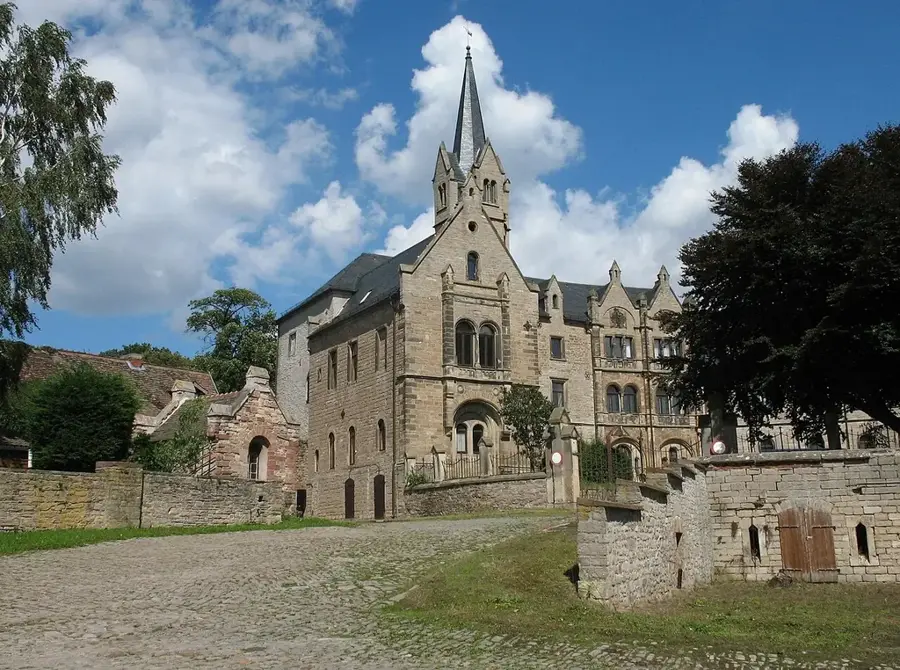
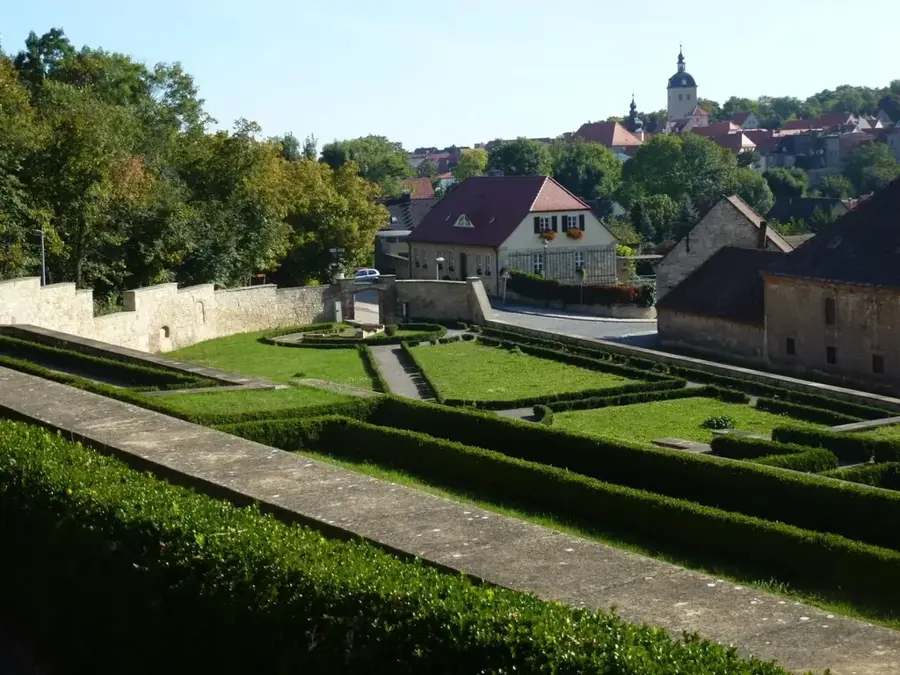
- Highlights: St. Nikolaus · Stachelroder Tal und Lohtal · Wildgehege Hermannseck
- Nearby: Querfurt (6 km)
Best time to visit & climate
The most pleasant time to visit is Jun–Aug.
| Jan | Feb | Mar | Apr | May | Jun | Jul | Aug | Sep | Oct | Nov | Dec | |
|---|---|---|---|---|---|---|---|---|---|---|---|---|
| Avg °C | -1 | 0 | 3 | 8 | 13 | 17 | 19 | 19 | 14 | 9 | 4 | 0 |
| Rain mm | 47 | 33 | 42 | 35 | 65 | 56 | 76 | 60 | 54 | 47 | 50 | 50 |
📋 Practical info
Geography
Facts
- The Sky Disc has a diameter of approximately 32 centimeters and weighs about 2 kilograms.
- It was buried as part of a hoard including two bronze swords, hatchets, and bracelets.
- The Pleiades cluster on the disc helped synchronize the lunar and solar calendars.
- Scientific analysis shows that the gold used for the icons originated from Cornwall, England.
- The disc was modified several times over its lifespan before being buried around 1600 BC.
- The artifact is listed in the UNESCO Memory of the World Register since 2013.
Explore nearby
Notable places around

Route planner — Car & Motorhome
Where do you start? We build the route here, with stops and country notes along the way.
© OpenStreetMap contributors · OpenRouteService
Sights in the town Nebra Sky Disc (4)
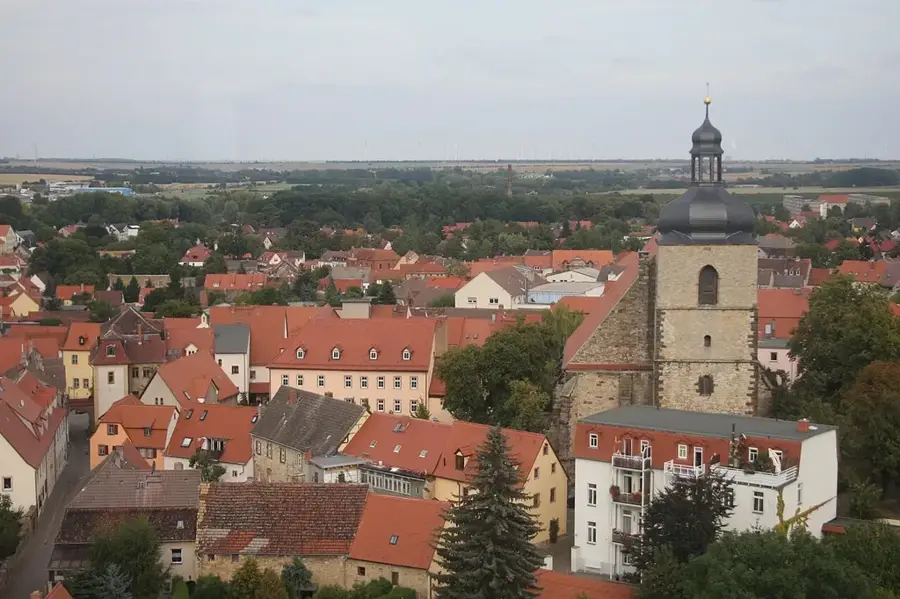
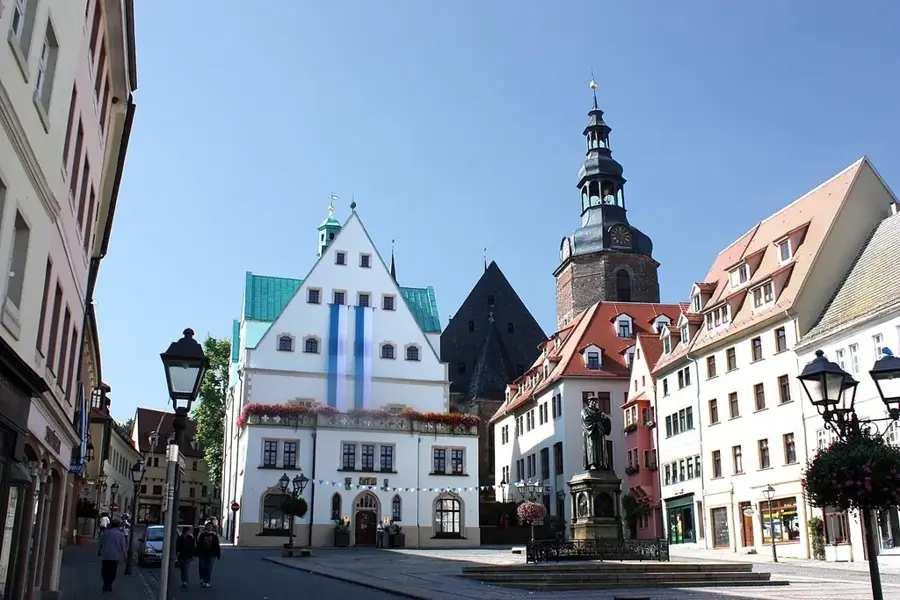
St. Nikolai
Church in Nebra, named after Saint Nicholas.
Sights nearby
Frequently asked questions
What is the Nebra Sky Disc?
Where can the original disc be seen?
What does the 'Arche Nebra' visitor center offer?
Can the find site be visited?
When was the disc found?
Nebra Sky Disc: where is it located?
Nebra Sky Disc: what is there to see?
Nebra Sky Disc: when is the best time to visit?
Nebra Sky Disc: why is it worth visiting?

Nearby cities