Plizio Visual Lab
North German Plain
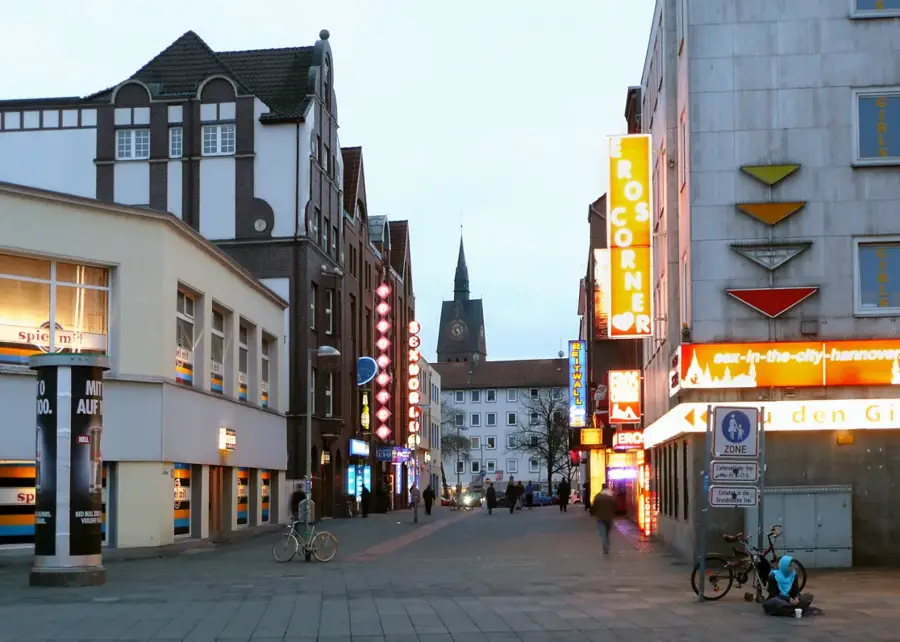
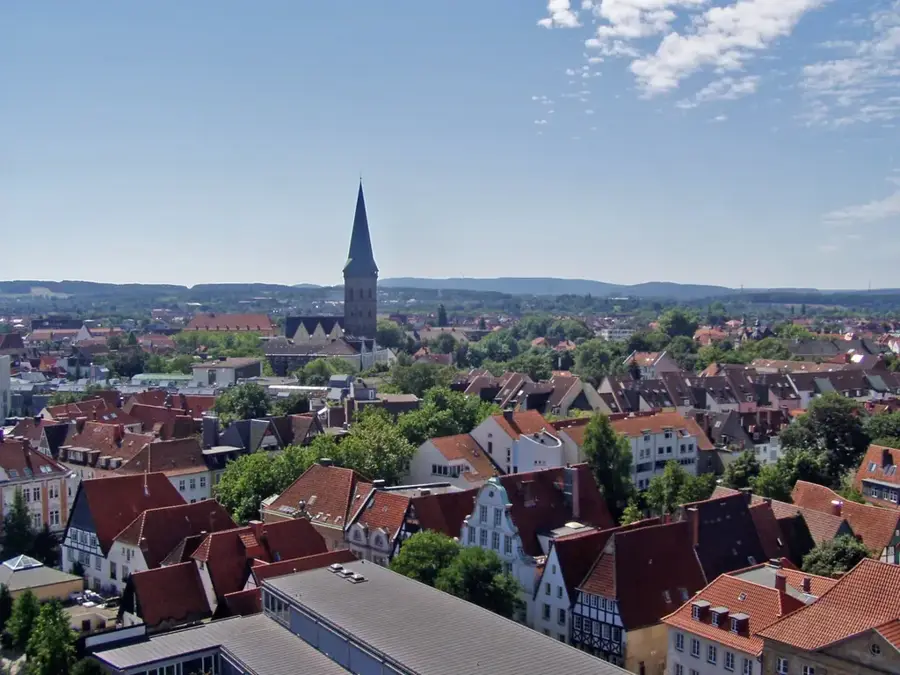
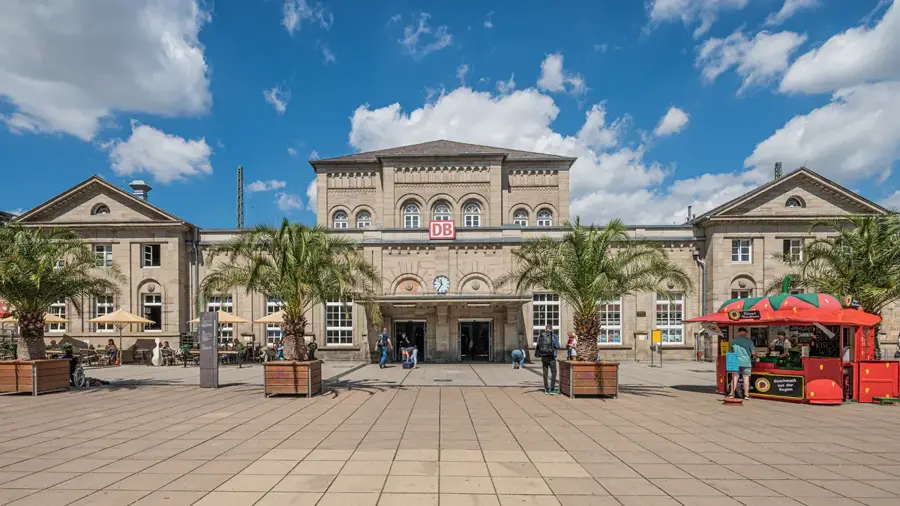
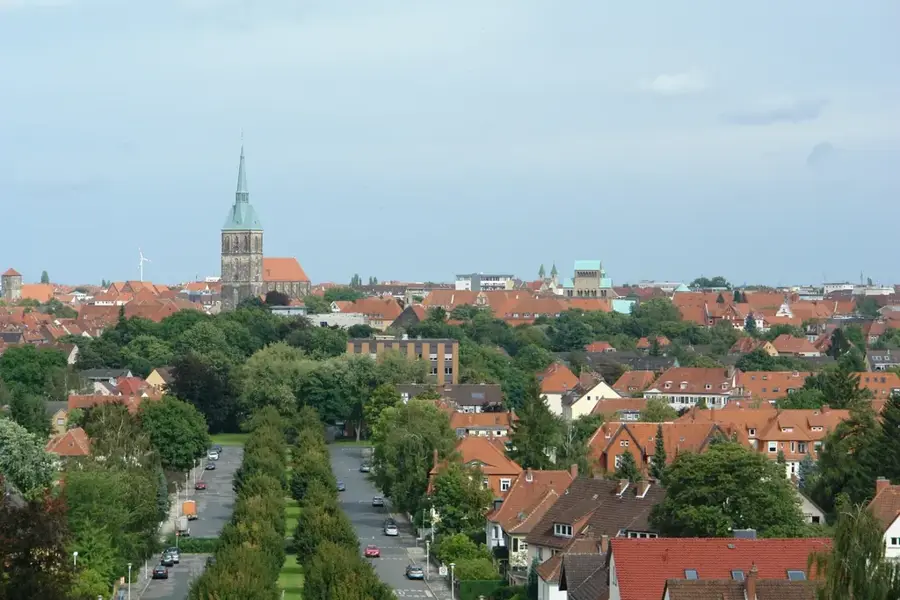
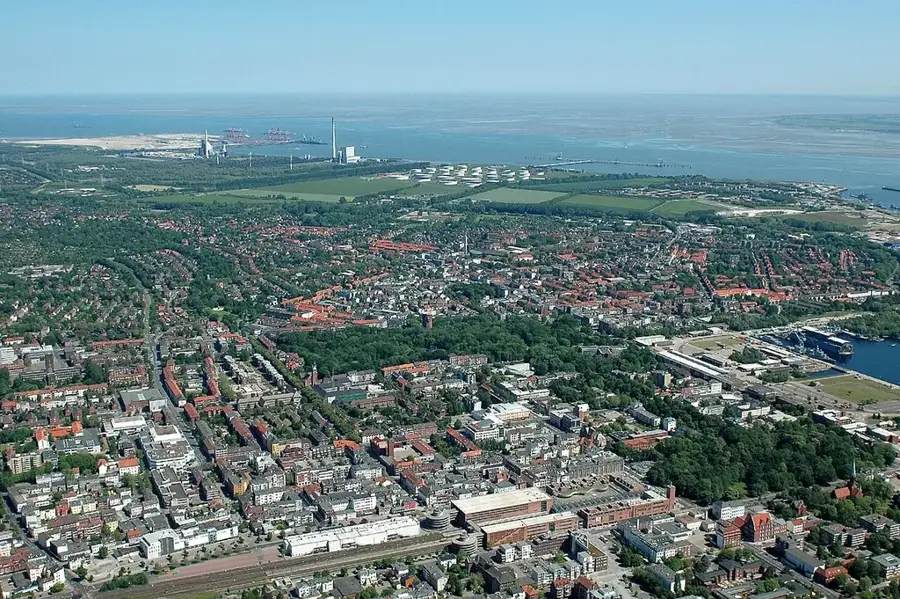
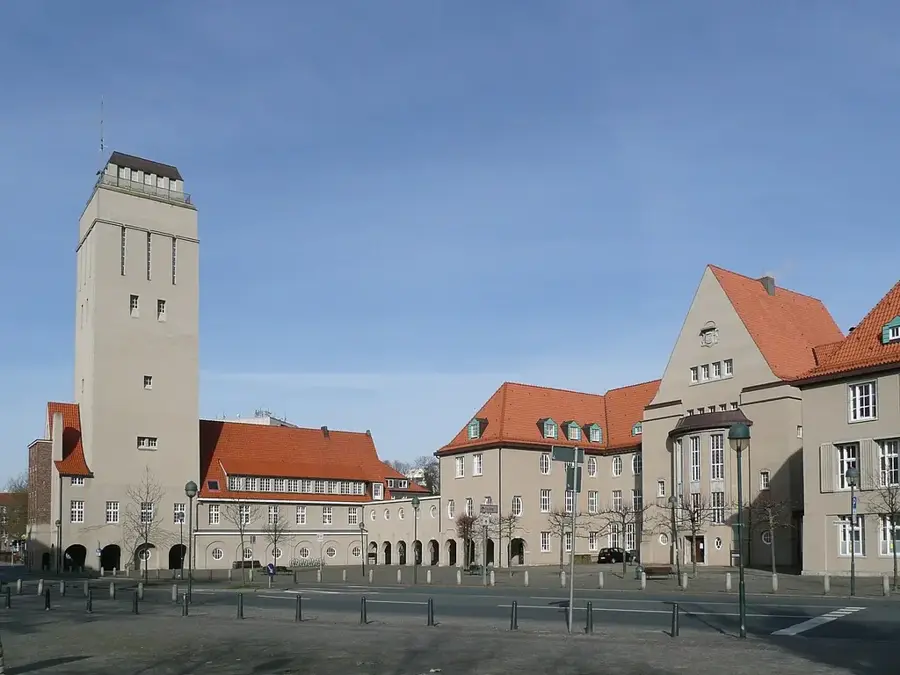
The North German Plain is the largest continuous natural region in Germany and an integral part of the North European Plain. It extends from the North Sea and Baltic coasts to the Central Uplands in the south and is characterized by a flat to gently rolling topography below 200 metres in elevation. The landscape was significantly shaped by the Saale and Weichsel glaciations, which led to the deposition of massive moraines, glacial meltwater valleys, and outwash plains. Characteristic landforms include the fertile marshlands along the coasts, the sandy 'Geest' landscapes, and extensive peat bogs. Economically, the region is marked by intensive agriculture, as well as modern wind turbines and major metropolitan areas like Berlin, Hamburg, and Bremen. The region also serves as the most important transit corridor for traffic between Western and Eastern Europe.
Explore on the map
How well do you know Germany?
Find cities, landscapes and regions in 10 varied challenges on the interactive map.
Your journey, your memory
A postcard from North German Plain
Turn your own photo into a personal postcard with a local stamp. Free and no sign-up required.
Create a postcard- Location: Lower Saxony, Germany
- Highlights: Bockwindmühle · Elisabethkirche · Wietzepark
- Nearby: Burgwedel (10 km)
Best time to visit & climate
The most pleasant time to visit is Jun–Aug.
| Jan | Feb | Mar | Apr | May | Jun | Jul | Aug | Sep | Oct | Nov | Dec | |
|---|---|---|---|---|---|---|---|---|---|---|---|---|
| Avg °C | 1 | 1 | 4 | 9 | 13 | 17 | 19 | 18 | 15 | 10 | 5 | 2 |
| Rain mm | 69 | 50 | 50 | 38 | 60 | 62 | 78 | 69 | 55 | 59 | 62 | 68 |
📋 Practical info
Geography
Facts
- The plain occupies approximately half of Germany's total land area.
- Germany's lowest point is near Neuendorf-Sachsenbande, at 3.54 metres below sea level.
- The Lüneburg Heath is a remnant of the original forest and heath landscape.
- The plain contains the largest continuous peat bog areas in Central Europe.
- Soil fertility varies greatly between fertile loess soils and sandy areas.
- Geologically, the region formed only within the last 2 million years during the Quaternary.
Explore nearby
Notable places around
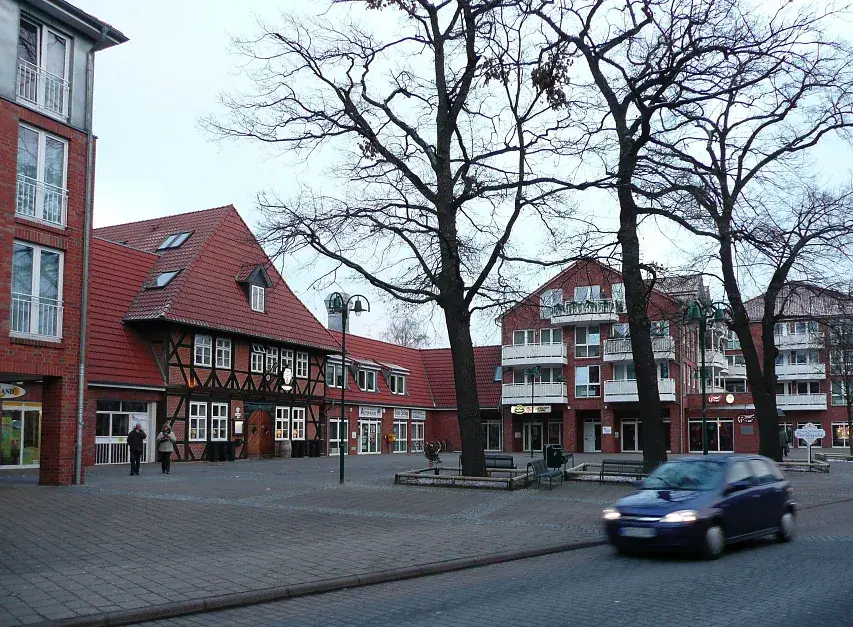
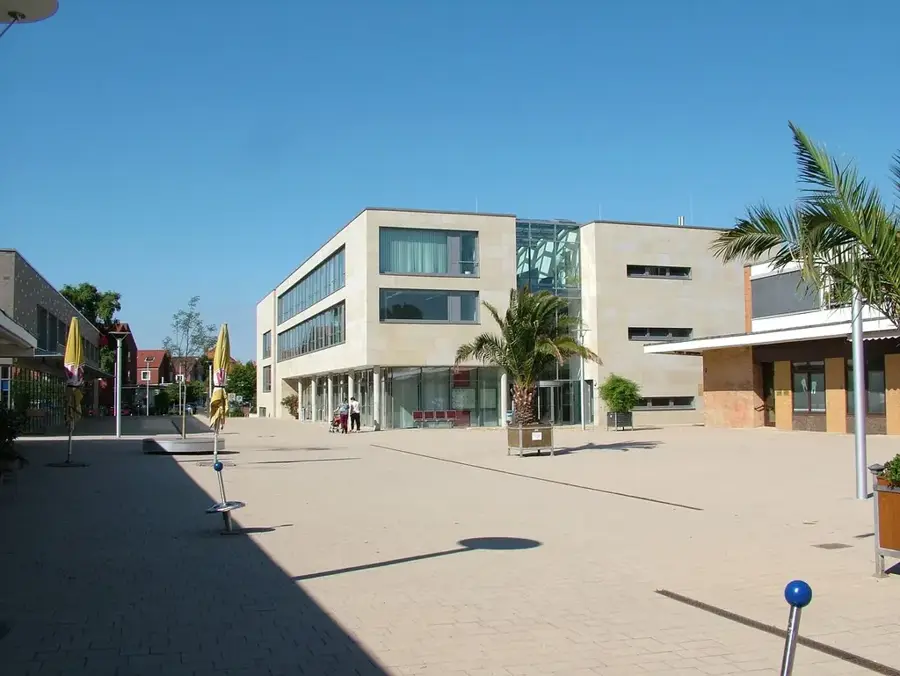
Route planner — Car & Motorhome
Where do you start? We build the route here, with stops and country notes along the way.
© OpenStreetMap contributors · OpenRouteService
Sights in the town North German Plain (3)
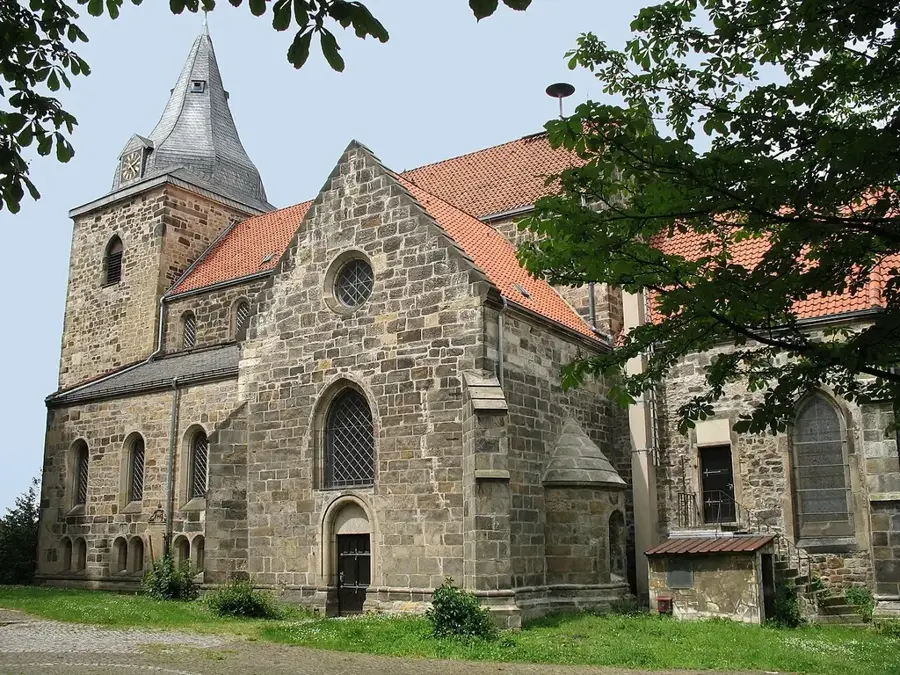
Elisabethkirche
Building from 1867 in Langenhagen, Protestant church.
Sights nearby
Frequently asked questions
What characterizes the North German Plain?
What activities are popular there?
Are there any hills?
What is the climate like?
What kind of agriculture dominates here?
North German Plain: where is it located?
North German Plain: what is there to see?
North German Plain: when is the best time to visit?
North German Plain: why is it worth visiting?
Nearby cities