Plizio Visual Lab
Kellerwald-Edersee National Park
Weather…
Water temperature…
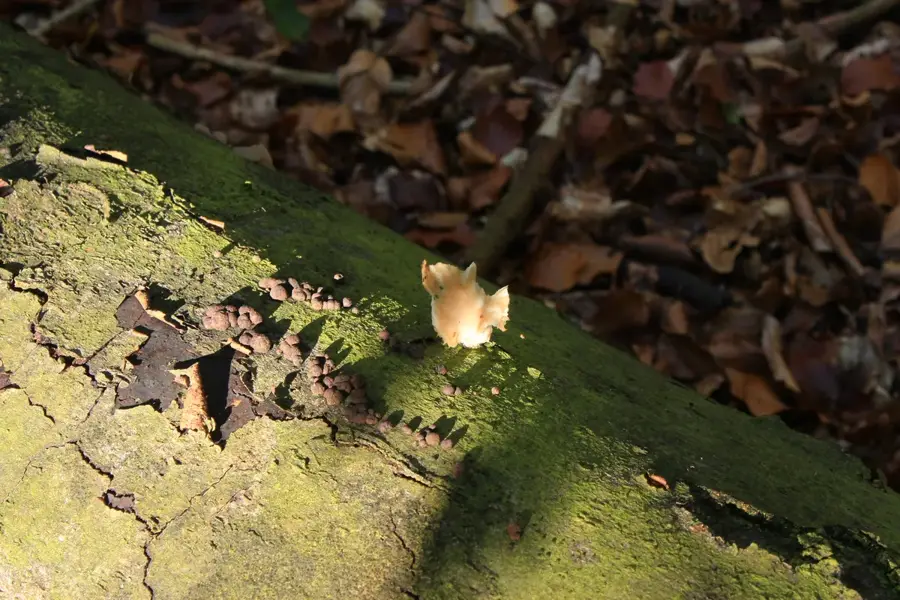
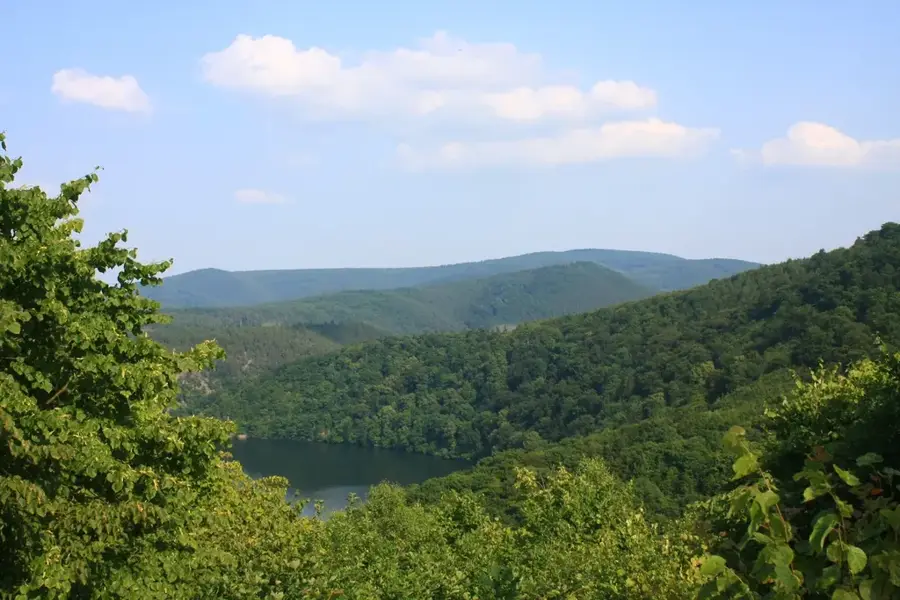
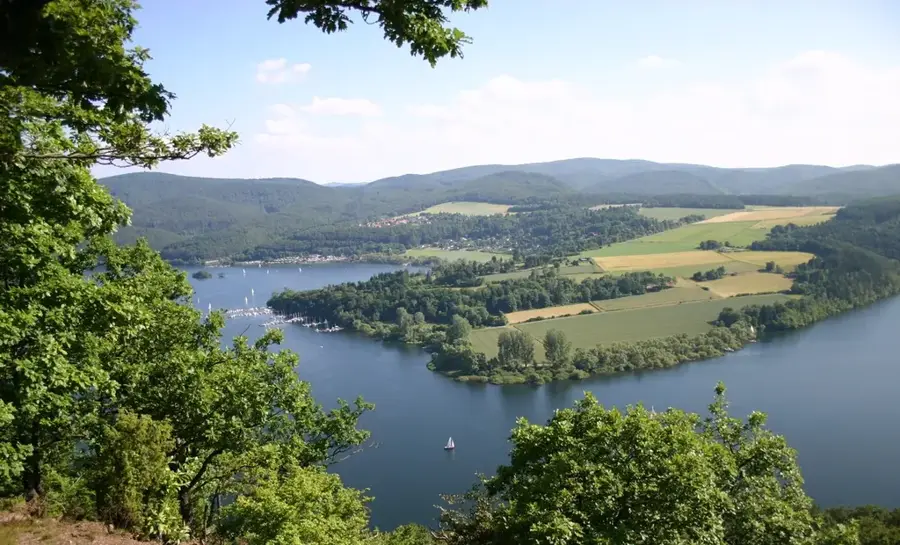
The Kellerwald-Edersee National Park in northern Hesse was established in 2004 to preserve one of Central Europe's largest continuous beech forest areas. Since 2011, significant portions of the park have been part of the UNESCO World Natural Heritage site 'Ancient and Primeval Beech Forests of the Carpathians and Other Regions of Europe.' The area of approximately 57 square kilometers surrounds the southern part of Lake Edersee, which is one of the largest reservoirs in Germany. The landscape is characterized by more than 50 hills, steep slopes, and deep valleys where primeval forest remnants can develop without human interference. This environment provides a protected habitat for rare species such as the wildcat, the black stork, and various species of bats. In addition to its ecological functions, the park plays a central role in sustainable tourism within the Waldeck-Frankenberg region. The combination of historical forest use, prominent slate cliffs, and the proximity to the waters of Lake Edersee makes the park an ecologically precious refuge.
Explore on the map
How well do you know Germany?
Find cities, landscapes and regions in 10 varied challenges on the interactive map.
Your journey, your memory
A postcard from Kellerwald-Edersee National Park
Turn your own photo into a personal postcard with a local stamp. Free and no sign-up required.
Create a postcard- Location: Hesse, Germany
- Highlights: Wolfsgrube · Blei-Berg · Locheiche
- Nearby: Waldeck (10 km)
Best time to visit & climate
The most pleasant time to visit is Jun–Aug.
| Jan | Feb | Mar | Apr | May | Jun | Jul | Aug | Sep | Oct | Nov | Dec | |
|---|---|---|---|---|---|---|---|---|---|---|---|---|
| Avg °C | -1 | 0 | 3 | 8 | 12 | 16 | 18 | 18 | 13 | 9 | 4 | 0 |
| Rain mm | 69 | 52 | 54 | 47 | 74 | 70 | 82 | 74 | 60 | 59 | 66 | 72 |
📋 Practical info
Geography
Facts
- Established in 2004 as the only national park in the state of Hesse.
- Covers an area of approx. 5,700 hectares without major settlements.
- UNESCO World Natural Heritage site since 2011 (beech forest series).
- Home to over 500 springs and numerous pure-water streams.
- Presence of over 1,000 different beetle species has been documented.
- Borders Lake Edersee, the third-largest reservoir in Germany.
Explore nearby
Notable places around
Route planner — Car & Motorhome
Where do you start? We build the route here, with stops and country notes along the way.
© OpenStreetMap contributors · OpenRouteService
Sights in the town Kellerwald-Edersee National Park (4)
Sights nearby
Frequently asked questions
Is the Kellerwald-Edersee National Park a World Heritage site?
Can you swim in Lake Edersee?
What is the treetop walk at Edersee?
Is there a wildlife park in the Kellerwald National Park?
What major hiking trails are there in the Kellerwald?
Kellerwald-Edersee National Park: where is it located?
Kellerwald-Edersee National Park: what is there to see?
Kellerwald-Edersee National Park: when is the best time to visit?
Kellerwald-Edersee National Park: why is it worth visiting?
Nearby cities