Bad Homburg Lantern Festival
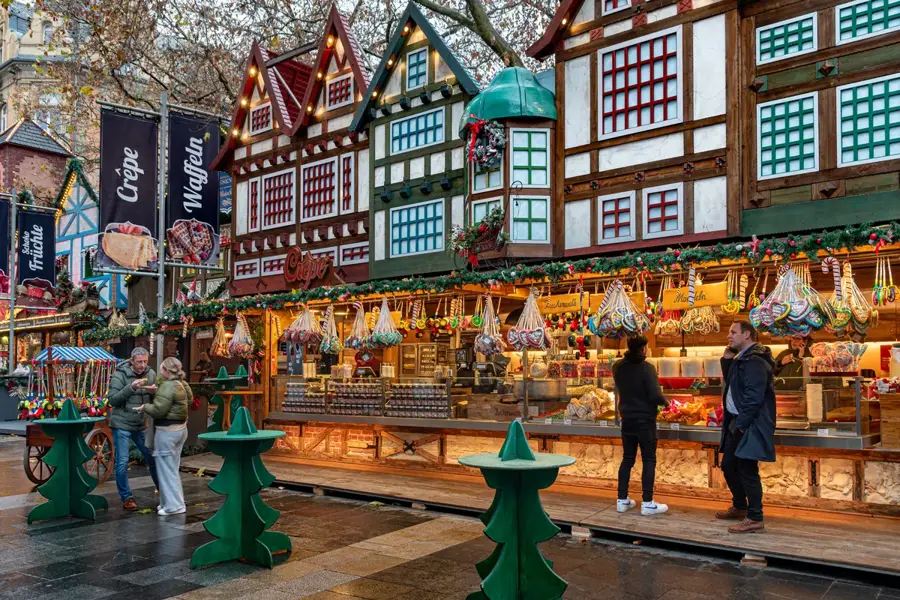
In late August the spa town celebrates the largest and most traditional folk festival in the Taunus with music on several stages and a closing flame show. Since 1935 it draws around 400,000 visitors yearly.
Plizio Visual Lab
Find a traditional cider tavern in the Altstadt (Old Town) to enjoy the local Hessian apple wine.
Visit one of the classic cafés near the Kurhaus for a midday slice of cake and coffee.
Try rustic regional restaurants along the side streets of Louisenstraße for classic meat dishes.
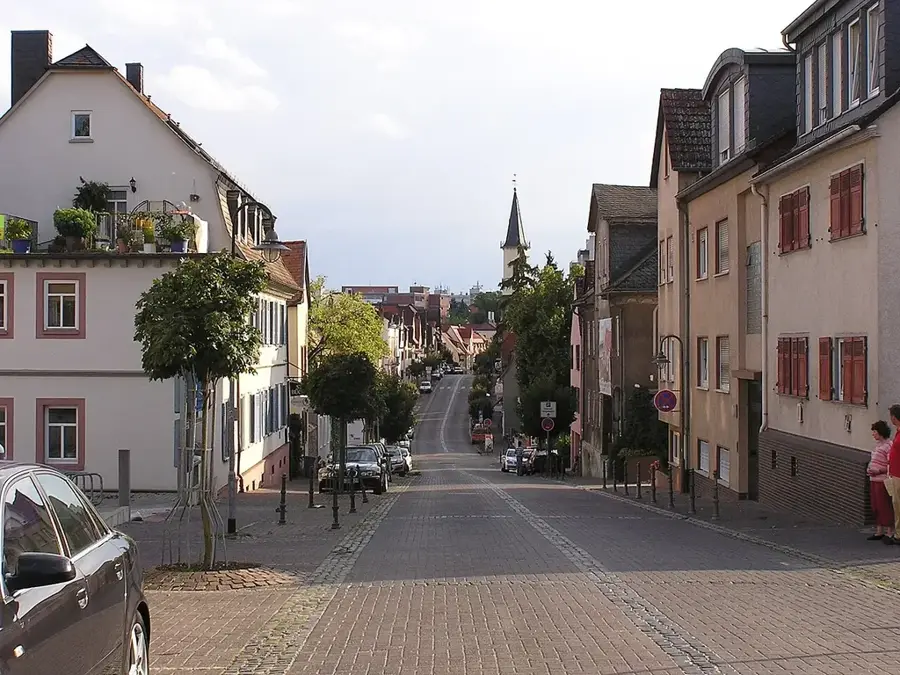
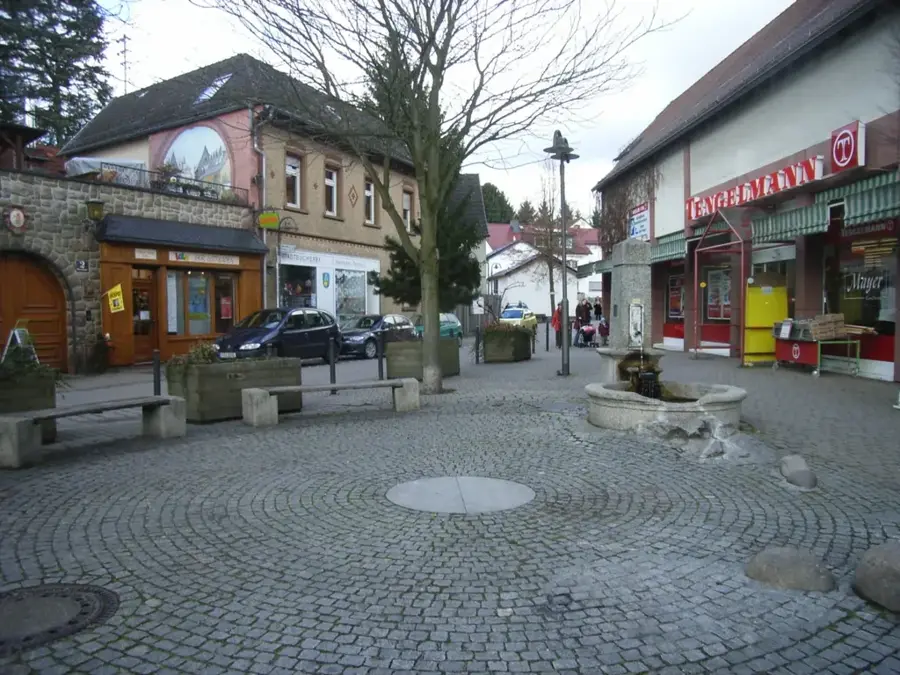
The main pedestrian shopping artery offering a great mix of high-end boutiques and familiar chain stores.
Check the squares near the Kurhaus on market days for fresh regional produce and beautiful flowers.
A massive historical spa park featuring monumental old trees, ponds, and quiet winding paths.
Stroll around the Landgrave's Castle park for a tranquil historical atmosphere away from the shopping streets.
Water temperature…
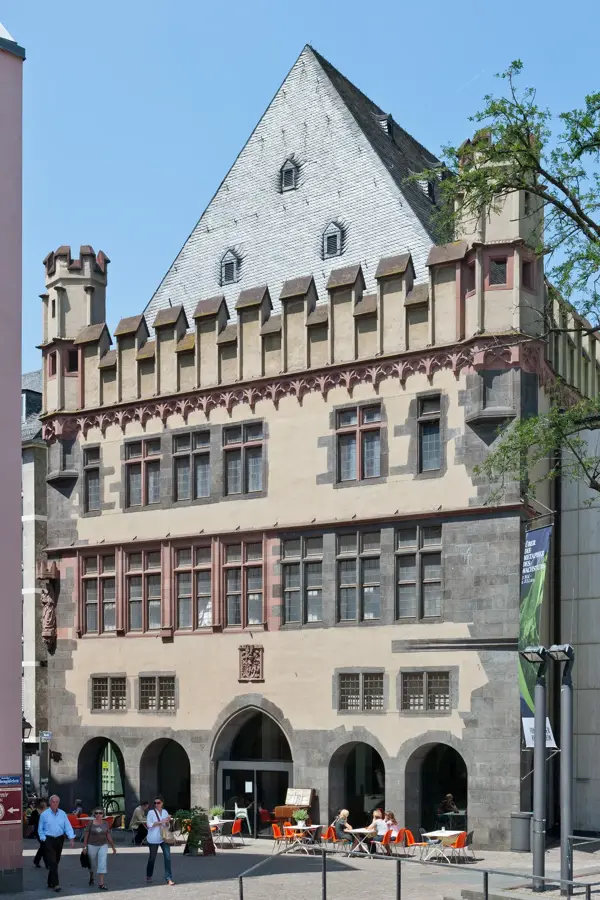
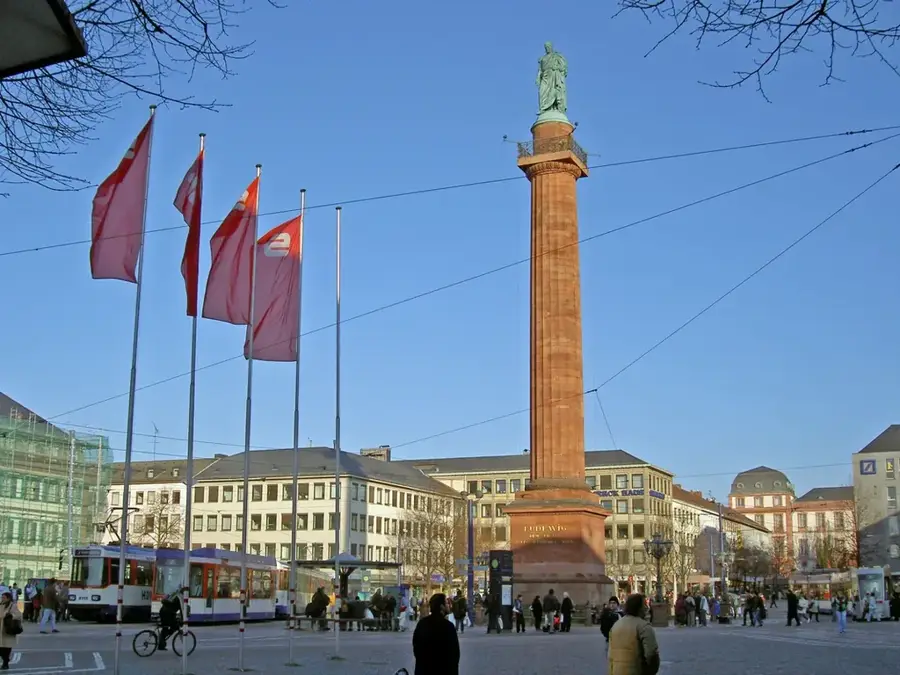
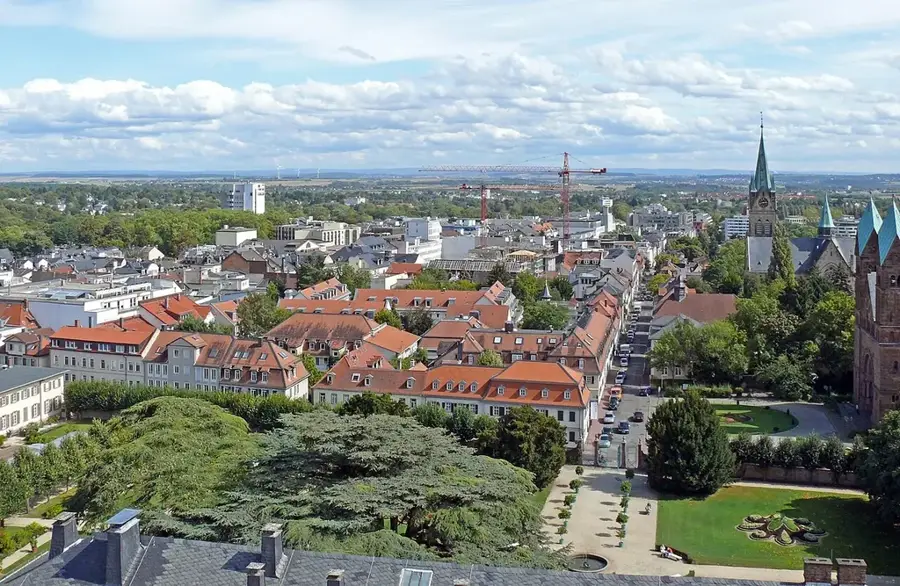
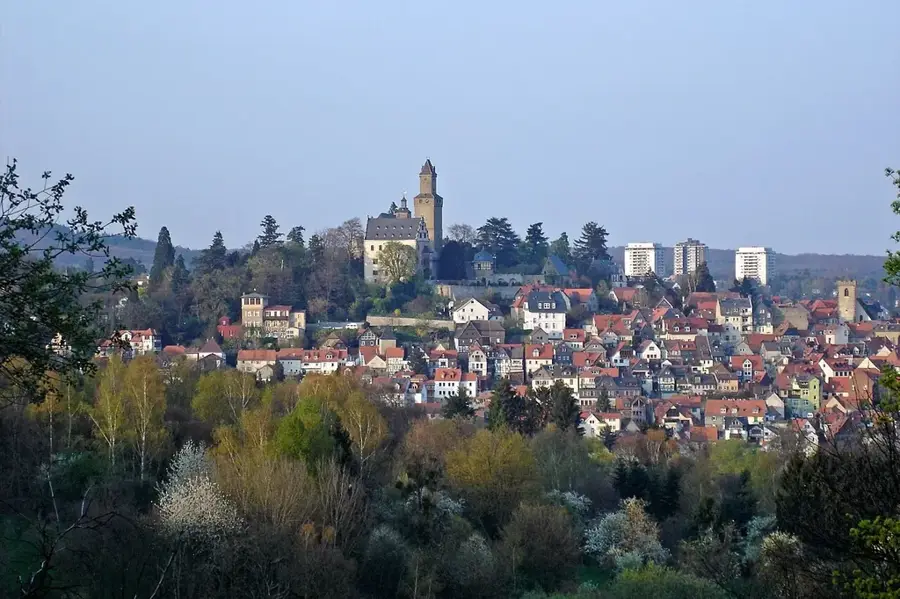
Bad Homburg is an exceptionally elegant spa town situated at the edge of the Taunus mountains, celebrated for its aristocratic flair and history as a summer retreat for European nobility and German emperors. The town's majestic past is anchored by the imposing Landgrave Castle, characterized by its prominent White Tower. The palace interiors preserve the opulent living quarters of the 18th and 19th centuries, while its cedar-planted terraces offer sweeping views over the surrounding landscape. The castle grounds transition seamlessly into the sprawling Kurpark, a masterclass in English landscape design by the renowned architect Peter Joseph Lenné. This expansive green space features several highly regarded mineral springs alongside surprising architectural gems, including a gold-leafed Thai sala and an ornate Russian Orthodox chapel. Bad Homburg also holds a significant place in the history of European gaming; its glamorous casino, opened in 1841, once drew luminaries like Fyodor Dostoevsky. Today, the bustling Louisenstraße has visitors a sophisticated mix of upscale boutiques, traditional German coffee houses, and fine dining establishments.
Explore on the map
Find cities, landscapes and regions in 10 varied challenges on the interactive map.
Your journey, your memory
Turn your own photo into a personal postcard with a local stamp. Free and no sign-up required.
Create a postcardThe most pleasant time to visit is Jun–Aug.
| Jan | Feb | Mar | Apr | May | Jun | Jul | Aug | Sep | Oct | Nov | Dec | |
|---|---|---|---|---|---|---|---|---|---|---|---|---|
| Avg °C | 0 | 1 | 5 | 10 | 14 | 19 | 21 | 20 | 16 | 10 | 5 | 1 |
| Rain mm | 57 | 46 | 47 | 41 | 71 | 59 | 66 | 65 | 46 | 54 | 56 | 64 |
See what it looks like near Bad Homburg right now.
Kalbach-Riedberg › South · 4.9 km · Open webcam on Windy · Webcams provided by Windy.com
Notable places around
Where do you start? We build the route here, with stops and country notes along the way.
© OpenStreetMap contributors · OpenRouteService
The day starts in the extensive Spa Park, where you can taste healing water at the historic springs. Then, admire the magnificent Kaiser-Wilhelms-Bad and the historic casino. At noon, explore the palace grounds with the striking White Tower. A cultural highlight is the Church of the Redeemer with its magnificent mosaics, followed by contemporary art at Sinclair House.
This bike tour combines the elegance of the spa town with the rugged history of the Taunus. After the Spa Park, you cycle steadily uphill to the UNESCO World Heritage Saalburg, a Roman fort. Back in town, enjoy the baroque splendor of the palace and the impressive mosaics of the Church of the Redeemer before ending the day in relaxation.
By car, you can effortlessly access the highlights of Bad Homburg and the surrounding area. First, visit the Roman fort Saalburg in the Taunus hills. Then park near the center for two walking clusters: first the extensive Spa Park with its healing springs and historic bath, then the area around the Palace with the impressive Church of the Redeemer.