Plizio Visual Lab
Colonial Sundial

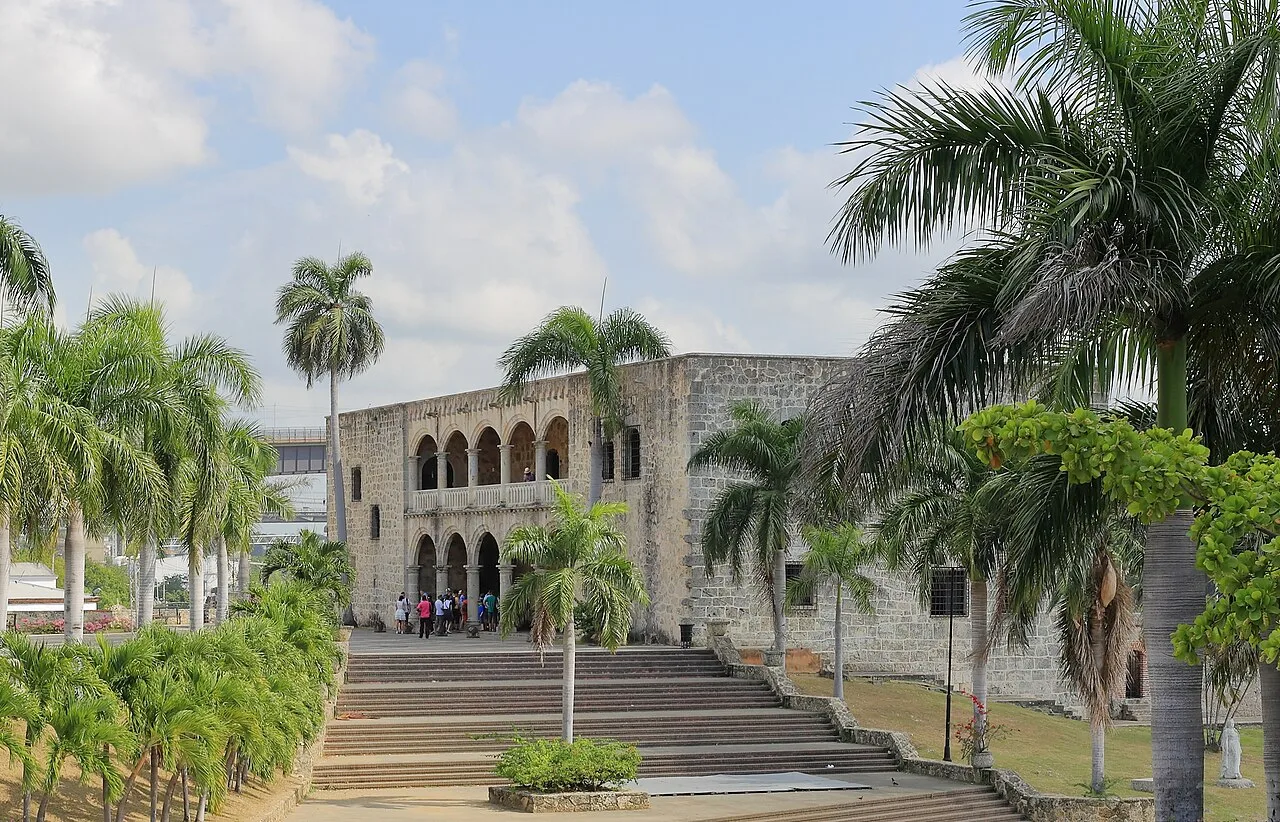
The Colonial Sundial of Santo Domingo, erected in 1753, is one of the most intriguing scientific and historical monuments in the Caribbean. Built during the administration of Governor Francisco de Rubio y Peñaranda, it is situated at the northern end of Calle Las Damas. The sundial's placement was strategic, positioned directly in front of the Palace of the Royal Audience (now the Museum of the Royal Houses) so that high-ranking officials could read the time from their office windows. The monument consists of a massive stone pedestal with two distinct faces: one designed to track the morning sun on the eastern side and another for the afternoon sun on the western side. This dual-dial design ensured accurate timekeeping throughout the day, accounting for the sun's trajectory in the tropical latitudes. For decades, it functioned as the city's official chronometer, essential for coordinating government affairs and religious services. Today, it stands as a testament to 18th-century engineering and is a key highlight of the Colonial Zone's architectural heritage.
Explore on the map
How well do you know Dominican Republic?
Find cities, landscapes and regions in 10 varied challenges on the interactive map.
Your journey, your memory
A postcard from Colonial Sundial
Turn your own photo into a personal postcard with a local stamp. Free and no sign-up required.
Create a postcard- Location: Dominican Republic
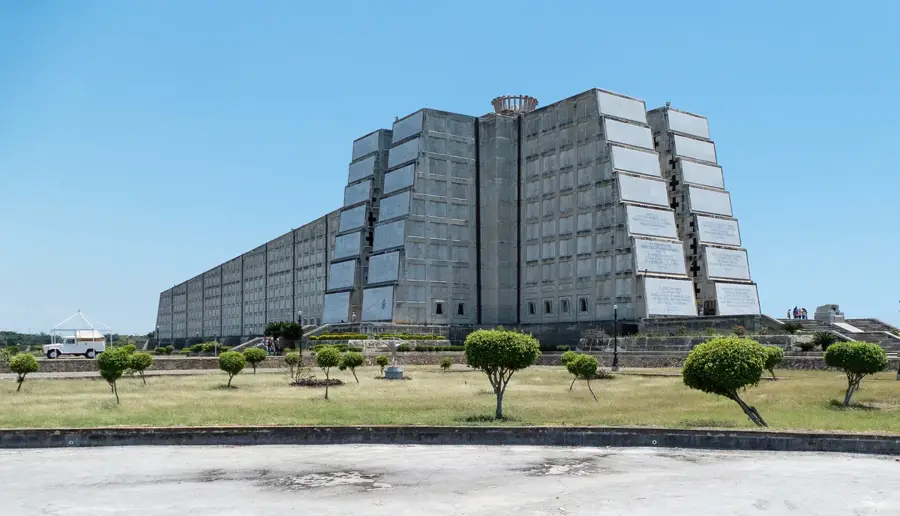
- Highlights: National Pantheon of the Dominican Republic · Parque Colón · Roman Catholic Archdiocese of Santo Domingo
- Nearby: Santo Domingo Este (5 km)
Best time to visit & climate
The most pleasant time to visit is Jan–Mar.
| Jan | Feb | Mar | Apr | May | Jun | Jul | Aug | Sep | Oct | Nov | Dec | |
|---|---|---|---|---|---|---|---|---|---|---|---|---|
| Avg °C | 25 | 25 | 25 | 26 | 27 | 27 | 28 | 28 | 28 | 27 | 26 | 25 |
| Rain mm | 24 | 21 | 22 | 40 | 68 | 48 | 55 | 68 | 60 | 64 | 68 | 42 |
📋 Practical info
Geography
Facts
- Erected in 1753 during the governorship of Francisco de Rubio
- Features two dials for morning and afternoon time tracking
- Positioned directly in front of the Museum of the Royal Houses
- Functioned as the official timekeeper for the colonial city
- Located at the northern terminus of Calle Las Damas
- Constructed from solid coralline limestone
Explore nearby
Notable places around



Route planner — Car & Motorhome
Where do you start? We build the route here, with stops and country notes along the way.
© OpenStreetMap contributors · OpenRouteService
Sights in the town Colonial Sundial (3)
Sights nearby
Frequently asked questions
When was the sundial built?
Does the sundial still work?
Why are there two dials?
Where exactly is the monument located?
Does it cost anything to see the sundial?
Colonial Sundial: where is it located?
Colonial Sundial: what is there to see?
Colonial Sundial: when is the best time to visit?
Colonial Sundial: why is it worth visiting?

Nearby cities
More places