Plizio Visual Lab

Canadian Shield
Plizio editorial teamData Sources
Relief
—°
Canadian Shield (Canada)

Weather…

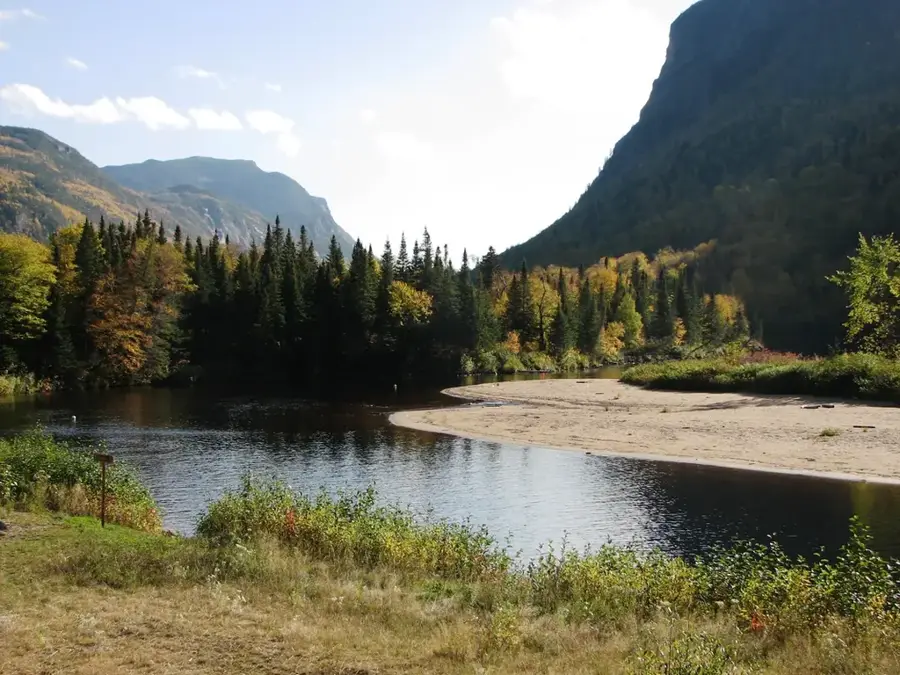
The Canadian Shield is one of the world's largest geologic continental shields, covering approximately half of Canada's land area, or about 4.8 million square kilometers. It is composed of massive Precambrian crystalline rock, with some formations dating back nearly 4 billion years, making it part of the ancient geological core of North America. This horseshoe-shaped region encircles Hudson Bay and was heavily scoured by continental ice sheets during the last glaciations, resulting in a landscape of thin soils, exposed bedrock, and millions of lakes. Economically, the Shield is vital as it contains some of the planet's richest deposits of iron ore, nickel, copper, gold, and diamonds. Despite its sparse population, it is a major source of timber and hydroelectric power. The rugged wilderness of the Shield remains a central symbol of Canada's natural heritage and geographic character.

📋 Practical info

🧭
Getting there
The gigantic shield spans multiple provinces and is accessible via Trans-Canada highways, provincial roads, and countless waterways. However, many of the most spectacular and pristine wilderness areas are reachable only by floatplane or canoe.
📅
Best season
The short summer months from June to August offer highly pleasant temperatures for canoeing and hiking, but also attract extreme swarms of mosquitoes. The golden autumn impresses with colorful foliage, while winter is handy for snowshoeing tours.
⛰️
Terrain & paths
The landscape is strictly characterized by polished granite outcrops, sweeping boreal forests, and thousands of deep, glacially carved lakes. Hiking often requires confidently navigating over rocky, uneven terrain and crossing damp, spongy boglands.
🎒
What to bring
High-quality outdoor clothing suitable for rapidly changing weather, including heavy-duty mosquito repellent, is mandatory during warmer months. A canoe or kayak, paired with excellent topographic maps and a compass, are essential for deeper exploration.
🅿️
Parking
At the major trailheads of large Provincial and National Parks, like Algonquin or Killarney, there are large, organized visitor parking lots. For multi-day canoe trips, special parking permits are frequently required, obtained at the visitor centers.
⚠️
Safety
The highly unpredictable weather and the sheer vastness of the wilderness demand experience; carrying emergency beacons is strongly advised in remote areas. Encounters with black bears are entirely possible, making strict bear-proof food storage mandatory.
⏱️
Time needed
Everything from short day hikes along the accessible fringes to weeks-long deep backcountry canoe expeditions is entirely possible here. To truly appreciate the boundless vastness of the landscape, travelers should plan to spend at least three to five days.

Geography

Coordinates
52.00000, -88.00000

Facts

  • Covers approximately 4.8 million square kilometers
  • Rock ages range up to 4 billion years old
  • Encompasses nearly 50 percent of Canada's land
  • Rich in deposits of gold, nickel, and copper
  • Surface was scoured by continental ice sheets
  • Contains the highest concentration of lakes globally

Explore nearby

Notable places around

Route planner — Car & Motorhome

Where do you start? We build the route here, with stops and country notes along the way.

Vehicle
Only stops with (optional):

© OpenStreetMap contributors · OpenRouteService

Sights nearby

Frequently asked questions

What exactly is the Canadian Shield?
A vast area of ancient Precambrian rock covering half of Canada.
Can you go hiking there?
Yes, thousands of parks like Algonquin Provincial Park offer trails.
What industries are important here?
Mining (gold, nickel, diamonds) and forestry are the dominant industries.
Why are there so many lakes there?
Glaciers from the last ice age carved depressions into the hard rock.
Is the area inhabited?
It is sparsely populated, featuring cities like Sudbury or Thunder Bay.
Canadian Shield: where is it located?
Canadian Shield is located in Canada.
Canadian Shield: why is it worth visiting?
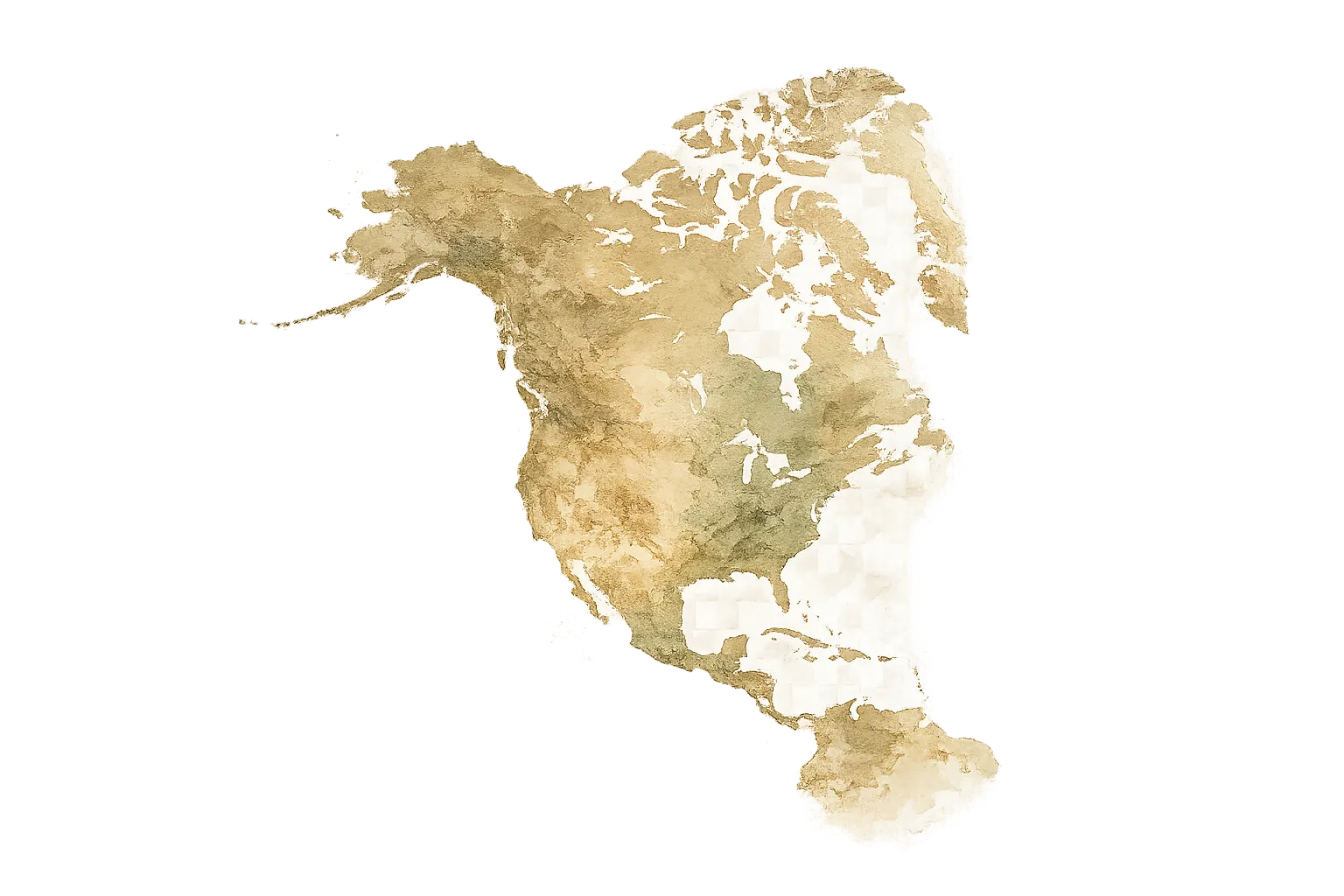
The Canadian Shield is one of the world's largest geologic continental shields, covering approximately half of Canada's land area, or about 4.8 million square kilometers.
View on map → The Top 50 Attractions → OpenStreetMap →
North America
Explore with Plizio Discover more places in North America
More places in Canada →

Nearby cities

History & landmarks