Plizio Visual Lab
Abaco National Park Forest
Weather…
Water temperature…
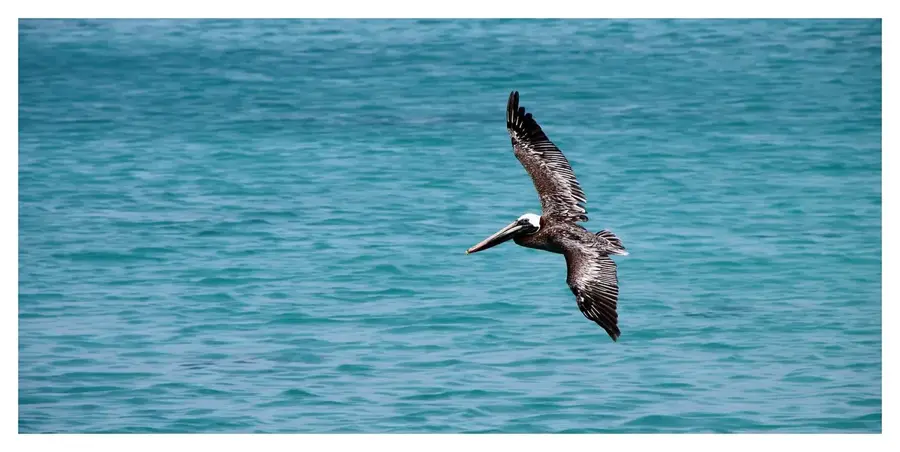
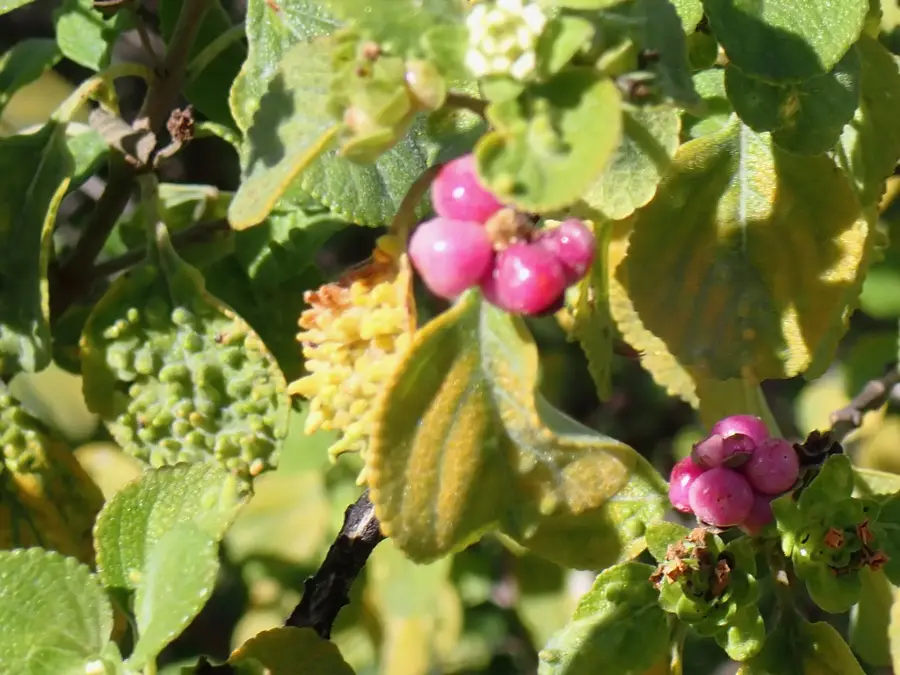
The Abaco National Park covers approximately 8,300 hectares (20,500 acres) in southern Great Abaco and was formally established in 1994. Managed by the Bahamas National Trust, the park is primarily dedicated to the preservation of the native Bahamian pine forest (Pinus caribaea var. bahamensis). This ecosystem is critical for the survival of the Abaco Parrot, an endemic subspecies that uniquely nests in natural limestone solution holes in the forest floor. Geographically, the park is characterized by rugged karst terrain that recharges a complex underground aquifer system. Beyond the parrots, the park supports a diverse range of birdlife, including the Bahama Swallow and the Bahama Mockingbird, making it a key site for ornithological studies. The dense pine forests serve as a vital carbon sink and provide a natural buffer against storm surges and high winds. Ecological management practices, such as controlled monitoring, are employed to maintain the health of this fragile habitat. The park stands as a leading example of terrestrial conservation in the Bahamas, attracting researchers and naturalists globally.
Explore on the map
How well do you know Bahamas?
Find cities, landscapes and regions in 10 varied challenges on the interactive map.
Your journey, your memory
A postcard from Abaco National Park Forest
Turn your own photo into a personal postcard with a local stamp. Free and no sign-up required.
Create a postcard- Location: Bahamas
- Nearby: Sandy Point (13 km)
Best time to visit & climate
The most pleasant time to visit is Jan–Mar.
| Jan | Feb | Mar | Apr | May | Jun | Jul | Aug | Sep | Oct | Nov | Dec | |
|---|---|---|---|---|---|---|---|---|---|---|---|---|
| Avg °C | 22 | 23 | 23 | 24 | 26 | 28 | 29 | 29 | 29 | 27 | 25 | 24 |
| Rain mm | 42 | 39 | 47 | 63 | 120 | 152 | 134 | 147 | 178 | 114 | 61 | 42 |
📋 Practical info
Geography
Facts
- The national park was officially established in 1994.
- The park encompasses a total area of 20,500 acres (8,300 hectares).
- It is the only place where Abaco Parrots nest in limestone cavities.
- The forest consists mainly of endemic Bahamian pine trees.
- The Bahamas National Trust is responsible for its management.
- It provides a critical habitat for several endemic bird species.
Explore nearby
Notable places around
Route planner — Car & Motorhome
Where do you start? We build the route here, with stops and country notes along the way.
© OpenStreetMap contributors · OpenRouteService
Sights nearby
Frequently asked questions
What does this national park protect?
How do you get into the park?
Are there marked hiking trails?
Is camping allowed in the park?
When is the best time to see the parrots?
Abaco National Park Forest: where is it located?
Abaco National Park Forest: when is the best time to visit?
Abaco National Park Forest: why is it worth visiting?

Nearby cities



History & landmarks
More places