Plizio Visual Lab
Fériana
ℹ️Practical info — Fériana
▾
🌤 Weather — 5 days
📍 Nearby
Sights nearby
💡 Tips
- Summer days are extremely hot; plan your visits to the ancient Roman ruins of Thelepte for the early morning.
- Louages (shared taxis) are the best way to travel to and from neighboring cities like Kasserine; buy your ticket at the station.
- Locals are welcoming but conservative; dress modestly, especially when walking away from the main tourist paths.
- The surrounding olive groves are beautiful for a walk, but respect private property boundaries.
- Tap water is not recommended for drinking; always carry bottled water, especially during trips to archaeological sites.
🍽 Food
A staple of the region, often served with lamb; try it at traditional restaurants on the main avenue.
A crispy, deep-fried pastry filled with egg and tuna, available at small street food stalls.
The region is famous for its olive groves; enjoy local extra virgin olive oil with fresh bread as an appetizer.
🛍 Shopping · 🧘 Quiet spots
Buy high-quality, cold-pressed olive oil directly from local presses or the weekly market.
Look for rustic, unglazed pottery pieces typical of the Kasserine region in small craft shops.
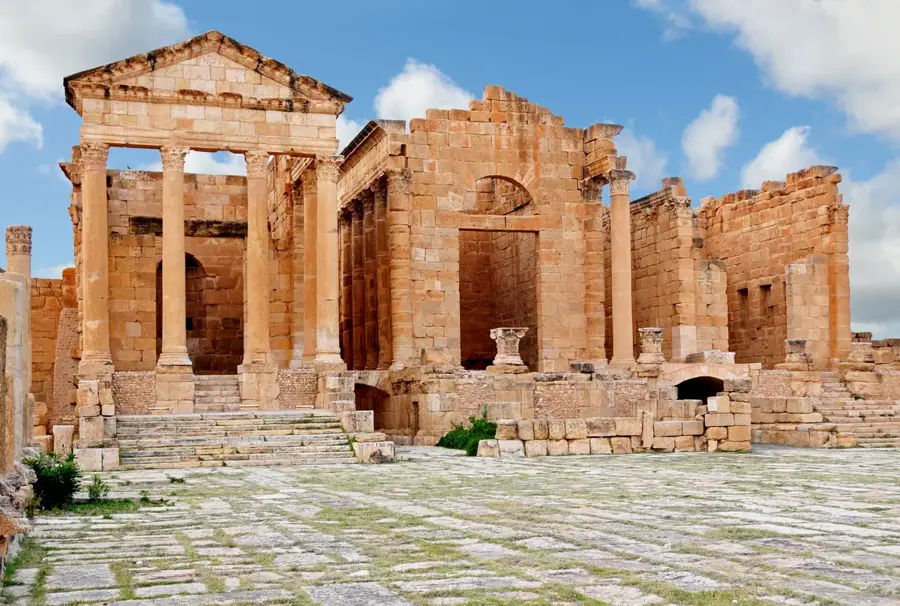
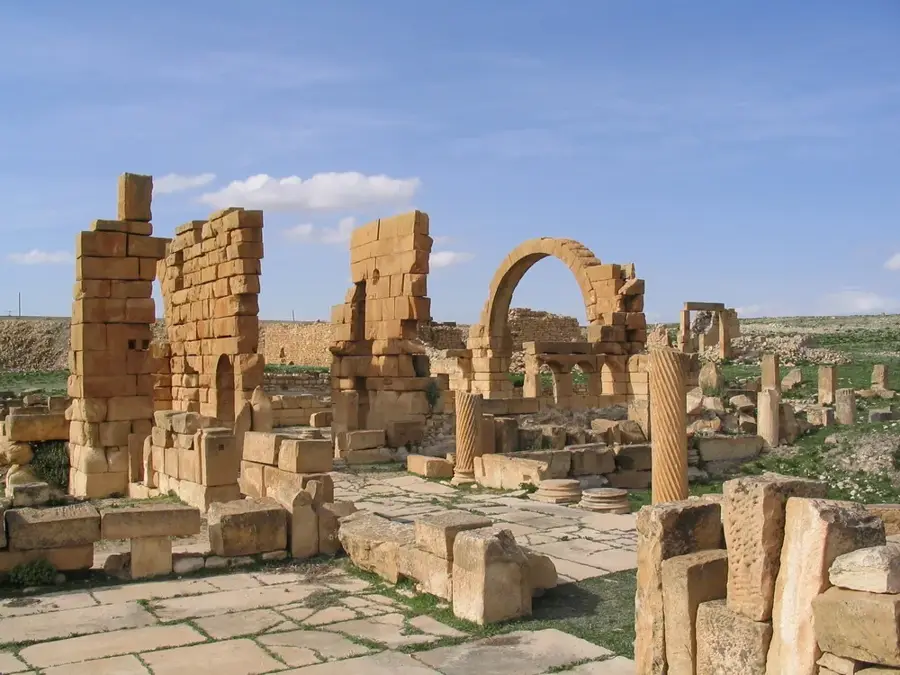
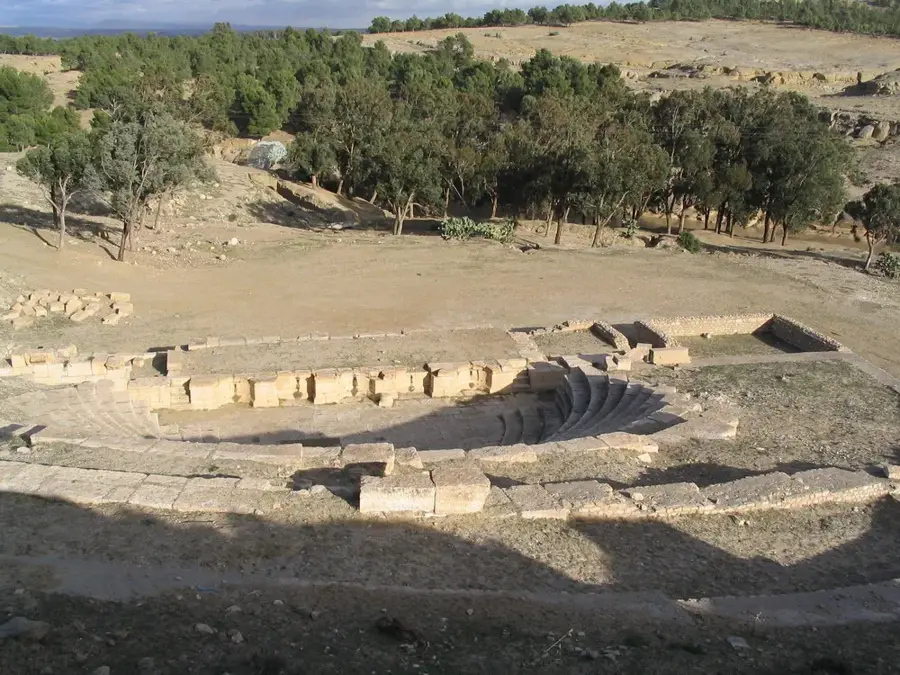
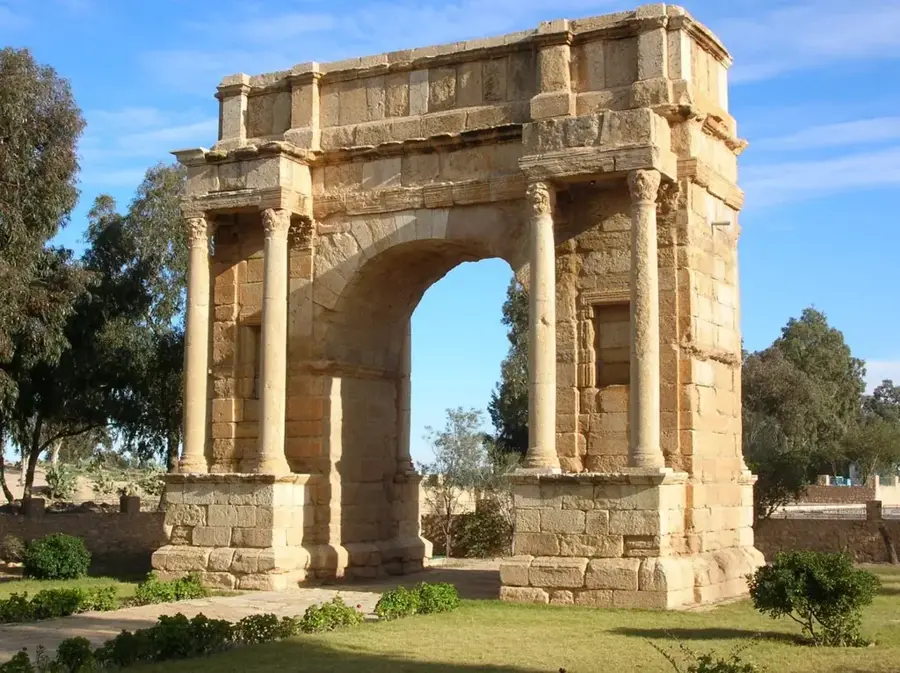
Just outside the city, these Roman ruins offer a serene, historically rich environment first-rate for quiet exploration.
Take a late afternoon walk along the outskirts where the city meets the endless olive fields.
Water temperature…
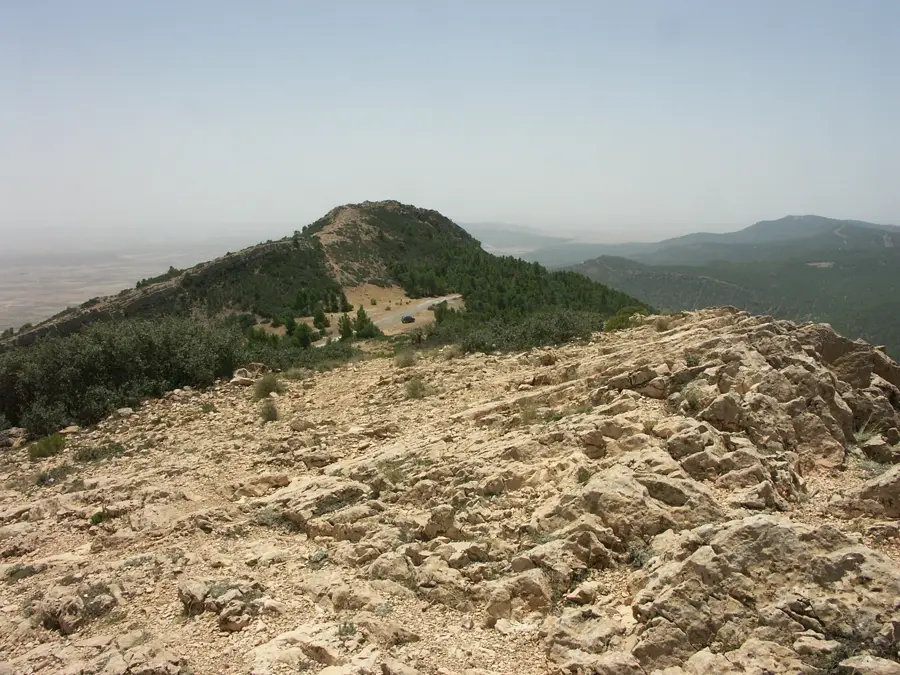
Fériana is situated in western Tunisia within the Kasserine Governorate, near the Algerian border, on a high plateau exceeding 700 meters above sea level. The town's history is inextricably linked to the ancient Roman city of Thelepte, whose impressive ruins are located just a few kilometers to the north. Thelepte was a significant military outpost and later an episcopal see, with remnants of basilicas and baths still visible today. In modern times, Fériana has evolved into a vital industrial center, particularly known for cement production and the processing of Alfa grass, which grows abundantly in the surrounding steppe landscape. The climate features cold winters and hot, dry summers, typical of the Tunisian highlands. The town serves as an important border crossing and trade hub, while agriculture, specifically cereal cultivation and livestock farming, continues to be a primary pillar of the local community.
Explore on the map
How well do you know Tunisia?
Find cities, landscapes and regions in 10 varied challenges on the interactive map.
Your journey, your memory
A postcard from Fériana
Turn your own photo into a personal postcard with a local stamp. Free and no sign-up required.
Create a postcard- Location: Tunisia
- Nearby: Sbeitla (59 km)
- Population: ~29.572 (2024)
Best time to visit & climate
The most pleasant time to visit is May, Jun, Sep.
| Jan | Feb | Mar | Apr | May | Jun | Jul | Aug | Sep | Oct | Nov | Dec | |
|---|---|---|---|---|---|---|---|---|---|---|---|---|
| Avg °C | 6 | 7 | 11 | 15 | 19 | 24 | 28 | 27 | 23 | 18 | 11 | 7 |
| Rain mm | 35 | 21 | 40 | 31 | 31 | 19 | 9 | 20 | 38 | 32 | 32 | 35 |
Geography
Facts
- Located near the significant Roman ruins of Thelepte
- Situated at an altitude of approximately 745 meters
- Major center for the Tunisian cement industry
- Key hub for the harvesting and processing of Alfa grass
- Serves as a strategic border crossing point to Algeria
- Home to various archaeological finds dating back to Punic times
Explore nearby
Notable places around
Route planner — Car & Motorhome
Where do you start? We build the route here, with stops and country notes along the way.
© OpenStreetMap contributors · OpenRouteService
Sights in the town Fériana (1)
Frequently asked questions
Is a day trip to Fériana worth it?
When is the best time to visit Fériana?
What can I do in Fériana?
Is Fériana easily accessible for tourists?
Are there family-friendly accommodations?
Fériana: where is it located?
Fériana: when is the best time to visit?
Fériana: why is it worth visiting?
Nearby cities
More places