Plizio Visual Lab
Claxton Bay

ℹ️Practical info — Claxton Bay
▾
🌤 Weather — 5 days
📍 Nearby
Sights nearby
💡 Tips
- Visit the fishing depot in the late afternoon to buy fresh catch directly from the boats.
- The coastline features a unique industrial backdrop for photos during the golden hour.
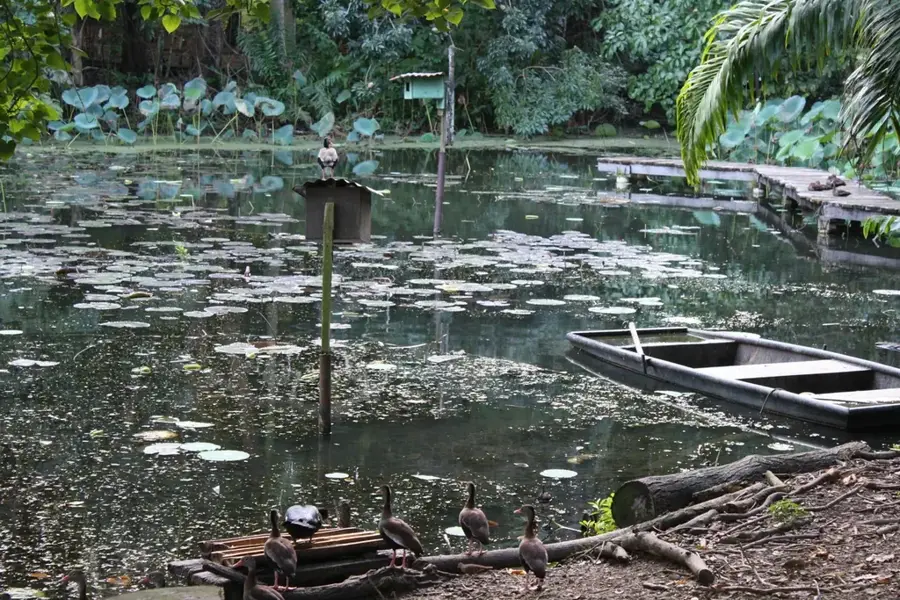
- Visit the nearby Pointe-a-Pierre Wildfowl Trust for birdwatching and nature.
- Be cautious when navigating the narrow streets near the large industrial plants.
- Ensure your vehicle is parked securely before exploring the waterfront areas on foot.
🍽 Food
Buy it at the depot and look for a nearby stall to have it grilled.
A spicy fish soup commonly offered at coastal food shacks.
Occasionally found at stalls along the main coastal road.
🛍 Shopping · 🧘 Quiet spots
The premier spot for buying freshly caught fish and seafood.
Look along the main road for seasonal fruits and snacks.
The waterfront is a calm spot in the evening for reflection.
A nearby nature paradise with lakes and many bird species.
Water temperature…
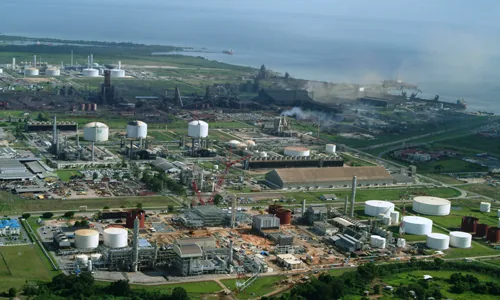
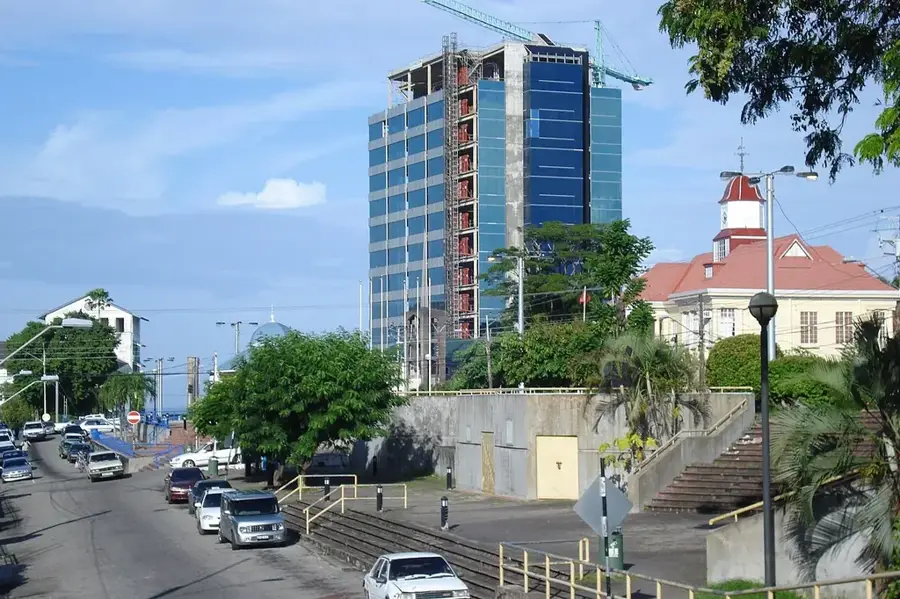
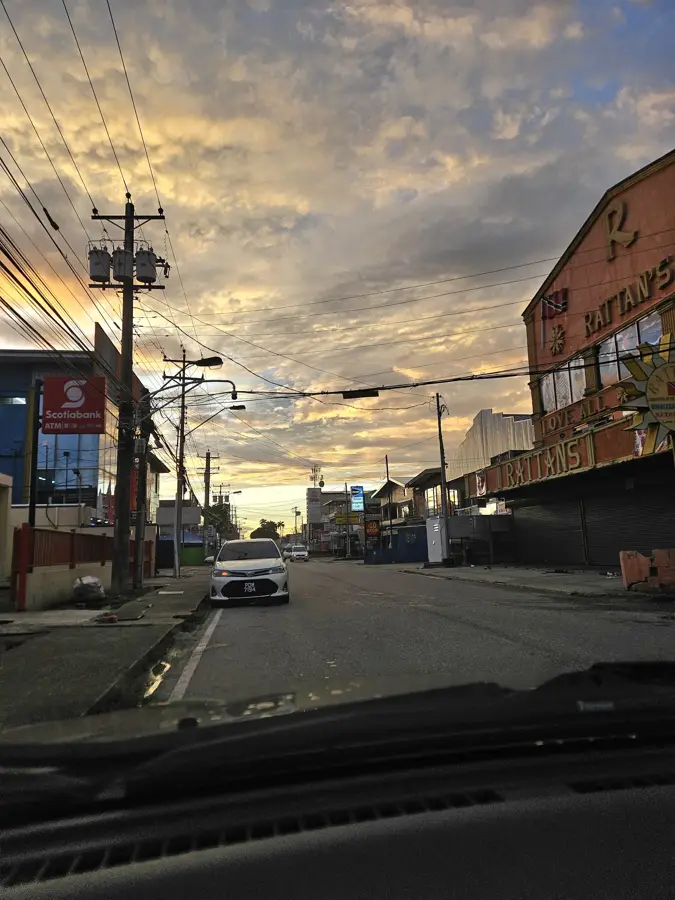
Claxton Bay is a major industrial and port location on the western coast of Trinidad, situated south of Couva. The town is best known as the headquarters of Trinidad Cement Limited (TCL), which has defined the region's skyline and economy since its establishment in 1954. Historically, the area evolved from small fishing villages and sugarcane estates. Its strategic position on the Gulf of Paria facilitated the construction of specialized port facilities for the export of cement and other industrial products. Despite the dominance of heavy industry, Claxton Bay has not entirely lost its fishing heritage; the local jetty remains an active hub for the daily catch. In recent decades, efforts have been made to mitigate the environmental impact of industry and improve coastal management. The community features a blend of residential neighborhoods and vast industrial complexes that are closely integrated.
Explore on the map
How well do you know Trinidad and Tobago?
Find cities, landscapes and regions in 10 varied challenges on the interactive map.
Your journey, your memory
A postcard from Claxton Bay
Turn your own photo into a personal postcard with a local stamp. Free and no sign-up required.
Create a postcard- Location: Trinidad and Tobago
- Nearby: Gasparillo (4 km)
- Population: ~5.679 (2024)
Best time to visit & climate
The most pleasant time to visit is Feb–Apr.
| Jan | Feb | Mar | Apr | May | Jun | Jul | Aug | Sep | Oct | Nov | Dec | |
|---|---|---|---|---|---|---|---|---|---|---|---|---|
| Avg °C | 26 | 26 | 27 | 28 | 28 | 27 | 27 | 27 | 27 | 27 | 27 | 26 |
| Rain mm | 100 | 61 | 52 | 56 | 117 | 222 | 202 | 202 | 141 | 176 | 213 | 178 |
Geography
Facts
- Home to the largest cement manufacturing plant in the English-speaking Caribbean.
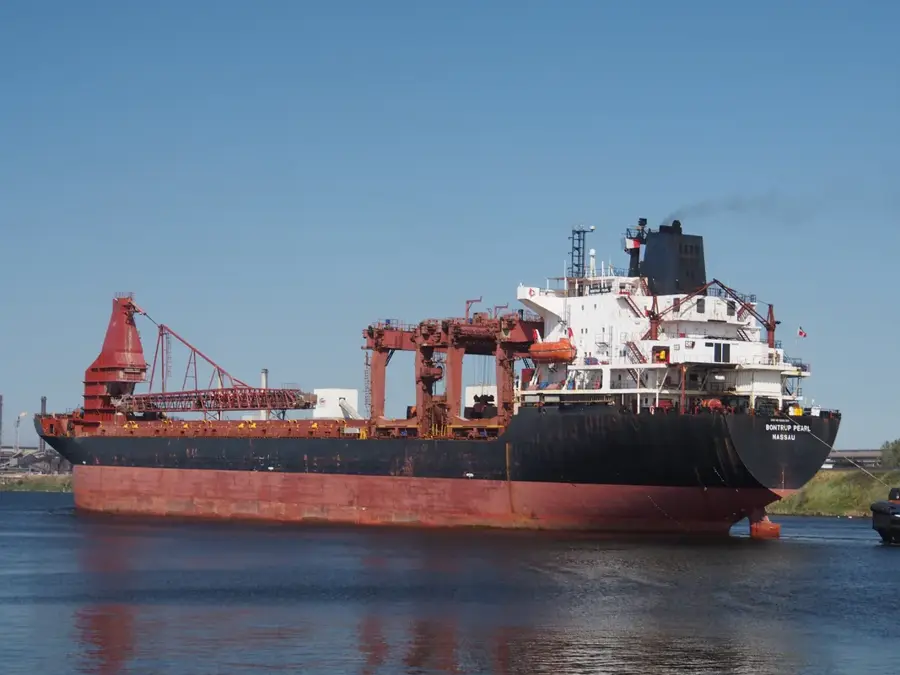
- Situated directly on the Gulf of Paria, a critical shipping lane.
- Trinidad Cement Limited (TCL) officially began operations here in 1954.
- Features a specialized deep-water harbor for cement and aggregate export.
- The local fishing depot is a significant source of seafood for central Trinidad.
- Named after an early British settler in the area, a Mr. Claxton.
Explore nearby
Notable places around
Route planner — Car & Motorhome
Where do you start? We build the route here, with stops and country notes along the way.
© OpenStreetMap contributors · OpenRouteService
Frequently asked questions
How much time should I allocate for Claxton Bay?
When is the best time to visit?
How is Claxton Bay accessible?
Are there local foods there?
Is it suitable for families with children?
Claxton Bay: where is it located?
Claxton Bay: when is the best time to visit?
Claxton Bay: why is it worth visiting?
Nearby cities


Nature
More places