Plizio Visual Lab

Vršac

Plizio editorial teamData Sources
City
—°10
Vršac (Serbia)
ℹ️

Practical info — Vršac

🌤 Weather — 5 days

📍 Nearby

Sights nearby

💡 Tips

  • Climb up to the Vršac Tower (Vrška kula) at sunset for the best views over the city and the surrounding vineyards.
  • Be prepared for the Košava wind; this strong, gusty wind is a local phenomenon and can be quite intense at times.
  • Visit the nearby village of Gudurica if you want to experience authentic wine cellars and the deep-rooted local viticulture.
  • The City Park is one of the oldest in Serbia, offering great shade and a peaceful atmosphere during hot summer days.
  • With the Romanian border so close, keep your travel documents ready if you decide on a spontaneous cross-border trip.

🍽 Food

🍽
Vršac Wines (e.g., Kreaca)

Taste these local white wine varieties in the wine cellars at the foot of the Vršac Mountains.

🍽
Banat Strudel

A traditional pastry filled with poppy seeds or walnuts, often found in bakeries in the city center.

🍽
Grilled Meat Specialties

Enjoy classic Serbian grilled dishes in the restaurants around the main square.

🛍 Shopping · 🧘 Quiet spots

🛍
Wine cellars in Gudurica

The convenient place to buy artisanal local wines directly from the producers.

🛍
Green Market (Zelena pijaca)

A lively market for fresh produce and local honey sourced from the mountains.

🧘
Vršac Hill paths

Various hiking trails above the town provide peace and fresh mountain air.

🧘
City Park alleys

The wide, shaded paths of the park are first-rate for a quiet afternoon stroll.

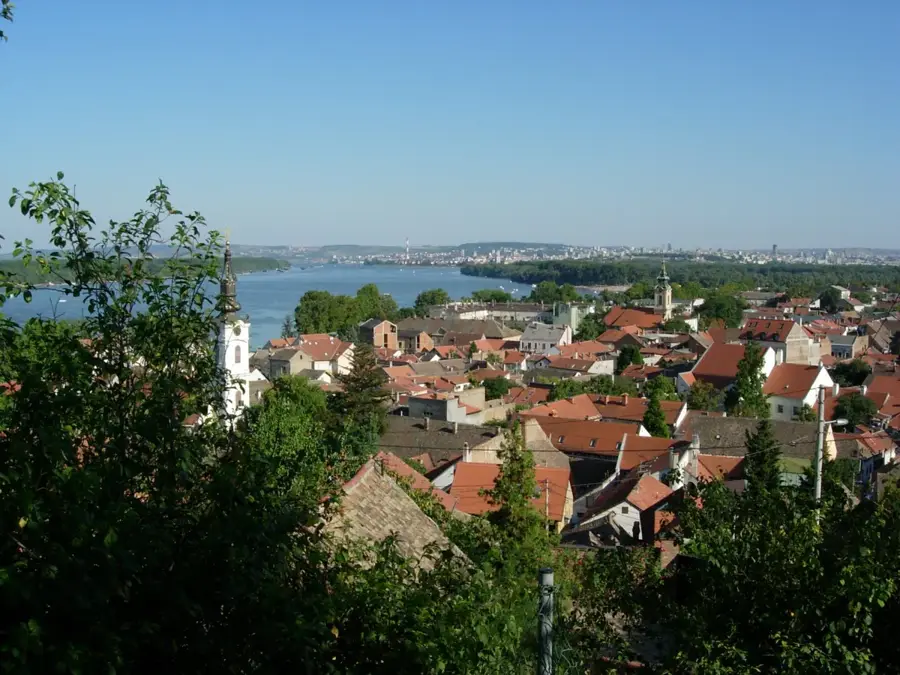
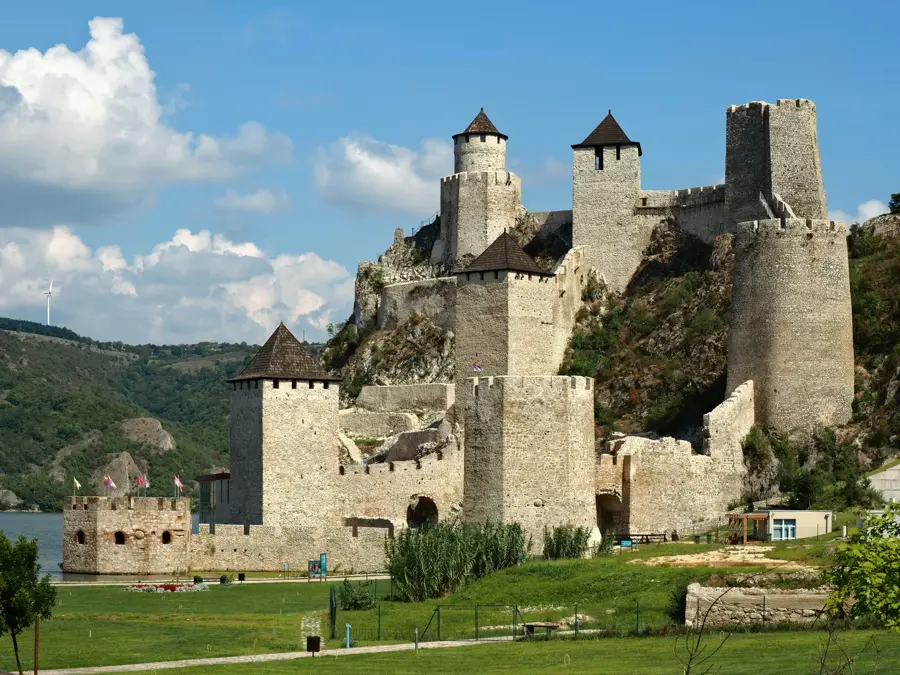
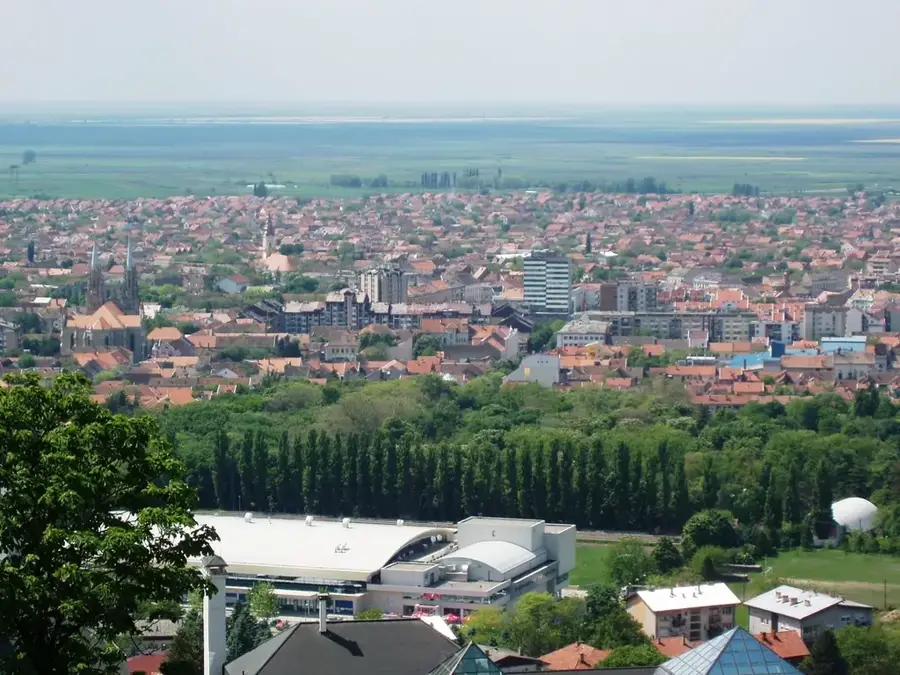
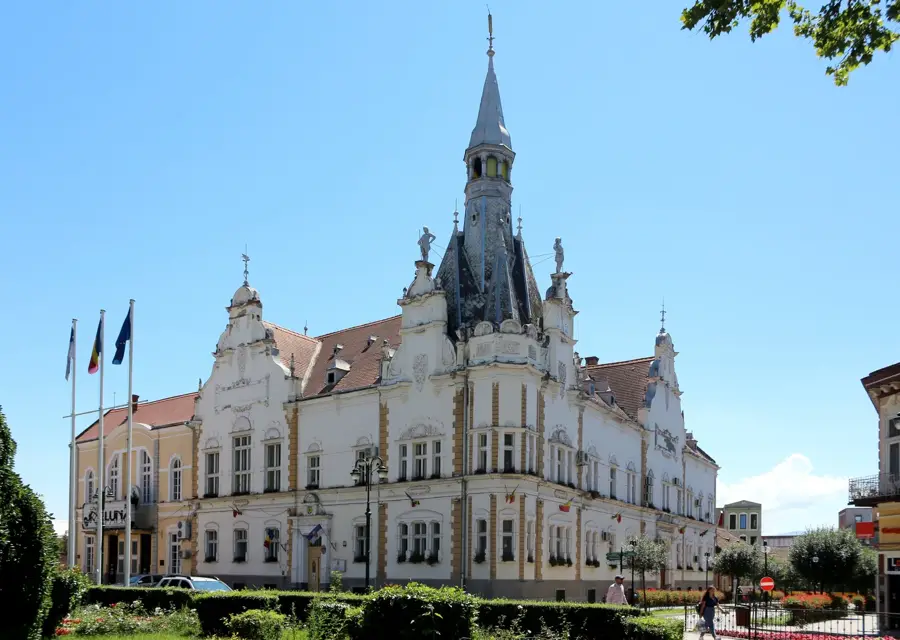
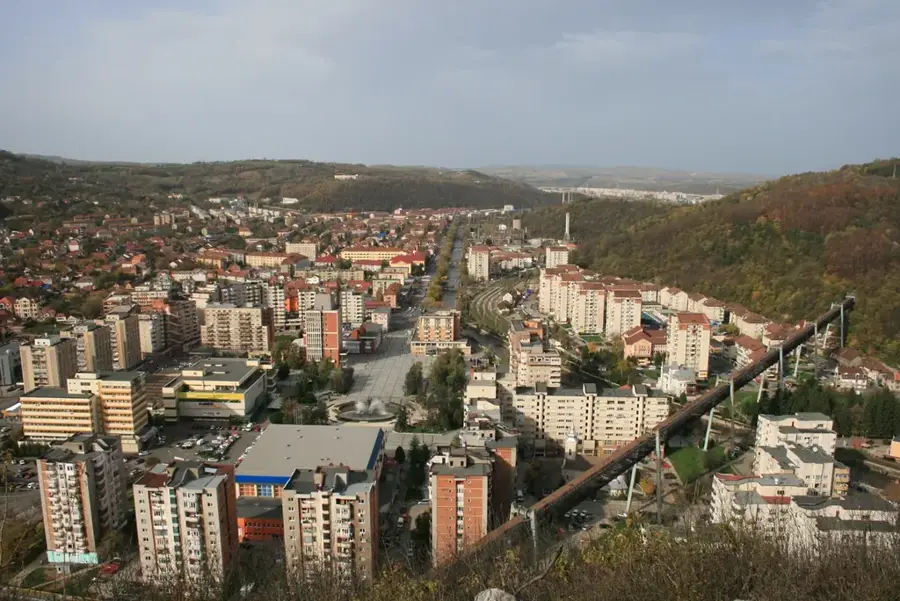
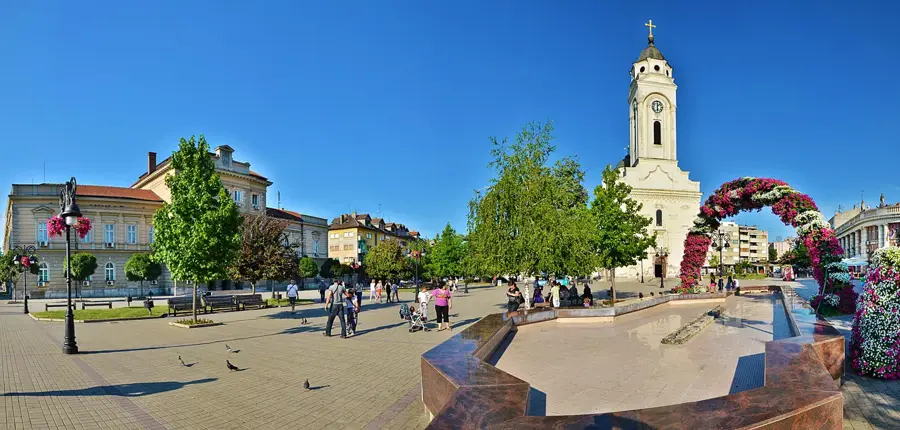
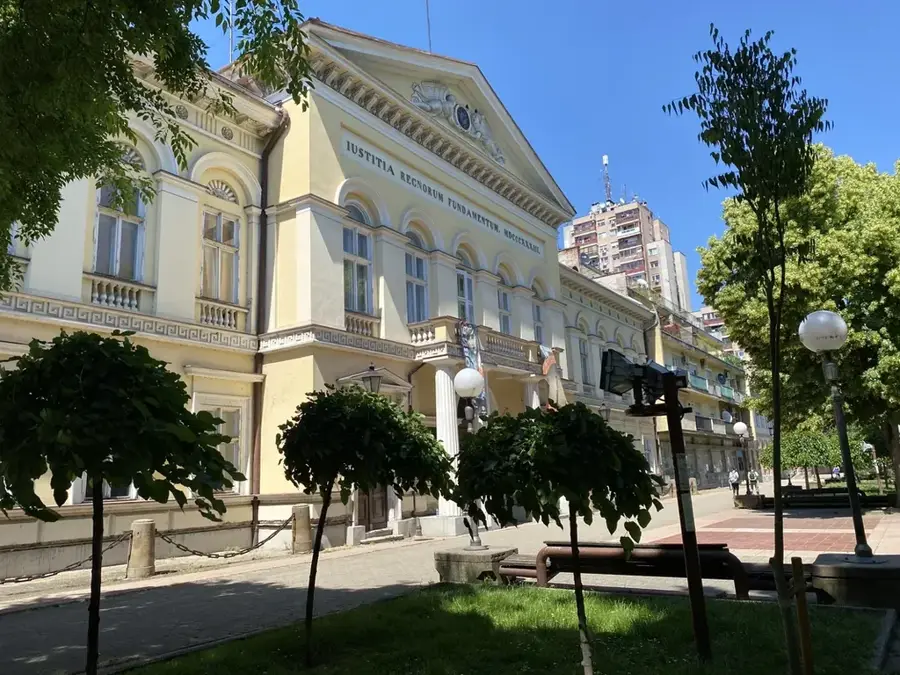
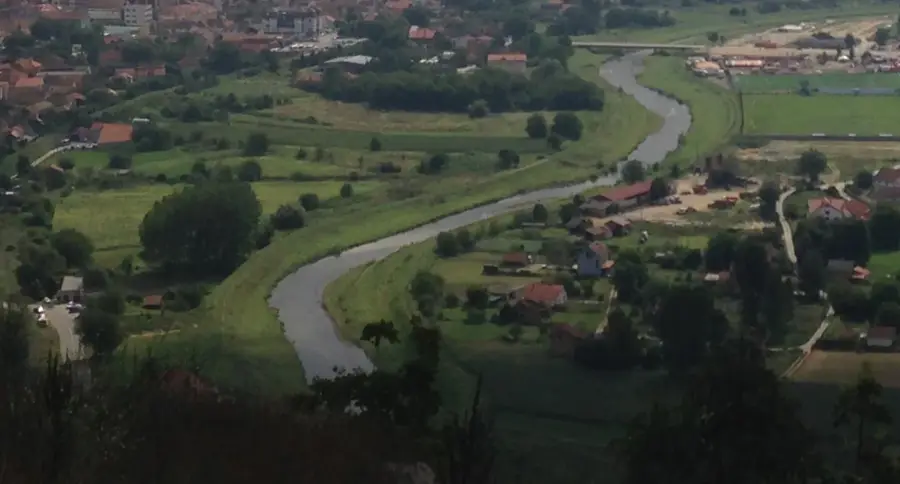
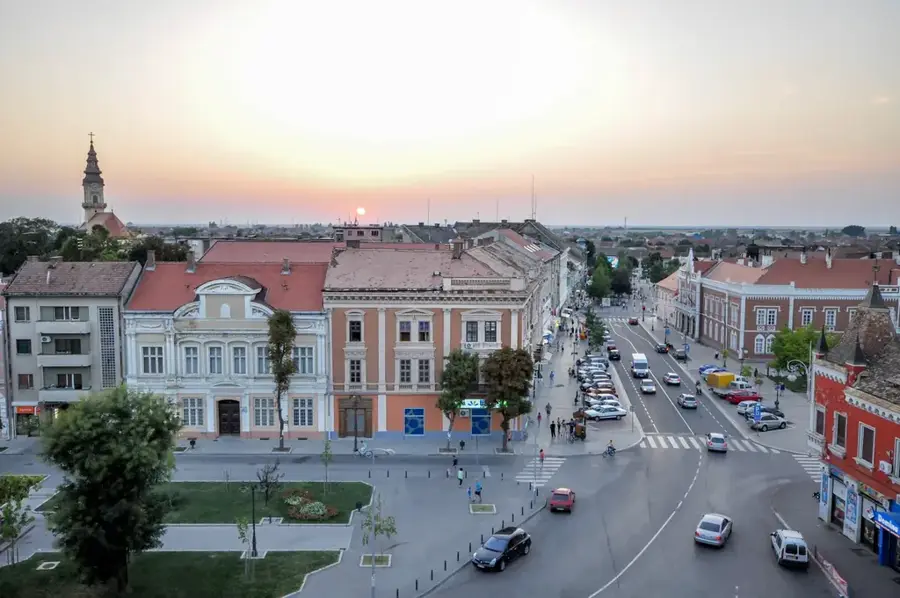
Vršac is located in southeastern Vojvodina at the foot of the Vršac Mountains, near the border with Romania. As one of the oldest cities in the Banat region, it is famous for its long-standing tradition of viticulture, which dates back to Roman times. The city's skyline is dominated by the Vršac Tower (Vršacka kula), a 14th-century remnant of a medieval fortress likely built by Despot Đurađ Branković. The architectural character of the city center is defined by Baroque and Neoclassical buildings, such as the Bishop's Palace and the City Hall. Vršac is also the birthplace of the renowned playwright Jovan Sterija Popović, and his family home is now a dedicated museum. The mild microclimate and fertile slopes make the region one of Serbia's premier wine-producing areas. Modern Vršac is a blend of historical charm, a thriving pharmaceutical industry, and increasing prominence as a tourist destination.

Best time to visit & climate

The most pleasant time to visit is Jun, Aug, Sep.

JanFebMarAprMayJunJulAugSepOctNovDec
Avg °C-1171218222424191371
Rain mm504650528288705659564849

Geography

Population
36,300
Coordinates
45.11670, 21.30360

Facts

  • The Vršac Tower is positioned at an elevation of 399 meters above sea level.
  • The Vršac Mountains contain Gudurički vrh, the highest peak in Vojvodina (641 m).
  • The first theater in Vršac began its performances in 1793.
  • The surrounding wine region covers more than 2,000 hectares of vineyards.
  • The Bishop's Palace was constructed in the Baroque style in 1750.
  • The city is located only 14 kilometers away from the Romanian border.

Explore nearby

Notable places around

Route planner — Car & Motorhome

Where do you start? We build the route here, with stops and country notes along the way.

Vehicle
Only stops with (optional):

© OpenStreetMap contributors · OpenRouteService

Sights in the town Vršac (10)

Gradski muzej🏛 museum

The City Museum in Vršac curates and exhibits artifacts reflecting the town's historical development.
🕒 Tu-Sa 10:00-17:00, Su 10:00-14:00

Narodno pozorište „Sterija”🎭 culture

The Sterija National Theatre is a cornerstone of dramatic arts and cultural events in Vršac.

Vršački zamak📍 landmark

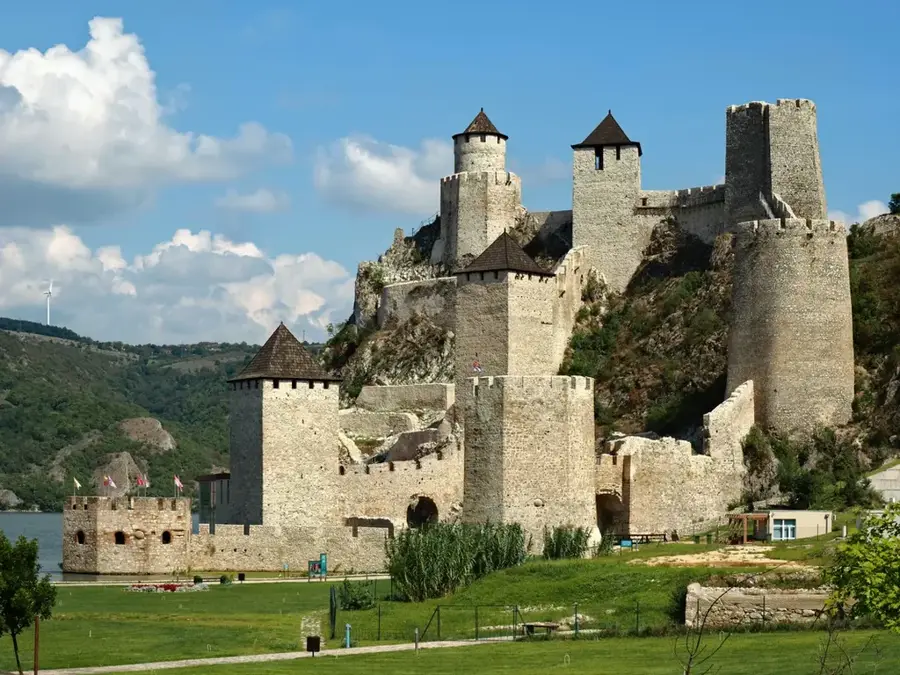
The Vršac Castle is a historical medieval fortress attraction overlooking the city of Vršac.

🕒 Mo-Su 11:00-18:00

Bore Kostic🏺 historical

This monument dedicated to Bore Kostic is a notable landmark in Vršac.

Turban🌿 nature

The Turban is a scenic viewpoint offering panoramic sights over Vršac.

Vidikovac Talpika🌿 nature

Vidikovac Talpika is a scenic viewpoint located in the city of Vršac.

Kapela svetog Krsta📍 landmark

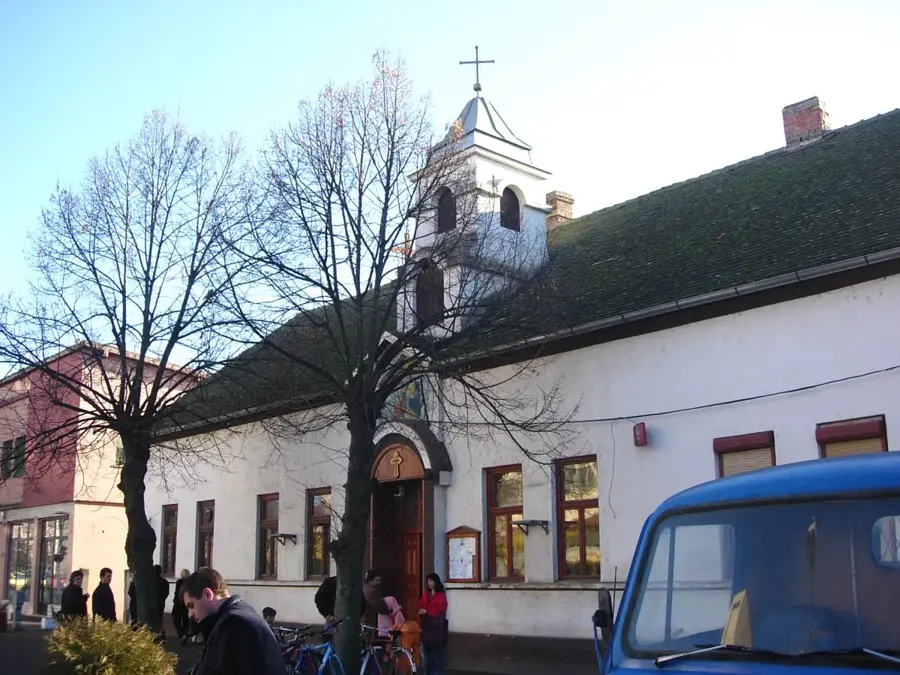
The Chapel of the Holy Cross is a notable religious attraction to visit in Vršac.

Saborna crkva Svetog Nikolaja📍 landmark

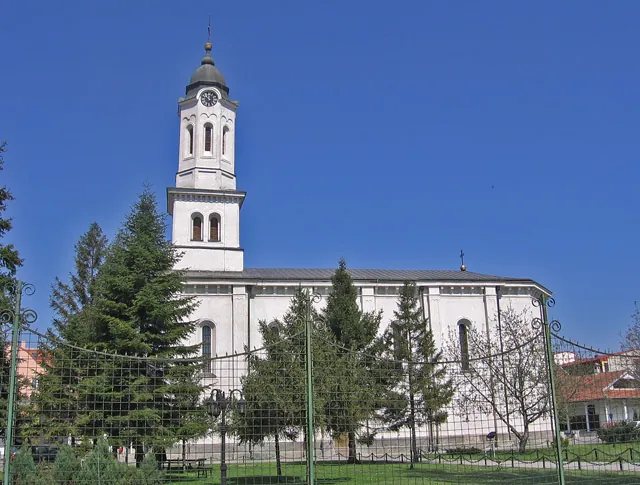
The Cathedral of St. Nicholas is an important cultural and religious attraction in Vršac.

Crkva Uspenja Presvete Bogorodice⛪ religious

The Church of the Dormition of the Mother of God is a prominent Serbian Orthodox place of worship in Vršac.

Church of Saint Gerhard the Bishop and Martyr⛪ religious

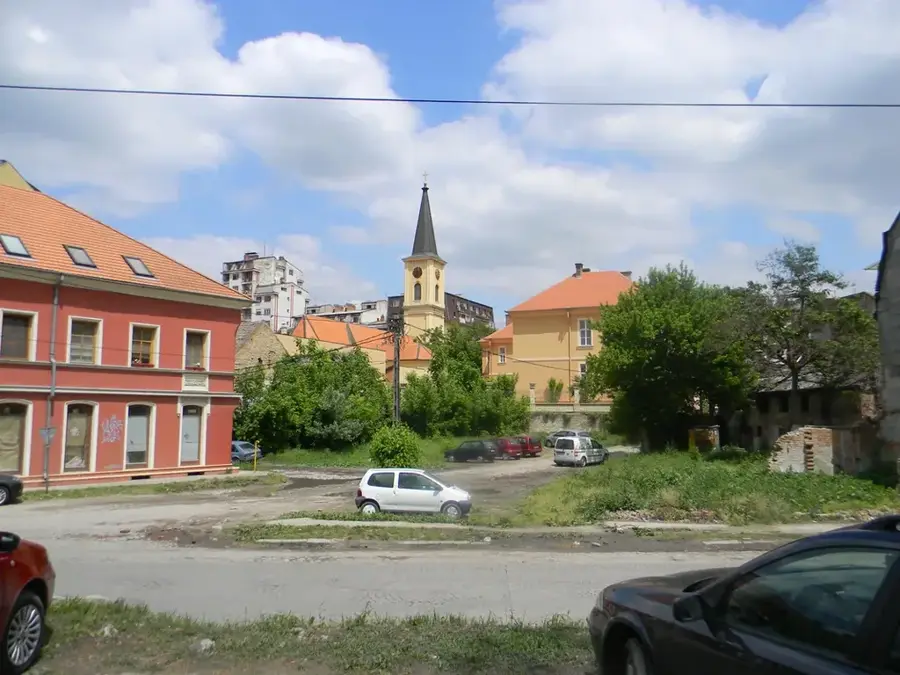
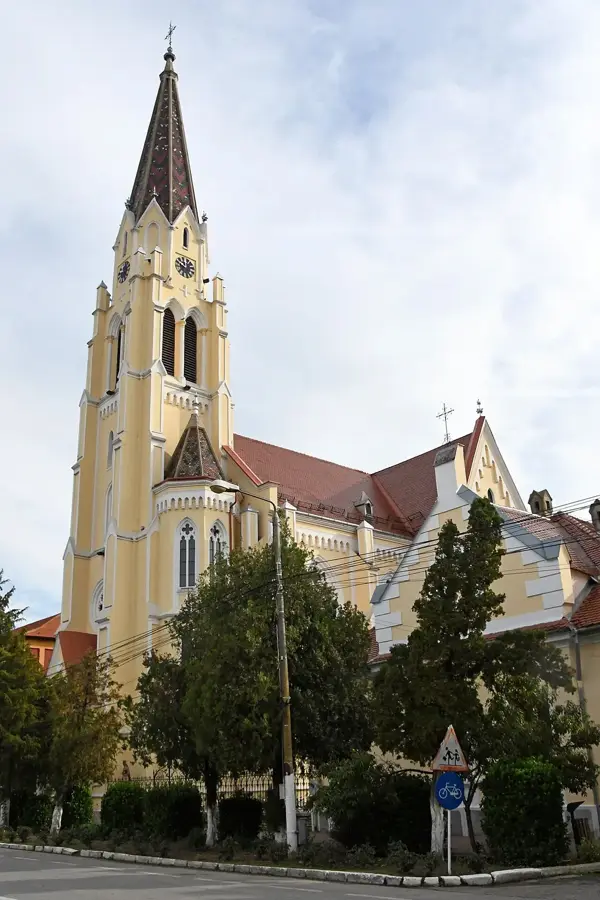
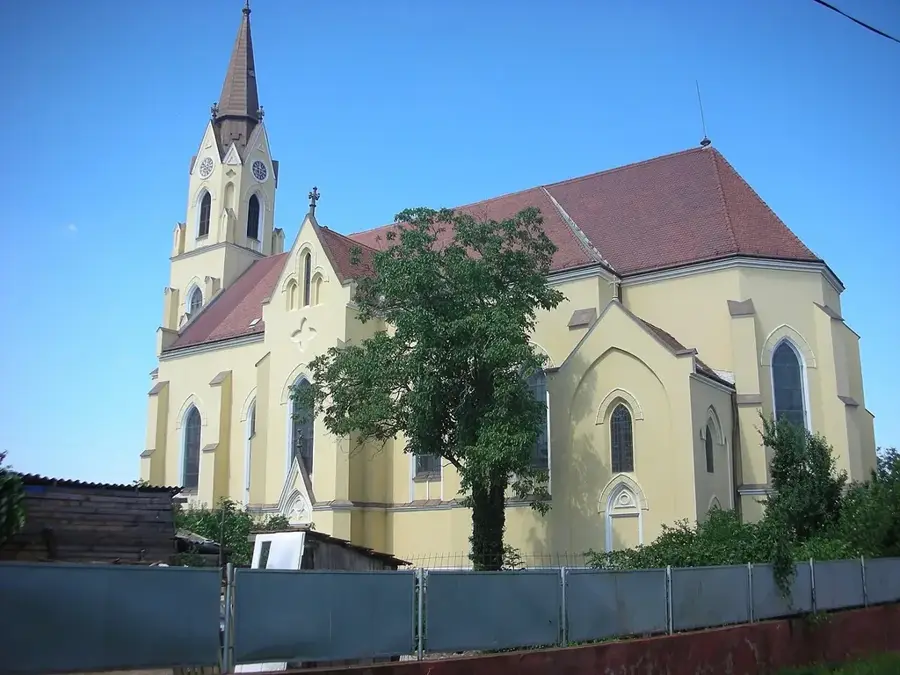
The Church of Saint Gerhard the Bishop and Martyr is a notable neo-Gothic Roman Catholic place of worship in Vršac.

Frequently asked questions

What is Vršac known for?
For its viticulture, the distinctive tower (Vršacka kula), and the surrounding Vršac Mountains.
What can you do at the Vršac Tower?
Visitors can see the restored fortress and enjoy the wide view over the plains.
Are there wine tastings in the region?
Yes, Vršac is on a famous wine route with many cellars in the city and Gudurica village.
When is the wine festival?
The 'Groovižđe' (Grape Harvest Days) take place every year in September.
Is the city good for hikers?
Absolutely, the Vršac Mountains offer marked trails and are the highest point in Vojvodina.
Vršac: where is it located?
Vršac is located in Serbia.
Vršac: what is there to see?
Highlights include Gradski muzej, Narodno pozorište „Sterija”, Vršački zamak.
Vršac: when is the best time to visit?
The most pleasant time to visit is Jun, Aug, Sep.
Vršac: why is it worth visiting?
Vršac is located in southeastern Vojvodina at the foot of the Vršac Mountains, near the border with Romania.
View on map → The Top 50 Attractions → OpenStreetMap →
Europe
Explore with Plizio Discover more places in Europe
More places in Serbia →

Nearby cities

History & landmarks

Nature

More places