Plizio Visual Lab
Reșița Steelworks
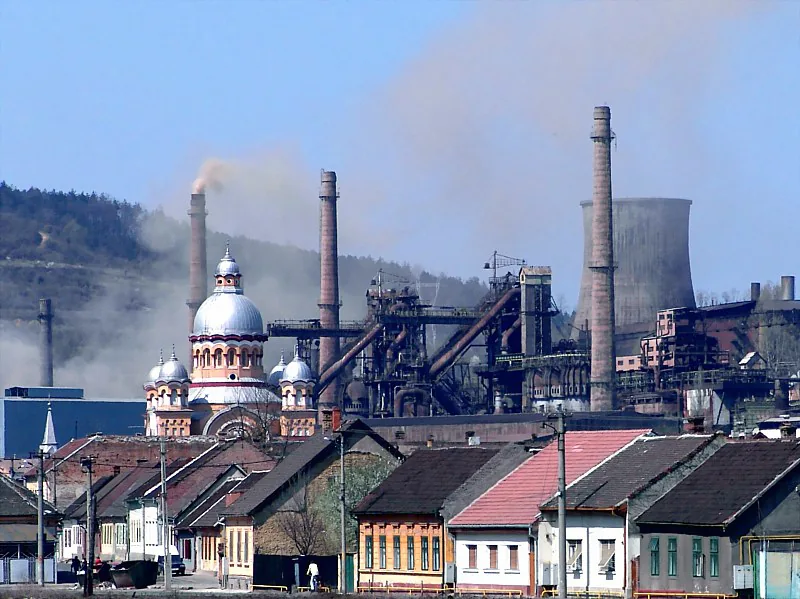
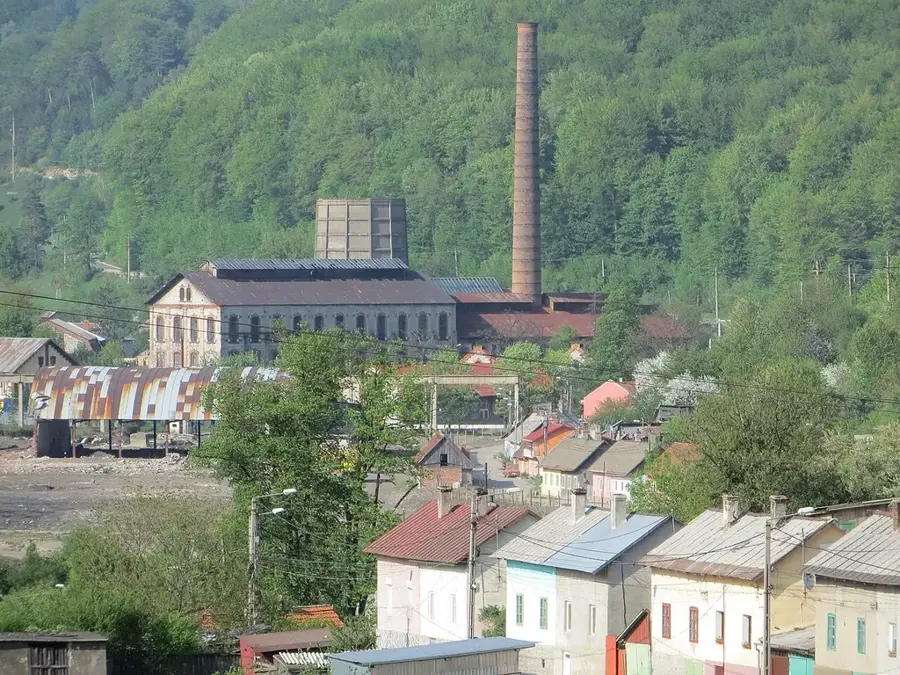
The Reșița steelworks, currently operated by the ARTROM Steel Tubes group, represents the cradle of Romania's heavy industry and has an unbroken tradition of more than 250 years. Founded in 1771, the plant witnessed the country's first steam locomotives and played a vital role in the industrialization of the Banat Mountains. Today, the facility specializes in special steel in the form of round billets, used as raw material for seamless pipe production. Reșița has a modern electric arc furnace and vacuum-refining installations, ensuring high metal purity in line with international standards. Although the scale of the industrial city has shrunk compared with its peak period, the complex remains the economic heart of Caraș-Severin County, demonstrating the resilience of Romanian metallurgy by adapting to the demands of the global market for high-precision steel products.
Explore on the map
How well do you know Romania?
Find cities, landscapes and regions in 10 varied challenges on the interactive map.
Your journey, your memory
A postcard from Reșița Steelworks
Turn your own photo into a personal postcard with a local stamp. Free and no sign-up required.
Create a postcard- Location: Caraș-Severin, Romania
- Highlights: Teatrul de Stat și Casa de Cultură a Sindicatelor · Old Religious Art Collection · Societatea pentru Cultura Metarsis
- Nearby: Bocșa (17 km)
Best time to visit & climate
The most pleasant time to visit is Jun, Aug, Sep.
| Jan | Feb | Mar | Apr | May | Jun | Jul | Aug | Sep | Oct | Nov | Dec | |
|---|---|---|---|---|---|---|---|---|---|---|---|---|
| Avg °C | -1 | 1 | 6 | 11 | 17 | 21 | 23 | 23 | 18 | 12 | 6 | 1 |
| Rain mm | 47 | 45 | 50 | 57 | 83 | 92 | 79 | 62 | 59 | 59 | 50 | 49 |
📋 Practical info
Geography
Facts
- The steelworks was founded on July 3, 1771, making it one of the oldest in Europe.
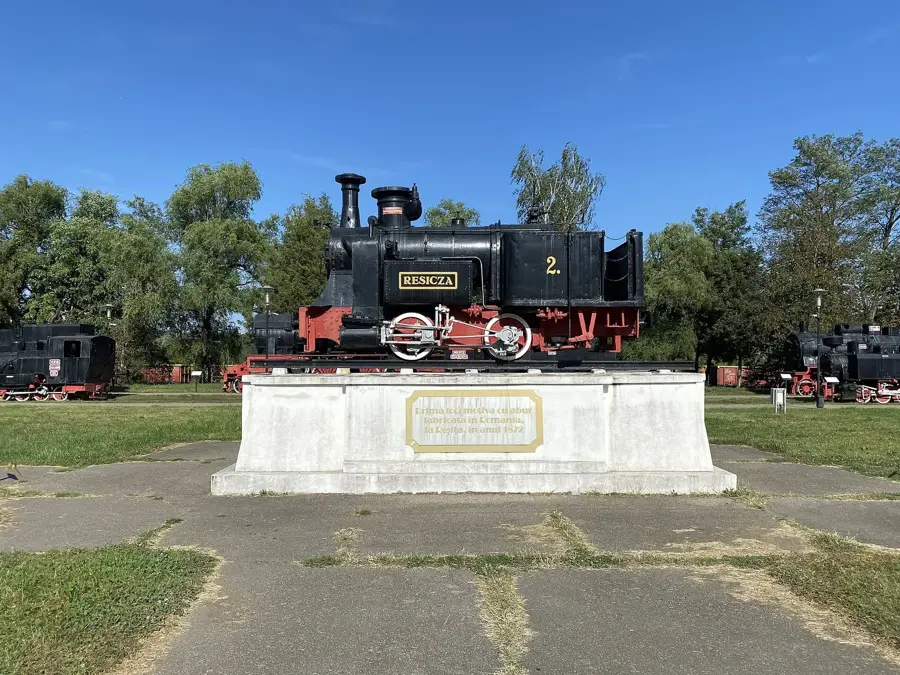
- Romania's first steam locomotive, the Resicza model, was produced in Reșița in 1872.
- The unit produces hundreds of thousands of tonnes of steel for industrial pipes each year.
- The steelworks uses electric arc furnace (EAF) technology for efficiency.
- The steel produced here is exported to pipe plants across Europe and the United States.
- Reșița was the main steel center of the Austro-Hungarian Monarchy in the 19th century.
- The steelworks is integrated with the ARTROM pipe factory in Slatina.
- Reșița's history is closely tied to the exploitation of resources in the Banat Mountains.
Explore nearby
Notable places around
Route planner — Car & Motorhome
Where do you start? We build the route here, with stops and country notes along the way.
© OpenStreetMap contributors · OpenRouteService
Sights in the town Reșița Steelworks (10)
Stema UCMR
Monument in Reșița, depicting the coat of arms of UCMR.
Sinagoga din Reşiţa
Neolog synagogue in Reșița, Romania, place of worship for the Jewish community.
Saint Mary of the Snows Church Reșița
Heritage site in Caraș-Severin County, Romania, dedicated to Saint Mary of the Snows.
Școala Pittner🏛 museum
Museum in Reșița, former school, now an exhibition on city history.
Belvedere spre resita
Viewpoint overlooking Reșița and the surrounding hills.
Belvedere la steaguri
Viewpoint at the flags, panoramic view over Reșița.
Ion Crișan Zoological Park
Zoo in Reșița with native and exotic animal species.
Sights nearby
Frequently asked questions
What is manufactured at the Reșița Steelworks?
Can you enter the industrial site?
How old is the industrial tradition in Reșița?
Are locomotives still built there?
Where can one find information about the history?
Reșița Steelworks: where is it located?
Reșița Steelworks: what is there to see?
Reșița Steelworks: when is the best time to visit?
Reșița Steelworks: why is it worth visiting?

Nearby cities
History & landmarks
More places