Plizio Visual Lab

Mărășești Mausoleum

Plizio editorial teamData Sources
Historical site
—°2
Mărășești Mausoleum (Romania)

Weather…

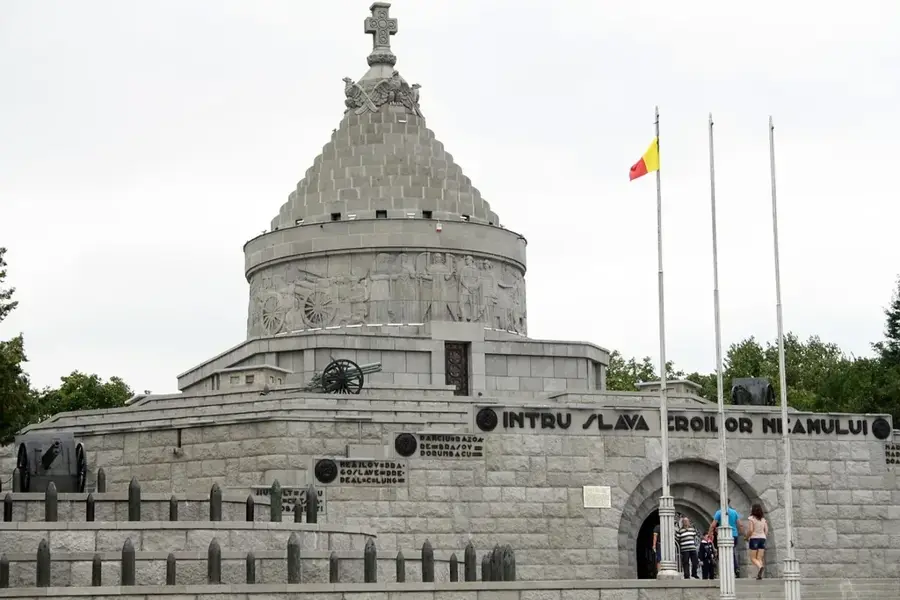
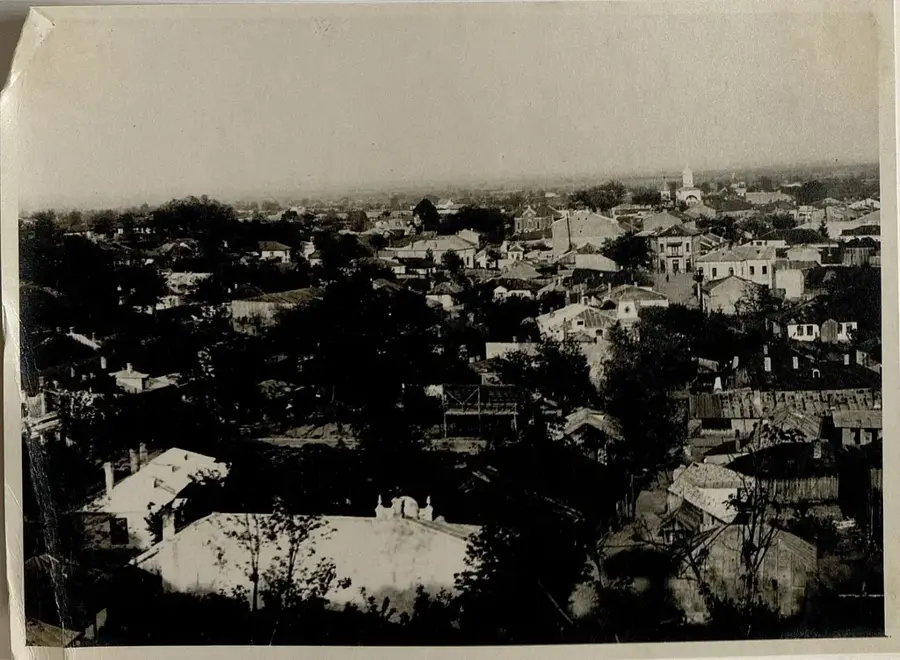
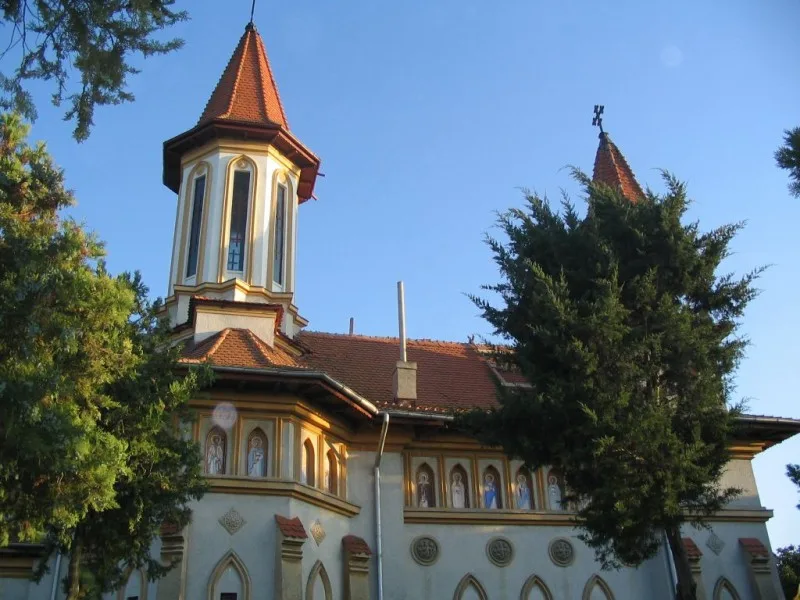
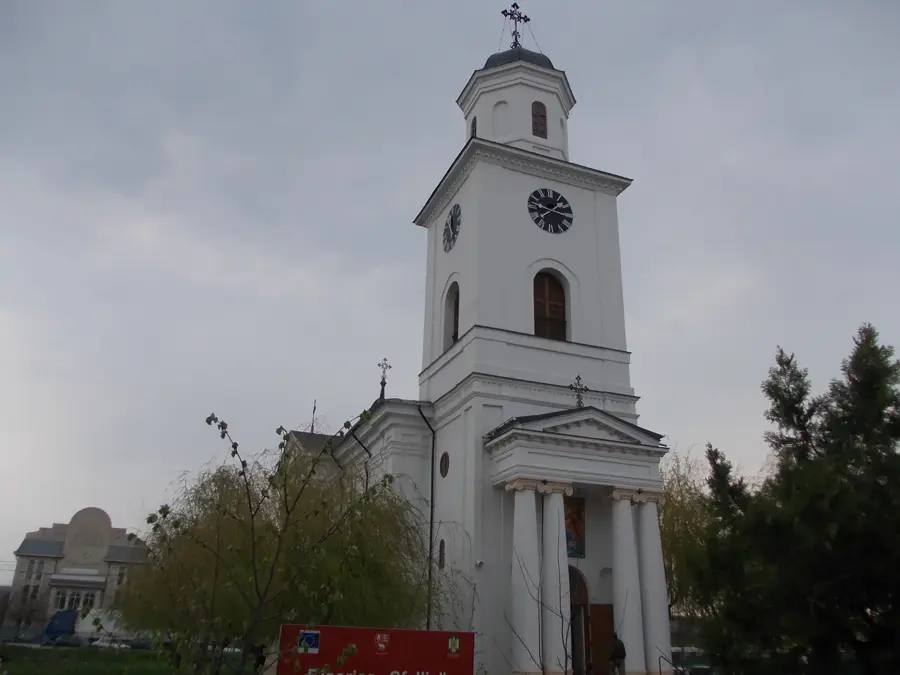
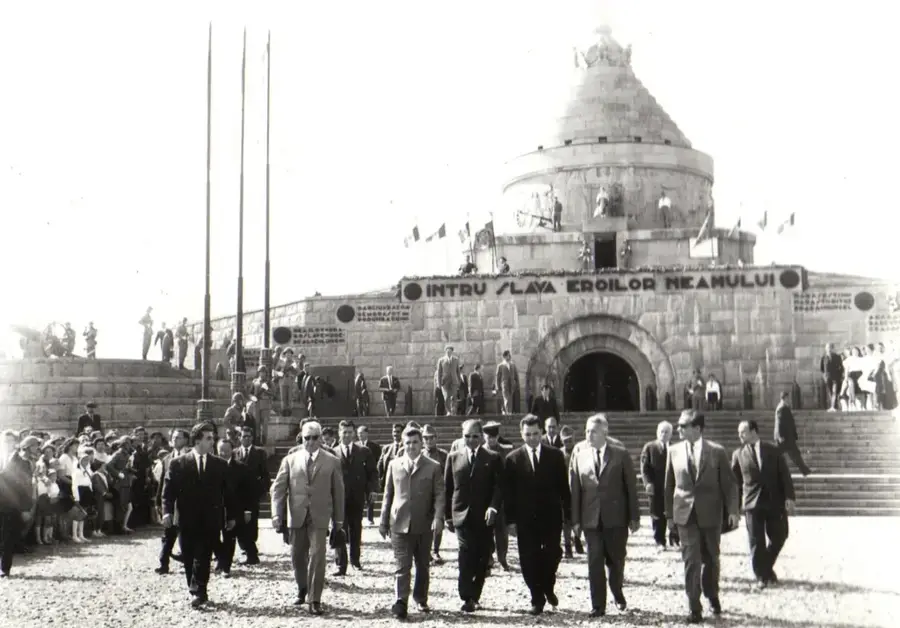
The Mărășești Mausoleum is one of Europe's most significant military monuments, built to honor the Romanian soldiers who fell during World War I. It commemorates the decisive Battle of Mărășești in the summer of 1917, where Romanian forces successfully resisted a major German offensive. Constructed between 1923 and 1938, the monument was designed by architects George Cristinel and Constantin Pomponiu in a monumental neoclassical style. The mausoleum houses the remains of 5,073 soldiers in 154 individual crypts and several common graves. At its heart lies the sarcophagus of General Eremia Grigorescu, the legendary commander who led the Romanian troops to victory. The structure reaches a height of 30 meters and is topped by the 'Dome of Glory,' adorned with intricate reliefs depicting battle scenes. An on-site museum displays a vast collection of period weapons, uniforms, and historical documents. It remains a powerful symbol of national unity and is the site of major commemorative ceremonies every August 6th.

Best time to visit & climate

The most pleasant time to visit is Jun–Aug.

JanFebMarAprMayJunJulAugSepOctNovDec
Avg °C-4-239151921211694-2
Rain mm343238506995815546553739

📋 Practical info

📍
Address
DN2 KM 202, 625200 Mărășești
🕒
Hours
Tue-Sun 09:00-17:00, Mon closed
💶
Entry
10 RON adults, 2 RON children
🌐
🚌
Transit
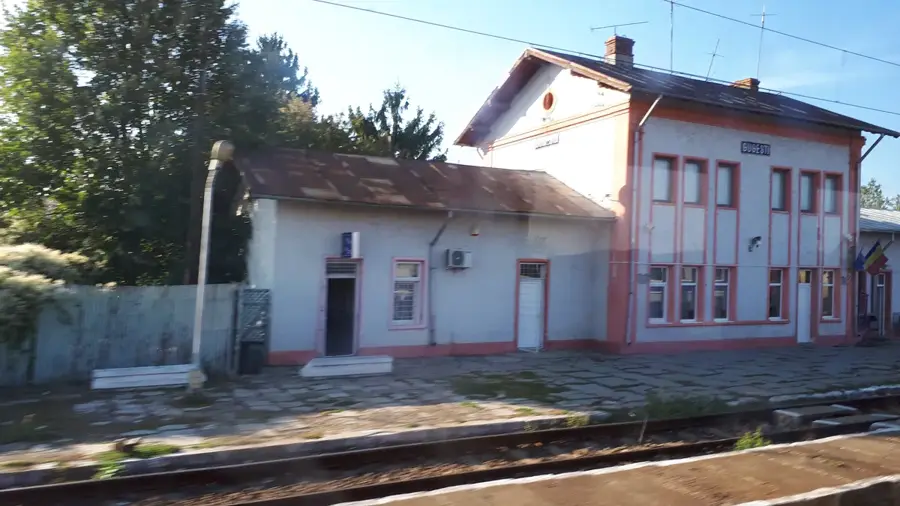
Regional trains to Mărășești, located directly on the DN2.
🅿️
Parking
Large free parking directly in front of the monument.
Accessibility
Access to the park is barrier-free, mausoleum has steps.
📷
Photos
Permitted, use of tripod in outdoor areas is okay.
Best time
Mornings for the best lighting on the facade.
🎧
Audio guide
no

Geography

Coordinates
45.88330, 27.23330

Facts

  • The mausoleum contains the remains of 5,073 Romanian soldiers.
  • Construction of the monument lasted 15 years (1923–1938).
  • The structure reaches a total height of 30 meters.
  • It was built to honor the heroes of the 1917 summer battle.
  • The famous slogan 'They shall not pass' was born during this conflict.
  • The 'Dome of Glory' features reliefs by Ion Jalea and Cornel Medrea.

Explore nearby

Notable places around

Route planner — Car & Motorhome

Where do you start? We build the route here, with stops and country notes along the way.

Vehicle
Only stops with (optional):

© OpenStreetMap contributors · OpenRouteService

Sights in the town Mărășești Mausoleum (2)

Marasesti Mausoleum🏛 museum

Mausoleum in Mărășești, memorial for WWI fallen soldiers, heritage site.
🕒 9:00-17:00

Muzeul luptelor de la Mărășești🏛 museum

Museum in Mărășești, documenting the battles of 1917.

Sights nearby

Frequently asked questions

To whom is the mausoleum dedicated?
It is dedicated to the over 5,000 Romanian soldiers who fell in the Battle of Mărășești during World War I.
What does the slogan 'Pe aici nu se trece' mean?
It means 'No one shall pass' and was the heroic cry of the Romanian army during the defense battles of 1917.
Where exactly is the mausoleum located?
It is located right on the E85 European road, about 20 km north of Focșani, in Vrancea County.
Can you visit the interior?
Yes, inside there is a crypt and a small military museum with weaponry and documents from the war.
What are the visiting hours?
The monument is usually open daily from 09:00 to 17:00. The ticket price is very affordable.
Mărășești Mausoleum: where is it located?
Mărășești Mausoleum is located in Vrancea, Romania.
Mărășești Mausoleum: what is there to see?
Highlights include Marasesti Mausoleum, Muzeul luptelor de la Mărășești.
Mărășești Mausoleum: when is the best time to visit?
The most pleasant time to visit is Jun, Aug.
Mărășești Mausoleum: why is it worth visiting?
The Mărășești Mausoleum is one of Europe's most significant military monuments, built to honor the Romanian soldiers who fell during World War I.
View on map → The Top 50 Attractions → OpenStreetMap →
Europe
Explore with Plizio Discover more places in Europe
More places in Romania →

Nearby cities

History & landmarks

Nature

More places