Plizio Visual Lab

Sucevița Monastery

Plizio editorial teamData Sources
Historical site
—°1
Sucevița Monastery (Romania)

Weather…

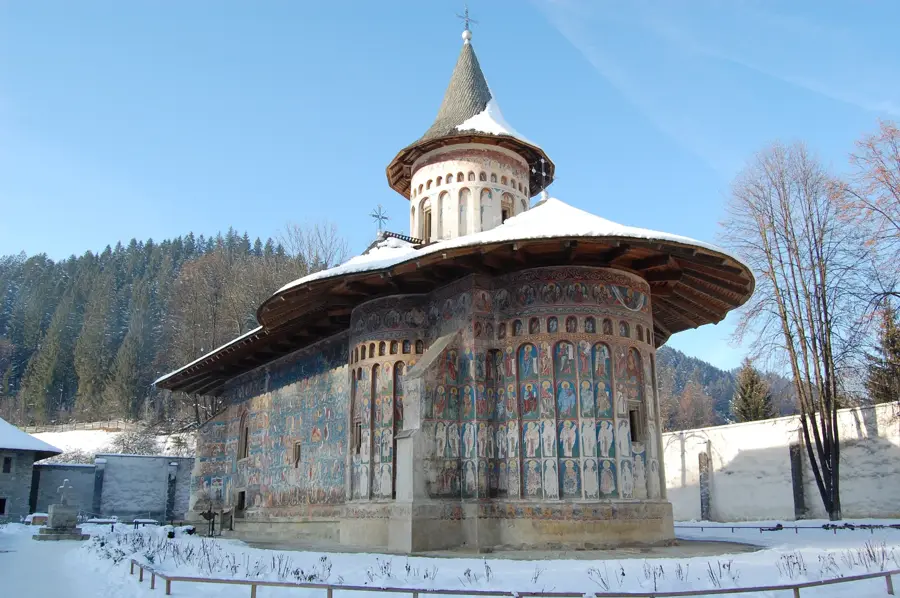
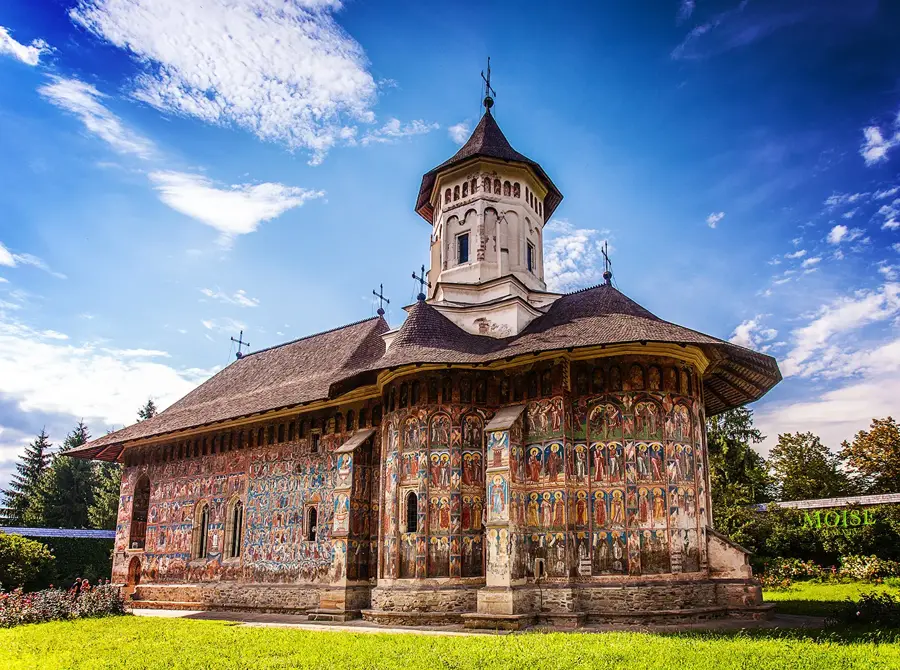
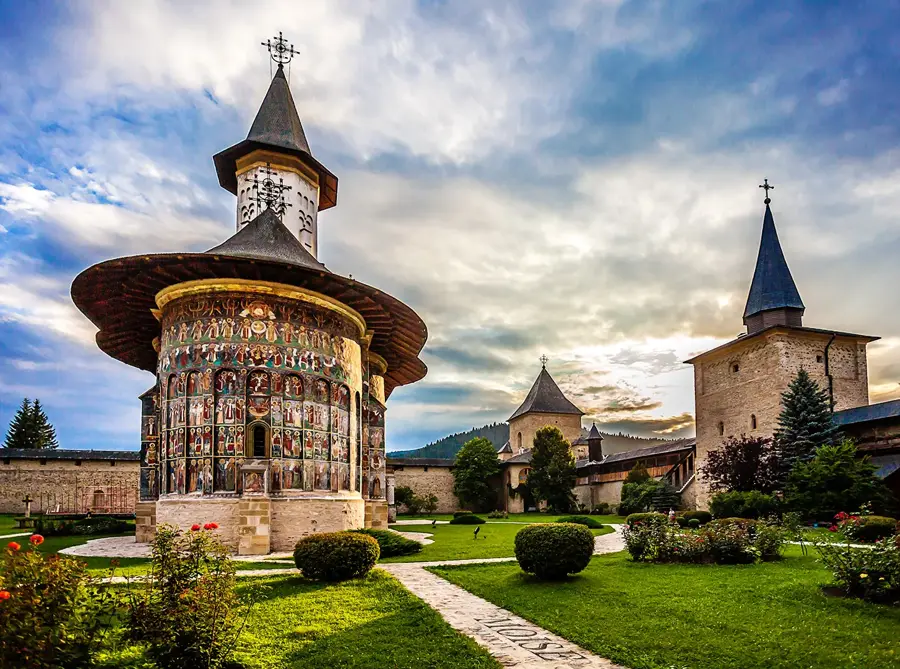
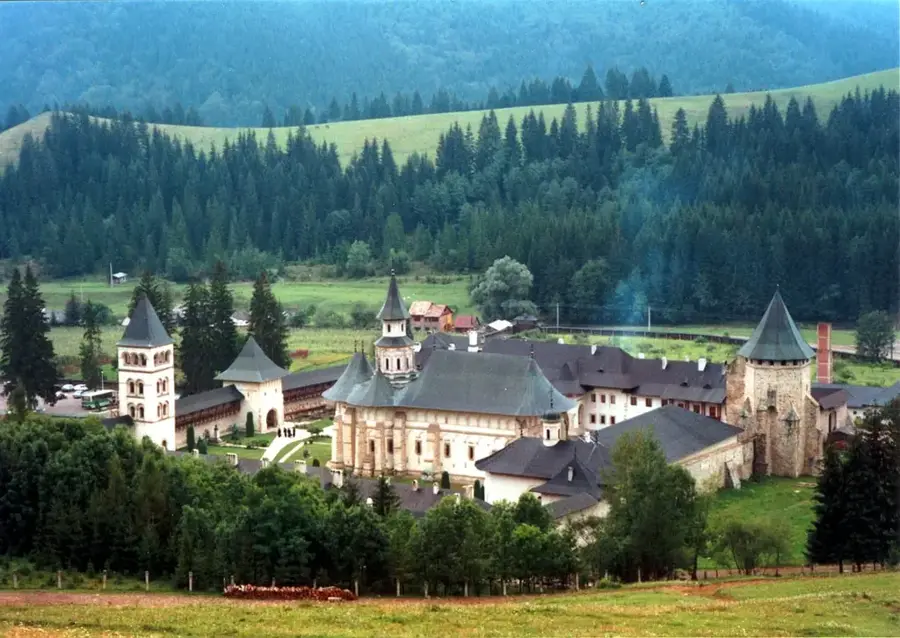
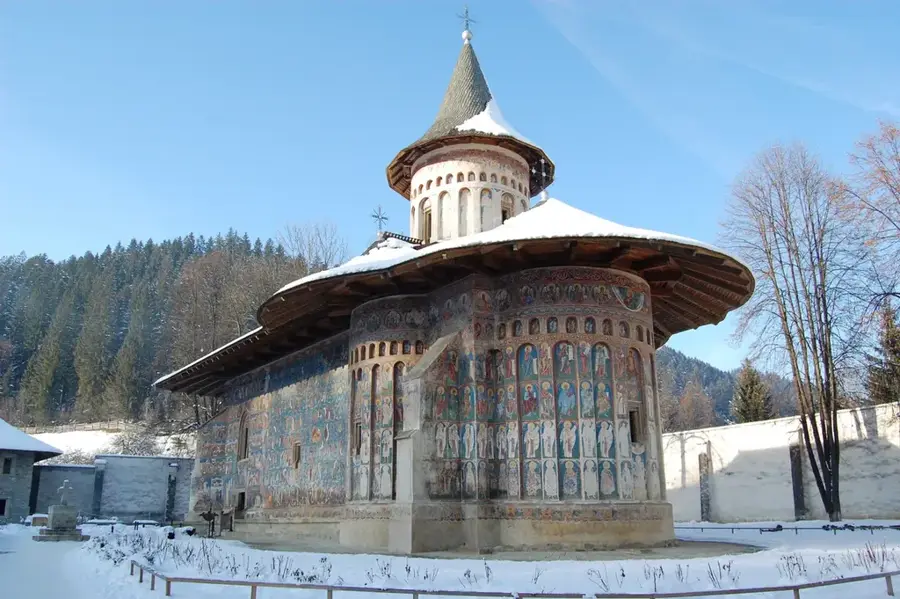
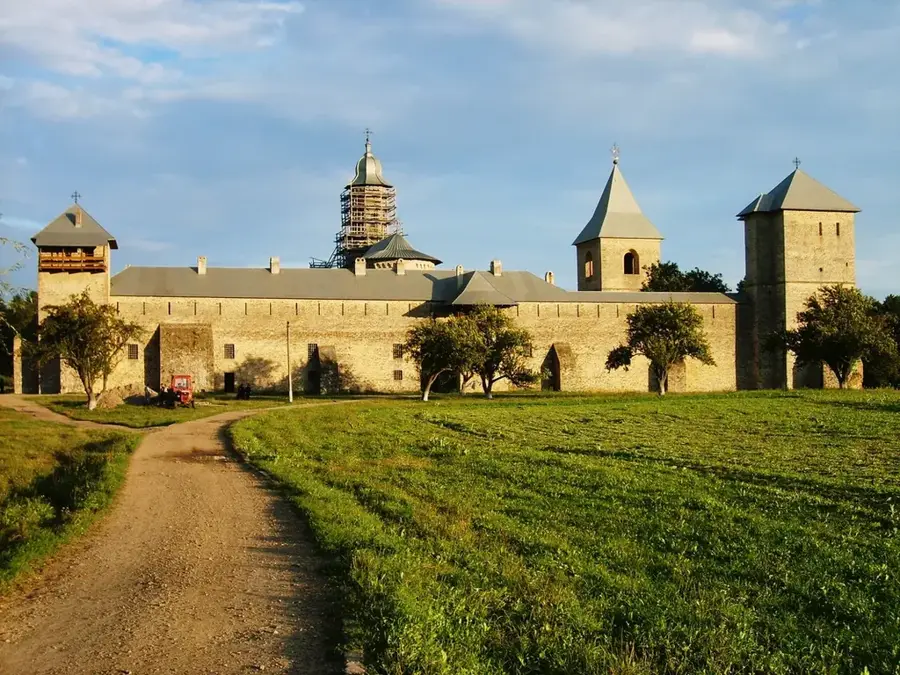
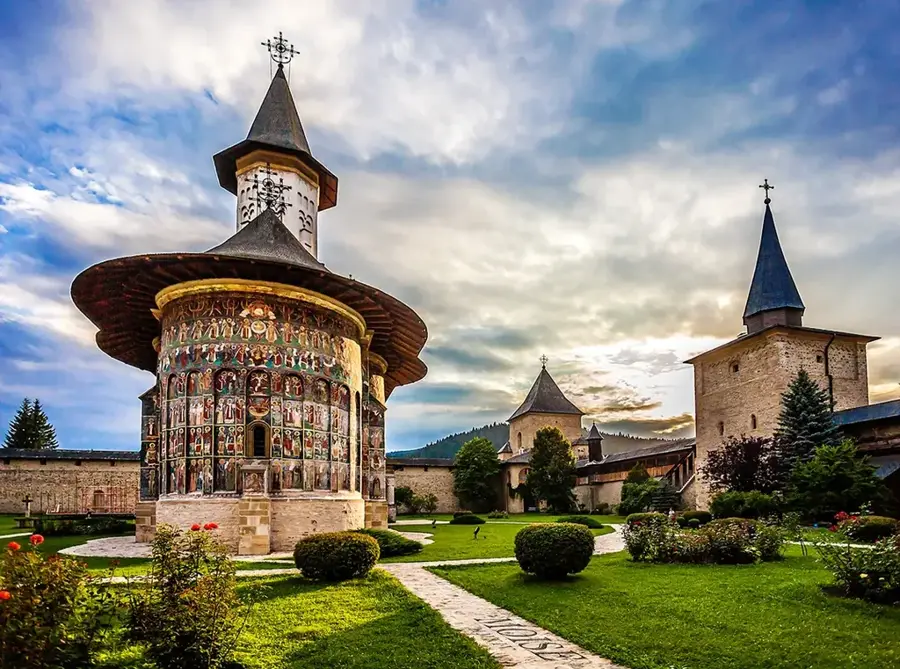
Sucevița Monastery was built in 1581 by the influential Movilă family and is widely regarded as the last of the great painted monasteries in Bucovina. Its architecture showcases a seamless synthesis of Byzantine and Gothic elements, enriched by local Moldavian features such as steep, tent-like roofs. The exterior walls are almost entirely covered in frescoes, with the 'Ladder of Divine Ascent' being the most famous, illustrating the spiritual struggle between virtues and vices. Unlike other monasteries in the region, Sucevița has preserved its paintings on the northern wall particularly well due to its protective enclosure. The entire complex is surrounded by massive defensive walls and heavy corner towers, giving it the appearance of a medieval fortress. Since 2010, it has been a UNESCO World Heritage site, and its museum holds one of Romania's most important collections of medieval art, including gold-threaded embroideries and silver-bound manuscripts.

Best time to visit & climate

The most pleasant time to visit is Jun–Aug.

JanFebMarAprMayJunJulAugSepOctNovDec
Avg °C-5-328141719191483-3
Rain mm31364656901131057356543736

📋 Practical info

📍
Address
DN17A 169, 727510 Sucevița
🕒
Hours
Daily 08:00-20:00
💶
Entry
10 RON adults, 5 RON photo fee (outdoor)
🚌
Transit
Minibuses from Rădăuți towards Câmpulung Moldovenesc
🅿️
Parking
Parking strips along the monastery wall, usually free
Accessibility
Courtyard and church accessible at ground level
📷
Photos
Outdoor shots allowed (fee), inside strictly forbidden
Best time
Midday, when the north wall (Ladder of Virtues) is fully lit
🎧
Audio guide
No

History & landmarks

middle-ages

1585

Geography

Coordinates
47.77700, 25.71200

Facts

  • The monastery was founded in 1581 by the Movilă brothers: Ieremia, Gheorghe, and Simion.
  • The exterior murals were painted between 1595 and 1596 by brothers Ioan and Sofronie.
  • The defensive walls are 6 meters high and 3 meters thick, featuring square corner towers.
  • Sucevița was officially added to the UNESCO World Heritage list in 2010.
  • The 'Ladder of Virtues' fresco on the north wall depicts 30 steps toward salvation.
  • The museum preserves the 17th-century tomb covers of Ieremia and Simion Movilă.

Explore nearby

Notable places around

Route planner — Car & Motorhome

Where do you start? We build the route here, with stops and country notes along the way.

Vehicle
Only stops with (optional):

© OpenStreetMap contributors · OpenRouteService

Sights in the town Sucevița Monastery (1)

Sucevita Monastery Museum Collection🏛 museum

This museum displays the historical art collection of the Sucevița Monastery.

🕒 10:00 - 18:00 (summer); 9:00 - 17:00 (winter)

Sights nearby

Frequently asked questions

Why does Sucevita have such thick walls?
It was designed as a fortified monastery to serve as both a religious center and a defensive structure.
What is the 'Ladder of Virtues'?
It is a famous fresco on the north wall, depicting the struggle between virtues and vices on the path to heaven.
Is there a museum in the monastery?
Yes, the monastery museum displays valuable old manuscripts, embroideries, and religious art objects.
What color is typical for Sucevita?
Unlike other monasteries, a deep green color dominates the frescoes here.
Is the monastery part of UNESCO World Heritage?
Yes, Sucevita was the last of the painted churches in Bukovina to be included in the UNESCO World Heritage list.
Sucevița Monastery: where is it located?
Sucevița Monastery is located in Suceava, Romania.
Sucevița Monastery: when is the best time to visit?
The most pleasant time to visit is Jun, Aug.
Sucevița Monastery: why is it worth visiting?
Sucevița Monastery was built in 1581 by the influential Movilă family and is widely regarded as the last of the great painted monasteries in Bucovina.
View on map → The Top 50 Attractions → OpenStreetMap →
Europe
Explore with Plizio Discover more places in Europe
More places in Romania →

Nearby cities

History & landmarks

Nature

More places