Plizio Visual Lab
Moldovița Monastery
Weather…
Water temperature…
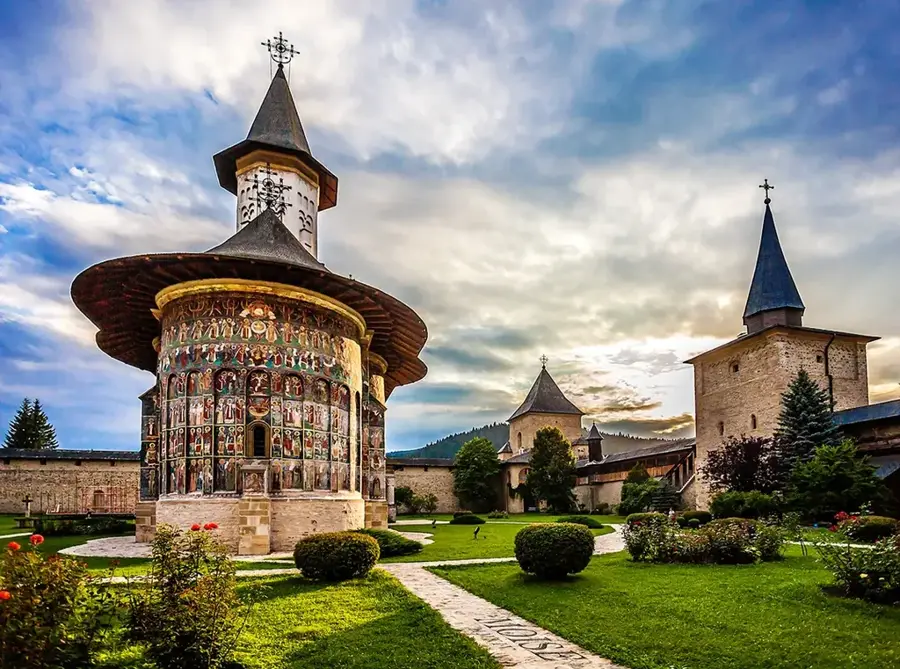
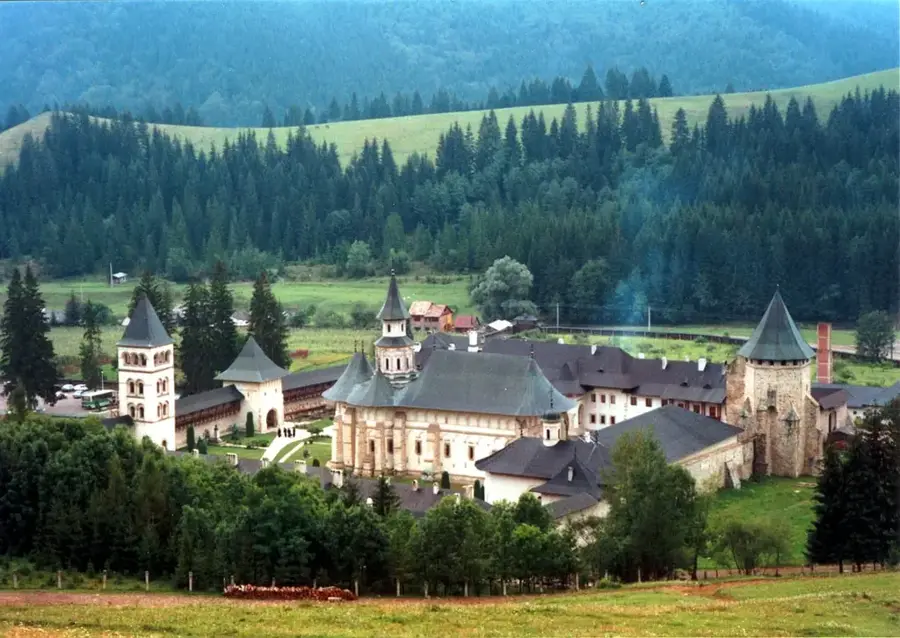
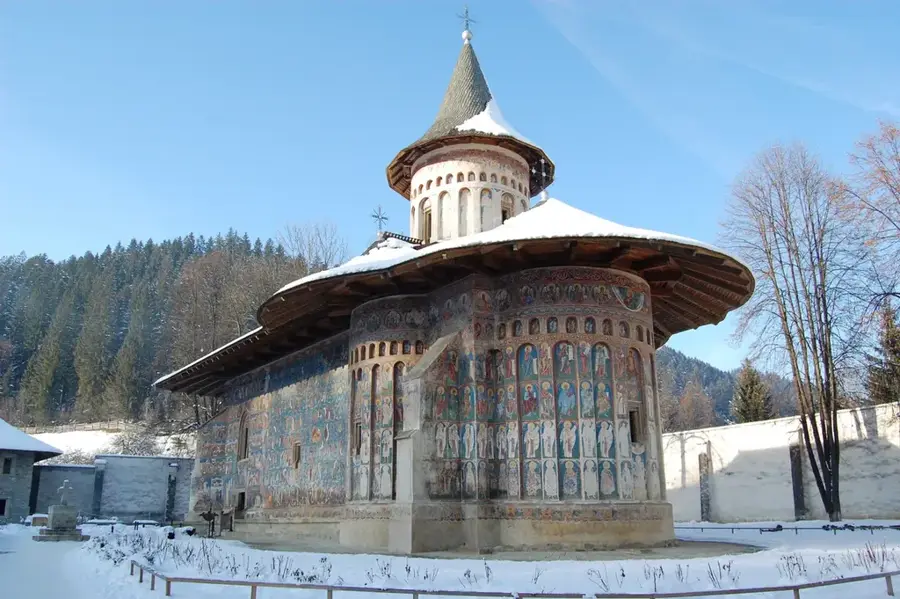
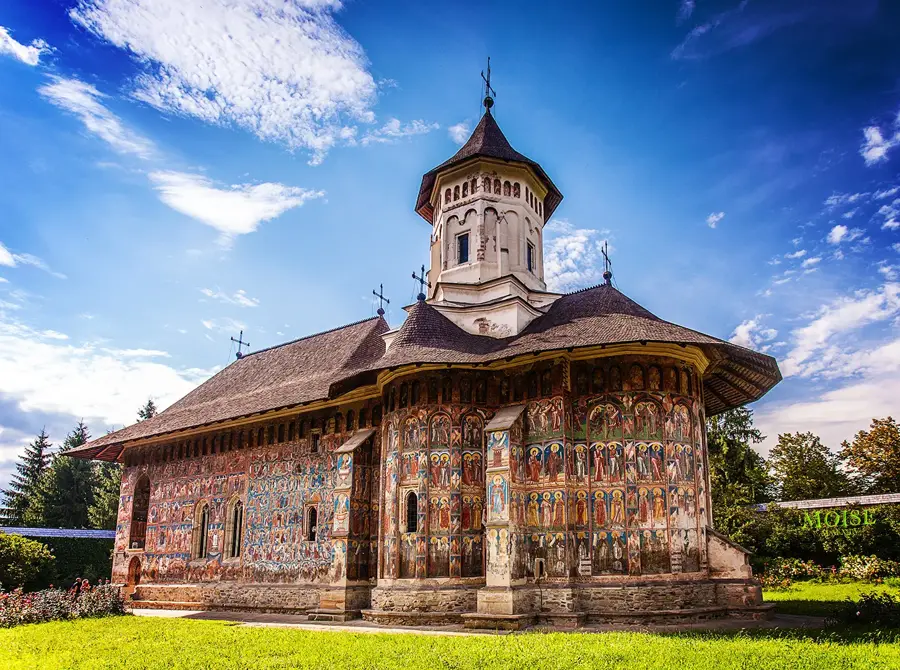
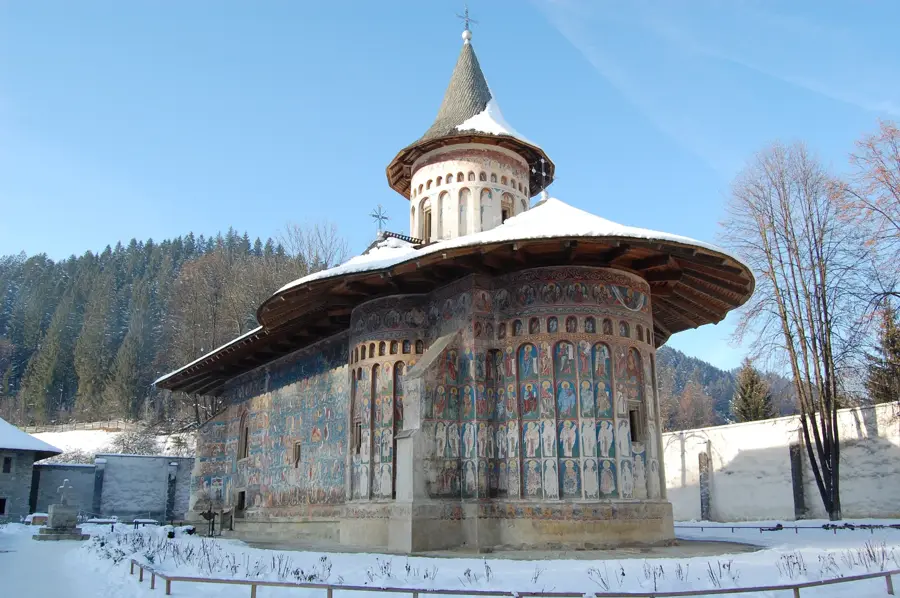
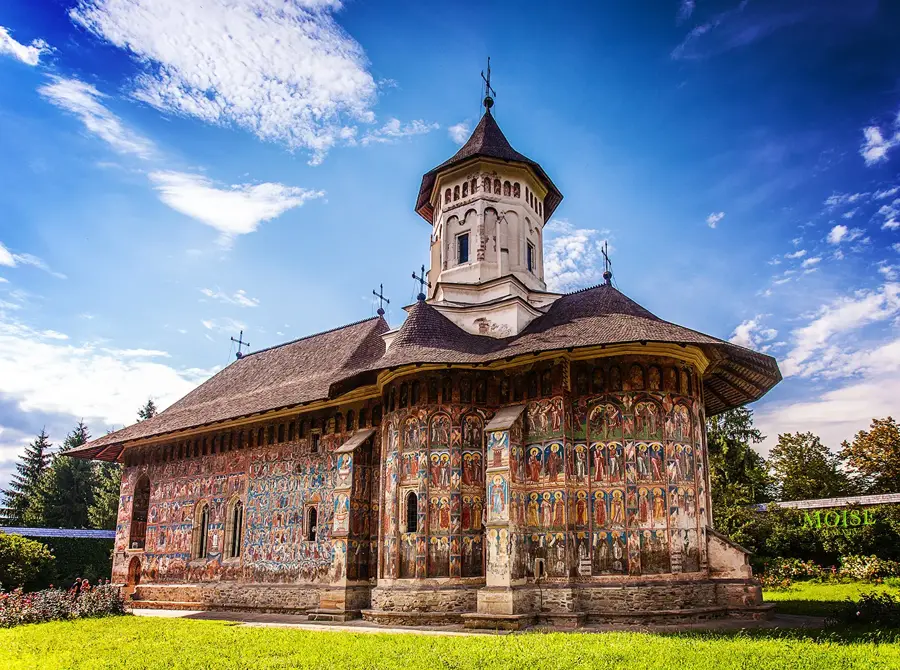
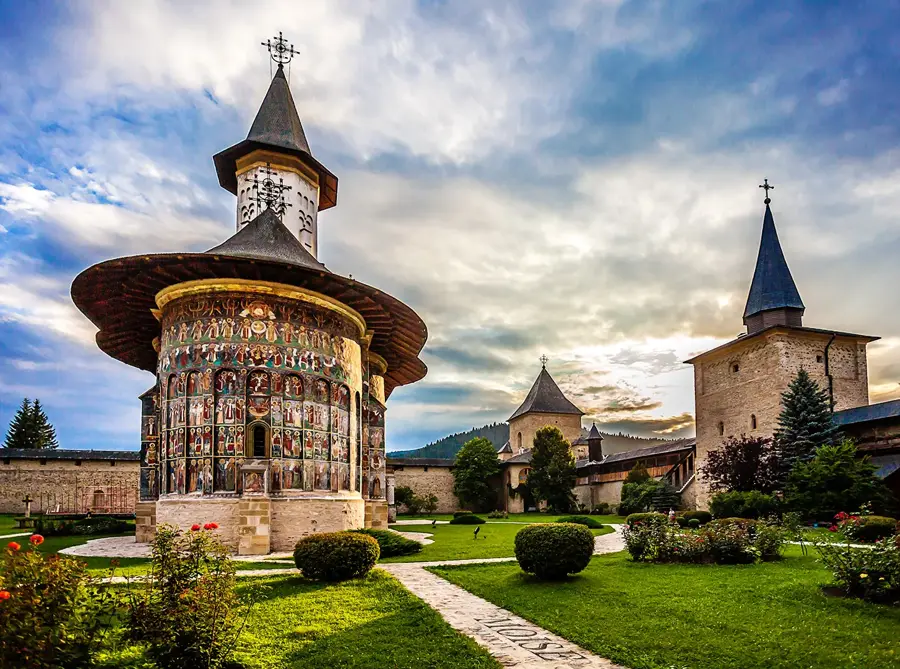
Moldovița Monastery was founded in 1532 by Prince Petru Rareș and stands as one of the most significant examples of Moldavian religious architecture. It is internationally acclaimed for its exceptionally well-preserved external frescoes, completed in 1537, which depict grand scenes such as the Siege of Constantinople and the Tree of Jesse. The architectural design harmoniously blends Byzantine structures with Gothic influences, evident in the tall windows and intricate stonework. The complex was originally designed as a fortified monastery, enclosed by massive defensive walls and watchtowers to protect against regional conflicts. Since 1993, it has been a designated UNESCO World Heritage site, recognized for its artistic and historical value. The monastery's museum houses precious 16th-century artifacts, including illuminated manuscripts, liturgical embroideries, and the original princely throne of Petru Rareș.
Explore on the map
How well do you know Romania?
Find cities, landscapes and regions in 10 varied challenges on the interactive map.
Your journey, your memory
A postcard from Moldovița Monastery
Turn your own photo into a personal postcard with a local stamp. Free and no sign-up required.
Create a postcard- Location: Suceava, Romania
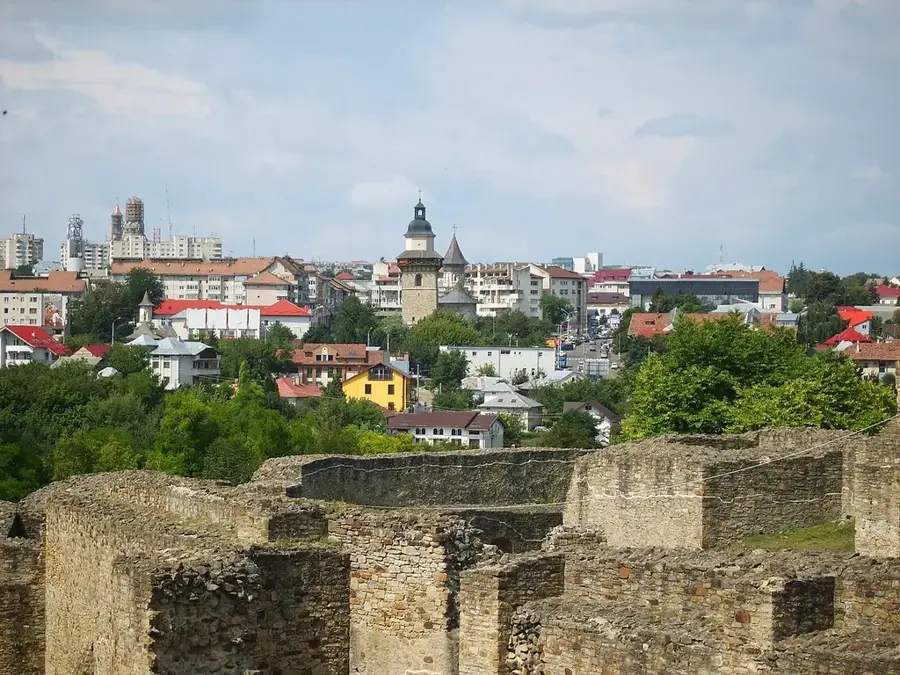
- Highlights: Moldovița Monastery Museum Collection · Ruinele Mănăstirii Moldovița
- Nearby: Câmpulung Moldovenesc (14 km)
Best time to visit & climate
The most pleasant time to visit is Jul–Sep.
| Jan | Feb | Mar | Apr | May | Jun | Jul | Aug | Sep | Oct | Nov | Dec | |
|---|---|---|---|---|---|---|---|---|---|---|---|---|
| Avg °C | -6 | -4 | 0 | 7 | 12 | 16 | 18 | 18 | 13 | 7 | 2 | -4 |
| Rain mm | 30 | 34 | 44 | 57 | 93 | 120 | 107 | 78 | 56 | 55 | 35 | 35 |
📋 Practical info
History & landmarks
middle-ages
1532
Geography
Facts
- The monastery was founded in 1532 by Prince Petru Rareș, son of Stephen the Great.
- Its famous exterior frescoes were completed in 1537 by a group of local painters.
- The church measures 34 meters in length, 12 meters in width, and roughly 25 meters in height.
- It was inscribed as a UNESCO World Heritage site in 1993 for its cultural importance.
- The dominant color palette used in the exterior murals is a distinct golden ochre.
- The museum displays the original 16th-century throne used by Prince Petru Rareș.
Explore nearby
Notable places around
Route planner — Car & Motorhome
Where do you start? We build the route here, with stops and country notes along the way.
© OpenStreetMap contributors · OpenRouteService
Sights in the town Moldovița Monastery (2)
Sights nearby
Frequently asked questions
Which color dominates at Moldovita Monastery?
What does the most famous external fresco depict?
Can you buy souvenirs there?
How much is the entry fee?
When was the monastery built?
Moldovița Monastery: where is it located?
Moldovița Monastery: what is there to see?
Moldovița Monastery: when is the best time to visit?
Moldovița Monastery: why is it worth visiting?

Nearby cities
History & landmarks
Nature
More places