Plizio Visual Lab
Dimitrie Gusti National Village Museum
ℹ️Practical info — Dimitrie Gusti National Village Museum
▾
🌤 Weather — 5 days
📍 Nearby
Sights nearby
💡 Tips
- Visit the museum early in the morning or late afternoon to avoid the peak summer heat.
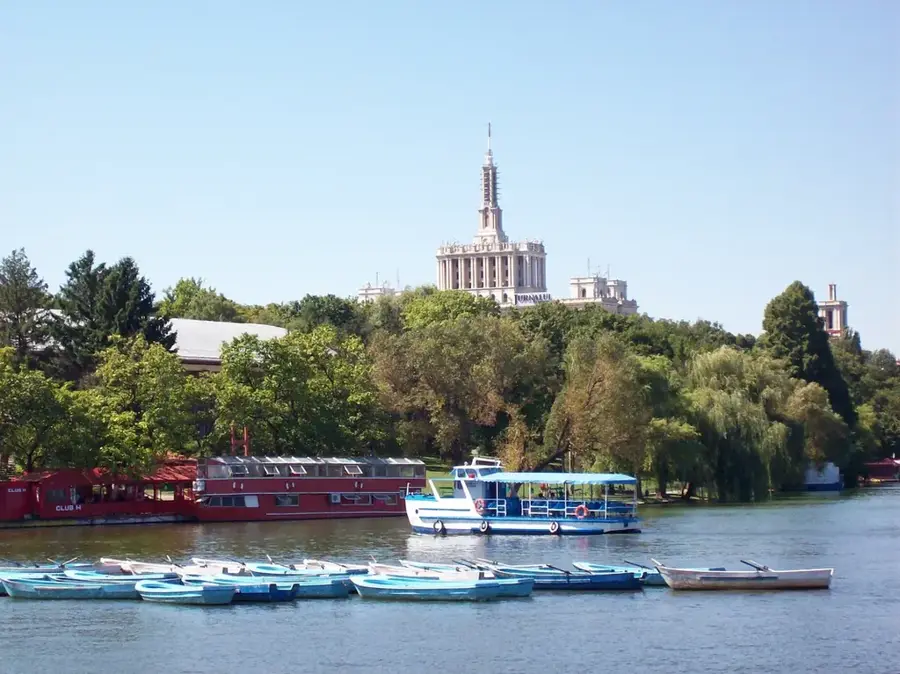
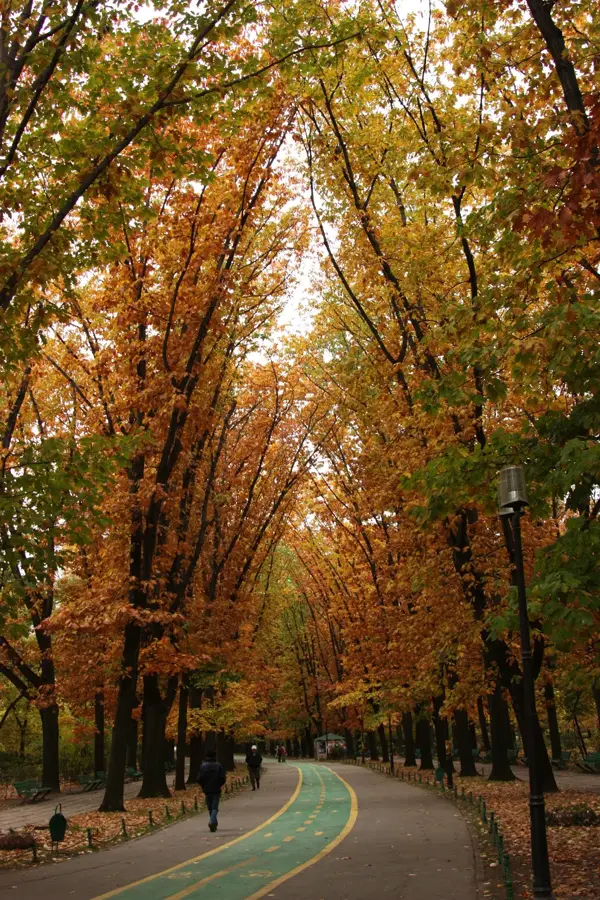
- The adjacent Herăstrău Park gives a wonderful view of the lake and the historic houses.
- Buy your tickets online in advance to skip the potential queues at the entrance.
- The easiest way to get there is by taking the metro to Aviatorilor station followed by a short walk.
🍽 Food
Try traditional Romanian cabbage rolls at one of the rustic taverns around the park.
Enjoy these grilled minced meat rolls with mustard at nearby food stands.
Grab a freshly baked pretzel from a street vendor on your way to the museum.
🛍 Shopping · 🧘 Quiet spots
Find authentic Romanian crafts, including painted ceramics and textiles.
Traditional peasant markets are frequently held within the museum grounds.
Take a stroll along the lake for a peaceful break after your museum visit.
A beautifully landscaped, quiet oasis located very close to the museum.
Water temperature…
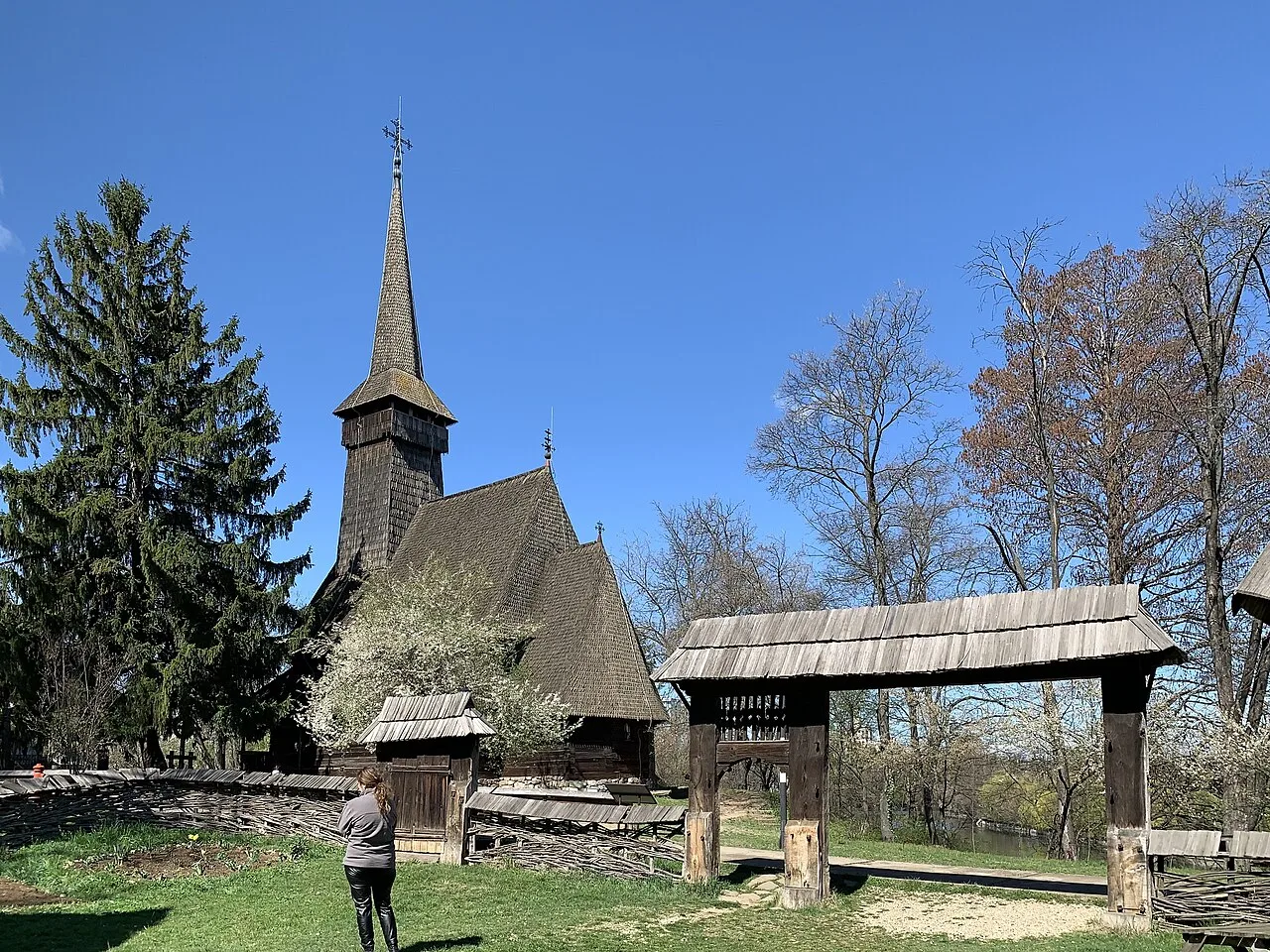
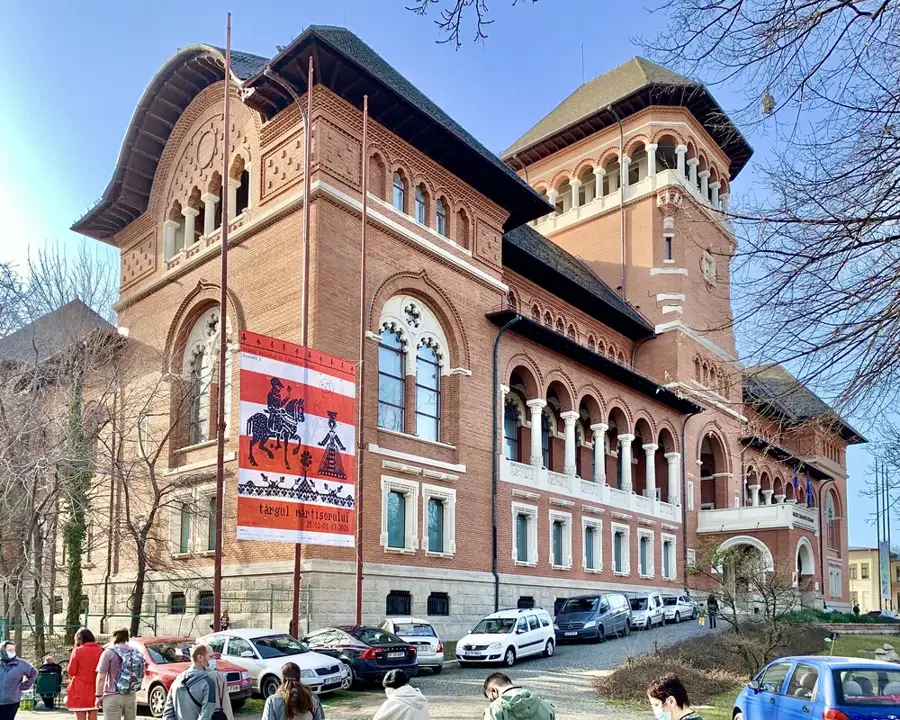
The Dimitrie Gusti National Village Museum in Bucharest is one of the world's first and most prestigious open-air museums, located on the shores of Lake Herăstrău. Established in 1936 by the pioneering sociologist Dimitrie Gusti, the museum spans 15 hectares and showcases the diversity of Romanian rural architecture. It contains over 300 authentic structures, including traditional peasant houses, wooden churches, watermills, and workshops, all transported from their original locations across Romania. Each building was carefully dismantled and reassembled using original methods to preserve its historical integrity, representing styles from the 17th to the 20th centuries. Highlights include the towering wooden steeples of Maramureș and the reed-thatched dwellings of the Danube Delta. The museum serves as a lively cultural center, frequently hosting folk art fairs, traditional workshops, and seasonal festivals that keep Romania's agrarian heritage alive for both locals and international tourists.
Explore on the map
How well do you know Romania?
Find cities, landscapes and regions in 10 varied challenges on the interactive map.
Your journey, your memory
A postcard from Dimitrie Gusti National Village Museum
Turn your own photo into a personal postcard with a local stamp. Free and no sign-up required.
Create a postcard- Location: Bucharest, Romania
- Highlights: Herăstrău Park · Lagoon Park · Nicolae Minovici Folk Art Museum
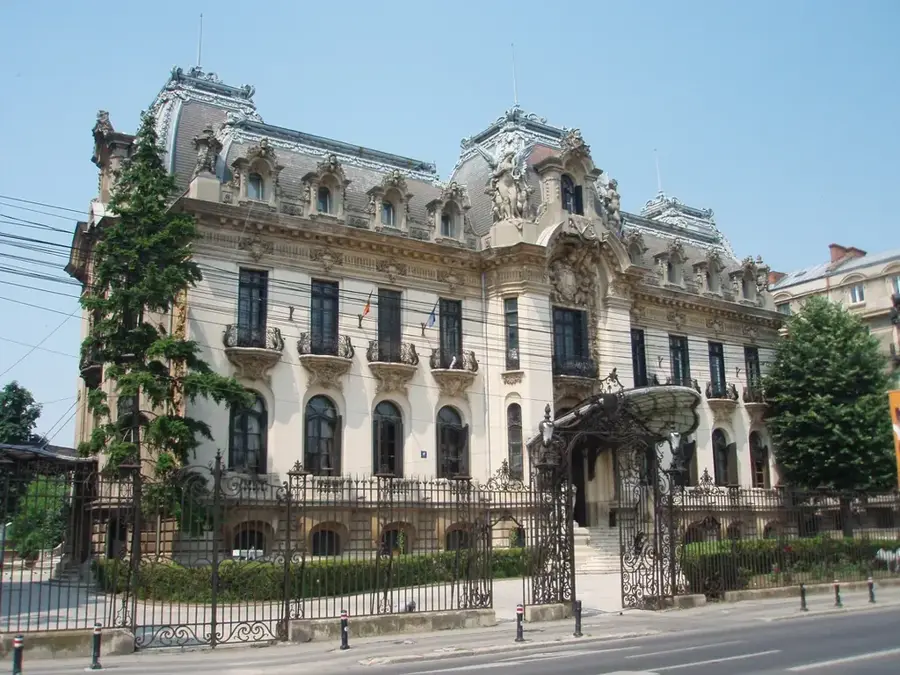
- Nearby: Cotroceni Palace (4 km)
- Population: ~225.453
Best time to visit & climate
The most pleasant time to visit is Jun, Aug, Sep.
| Jan | Feb | Mar | Apr | May | Jun | Jul | Aug | Sep | Oct | Nov | Dec | |
|---|---|---|---|---|---|---|---|---|---|---|---|---|
| Avg °C | -2 | 1 | 6 | 12 | 18 | 22 | 25 | 25 | 19 | 13 | 6 | 0 |
| Rain mm | 44 | 34 | 39 | 43 | 65 | 79 | 67 | 46 | 52 | 56 | 42 | 48 |
Geography
Facts
- The museum opened in 1936, making it one of the oldest open-air museums in Europe.
- It features 338 individual monuments brought from all over Romania.
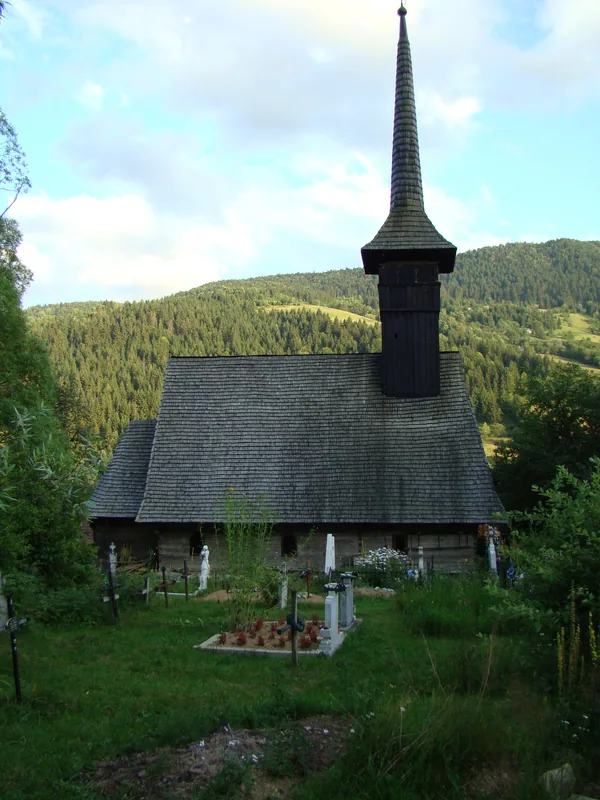
- The wooden church from Dragomirești is a standout, dating back to 1722.
- The site covers 15 hectares of prime lakeside land in Herăstrău Park.
- The museum was created as a 'sociological museum' to study rural life.
- Authentic folk artists often demonstrate weaving and pottery on site.
Explore nearby
Notable places around
Route planner — Car & Motorhome
Where do you start? We build the route here, with stops and country notes along the way.
© OpenStreetMap contributors · OpenRouteService
Sights in the town Dimitrie Gusti National Village Museum (16)
Nicolae Minovici Folk Art Museum🏛 museum
A folk art museum located in the former villa of doctor Nicolae Minovici.
Museum of Sports Romania🏛 museum
The museum documents the history and achievements of Romanian sports.
Frequently asked questions
What does the Village Museum showcase?
When was the museum founded?
Can you enter inside the houses?
Where is the museum located?
Can you buy souvenirs there?
Dimitrie Gusti National Village Museum: where is it located?
Dimitrie Gusti National Village Museum: what is there to see?
Dimitrie Gusti National Village Museum: when is the best time to visit?
Dimitrie Gusti National Village Museum: why is it worth visiting?

Nearby cities


History & landmarks

More places